
















©The Author(s) 2026.
World J Diabetes. Feb 15, 2026; 17(2): 112500
Published online Feb 15, 2026. doi: 10.4239/wjd.v17.i2.112500
Published online Feb 15, 2026. doi: 10.4239/wjd.v17.i2.112500
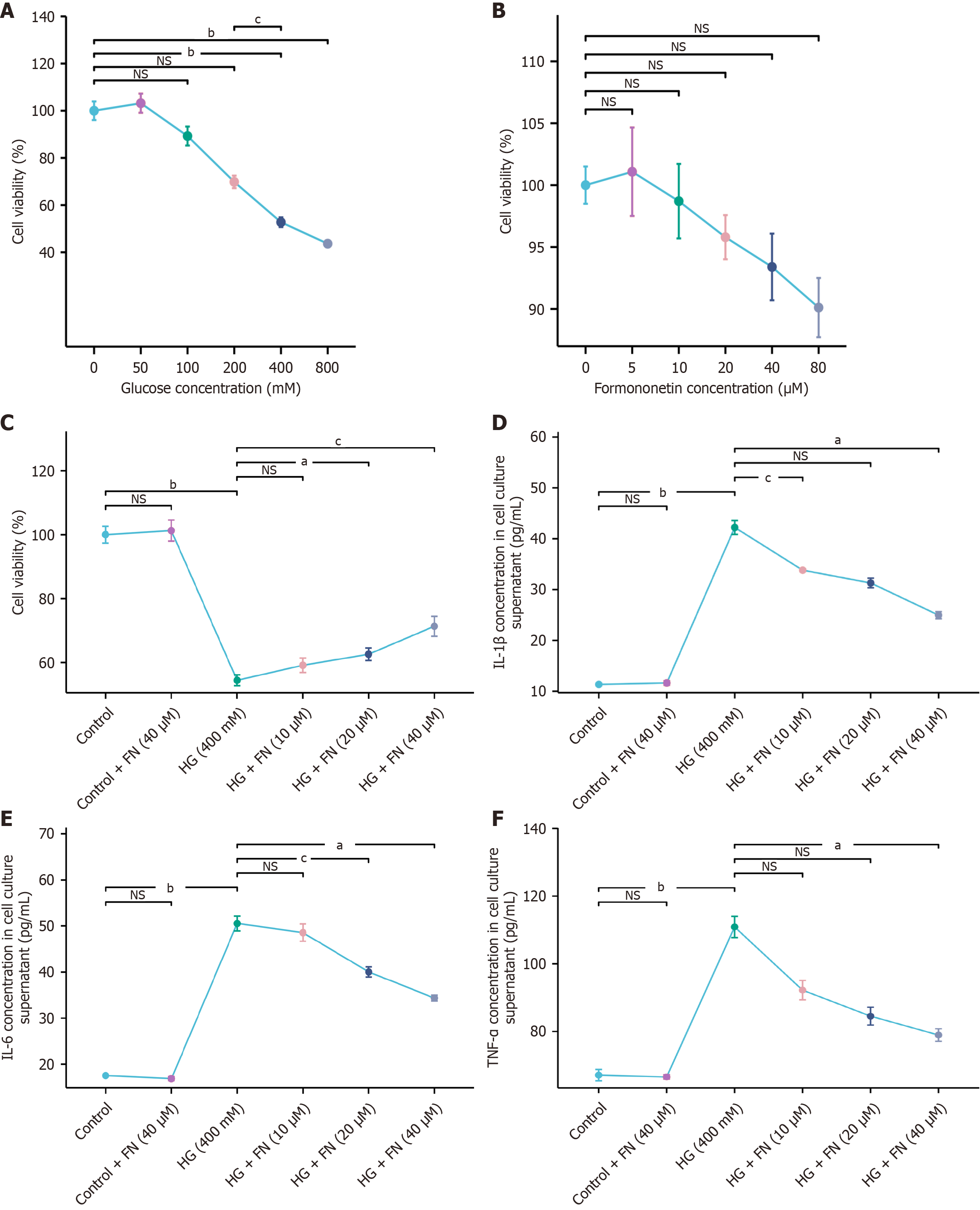
Figure 1 Formononetin intervention dose-dependently increases the viability of high glucose-exposed MPC-5 cells.
A: MPC-5 cells were treated with 0 mmol/L, 50 mmol/L, 100 mmol/L, 200 mmol/L, 400 mmol/L, or 800 mmol/L of glucose for 24 hours to determine a suitable high glucose (HG) concentration. 3-(4,5-dimethyl-2-thiazolyl)-2,5-diphenyl-2H-tetrazolium bromide (MTT) assay revealed that 400 mmol/L of glucose reduced MPC-5 cell viability by approximately 50%, making it suitable for inducing cell injury; B: MPC-5 cells were treated with 0 μM, 5 μM, 10 μM, 20 μM, 40 μM, or 80 μM of formononetin (FN) for 24 hours to determine non-toxic doses. MTT assay showed that FN concentrations below 40 μM did not significantly affect cell viability, so 10 μM, 20 μM, and 40 μM FN were selected for subsequent experiments; C: FN intervention dose-dependently increases viability of HG-exposed MPC-5 cells; D-F: FN intervention reduces levels of interleukin-1β (D), interleukin-6 (E), and tumor necrosis factor α (F) in the culture supernatant of HG-exposed MPC-5 cells. Data are presented as means ± SD and n = 6 for A-C, n = 3 for D-F. aP < 0.01 vs high glucose groups; bP < 0.01 vs control group; cP < 0.05 vs high glucose groups. NS: Not significant; FN: Formononetin; HG: High glucose; IL-1β: Interleukin-1β; IL-6: Interleukin-6; TNF-α: Tumor necrosis factor α.
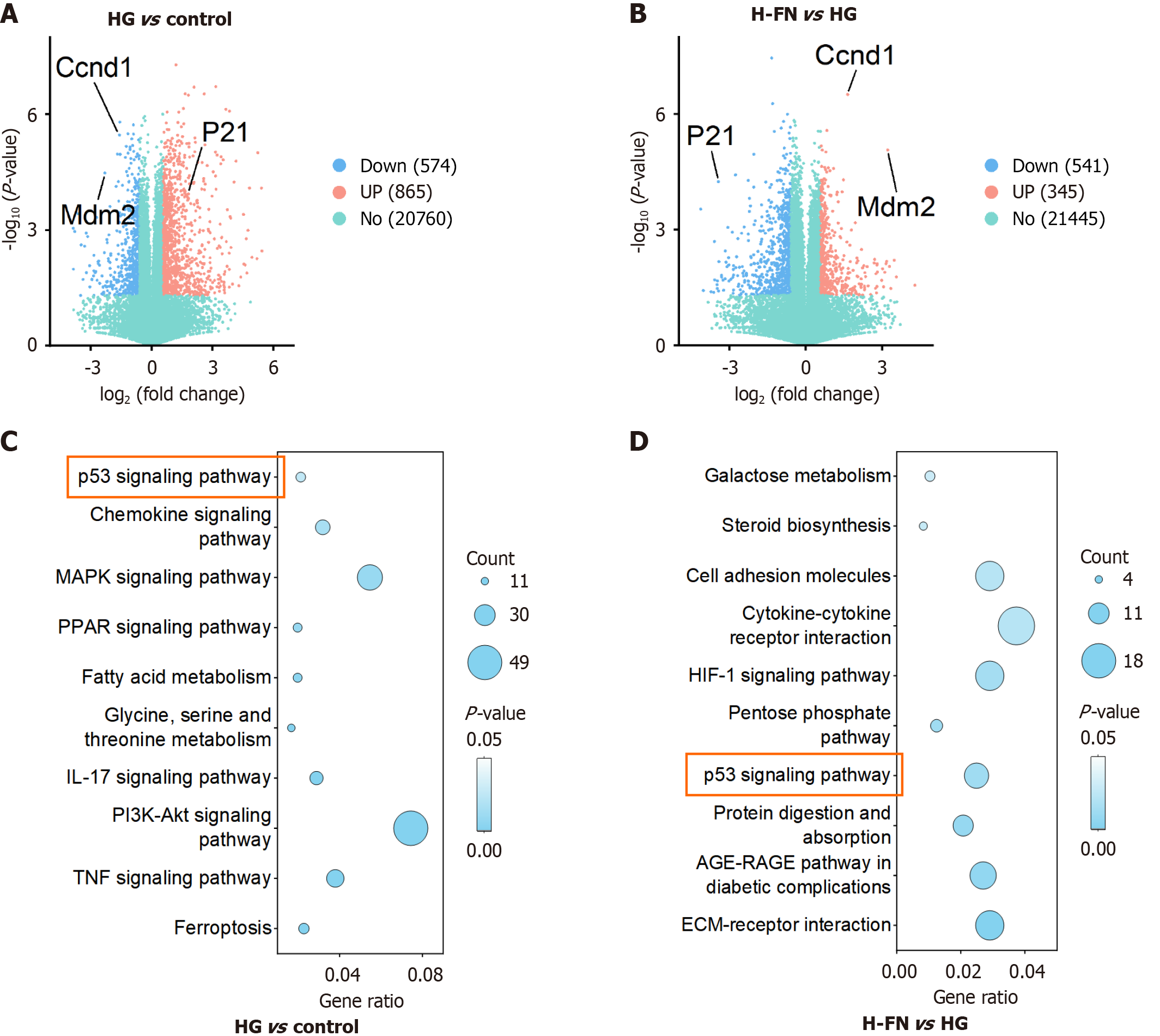
Figure 2 Impact of formononetin intervention on the transcriptome of high glucose-exposed MPC-5 cells.
We performed transcriptomic analysis on control, high glucose (HG), and HG + high dose of formononetin (H-FN) groups. Differentially expressed genes (DEGs) were filtered with a criteria of |Log2(FoldChange)| ≥ 1 and Padj ≤ 0.05 (n = 3 per group). A: Volcano plots of DEGs in HG vs control groups; B: Volcano plots of DEGs in H-FN vs HG groups; C: Kyoto Encyclopedia of Genes and Genomes (KEGG) pathway enrichment analysis of DEGs in HG vs control groups; D: KEGG pathway enrichment analysis of DEGs in H-FN vs HG groups. HG: High glucose; H-FN: High dose of formononetin; IL-17: Interleukin-17; TNF: Tumor necrosis factor.
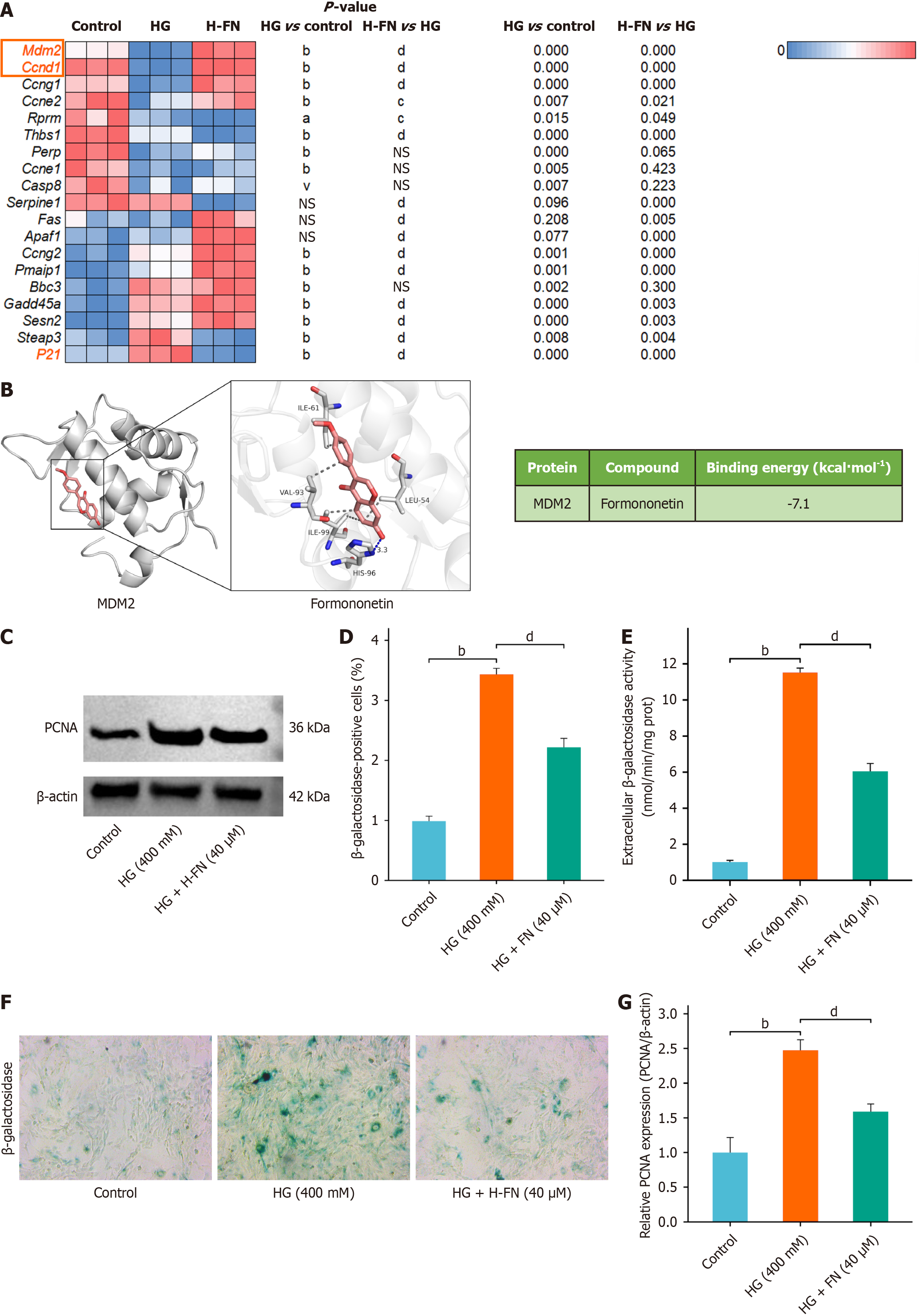
Figure 3 Formononetin intervention delays high glucose-induced senescence in MPC-5 cells.
A: Heatmap of genes related to the p53 signaling pathway showing that formononetin (FN) intervention upregulates MDM2 and CCND1 expression and downregulates p21 expression; B: The molecular docking results of FN and MDM2; C: Western blot bands of proliferating cell nuclear antigen; D and E: Cell staining and cell supernatant β-galactosidase (β-GAL) activity assay demonstrating that FN intervention significantly reduces β-GAL activity in MPC-5 cells; F: Β-GAL indicator cell staining photography (100 ×); G: Western blot analysis revealing that FN intervention significantly decreases proliferating cell nuclear antigen protein levels. n = 3 per group. aP < 0.05 vs control groups; bP < 0.01 vs control groups; cP < 0.05 vs high glucose groups; dP < 0.01 vs high glucose groups. NS: Not significant; FN: Formononetin; HG: High glucose; H-FN: High dose of formononetin; PCNA: Proliferating cell nuclear antigen.
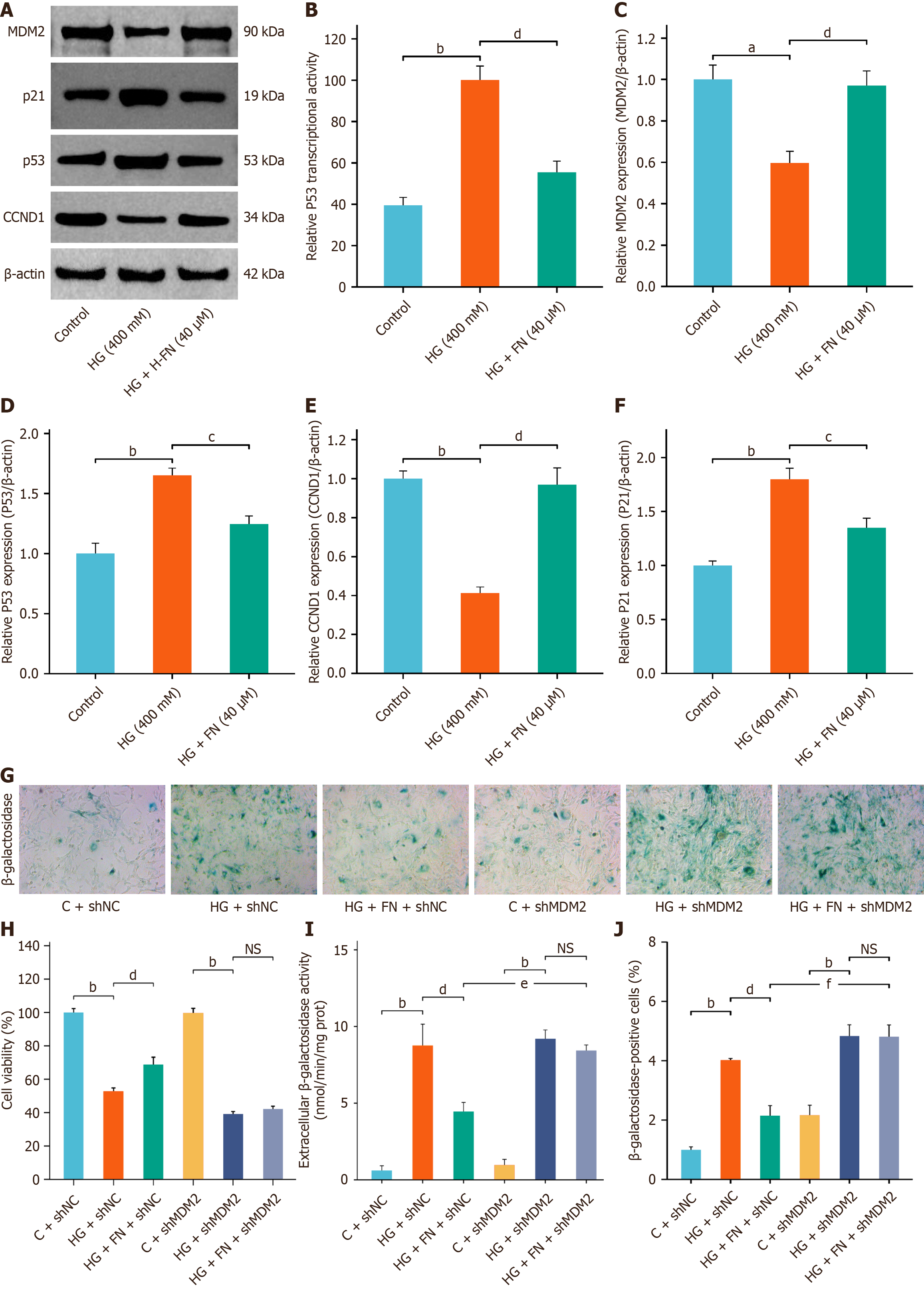
Figure 4 Formononetin intervention delays senescence of MPC-5 cells via p53 signaling pathway.
A: Western blot bands of p53 signaling pathway; B: Dual-luciferase reporter gene assay demonstrating that formononetin (FN) intervention significantly reduces p53 transcriptional activity; C-F: Western blot analysis reveals that FN intervention significantly increases MDM2 and CCND1 protein levels and decreases p53 and p21 protein levels; G: Β-galactosidase (β-GAL) indicator cell staining photography (100 ×); H: 3-(4,5-dimethyl-2-thiazolyl)-2,5-diphenyl-2H-tetrazolium bromide assay showing that MDM2 silencing weakens the protective effects of FN on high glucose-induced MPC-5 cell viability; I and J: Cell staining and cell supernatant β-GAL activity assay showing that MDM2 silencing eliminates the reduction in β-GAL activity induced by FN. n = 3 per group. aP < 0.05 vs control groups; bP < 0.01 vs control groups; cP < 0.05 vs high glucose groups; dP < 0.01 vs high glucose groups. NS: Not significant; FN: Formononetin; HG: High glucose; H-FN: High dose of formononetin; C: Control; shNC: Short hairpin negative control; shMDM2: Short hairpin RNA targeting MDM2.
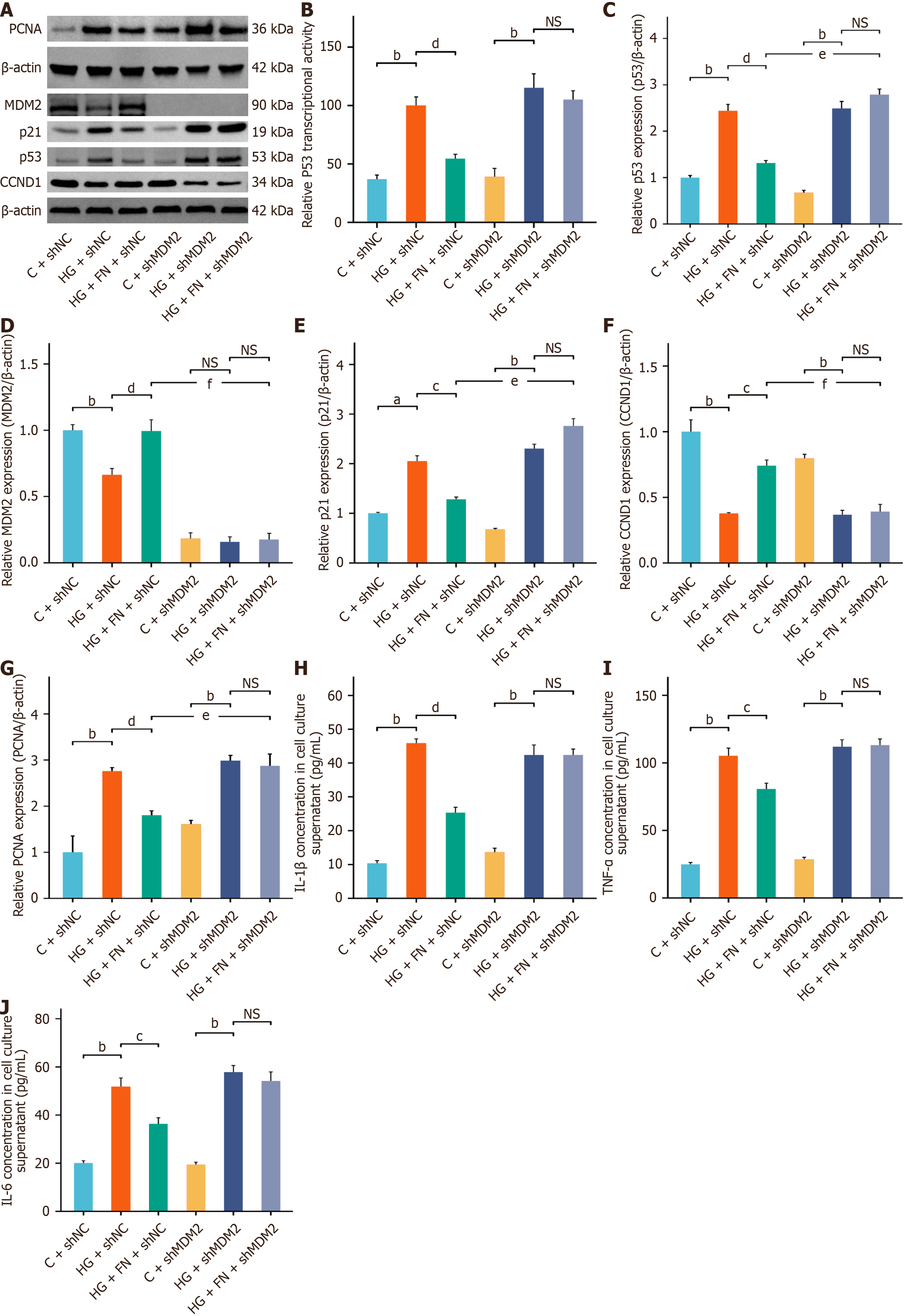
Figure 5 MDM2 silencing attenuates anti-senescence effects of formononetin.
We silenced the MDM2 gene in MPC-5 cells to investigate whether formononetin (FN) exerts its anti-senescence effects through MDM2 (n = 3 per group). A: Western blot bands of p53 signaling pathway; B: Dual-luciferase reporter gene assay demonstrating that MDM2 silencing attenuates inhibitory effects of FN on p53 transcriptional activity; C-G: Western blot analysis showing that MDM2 silencing abolishes regulatory effects of FN on MDM2, p53, p21, proliferating cell nuclear antigen and CCND1 protein expression; H-J: Silencing MDM2 abolishes inhibitory effects of FN on interleukin-1β, interleukin-6, and tumor necrosis factor α levels in the culture supernatant of high glucose-exposed MPC-5 cells. aP < 0.05 vs control groups; bP < 0.01 vs control groups; cP < 0.05 vs high glucose groups; dP < 0.01 vs high glucose groups; eP < 0.05 vs short hairpin RNA targeting MDM2 group; fP < 0.01 vs short hairpin RNA targeting MDM2 groups. NS: Not significant; FN: Formononetin; HG: High glucose; C: Control; shNC: Short hairpin negative control; shMDM2: Short hairpin RNA targeting MDM2; PCNA: Proliferating cell nuclear antigen; IL-1β: Interleukin-1β; IL-6: Interleukin-6; TNF-α: Tumor necrosis factor α.
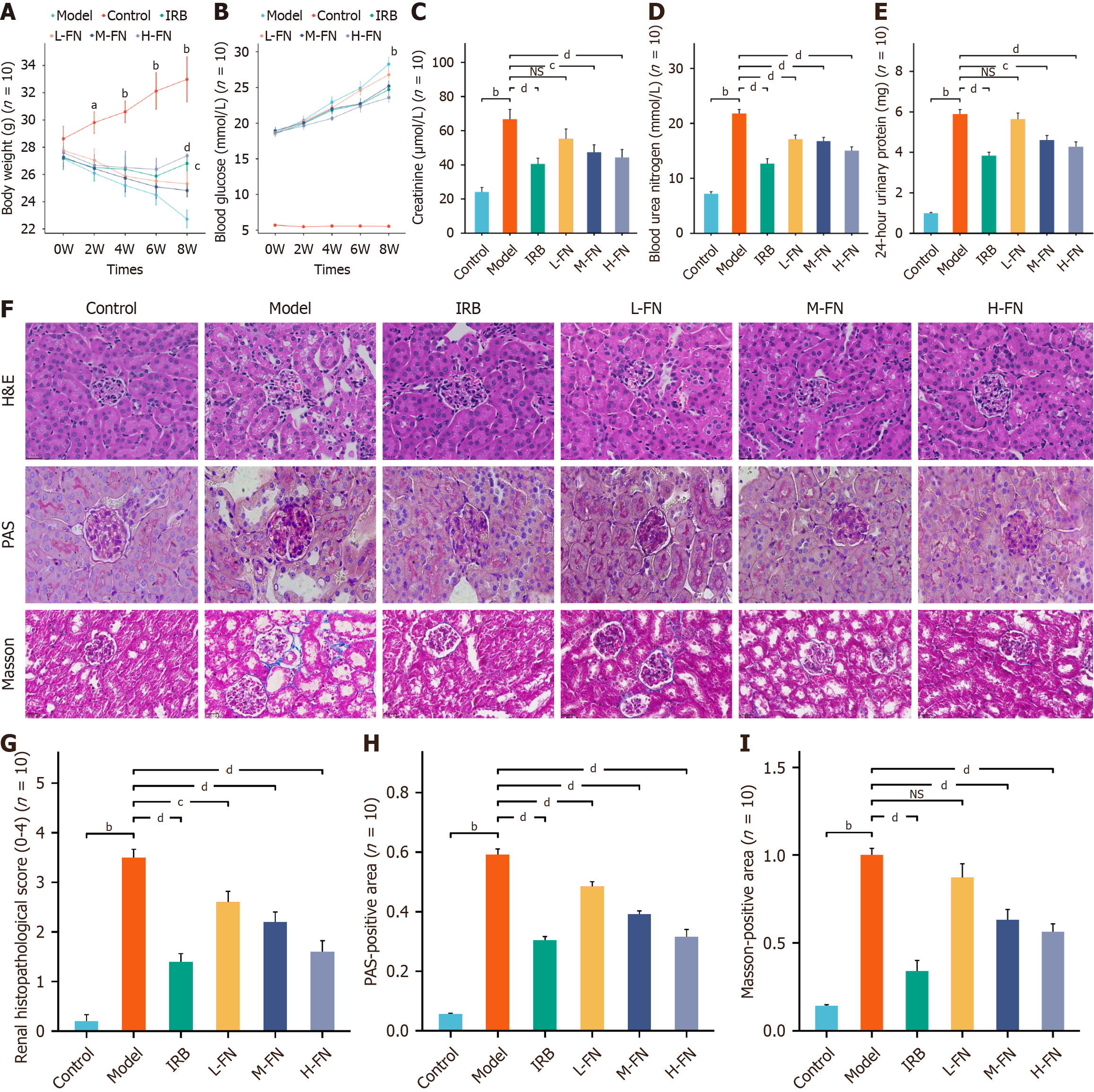
Figure 6 Formononetin intervention improves renal function and pathology in diabetic kidney disease mice.
We established a diabetic kidney disease (DKD) mouse model and evaluated the therapeutic effects of formononetin (FN) in vivo (n = 10 per group). A: FN intervention restores body weight in DKD mice; B: FN intervention slightly reduces fasting blood glucose levels in DKD mice; C-E: FN intervention decreases serum creatinine, blood urea nitrogen, and 24-hour urine total protein levels in DKD mice; F: Hematoxylin and eosin stain, periodic acid-Schiff stain and MASSON stain result; G: FN intervention reduces renal injury scores in DKD mice (bars = 25 μm); H: FN intervention reduces extracellular matrix deposition in DKD mice (bars = 25 μm); I: FN intervention reduces renal fibrosis indicators in DKD mice (bars = 25 μm). aP < 0.05 vs control groups; bP < 0.01 vs control groups; cP < 0.05 vs high glucose groups; dP < 0.01 vs high glucose groups. NS: Not significant; IRB: Irbesartan; L-FN: Low dose of formononetin; M-FN: Medium dose of formononetin; H-FN: High dose of formononetin; H&E: Hematoxylin and eosin; PAS: Periodic acid-Schiff.
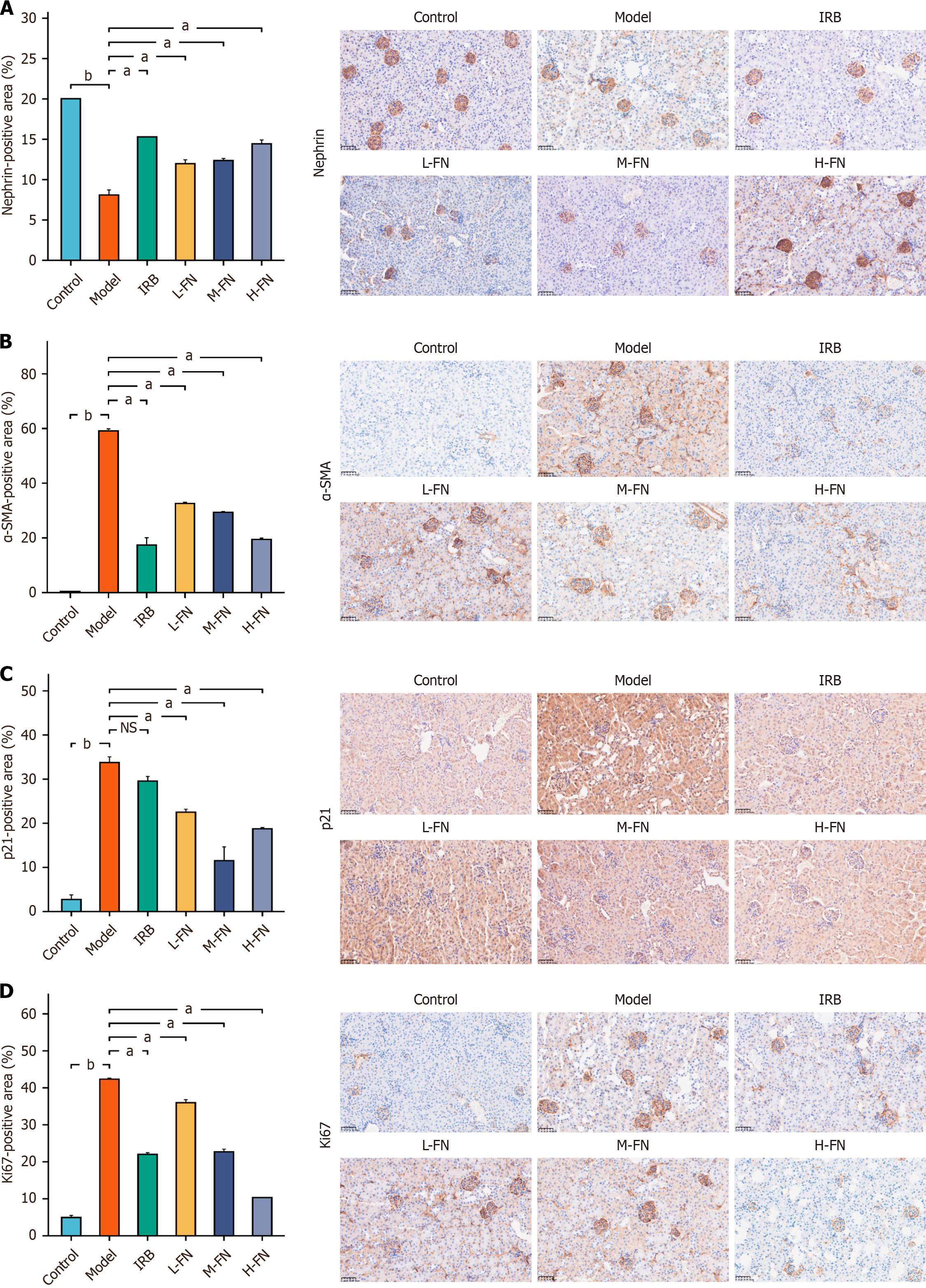
Figure 7 Formononetin intervention ameliorates podocyte injury and cellular senescence in diabetic kidney disease mice.
A: Immunofluorescence staining of podocyte-specific markers (nephrin, podocin, and CD2AP; bars = 50 μm); B: Immunofluorescence staining of fibrosis markers (α-smooth muscle actin; bars = 50 μm); C: Immunofluorescence staining of aging markers (p21; bars = 50 μm); D: Immunofluorescence staining of cellular proliferation dynamics markers (Ki67; bars = 50 μm). n = 4 per group. aP < 0.05 vs control groups; bP < 0.01 vs high glucose groups. NS: Not significant; IRB: Irbesartan; L-FN: Low dose of formononetin; M-FN: Medium dose of formononetin; H-FN: High dose of formononetin; α-SMA: Α-smooth muscle actin.
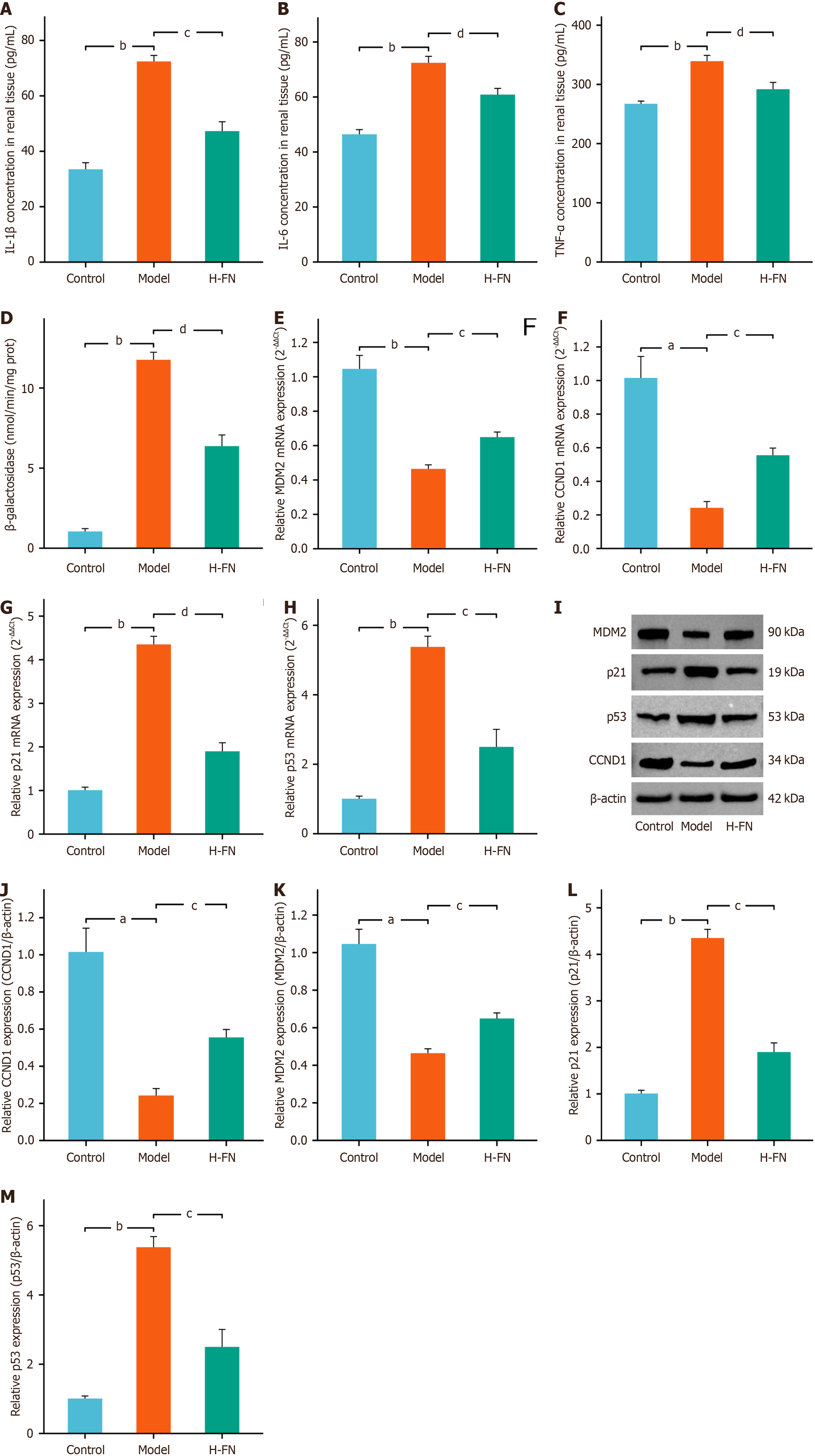
Figure 8 Formononetin exhibits anti-senescence effects in diabetic kidney disease mice.
A-C: Formononetin (FN) intervention significantly reduces levels of interleukin-1β, interleukin-6, and tumor necrosis factor α in renal tissues of diabetic kidney disease mice; D: FN intervention significantly decreases β-galactosidase activity in renal tissues; E-H: FN intervention significantly upregulates MDM2 and CCND1 gene expression and downregulates p53 and p21 gene expression; I: Western blot bands of p53 signaling pathway; J-M: FN intervention significantly increases MDM2 and CCND1 protein levels and decreases p53 and p21 protein levels. n = 10 for A-D, n = 3 for F. aP < 0.05 vs control groups; bP < 0.01 vs control groups; cP < 0.05 vs high glucose groups; dP < 0.01 vs high glucose groups. H-FN: High dose of formononetin; IL-1β: Interleukin-1β; IL-6: Interleukin-6; TNF-α: Tumor necrosis factor α.
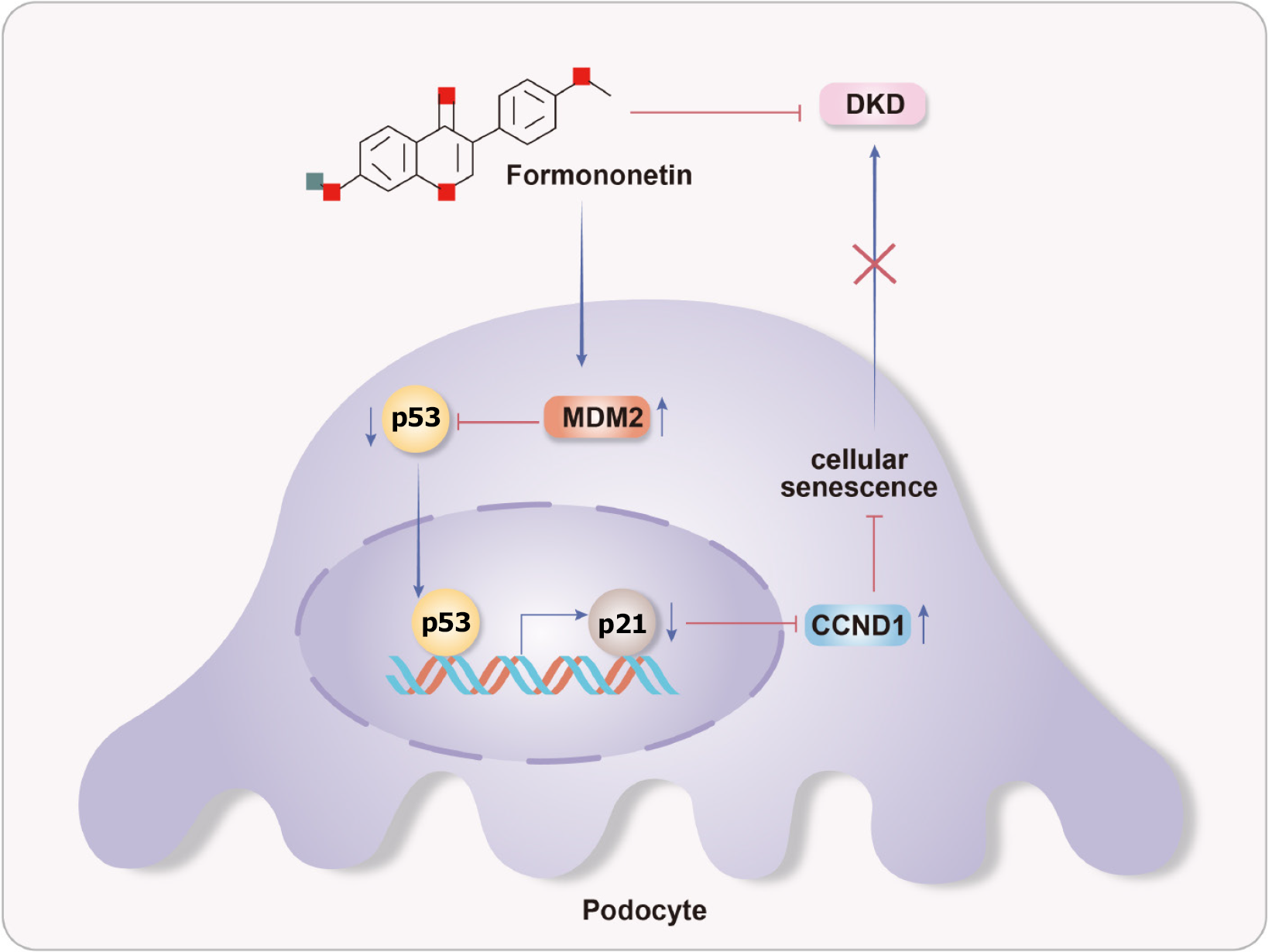
Figure 9 Formononetin delays cellular senescence in diabetic kidney disease by inhibiting hyperactivation of the p53 signaling pathway.
DKD: Diabetic kidney disease.
- Citation: Ji Y, Liu RX, He PY, Zhou YM, Li YC, Guo J, Nie B, Liu YN, Liu WJ. Formononetin inhibits p53 signaling pathway activation to delay cellular senescence and ameliorates diabetic kidney disease. World J Diabetes 2026; 17(2): 112500
- URL: https://www.wjgnet.com/1948-9358/full/v17/i2/112500.htm
- DOI: https://dx.doi.org/10.4239/wjd.v17.i2.112500