
















©The Author(s) 2026.
World J Diabetes. Jan 15, 2026; 17(1): 111847
Published online Jan 15, 2026. doi: 10.4239/wjd.v17.i1.111847
Published online Jan 15, 2026. doi: 10.4239/wjd.v17.i1.111847
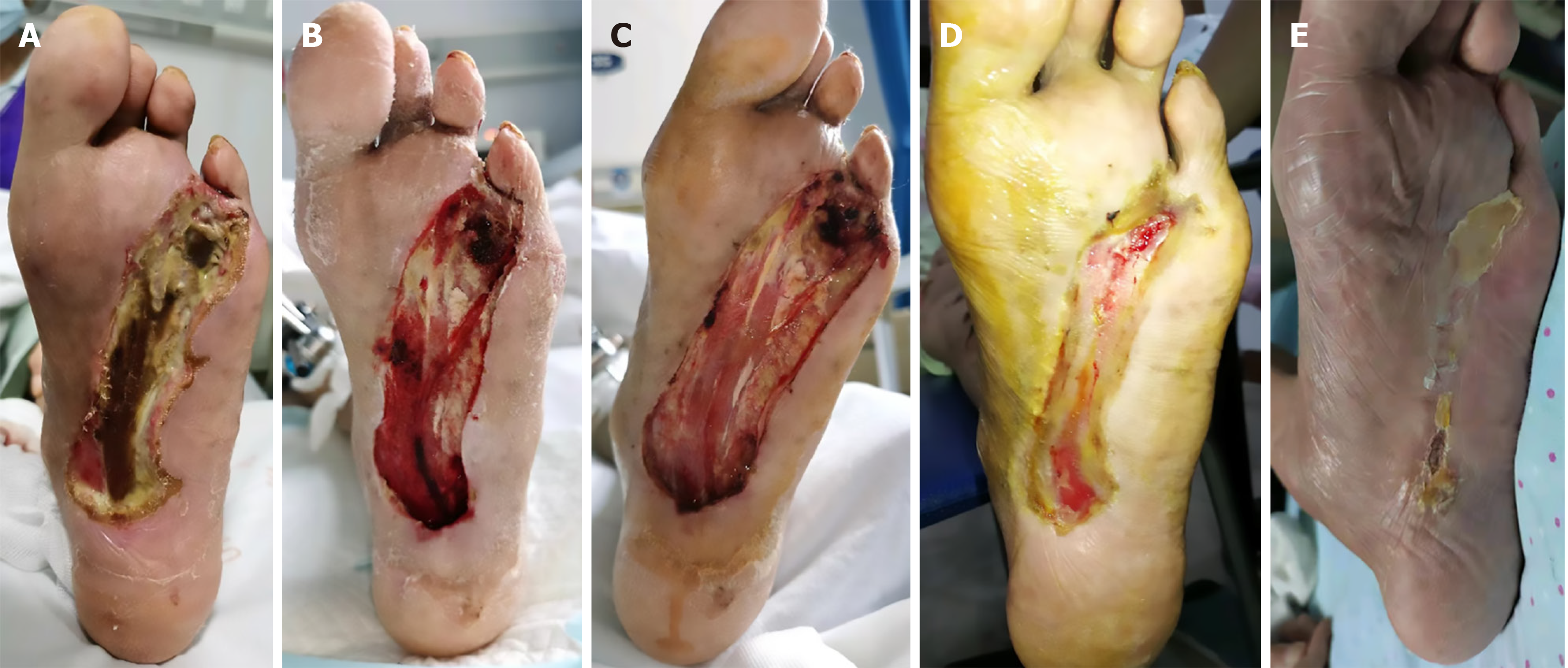
Figure 1 An elderly female patient with left diabetic foot of Wagner’s grade 2 underwent transverse tibial bone transport of the affected limb + ulcer debridement + vacuum sealing drainage.
A: Preoperative wound; B: The vacuum drainage device was removed one week after the operation, and transverse tibial bone transport was initiated; C: Fresh granulation was formed on the wound surface one week after the transport; D: Four weeks after the transport, the wound surface significantly contracted, and the bone transport device was removed; E: The wound healed completely 20 weeks after bone transport. The clinical images have obtained the patient's informed consent and have been anonymized.
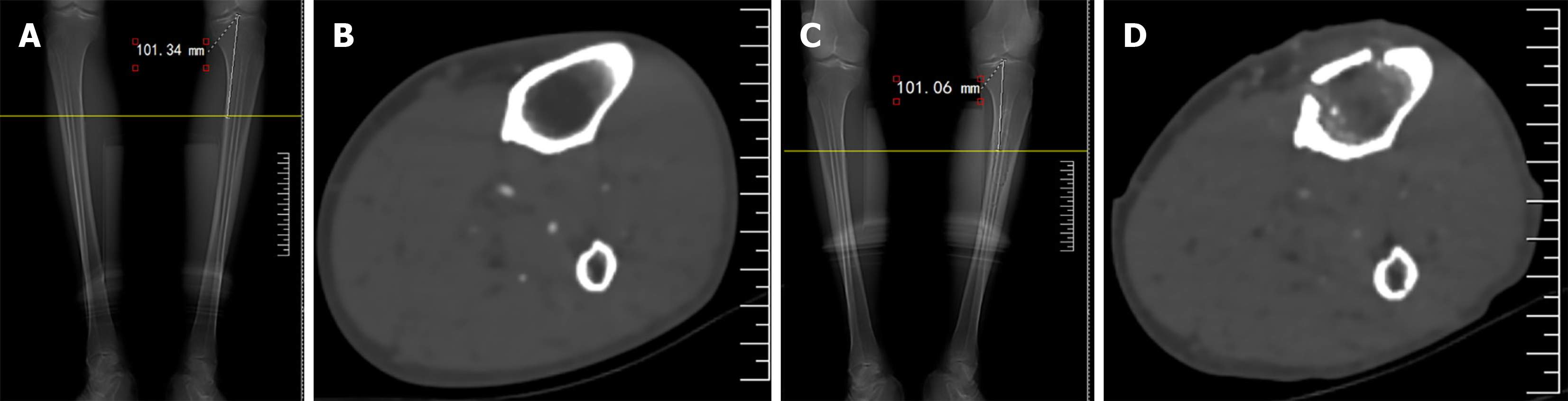
Figure 2 An elderly male patient with left diabetic foot (Wagner’s grade 4) underwent transverse tibial bone transport.
A: Computed tomography (CT) examination demonstrated a large quantity of new bone in the medullary cavity corresponding to the bone transport block one month after the operation; B: A large quantity of new bone in the medullary cavity 1 month after the operation; C: CT examination showed leg bone morphology; D: There was scarce bone in the corresponding part of the medullary cavity before the operation.
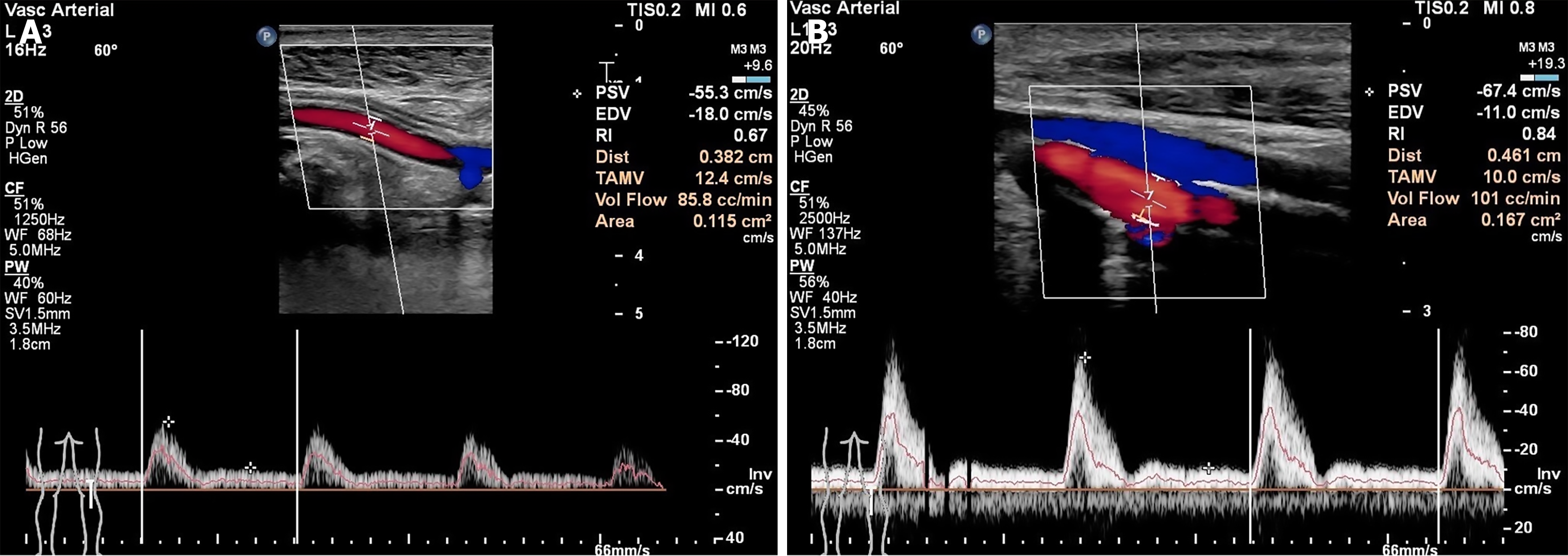
Figure 3 A patient, an elderly male with a left-sided Wagner grade 4 diabetic foot, underwent transverse tibial bone transport.
A: Popliteal arterial blood flow before the operation; B: B-ultrasound indicated a marked elevation in popliteal arterial blood flow one month after the operation. A linear array probe (frequency: 5.0-12 MHz) was employed during examination.
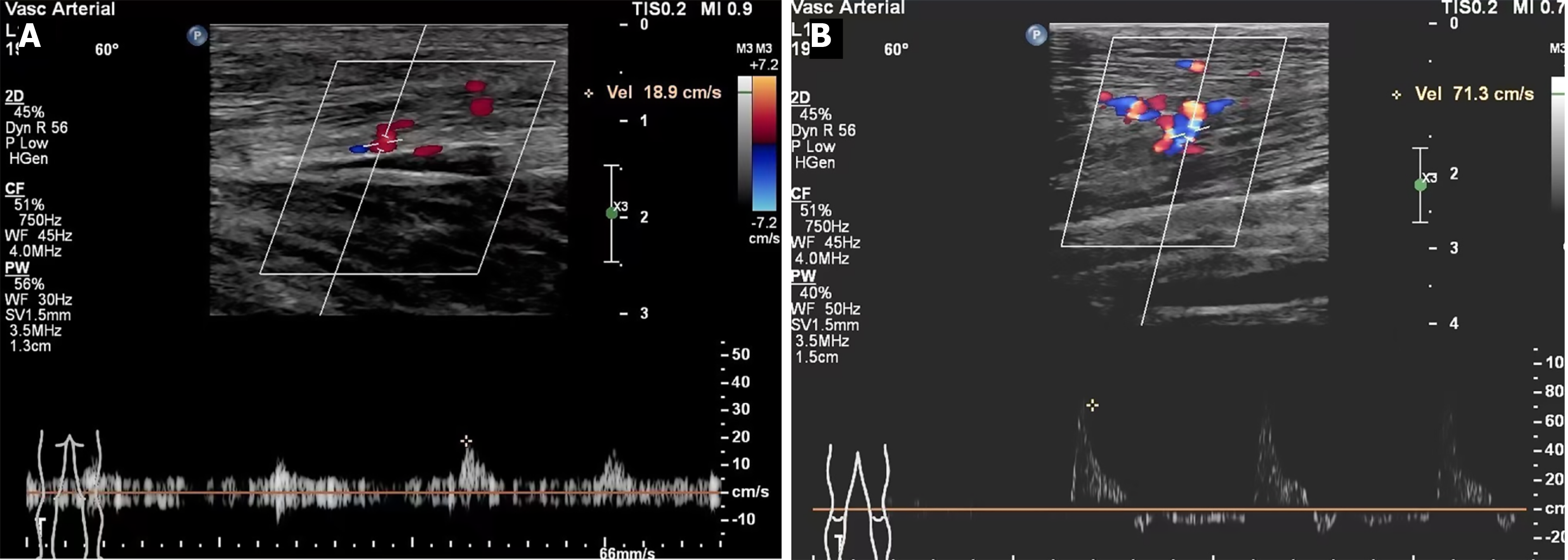
Figure 4 An elderly male patient with left Wagner grade 4 diabetic foot received transverse tibial bone transport.
A: The number of lower leg collateral vessels and blood flow velocity before the operation; B: B-ultrasound examination using a linear array probe (frequency: 5.0-12 MHz) showed a pronounced rise in both the number of lower leg collateral vessels and blood flow velocity 1 month after the operation.
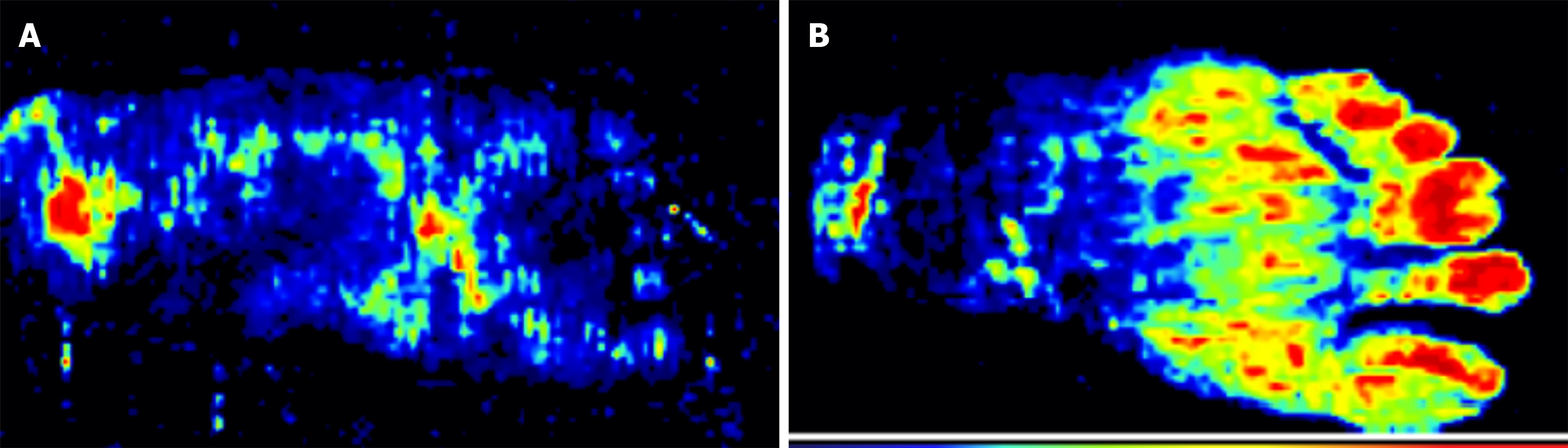
Figure 5 An elderly male patient with left-sided Wagner’s grade 4 diabetic foot received transverse tibial bone transport.
A: Preoperative assessment revealed sparse blood flow signals and poor microcirculation in the plantar skin; B: One month post-surgery, the plantar blood flow signals were abundant and the microcirculation was significantly improved.
- Citation: Liao MM, Zhang F, Wang YK, Wang MW, Cao JR, Jin ZH, Ren YJ, Chen S. Transverse tibial bone transport promotes distraction osteogenesis and improves blood flow in the management of diabetic foot. World J Diabetes 2026; 17(1): 111847
- URL: https://www.wjgnet.com/1948-9358/full/v17/i1/111847.htm
- DOI: https://dx.doi.org/10.4239/wjd.v17.i1.111847