
















Copyright: ©Author(s) 2026.
World J Gastrointest Oncol. May 15, 2026; 18(5): 116776
Published online May 15, 2026. doi: 10.4251/wjgo.v18.i5.116776
Published online May 15, 2026. doi: 10.4251/wjgo.v18.i5.116776
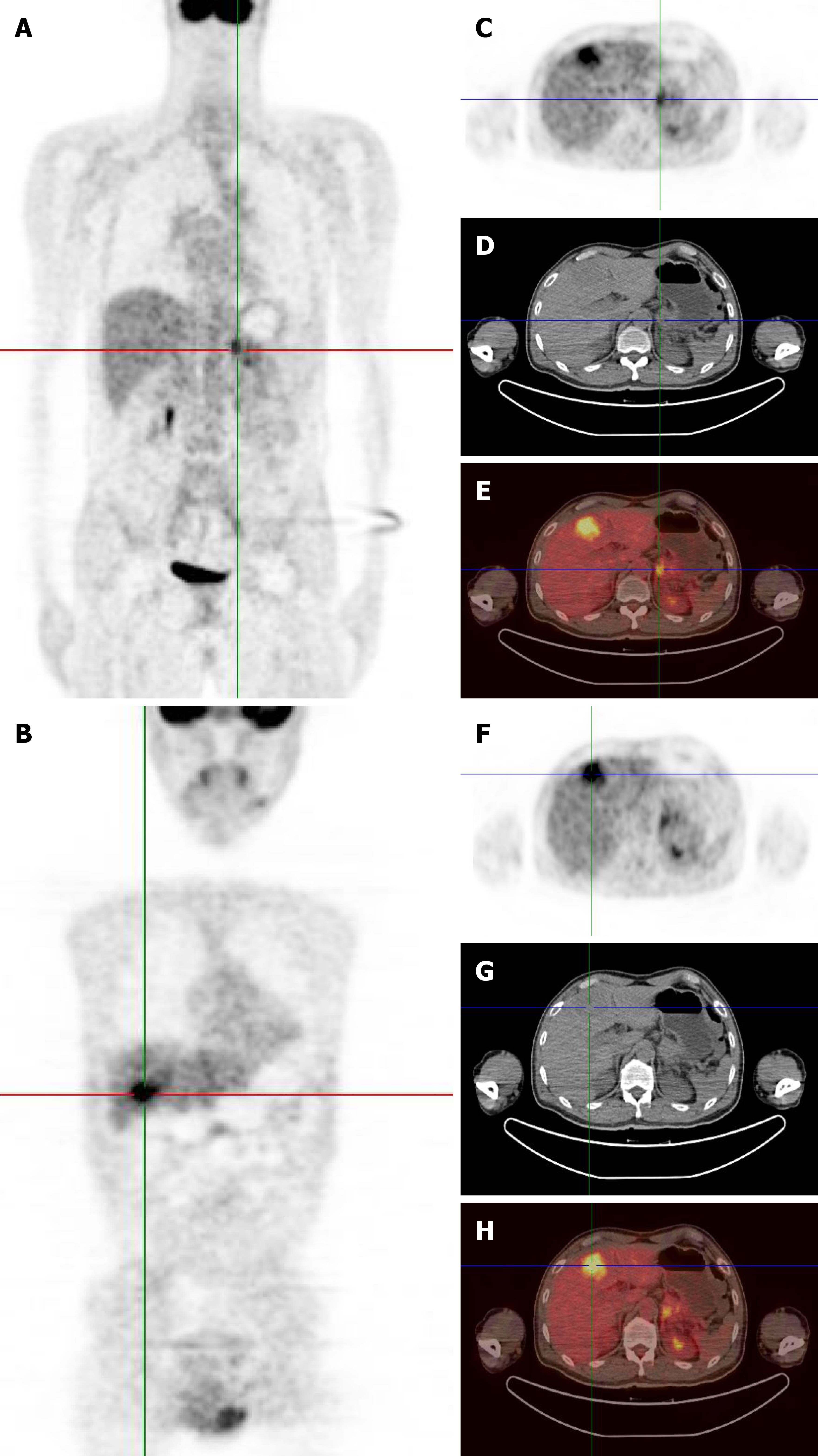
Figure 1 Preoperative 18F-fluorodeoxyglucose positron emission tomography/computed tomography imaging characteristics of the patient.
A: Preoperative 18F-fluorodeoxyglucose (18F-FDG) positron emission tomography/computed tomography (CT) maximum intensity projection images revealed intense uptake of 18F-FDG in the pancreatic body and tail (standardized uptake value maximum of 4.7); B: Preoperative 18F-FDG positron emission tomography/CT maximum intensity projection images revealed intense uptake of 18F-FDG in liver segment 4 (S4) (standardized uptake value maximum of 7.3); C: Positron emission tomography (PET) image showed a contrast-enhanced round mass of 4.4 cm × 3.4 cm in the pancreatic body and tail, encircling the splenic artery and vein; D: CT image showed a contrast-enhanced round mass of 4.4 cm × 3.4 cm in the pancreatic body and tail, encircling the splenic artery and vein; E: Fused PET/CT image showed a contrast-enhanced round mass of 4.4 cm × 3.4 cm in the pancreatic body and tail, encircling the splenic artery and vein; F: PET image revealed a liver metastasis of 4.7 cm × 4.2 cm in S4; G: CT image revealed a liver metastasis of 4.7 cm × 4.2 cm in S4; H: Fused PET/CT image revealed a liver metastasis of 4.7 cm × 4.2 cm in S4.
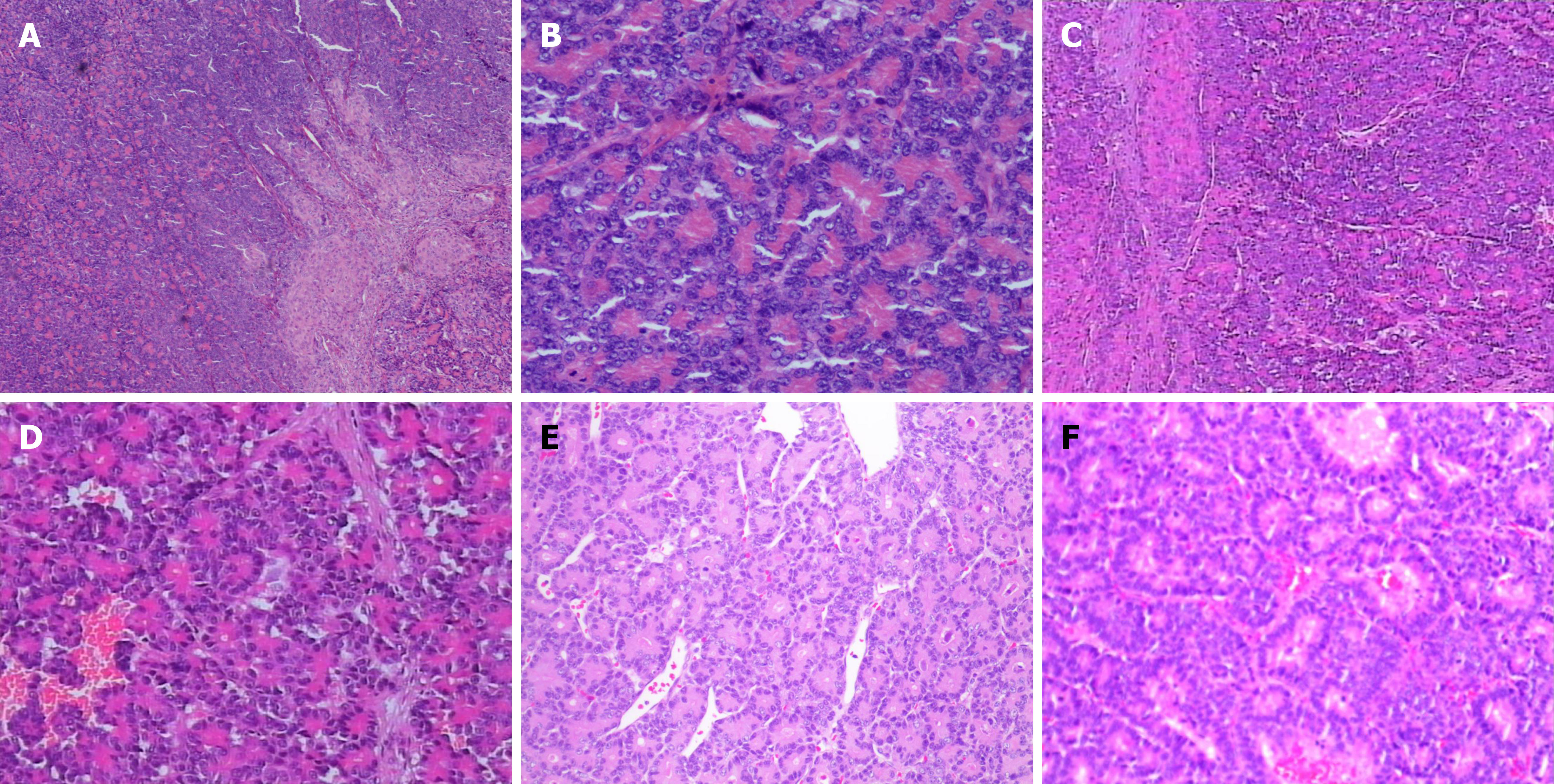
Figure 2 Postoperative pathology revealing atypia, moderately abundant pale cytoplasm, prominent nucleoli, and identifiable mitotic figures with trabecular cords or forming pseudo-glandular structures in tumor cells.
A: Postoperative pathology for the first surgery, low-power field; B: Postoperative pathology for the first surgery, high-power field; C: Postoperative pathology for the second surgery, low-power field; D: Postoperative pathology for the second surgery, high-power field; E: Postoperative pathology for the third surgery, low-power field; F: Postoperative pathology for the third surgery, high-power field.
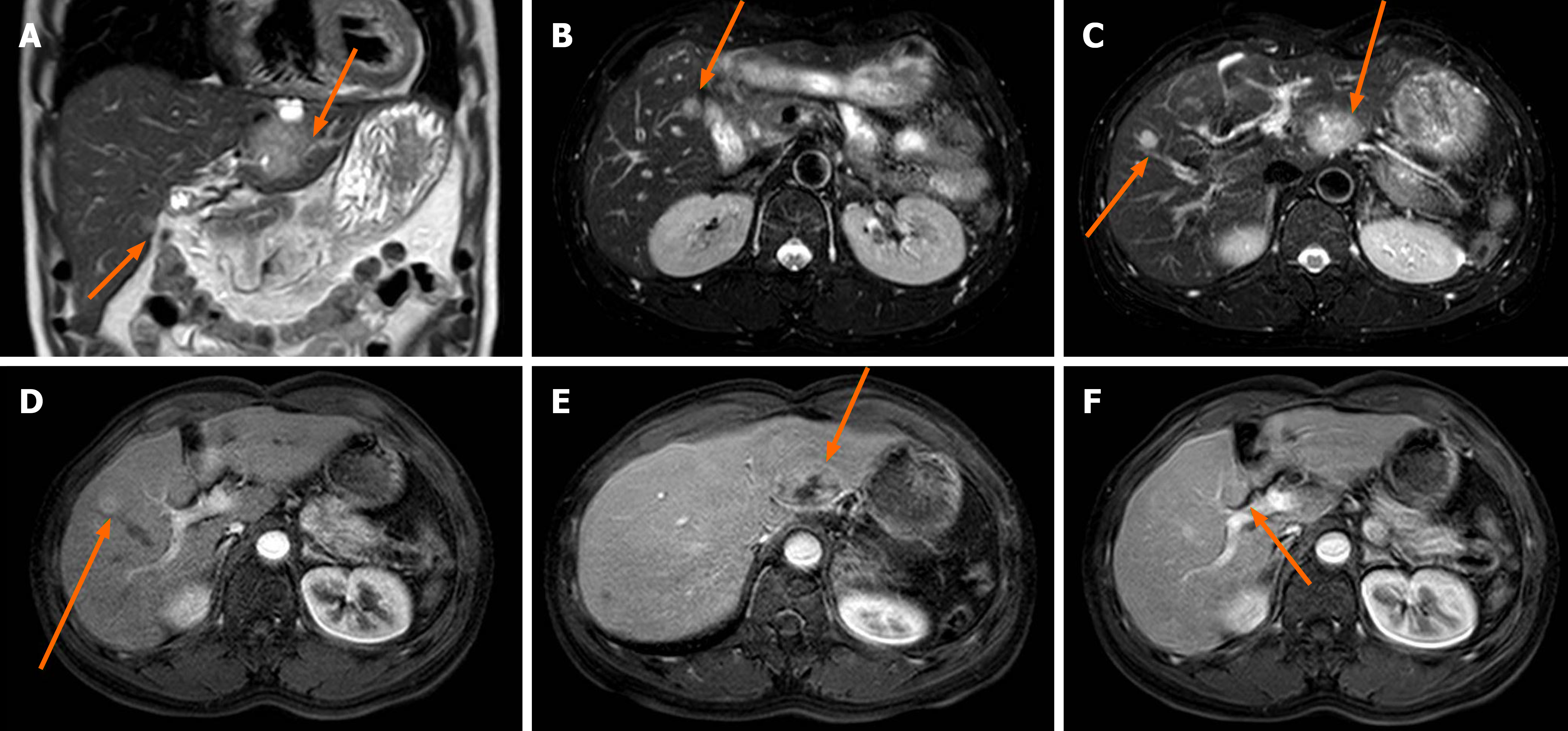
Figure 3 Abdominal magnetic resonance imaging findings at 10 months postoperatively.
A: Abdominal magnetic resonance imaging (MRI) revealed suspected tumor recurrence in liver segment 2/3 (S2/3) and segment 5 (S5), with diameters of 4.3 and 1.2 cm on coronal images, respectively; B: Abdominal MRI revealed suspected tumor recurrence in liver S5 with a diameter of 1.2 cm; C: Abdominal MRI revealed suspected tumor recurrence in liver S2/3 and S5, with diameters of 4.3 and 1.2 cm on axial images, respectively; D: Abdominal MRI revealed suspected tumor recurrence in liver segment 8, with a diameter of 1.2 cm; E: Abdominal MRI revealed suspected tumor recurrence in liver S2/3, with a diameter of 4.3 cm; F: Abdominal MRI revealed suspected tumor recurrence in liver segment 8, with a diameter of 1.2 cm. The orange arrows point to the liver lesions.
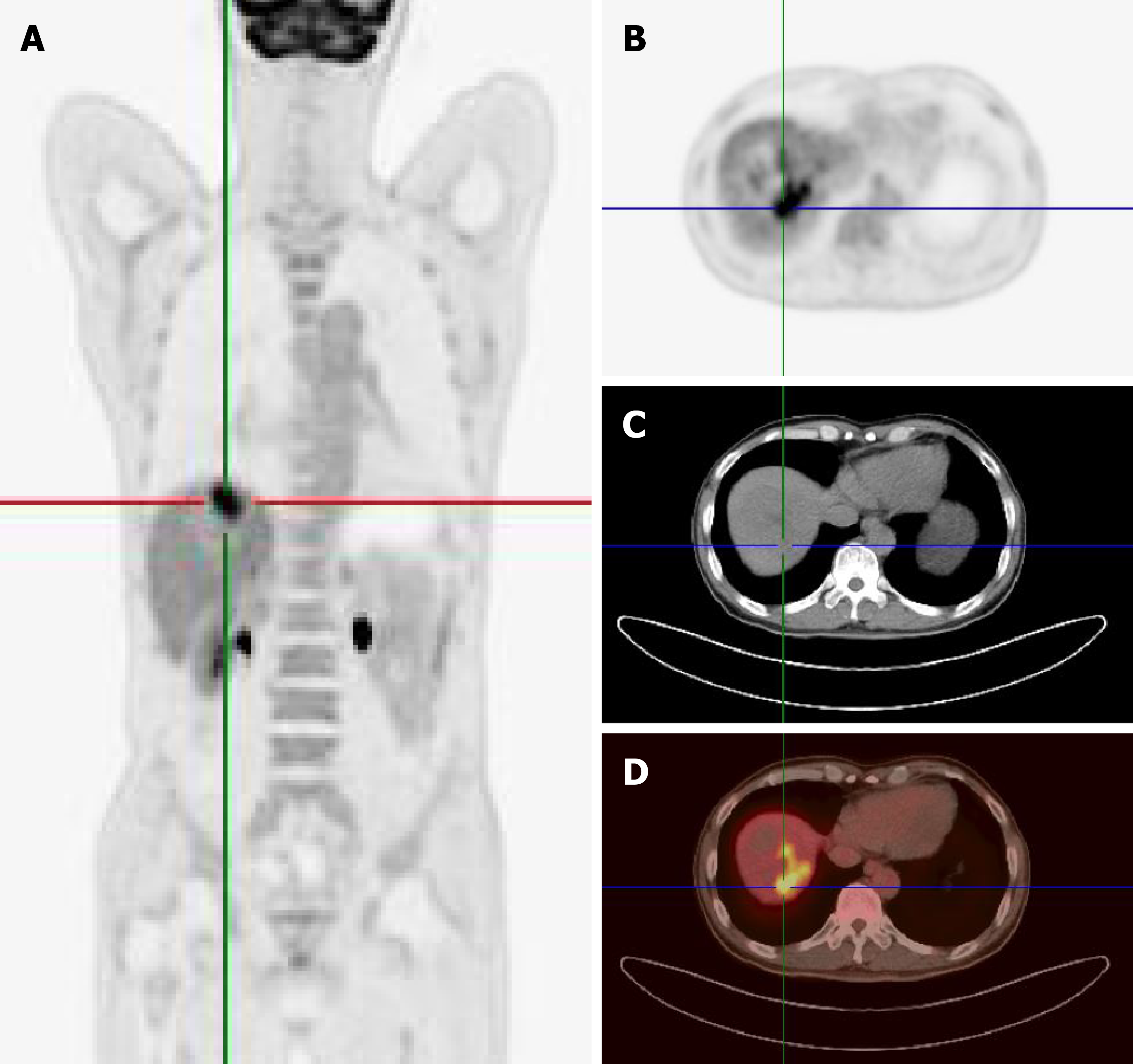
Figure 4 The 18F-fluorodeoxyglucose positron emission tomography/computed tomography imaging characteristics of the patient at 73 months postoperatively.
A: 18F-fluorodeoxyglucose positron emission tomography/computed tomography (CT) for staging showed uptake of 18F-fluorodeoxyglucose, with standardized uptake value maximum of 8.4 in the liver and no discernible avid lesions elsewhere; B: Positron emission tomography image confirmed a 6.9 cm × 7.8 cm round mass in liver segment 7/8 (S7/8); C: CT image confirmed a 6.9 cm × 7.8 cm round mass in liver S7/8; D: Fused positron emission tomography/CT image confirmed a 6.9 cm × 7.8 cm round mass in liver S7/8.
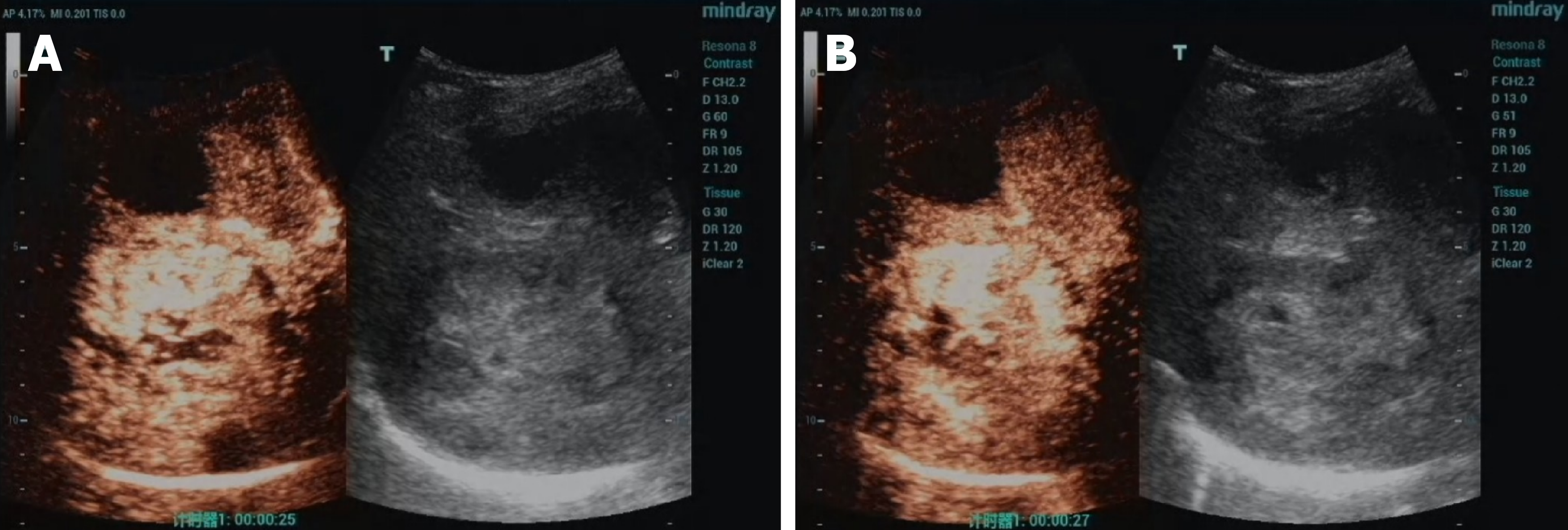
Figure 5 Contrast-enhanced ultrasound of the second liver recurrence.
A: Slightly hyperechoic mass in the right hepatic lobe demonstrated heterogeneous hyperenhancement in the arterial phase; B: Washout began in the portal phase.
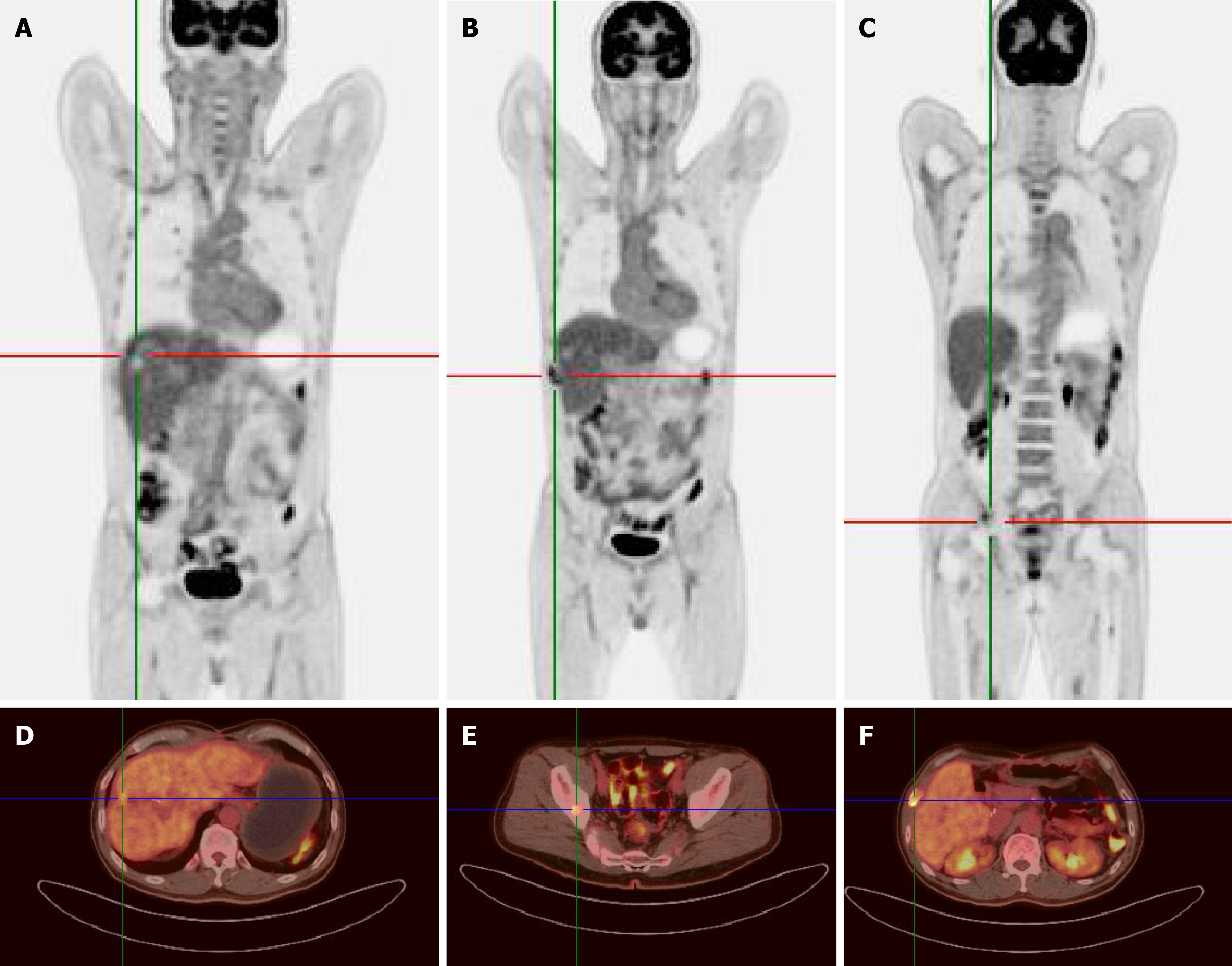
Figure 6 The 18F-fluorodeoxyglucose positron emission tomography/computed tomography imaging characteristics of the patient at 87 months after operation.
A: Maximum intensity projection (MIP) showed uptake of 18F-fluorodeoxyglucose (18F-FDG) in the liver; B: MIP showed uptake of 18F-FDG in the rib; C: MIP showed uptake of 18F-FDG in the ilium; D: Fused positron emission tomography (PET)/computed tomography (CT) image demonstrated hepatic metastasis; E: Fused PET/CT image demonstrated metastasis in the right ilium; F: Fused PET/CT image demonstrated metastasis in the right ninth rib.
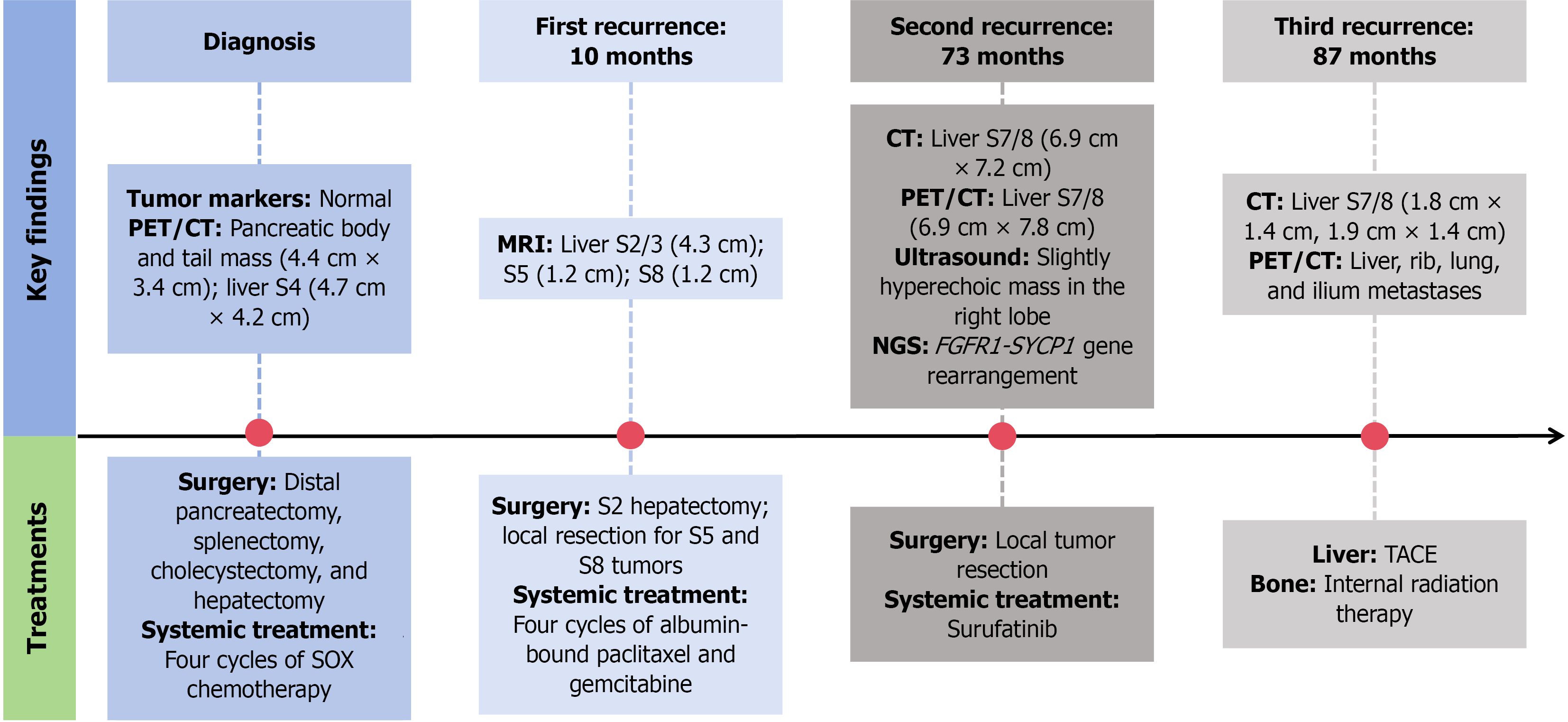
Figure 7 Treatment flowchart for the whole follow-up period.
CT: Computed tomography; FGFR1-SYCP1: Fibroblast growth factor receptor 1-synap
- Citation: Tang SG, Wei XL, Ye RJ, Xu HQ, Shang SH, Han YX, Wu LW, Xia WZ. Successful seven-year management of recurrent adult pancreatoblastoma with liver metastasis: A case report. World J Gastrointest Oncol 2026; 18(5): 116776
- URL: https://www.wjgnet.com/1948-5204/full/v18/i5/116776.htm
- DOI: https://dx.doi.org/10.4251/wjgo.v18.i5.116776