
















Copyright: ©Author(s) 2026.
World J Gastrointest Oncol. May 15, 2026; 18(5): 116764
Published online May 15, 2026. doi: 10.4251/wjgo.v18.i5.116764
Published online May 15, 2026. doi: 10.4251/wjgo.v18.i5.116764
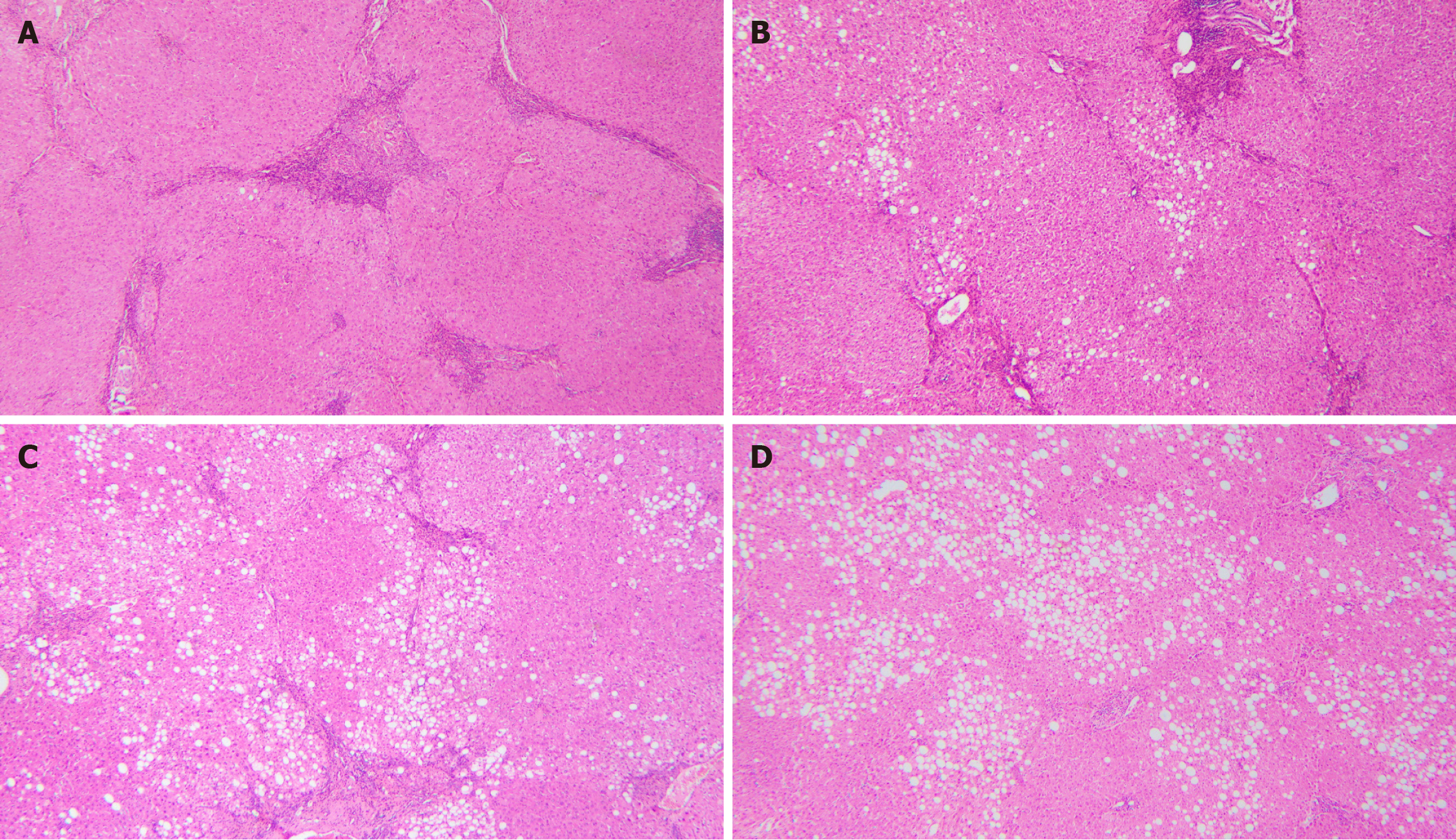
Figure 1 Histopathological images of different degree of hepatic steatosis of the normal liver tissue in combined hepatocellular-cholangiocarcinoma patients (40 × magnification).
A: Grade 0, negligible; B: Grade 1, negligible; C: Grade 2, severe; D: Grade 3, severe.
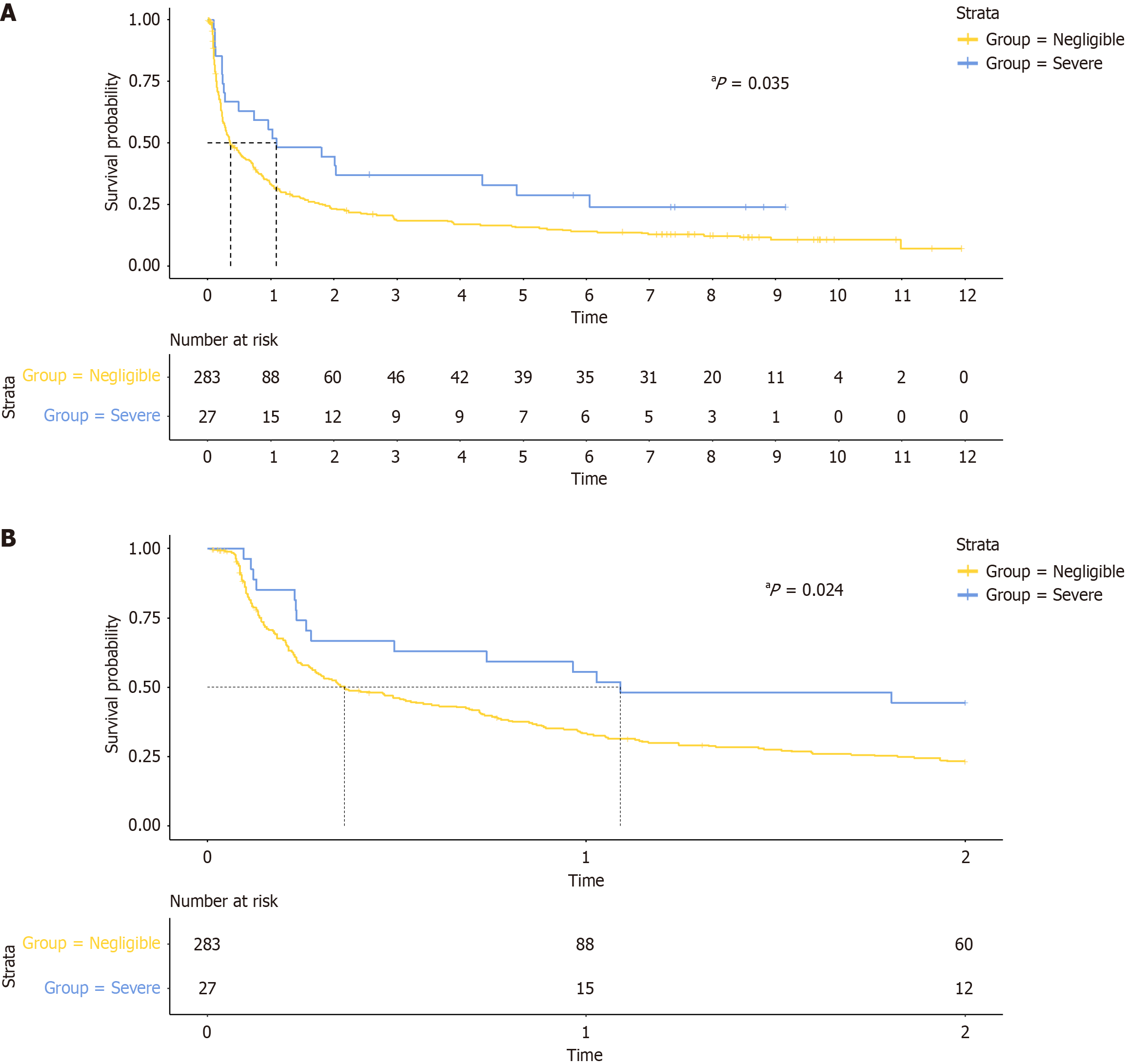
Figure 2 Impact of the two-level degree of hepatic steatosis on the prognosis of combined hepatocellular-cholangiocarcinoma.
aP < 0.05: Data with statistical significance. A: Recurrence-free survival; B: Early recurrence-free survival.
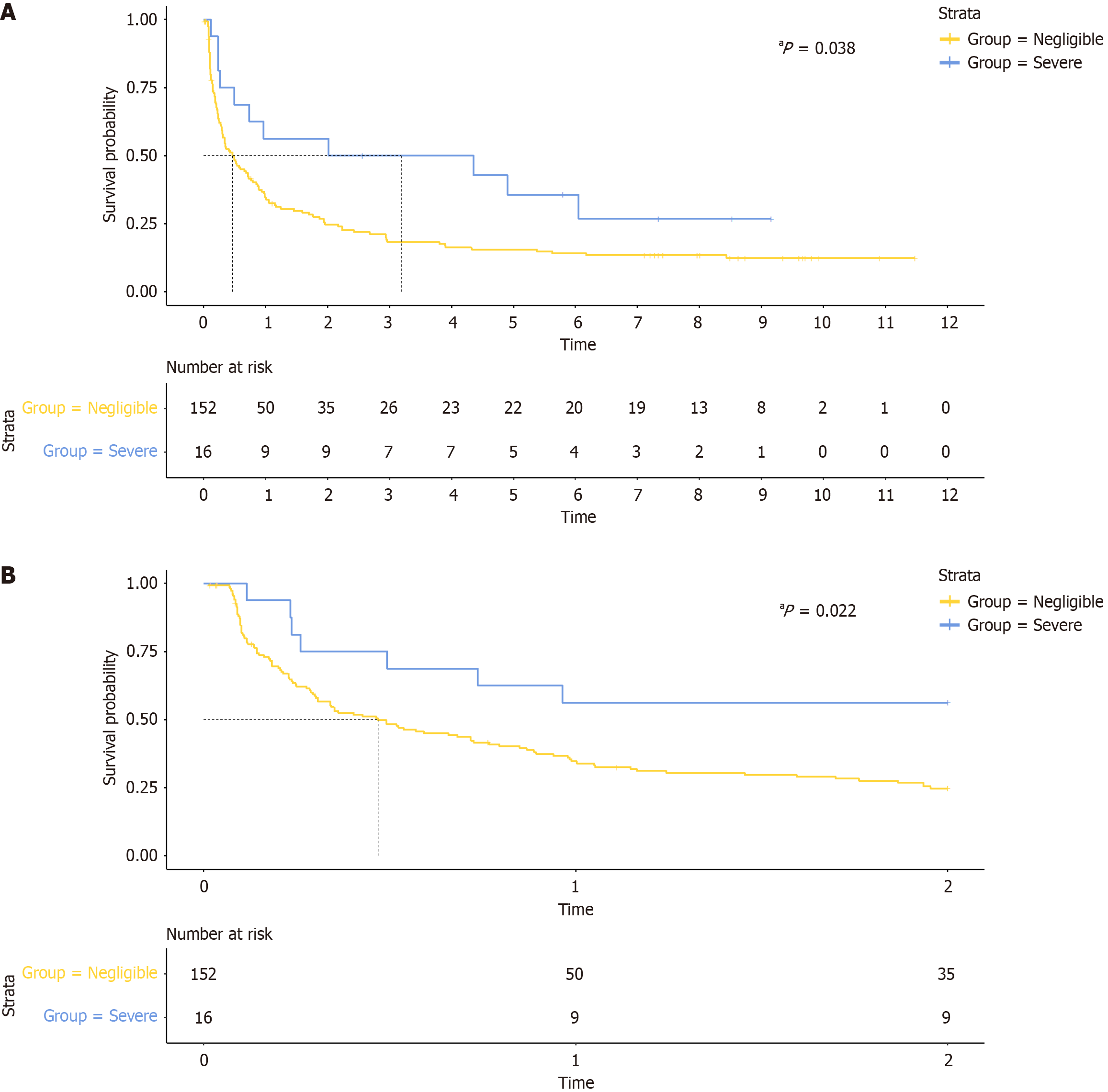
Figure 3 Impact of the degree of hepatic steatosis on the prognosis of combined hepatocellular-cholangiocarcinoma patients without liver cirrhosis.
aP < 0.05: Data with statistical significance. A: Recurrence-free survival; B: Early recurrence-free survival.
- Citation: Wang H, Cao ZY, Xia CY, Sheng X, Zhao Y, Chen HZ, Cong WM, He MX, Dong H. Severe hepatic steatosis as a protective prognostic factor in combined hepatocellular-cholangiocarcinoma: A multicenter pathological study. World J Gastrointest Oncol 2026; 18(5): 116764
- URL: https://www.wjgnet.com/1948-5204/full/v18/i5/116764.htm
- DOI: https://dx.doi.org/10.4251/wjgo.v18.i5.116764