
















Copyright: ©Author(s) 2026.
World J Gastrointest Oncol. Apr 15, 2026; 18(4): 117815
Published online Apr 15, 2026. doi: 10.4251/wjgo.v18.i4.117815
Published online Apr 15, 2026. doi: 10.4251/wjgo.v18.i4.117815
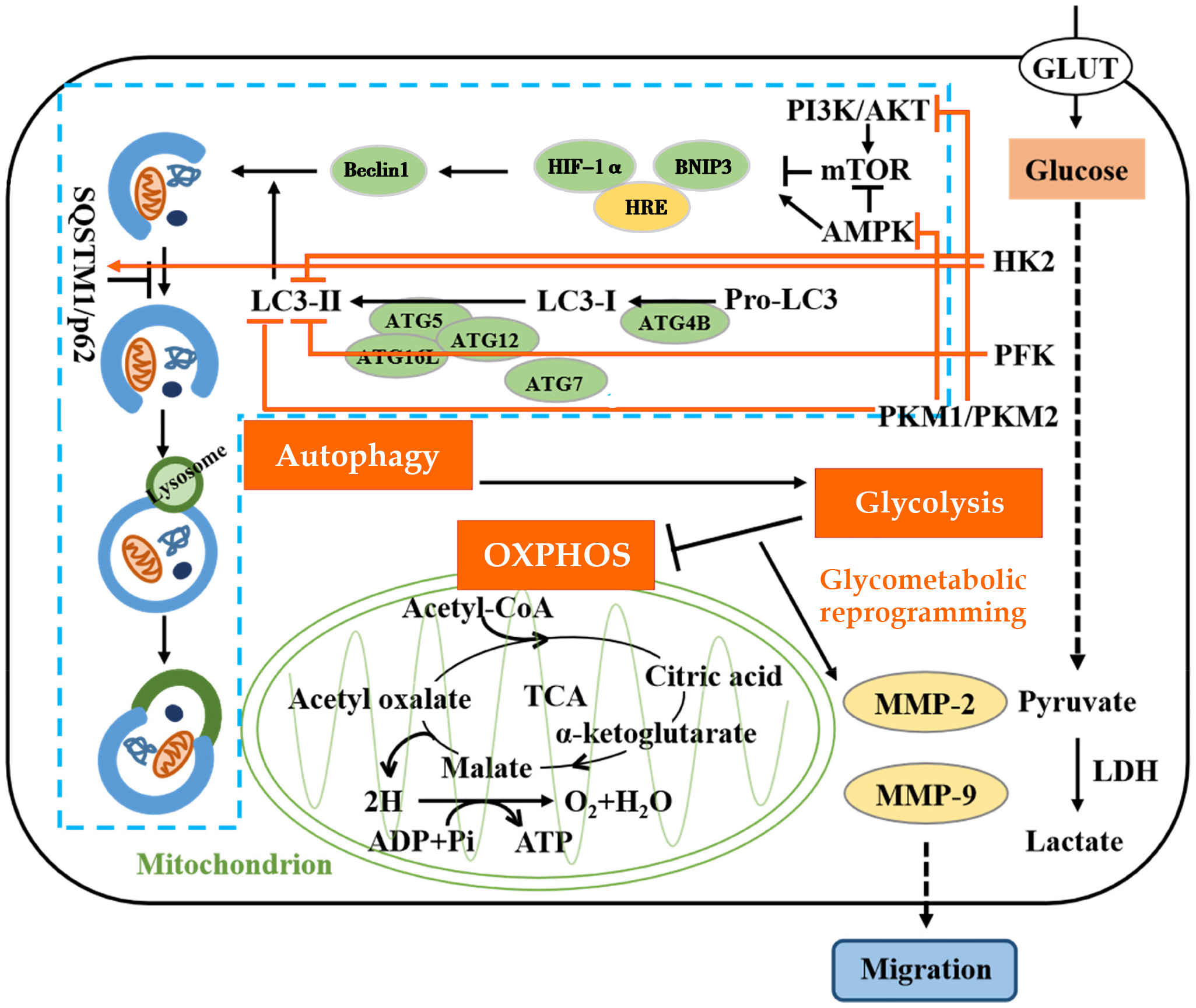
Figure 1 Crosstalk between mitophagy and glycolytic reprogramming mediated by the hypoxia-inducible factor 1-alpha/BCL2/adenovirus E1B 19 kDa interacting protein 3 signaling pathway.
AKT: Protein kinase B; ATP: Adenosine triphosphate; BNIP3: BCL2/adenovirus E1B 19 kDa interacting protein 3; GLUT: Glucose transporter; HK2: Hexokinase 2; HIF-1α: Hypoxia-inducible factor 1-alpha; HRE: Hypoxia responsive element; LC3: Light chain 3; LDH: Lactate dehydrogenase; MAPK: Mitogen-activated protein kinase; MMP: Matrix metalloprotease; mTOR: Mechanistic target of rapamycin; P62/SQSTM1: Sequestosome 1; OXPHOS: Oxidative phosphorylation; PFK: Phosphofructokinase; PI3K: Phosphatidylinositol 3-kinase; PKM2: Pyruvate kinase muscle isozyme M2.

Figure 2 Schematic of the experimental protocol and timeline.
Rats in the model group were given free access to drinking water containing 150 mg/L of 1-methyl-3-nitro-1-nitrosoguanidine. Additionally, after a 12-hour fast every Wednesday and Friday, each rat in the model group was administered 2 mL of a 20% ethanol solution via oral gavage. Concurrently, rats in the normal group received an equivalent volume of normal saline. This modeling protocol was maintained for a total of 28 weeks, with sample collection at designated time points. MNNG: 1-methyl-3-nitro-1-nitrosoguanidine.
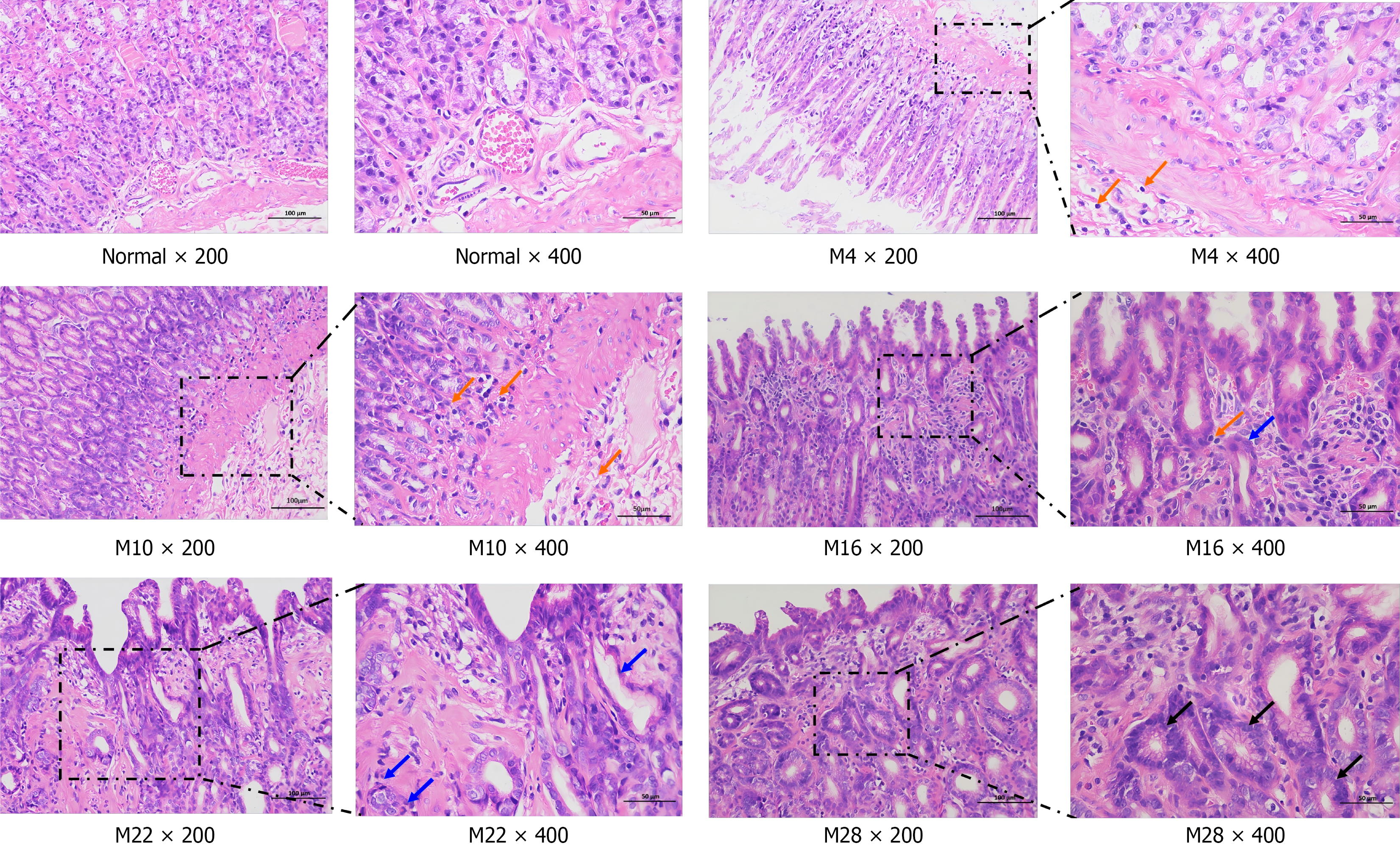
Figure 3 Histopathological changes in the rat gastric mucosa revealed by hematoxylin and eosin staining.
Representative images from the model group show progressive development of gastric lesions. At weeks 4 and 10, prominent lymphocyte infiltration was observed (orange arrow). By weeks 16 and 22, the gastric mucosa exhibited features of atrophy and intestinal metaplasia, characterized by glandular disarray, mild stromal connective tissue proliferation, and the appearance of occasional goblet cells (blue arrow). At week 28, the lesions progressed to high-grade dysplasia, featuring severe glandular disarray, nuclear hyperchromasia, and the presence of mitotic figures (black arrow). Images are shown at 200 × (scale bar = 100 μm) and 400 × (scale bar = 50 μm) magnification.
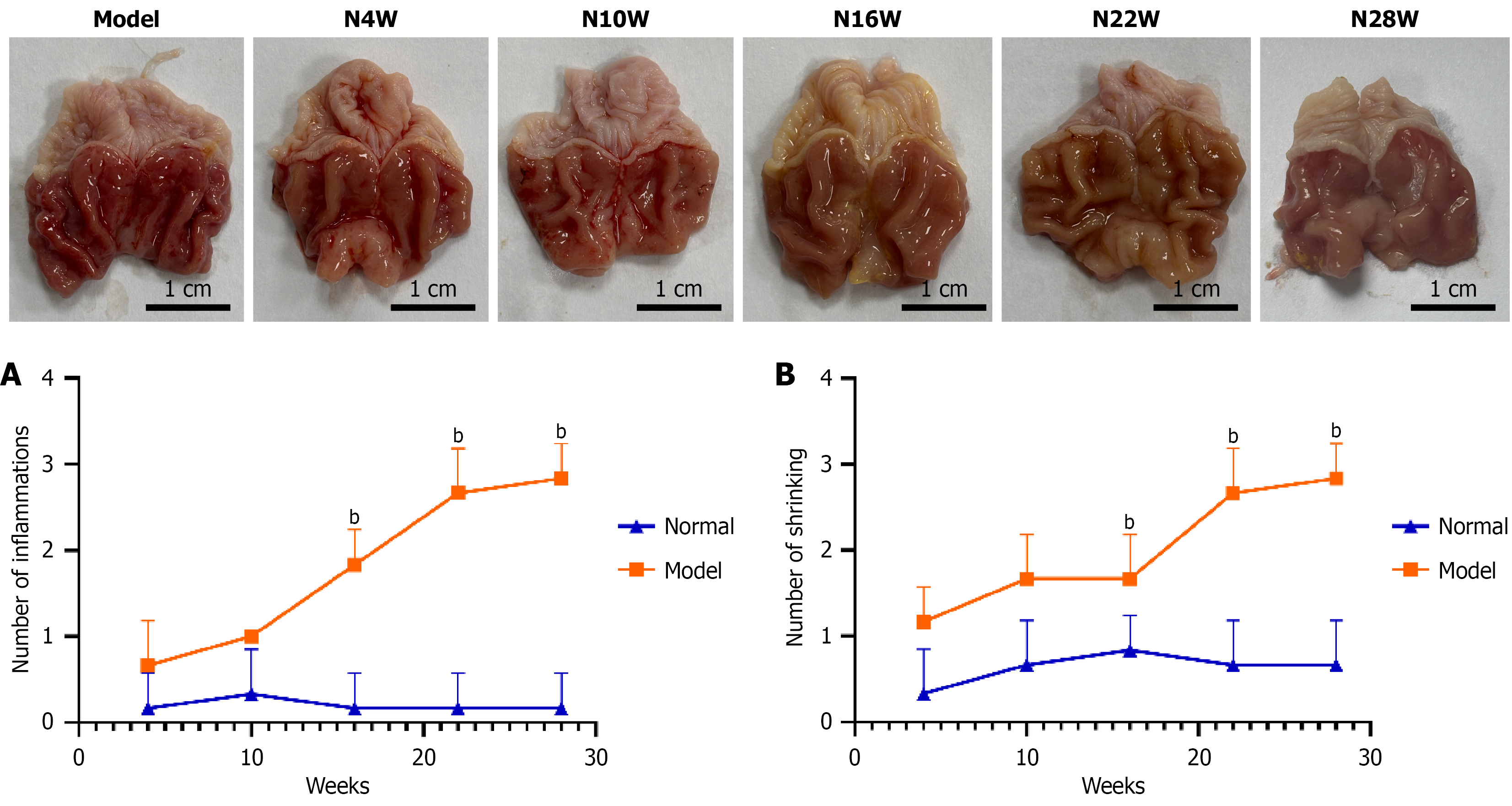
Figure 4 Dynamic changes in inflammation and atrophy scores of the rat gastric mucosa.
A: Changes in the inflammation scores of the rat gastric mucosa; B: Changes in the atrophy scores of the rat gastric mucosa. Data are presented as the mean ± SD from six independent animals per group (n = 6). bP < 0.01 vs the normal group. The gastric mucosa of the normal group was bright red and glossy, plump with numerous gastric folds. Conversely, the gastric mucosa of the precancerous lesions of gastric cancer group exhibited a dark red hue, lacked luster, and reduced gastric folds.
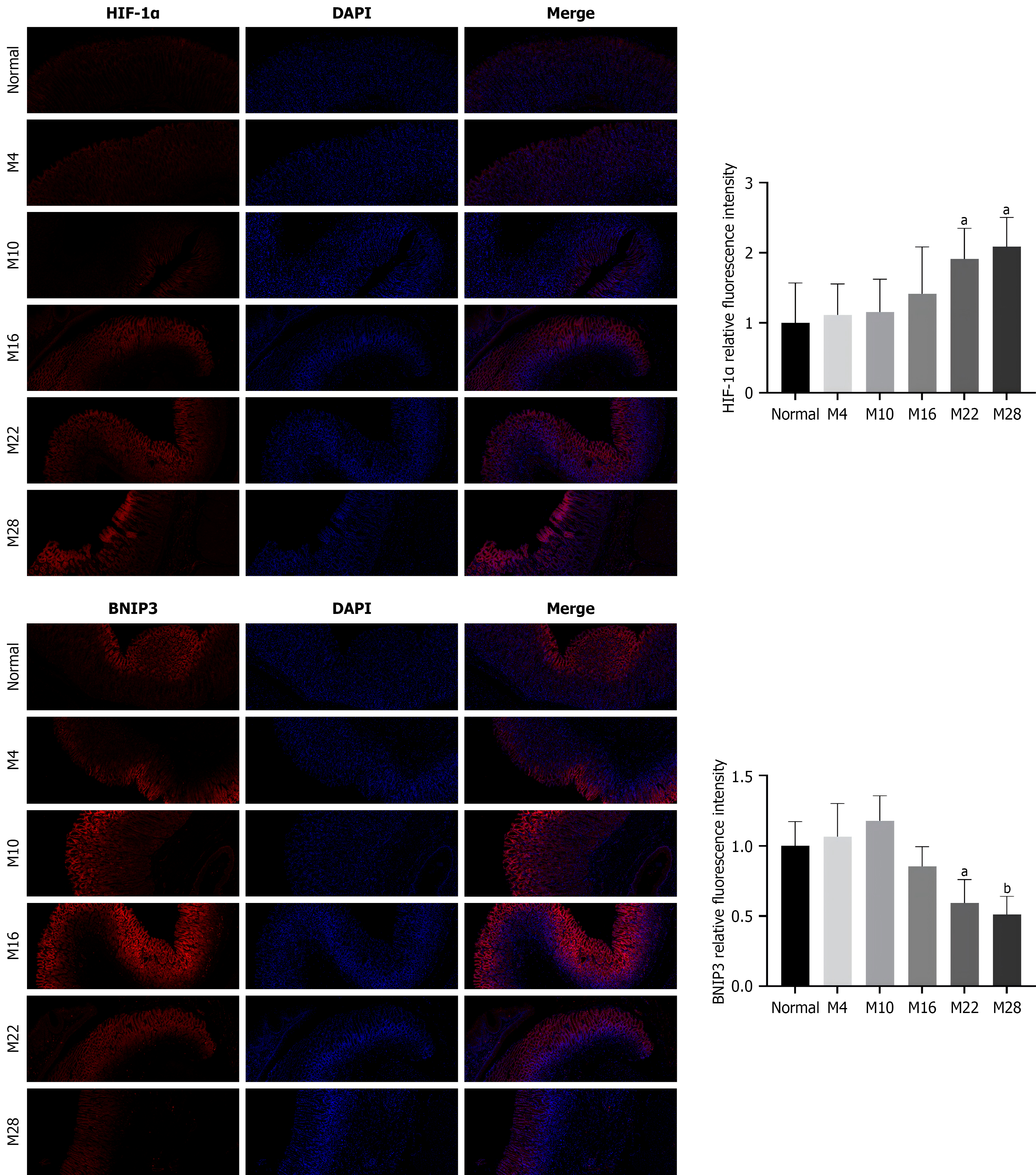
Figure 5 Representative immunofluorescence images showing the expression of hypoxia-inducible factor 1-alpha and BCL2/adenovirus E1B 19 kDa interacting protein 3 in rat gastric mucosa.
The protein expression of hypoxia-inducible factor 1-alpha and BCL2/adenovirus E1B 19 kDa interacting protein 3 was detected by immunofluorescence. Positive scores for hypoxia-inducible factor 1-alpha and BCL2/adenovirus E1B 19 kDa interacting protein 3 proteins were quantified using ImageJ software. Data are presented as the mean ± SD from six independent animals per group (n = 6). aP < 0.05, bP < 0.01 vs the normal group. BNIP3: BCL2/adenovirus E1B 19 kDa interacting protein 3; HIF-1α: Hypoxia-inducible factor 1-alpha.
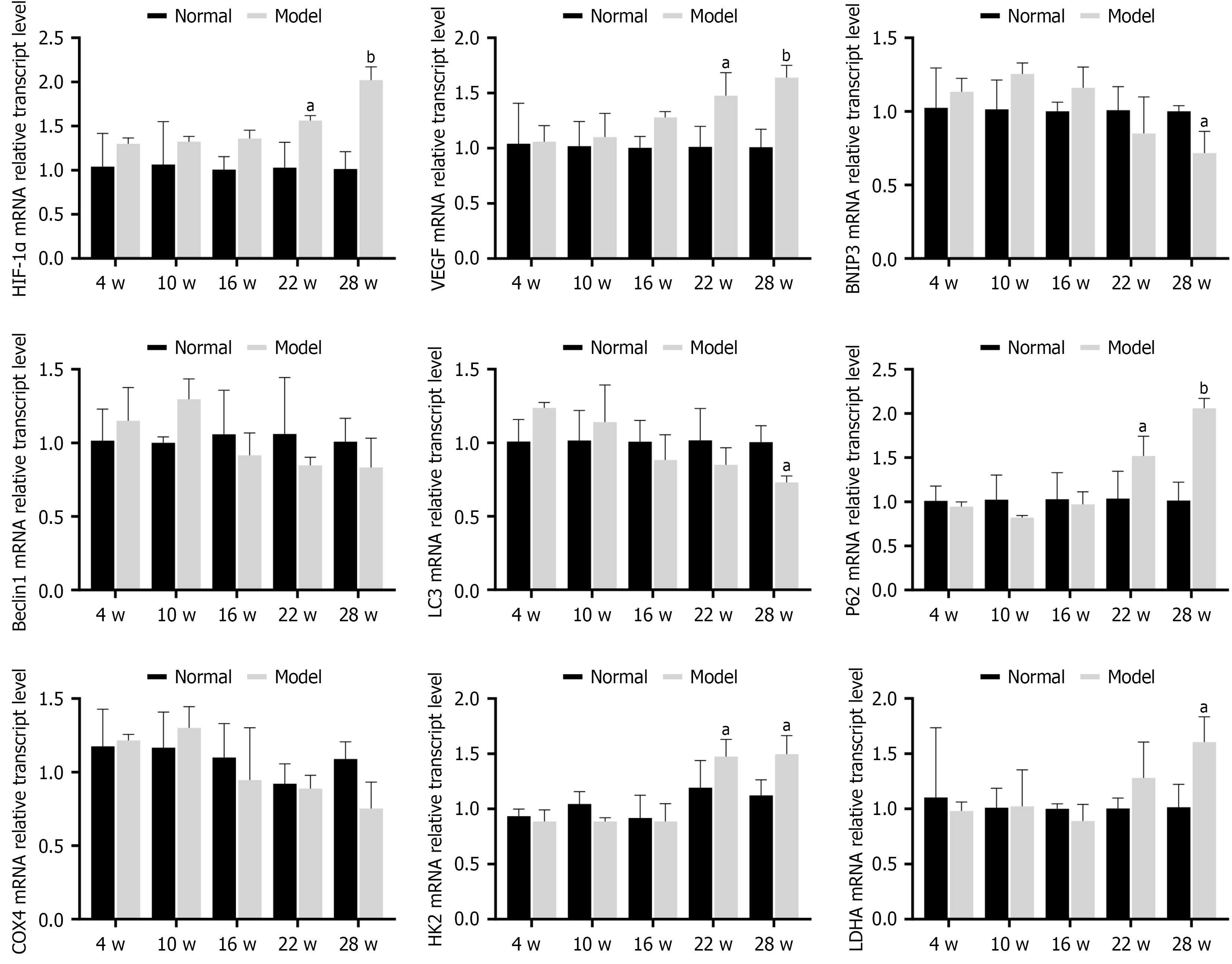
Figure 6 Dynamic changes in the mRNA expression of key genes in the hypoxia-inducible factor 1-alpha/BCL2/adenovirus E1B 19 kDa interacting protein 3 signaling pathway in the rat gastric mucosa.
The relative mRNA expression of hypoxia-inducible factor 1-alpha, vascular endothelial growth factor, BCL2/adenovirus E1B 19 kDa interacting protein 3, Beclin1, microtubule-associated protein 1 light chain 3, sequestosome 1, cytochrome C oxidase subunit 4, hexokinase 2, and lactate dehydrogenase A was determined by quantitative real-time polymerase chain reaction. Data are presented as the mean ± SD from six independent animals per group (n = 6). aP < 0.05, bP < 0.01 vs the normal group. BNIP3: BCL2/adenovirus E1B 19 kDa interacting protein 3; COX4: Cytochrome C oxidase subunit 4; HIF-1α: Hypoxia-inducible factor 1-alpha; HK2: Hexokinase 2; LC3: Light chain 3; LDHA: Lactate dehydrogenase A; P62/SQSTM1: Sequestosome 1; VEGF: Vascular endothelial growth factor.
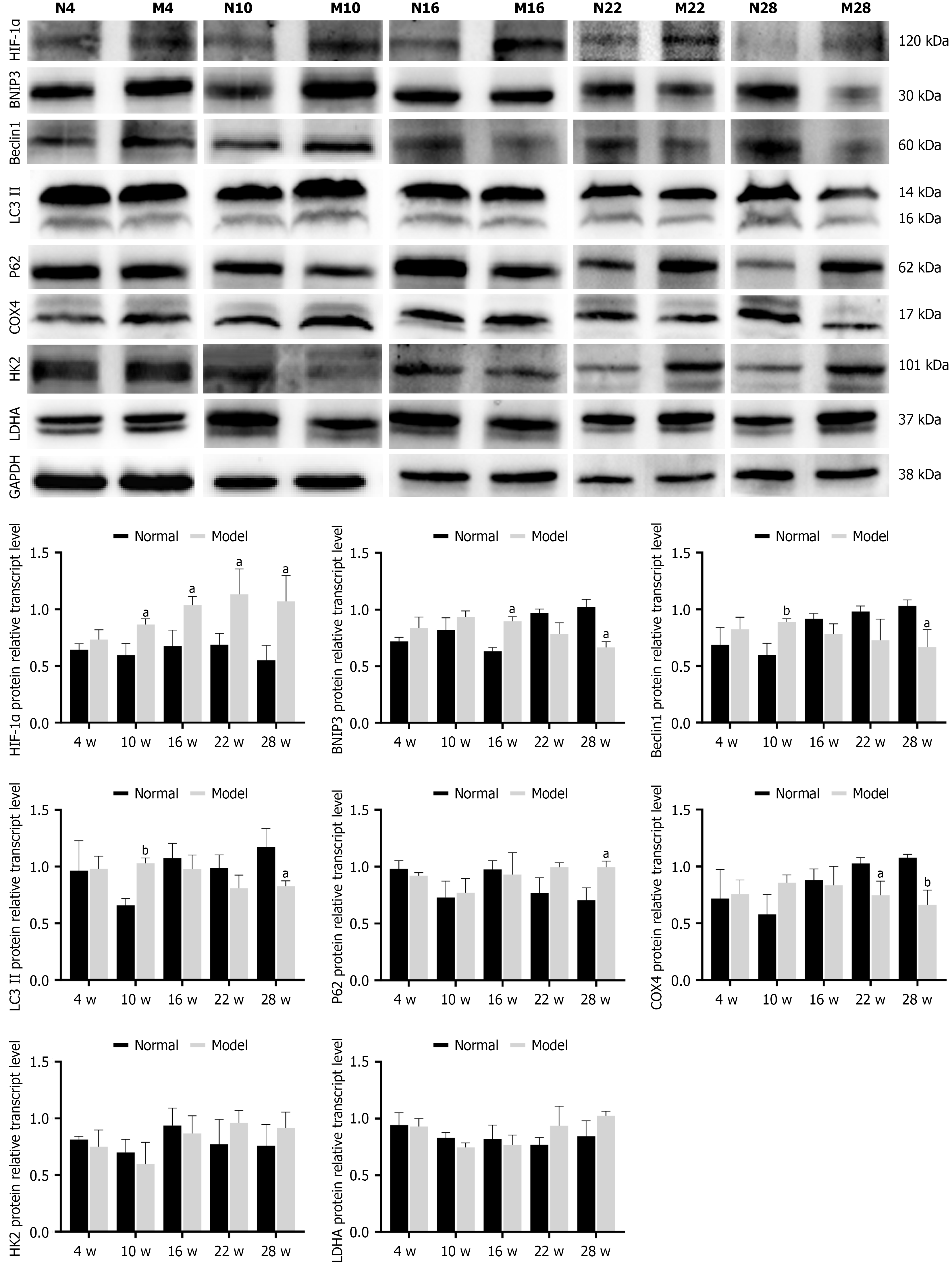
Figure 7 Dynamic changes in the protein expression of key markers in the hypoxia-inducible factor 1-alpha/BCL2/adenovirus E1B 19kDa interacting protein 3 signaling pathway in the rat gastric mucosa.
The relative protein expression of hypoxia-Inducible Factor 1-alpha, BCL2/adenovirus E1B 19 kDa interacting protein 3, Beclin1, microtubule-associated protein 1 light chain 3 II, sequestosome 1, cytochrome C oxidase subunit 4, hexokinase 2, and lactate dehydrogenase A was determined by western blot analysis. Data are presented as the mean ± SD from three independent animals per group. aP < 0.05, bP < 0.01 vs the normal group. BNIP3: BCL2/adenovirus E1B 19 kDa interacting protein 3; COX4: Cytochrome C oxidase subunit 4; HIF-1α: Hypoxia-inducible factor 1-alpha; HK2: Hexokinase 2; LC3: Light chain 3; LDHA: Lactate dehydrogenase A; P62/SQSTM1: Sequestosome 1.
- Citation: Zhang XF, Lv GH, An SJ, Yang XR, Guo WZ, Yu CY, Zhu CH. Dysregulation of the HIF-1α/BNIP3 axis links defective mitophagy to glycolytic reprogramming in a rat model of gastric precancerogenesis. World J Gastrointest Oncol 2026; 18(4): 117815
- URL: https://www.wjgnet.com/1948-5204/full/v18/i4/117815.htm
- DOI: https://dx.doi.org/10.4251/wjgo.v18.i4.117815