
















Copyright: ©Author(s) 2026.
World J Gastrointest Oncol. Apr 15, 2026; 18(4): 116097
Published online Apr 15, 2026. doi: 10.4251/wjgo.v18.i4.116097
Published online Apr 15, 2026. doi: 10.4251/wjgo.v18.i4.116097
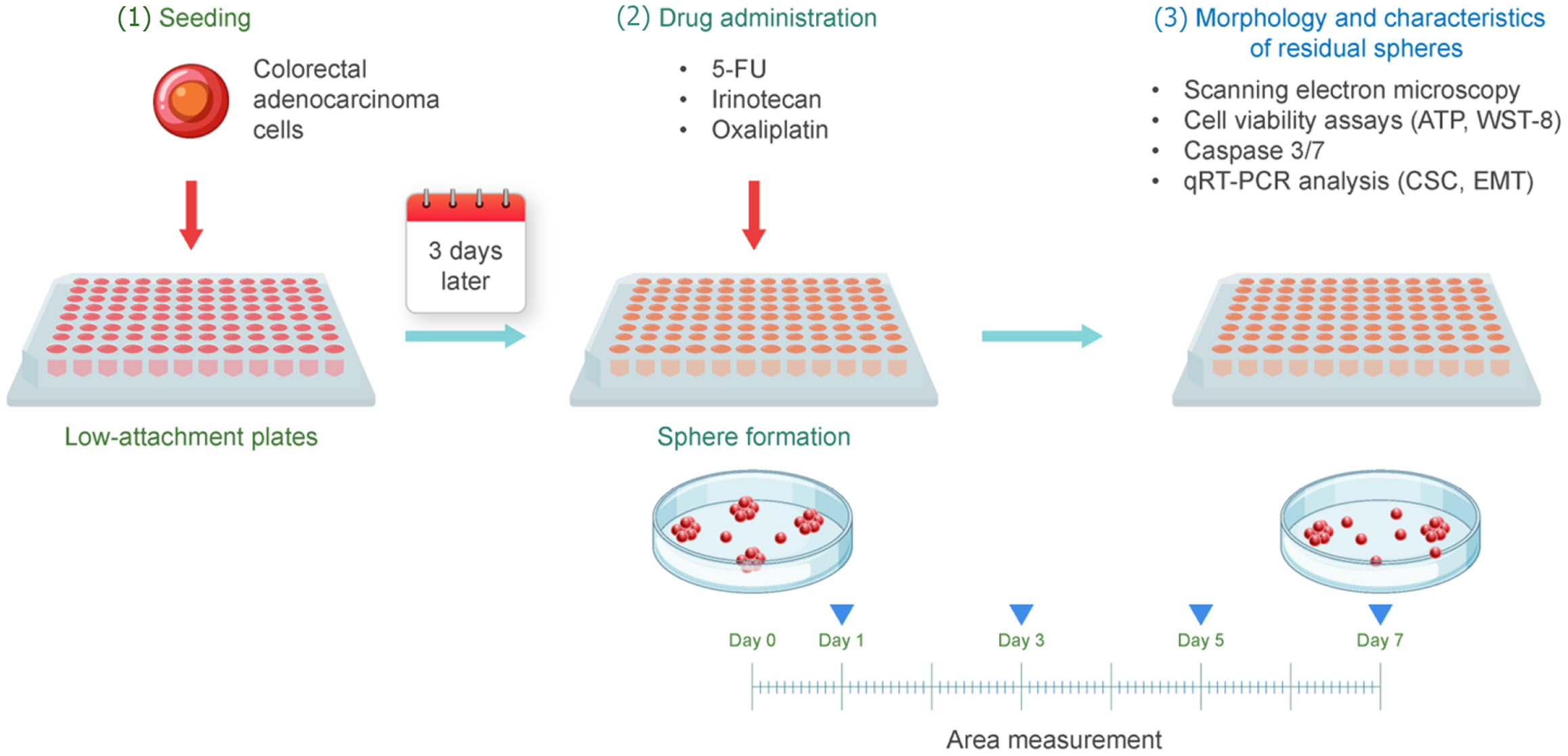
Figure 1 Schema of the experimental method.
Colorectal adenocarcinoma cells were cultured in low-attachment 96-well plates for 3 days to form spheres. After sphere formation, anticancer drugs were added to each well at a concentration of 30 μM. The day of anticancer drug administration was defined as day 0, and the areas of the spheres were measured on days 0, 1, 3, 5, and 7 using an imaging system. 5-FU: 5-fluorouracil; WST-8: Water-soluble tetrazolium 8; qRT-PCR: Quantitative reverse transcriptase PCR; CSC: Cancer stem cell; EMT: Epithelial-mesenchymal transition.
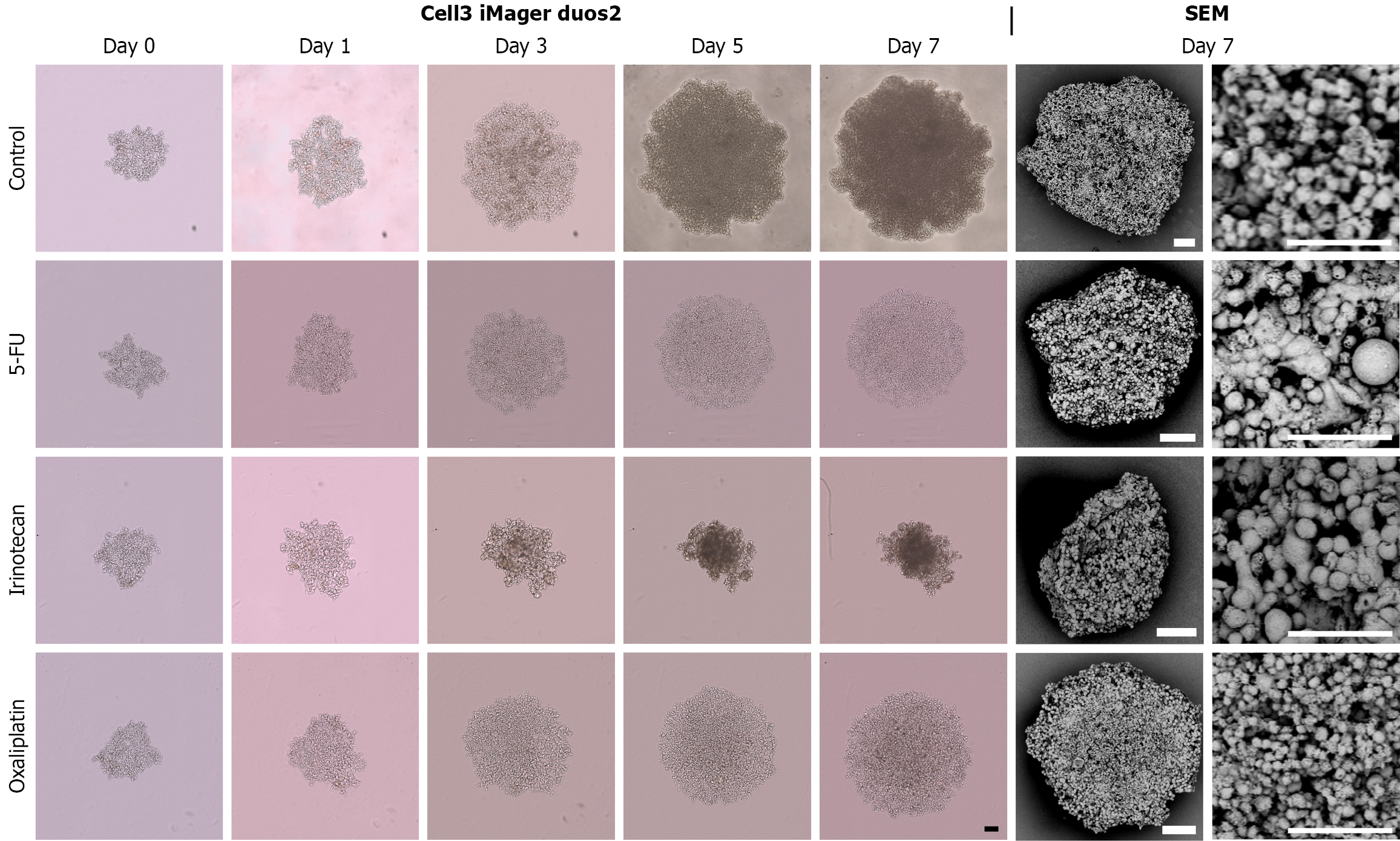
Figure 2 Effects of three anticancer drugs on the growth and morphology of DLD-1 spheres.
DLD-1 spheres were imaged using a three-dimensional imaging system on days 0, 1, 3, 5, and 7 after anticancer drug treatment. Day 7 spheres were examined using scanning electron microscopy. Black scale bar = 200 μm; white thick scale bar = 100 μm; white thin scale bar = 50 μm. 5-FU: 5-fluorouracil; SEM: Scanning electron microscopy.
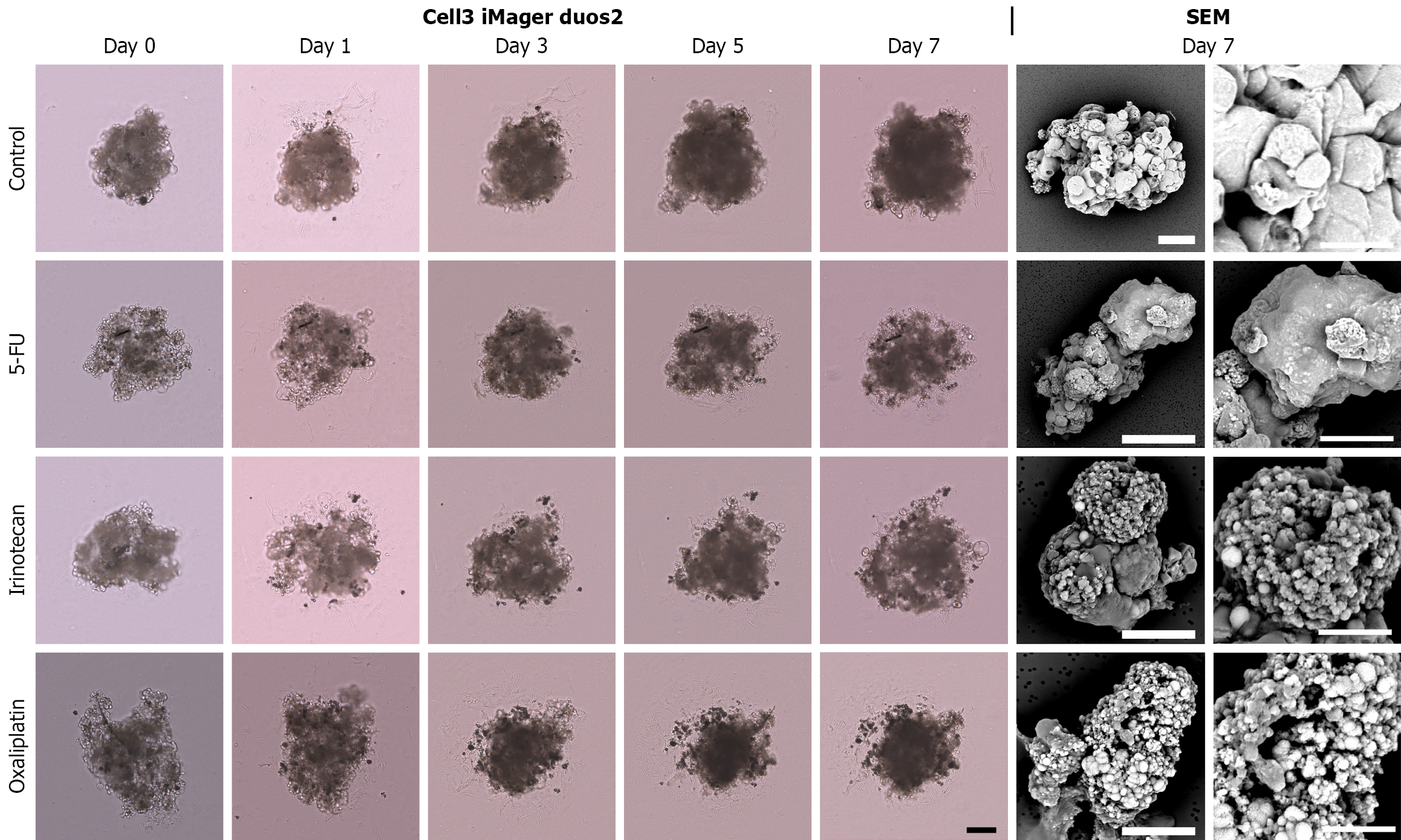
Figure 3 Effects of three anticancer drugs on the growth and morphology of CACO-2 spheres.
CACO-2 spheres were imaged using a three-dimensional imaging system on days 0, 1, 3, 5, and 7 after anticancer drug treatment. Day 7 spheres were examined using scanning electron microscopy. Black scale bar = 200 μm; white thick scale bar = 50 μm; white thin scale bar = 25 μm. 5-FU: 5-fluorouracil; SEM: Scanning electron microscopy.
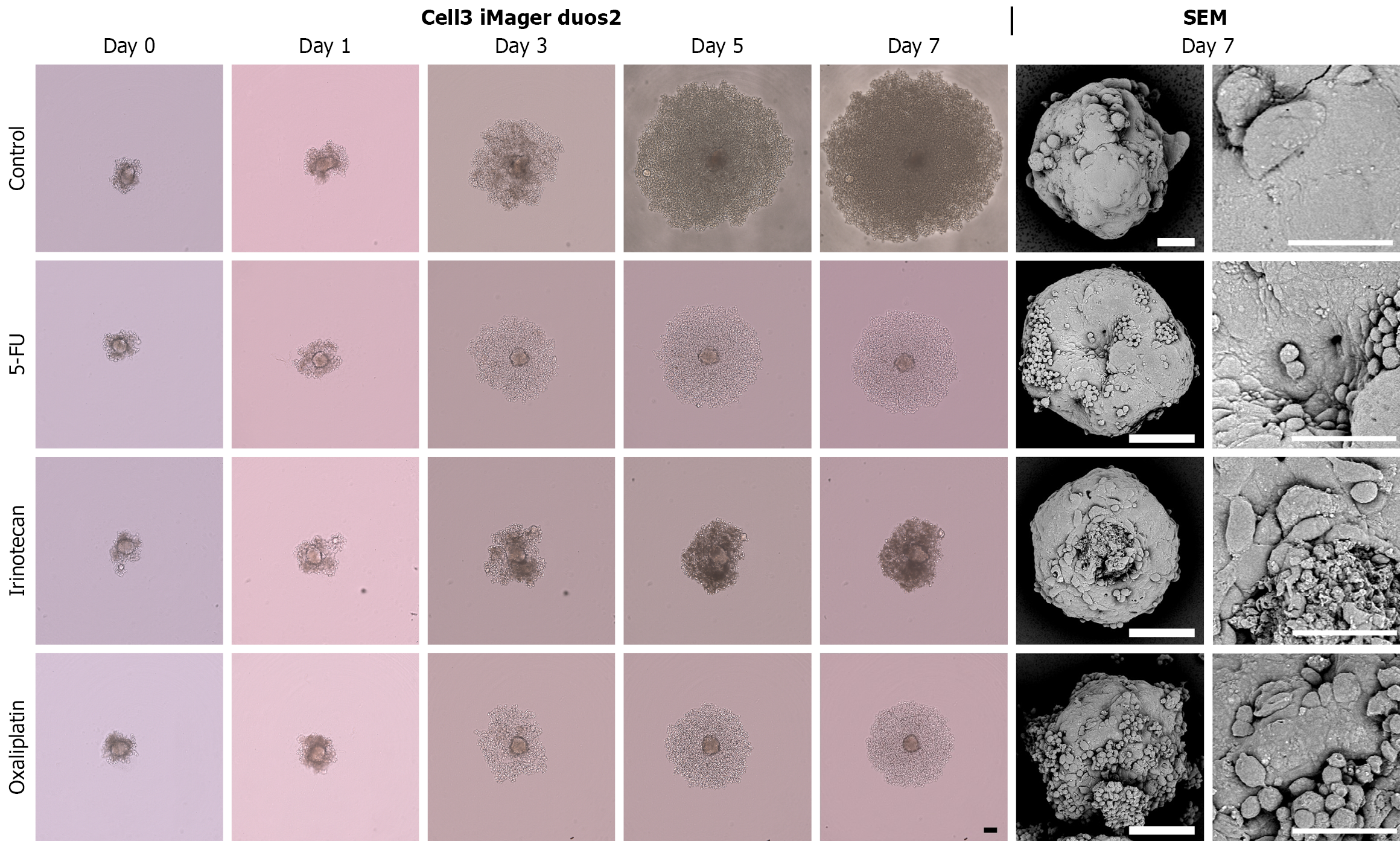
Figure 4 Effects of three anticancer drugs on the growth and morphology of HCT-15 spheres.
HCT-15 spheres were imaged using a three-dimensional imaging system on days 0, 1, 3, 5, and 7 after anticancer drug treatment. Day 7 spheres were examined using scanning electron microscopy. Black scale bar = 200 μm; white thick scale bar = 100 μm; white thin scale bar = 50 μm. 5-FU: 5-fluorouracil; SEM: Scanning electron microscopy.
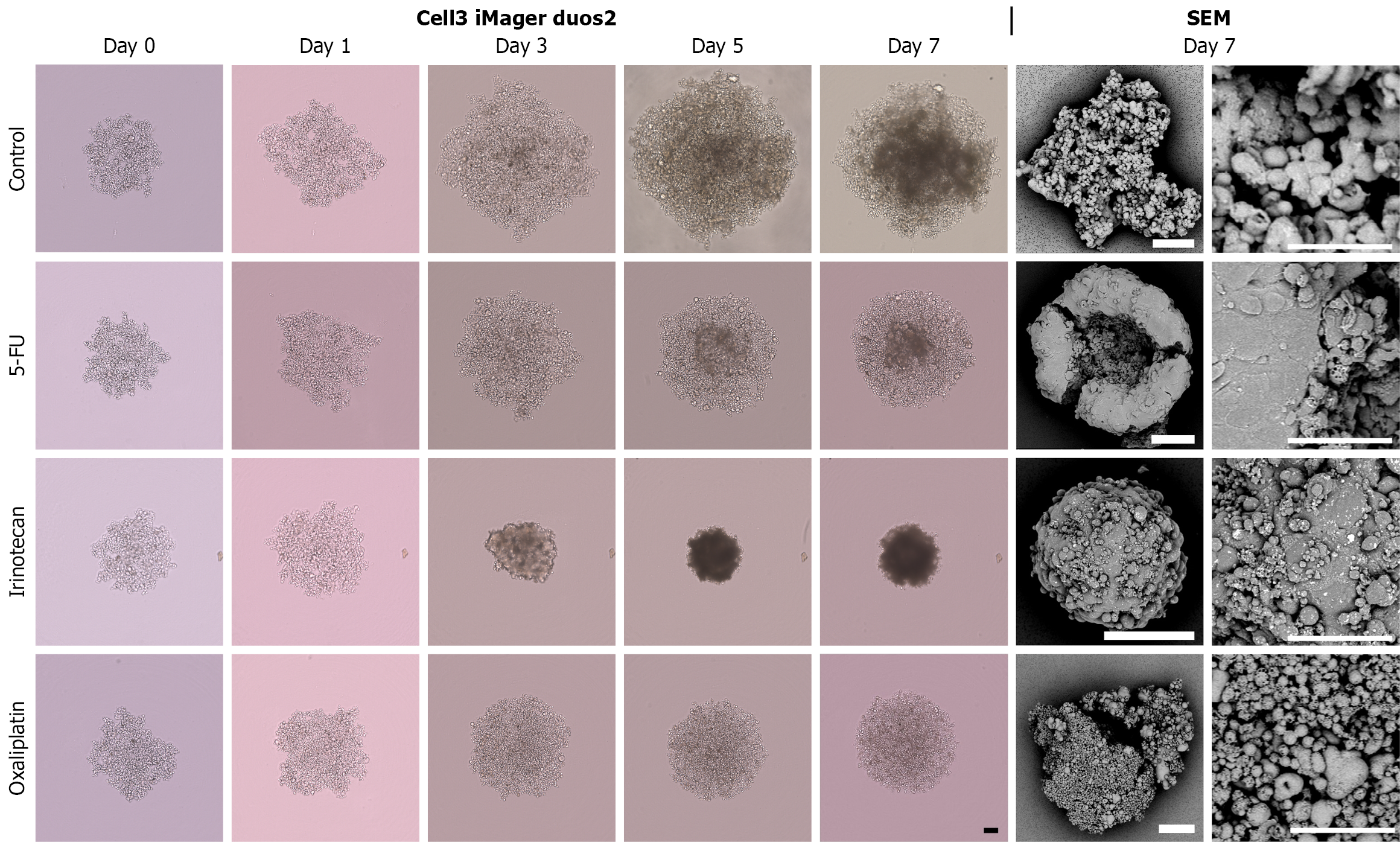
Figure 5 Effects of three anticancer drugs on the growth and morphology of SW480 spheres.
SW-480 spheres were imaged using a three-dimensional imaging system on days 0, 1, 3, 5, and 7 after anticancer drug treatment. Day 7 spheres were examined using scanning electron microscopy. Black scale bar = 200 μm; white thick scale bar = 100 μm; white thin scale bar = 50 μm. 5-FU: 5-fluorouracil; SEM: Scanning electron microscopy.
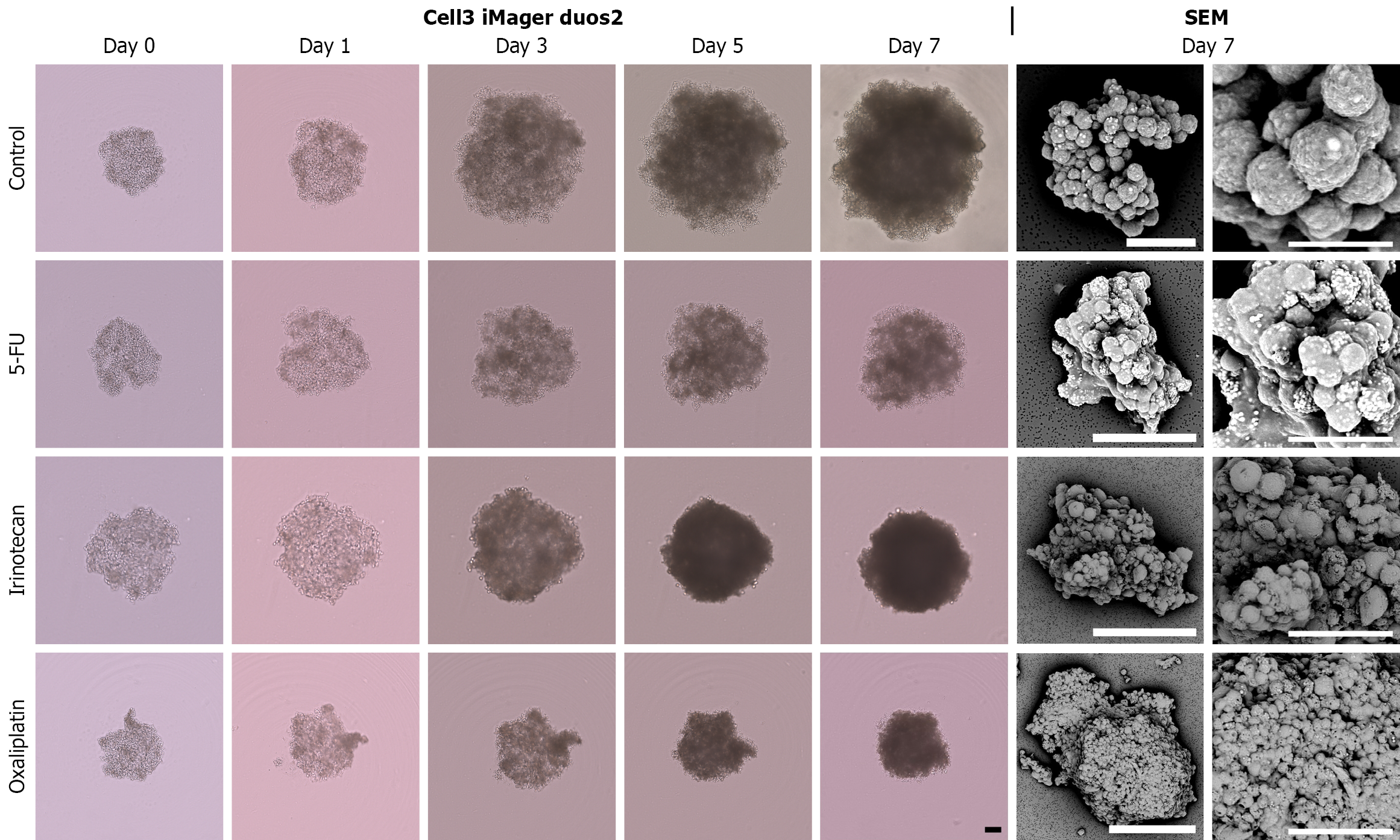
Figure 6 Effects of three anticancer drugs on the growth and morphology of COLO-320 spheres.
COLO-320 spheres were imaged using a three-dimensional imaging system on days 0, 1, 3, 5, and 7 after anticancer drug treatment. Day 7 spheres were examined using scanning electron microscopy. Black scale bar = 200 μm; white thick scale bar = 100 μm; white thin scale bar = 50 μm. 5-FU: 5-fluorouracil; SEM: Scanning electron microscopy.
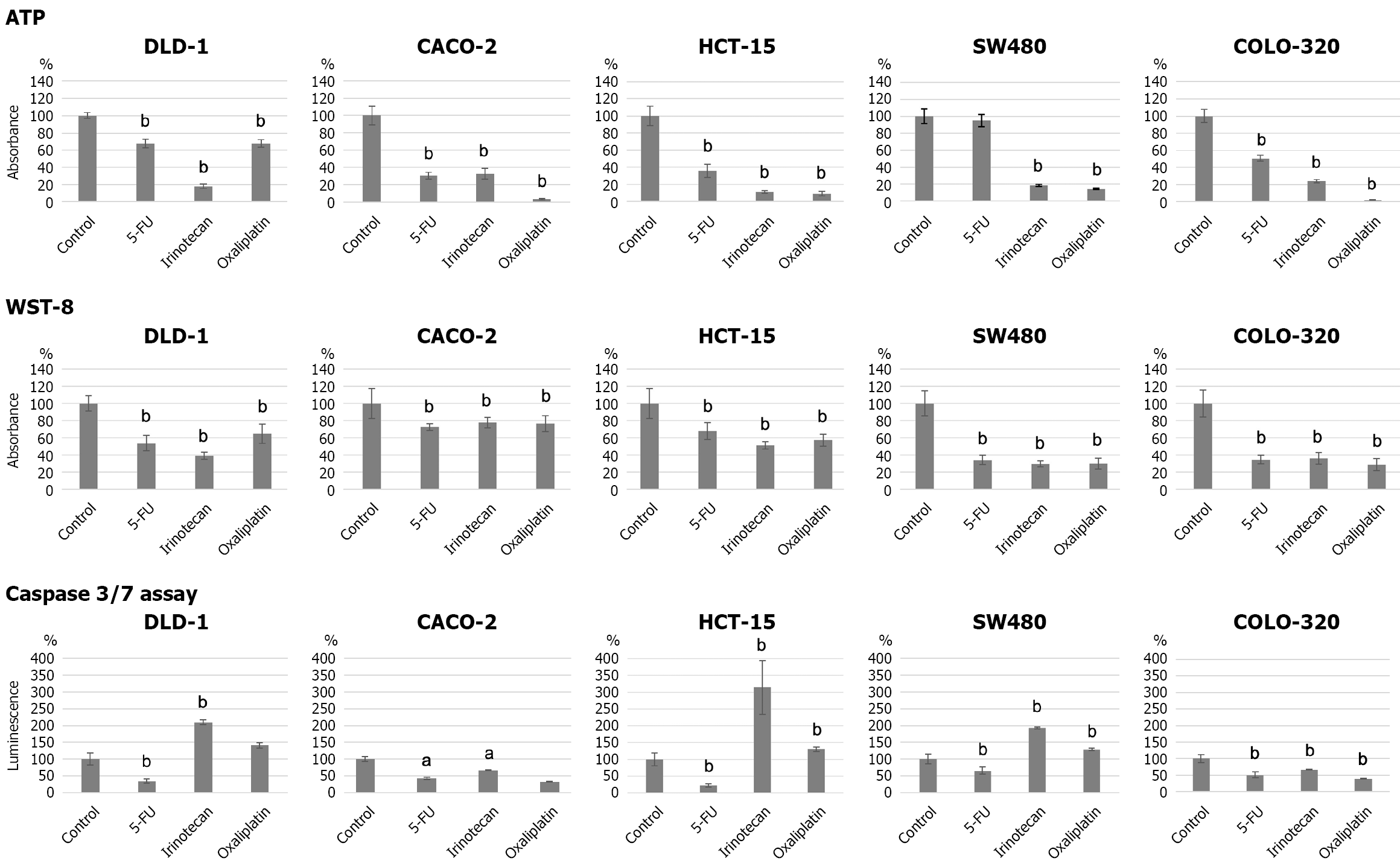
Figure 7 Cell viability and caspase-3/7 activity in colorectal adenocarcinoma spheres after anticancer drug treatment.
Colorectal adenocarcinoma cells were cultured in 96-well low-attachment plates, and anticancer drugs (30 μM) were added after 3 days. On day 7 post-treatment, cell viability was assessed using the ATP and water-soluble tetrazolium 8 (WST-8) assays. ATP luminescence and WST-8 absorbance (450 nm) were normalized to those of controls (set at 100%). Apoptosis was evaluated on day 7 using the Caspase-Glo 3/7 3D Assay, with luminescence measured after a 3-hour incubation at 23 °C. Data represent the means ± SD from three independent experiments (each performed in triplicate). aP < 0.05 vs control group; bP < 0.0001 vs control group. 5-FU: 5-fluorouracil; WST-8: Water-soluble tetrazolium 8.
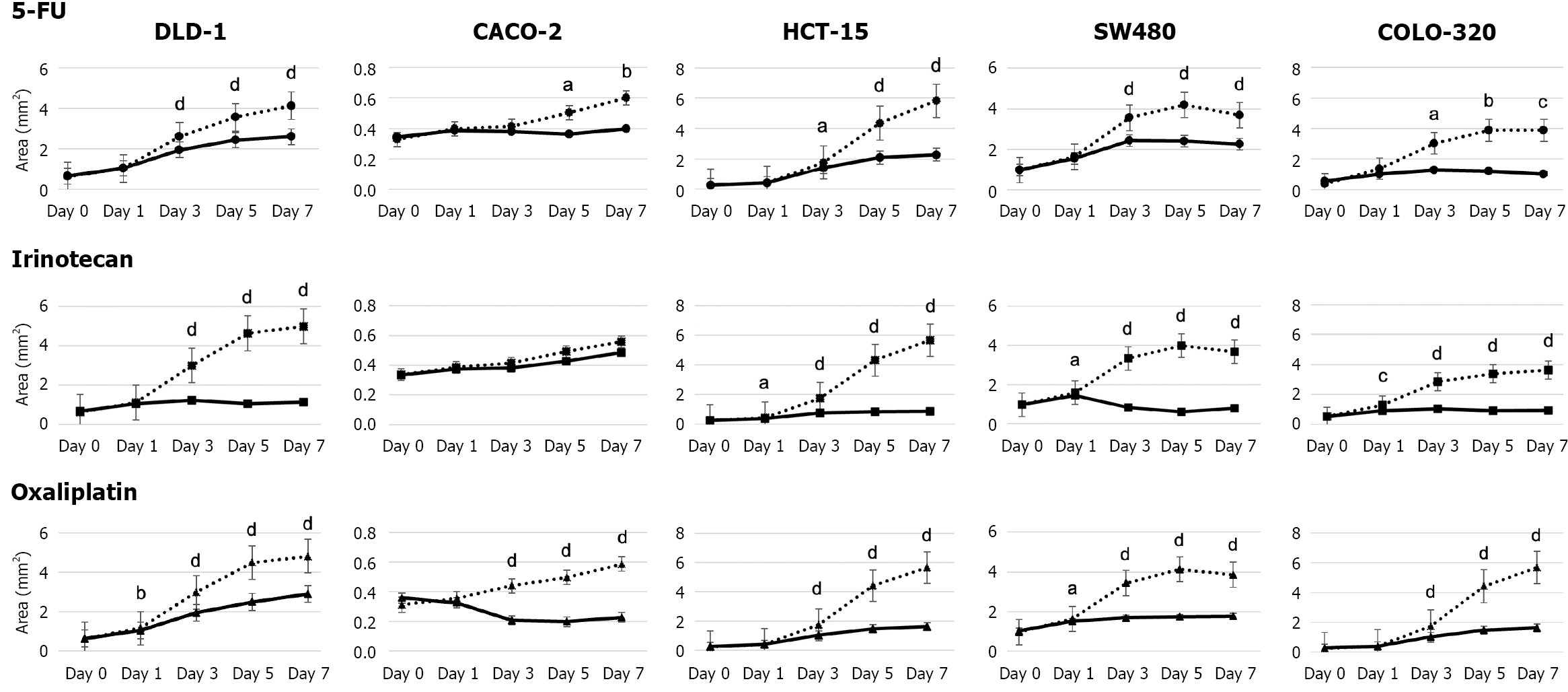
Figure 8 Effects of three anticancer drugs on the growth of three-dimensional-cultured colorectal cancer spheres.
DLD-1, CACO-2, HCT-15, SW480, and COLO-320 spheres were imaged using a three-dimensional (3D) imaging system on days 0, 1, 3, 5, and 7 after treatment with three anticancer drugs (5-fluorouracil, irinotecan, and oxaliplatin). Sphere areas were quantified from the 3D images using an integrated artificial intelligence-based deep learning algorithm. Solid lines indicate anticancer drug-treated groups, and dashed lines indicate the corresponding control groups. aP < 0.05; bP < 0.01; cP < 0.001; dP < 0.0001. 5-FU: 5-fluorouracil.
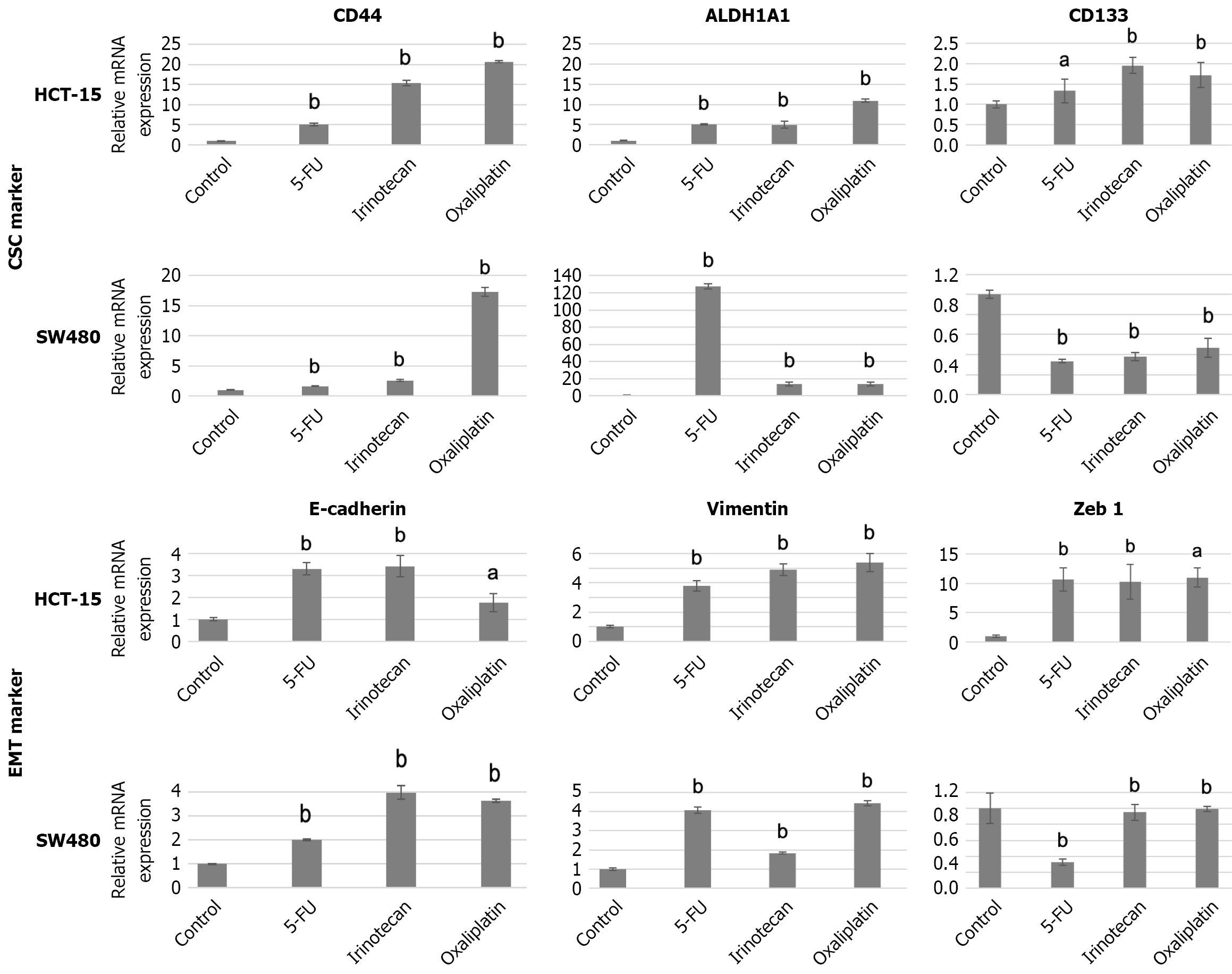
Figure 9 Quantitative reverse transcriptase PCR analysis of cancer stem cell and epithelial-mesenchymal transition markers on colorectal adenocarcinoma spheres.
HCT-15 and SW480 cells were cultured in 96-well low-attachment plates, and anticancer drugs (30 μM) were added on day 3. Total RNA was extracted on day 7 post-treatment, and quantitative reverse transcriptase PCR was performed to assess the expressions of cancer stem cell markers (CD44, ALDH1A1, and PROM1) and epithelial-mesenchymal transition markers (CDH1, VIM, and ZEB1). Gene expression levels were normalized to GAPDH and expressed relative to the control group (set to 1.0). Data represent the means ± SD from three independent experiments, each analyzed in duplicate (biological replicates, n = 3). aP < 0.001 vs control group; bP < 0.0001 vs control group. 5-FU: 5-fluorouracil; CSC: Cancer stem cell; EMT: Epithelial-mesenchymal transition.
- Citation: Yoshimura Y, Shinji S, Ogawa Y, Yamada T, Matsuda A, Uehara K, Yokoyama Y, Takahashi G, Iwai T, Miyasaka T, Kanaka S, Matsui T, Hayashi K, Fujiwara M, Shichi Y, Arai T, Ishiwata T, Yoshida H. Morphological and functional responses of three-dimensional-cultured colorectal cancer spheres to anticancer drugs. World J Gastrointest Oncol 2026; 18(4): 116097
- URL: https://www.wjgnet.com/1948-5204/full/v18/i4/116097.htm
- DOI: https://dx.doi.org/10.4251/wjgo.v18.i4.116097