
















Copyright: ©Author(s) 2026.
World J Gastrointest Oncol. Apr 15, 2026; 18(4): 114567
Published online Apr 15, 2026. doi: 10.4251/wjgo.v18.i4.114567
Published online Apr 15, 2026. doi: 10.4251/wjgo.v18.i4.114567
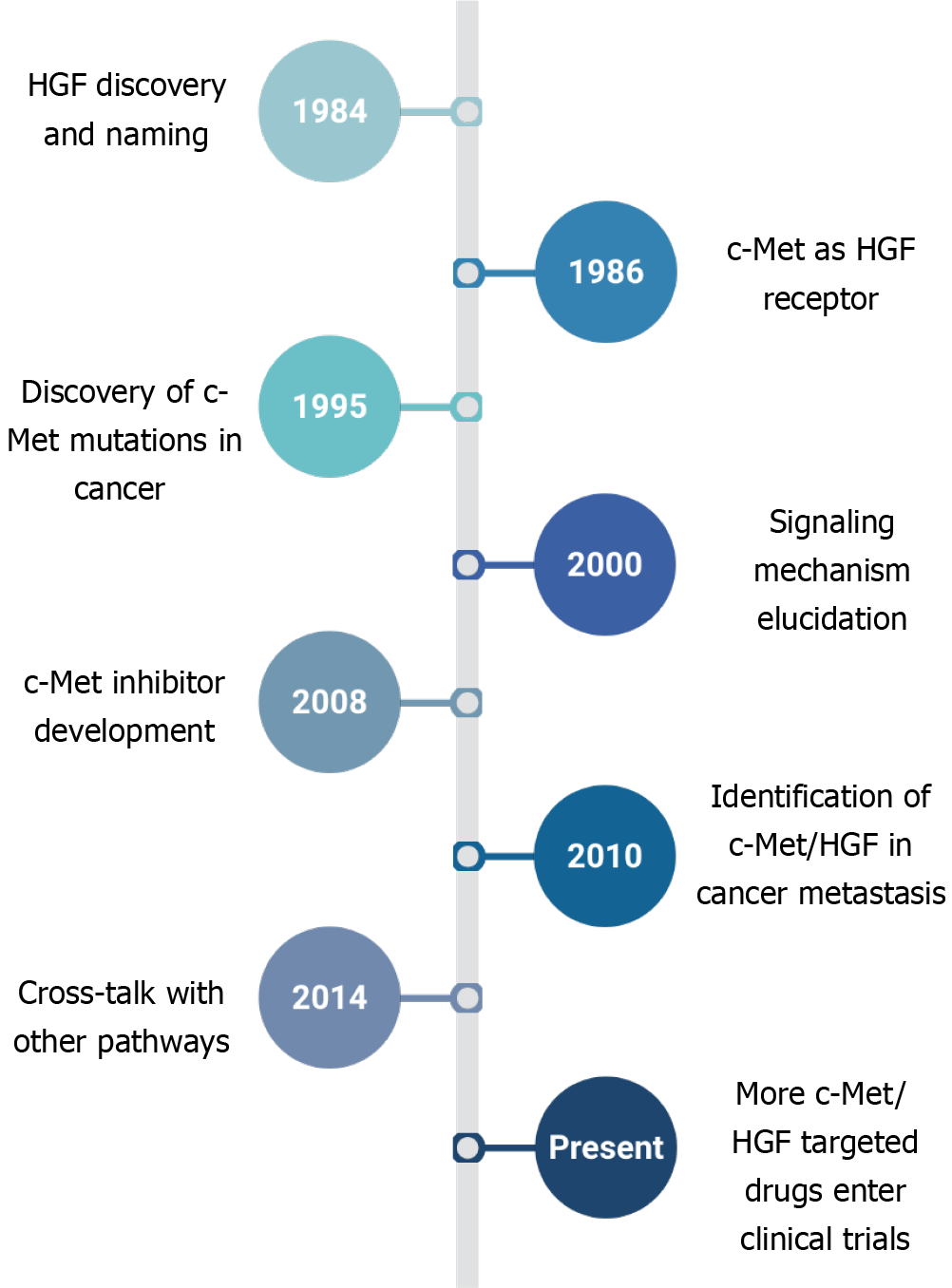
Figure 1 A comprehensive timeline summarizing the key advancements and discoveries in the field of cellular-mesenchymal epithelial transition factor/hepatocyte growth factor signaling pathway research.
The cellular-mesenchymal epithelial transition factor (c-Met)/hepatocyte growth factor pathway journey began with hepatocyte growth factor’s discovery in 1984, followed by c-Met’s identification as its receptor in 1986. By 1995, mutations in the c-Met gene were linked to cancer progression. In 2000, the signaling mechanism was elucidated, leading to c-Met inhibitors’ development in 2008. In 2010, the pathway’s role in cancer metastasis was identified, and in 2014, its cross-talk with other signaling cascades was discovered. Recently, more drugs targeting this axis entered clinical trials, marking a significant milestone in translational medicine. HGF: Hepatocyte growth factor; c-Met: Cellular-mesenchymal epithelial transition factor.
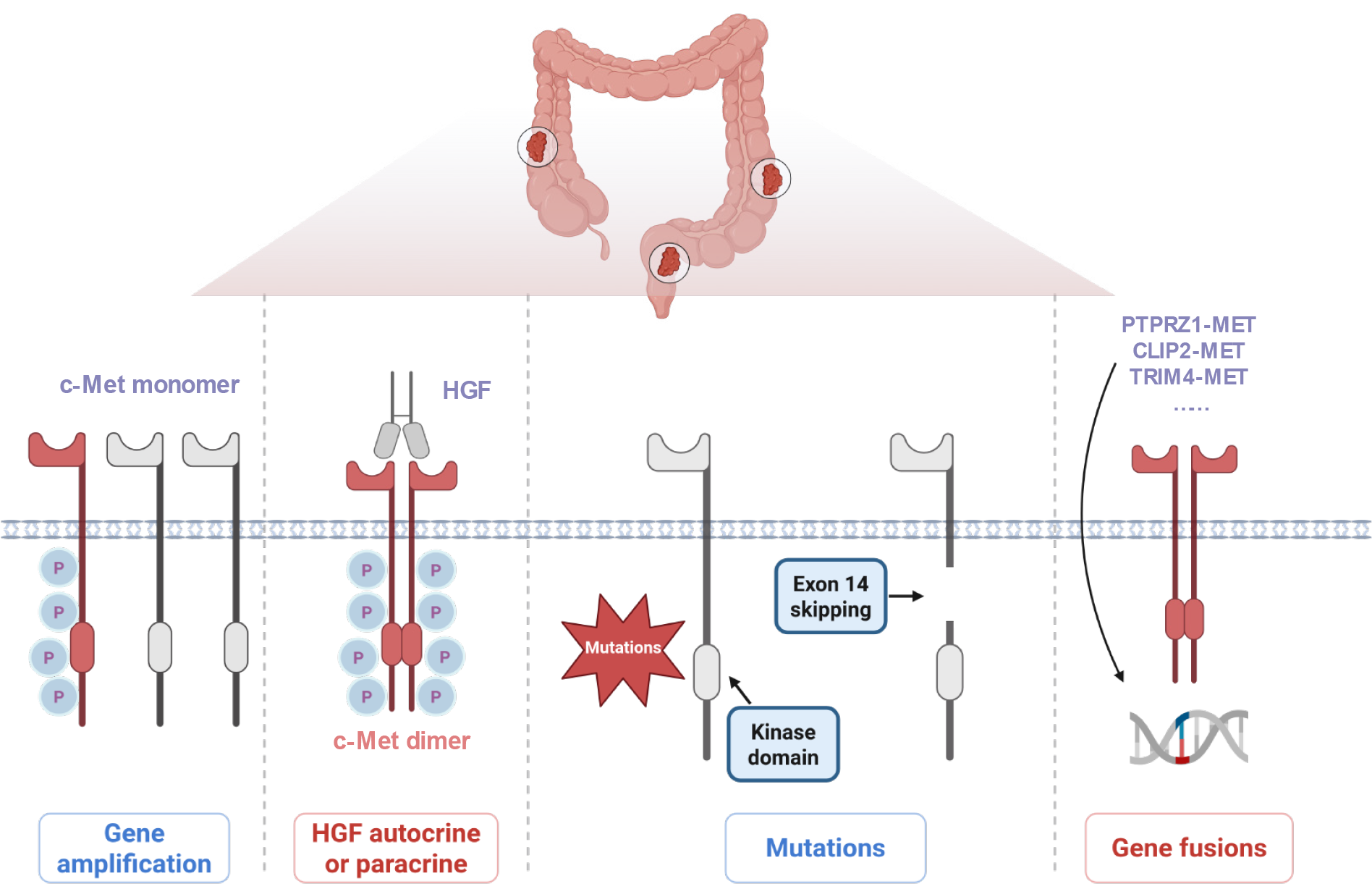
Figure 2 The mechanisms of cellular-mesenchymal epithelial transition factor hyperactivation.
c-Met: Cellular-mesenchymal epithelial transition factor; HGF: Hepatocyte growth factor; PTPRZ1-MET: Protein tyrosine phosphatase receptor zeta 1-mesenchymal epithelial transition factor; CLIP2-MET: Containing linker protein 2-mesenchymal epithelial transition factor; TRIM4-MET: Tripartite motif containing 4- mesenchymal epithelial transition factor.
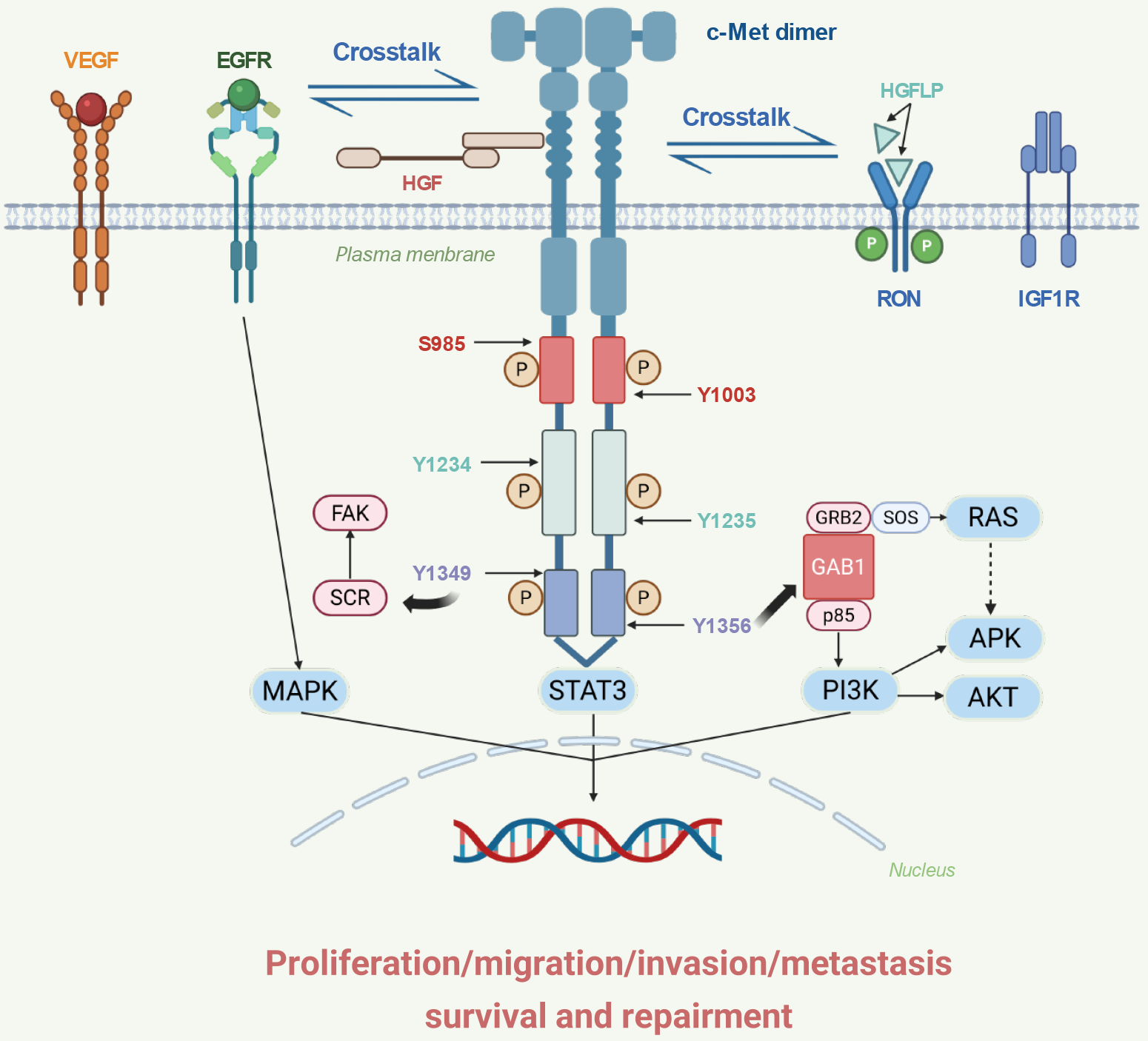
Figure 3 Crosstalk network of cellular-mesenchymal epithelial transition factor/hepatocyte growth factor pathway (partial).
VEGR: Vascular endothelial growth factor; EGFR: Epidermal growth factor receptor; HGF: Hepatocyte growth factor; c-Met: Cellular-mesenchymal epithelial transition factor; HGFLP: Hepatocyte growth factor-like protein; IGF1R: Insulin-like growth factor 1 receptors; MAPK: Mitogen-activated protein kinases; SCR: Selective catalytic reduction; FAK: Focal adhesion kinase; STAT3: Signal transducer and activator of transcription 3; PI3K: Phosphoinositide 3-kinase; AKT: Protein kinase B; APK: Activated protein kinases; RAS: Rat sarcoma; GRB2: Growth factor receptor-bound protein-2; GAB1: Growth factor receptor-bound protein-1.
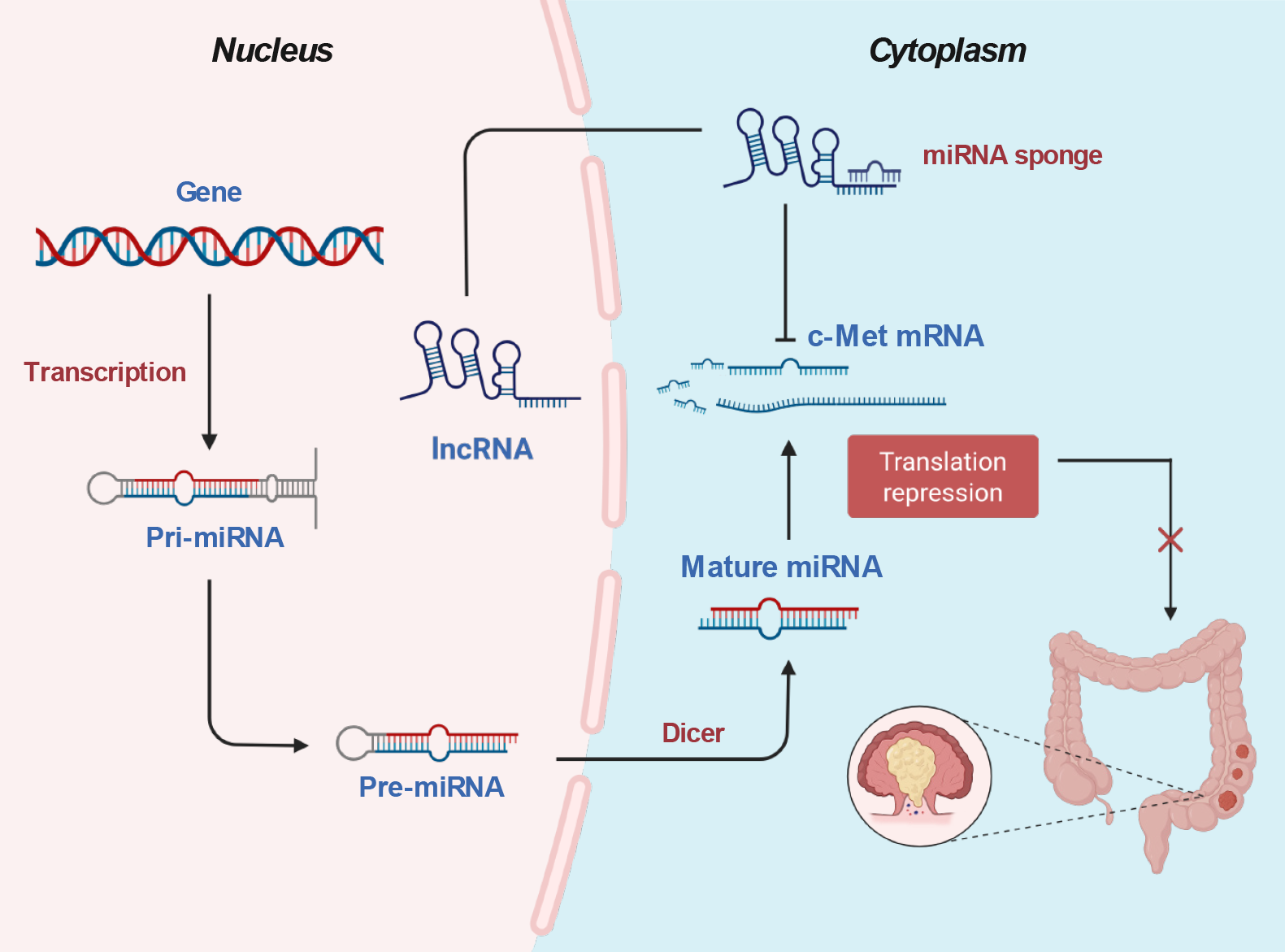
Figure 4 The antioncogenic microRNAs suppress colorectal cancer progression by repressing the translation of cellular-mesenchymal epithelial transition factor mircoRNA.
c-Met: Cellular-mesenchymal epithelial transition factor.
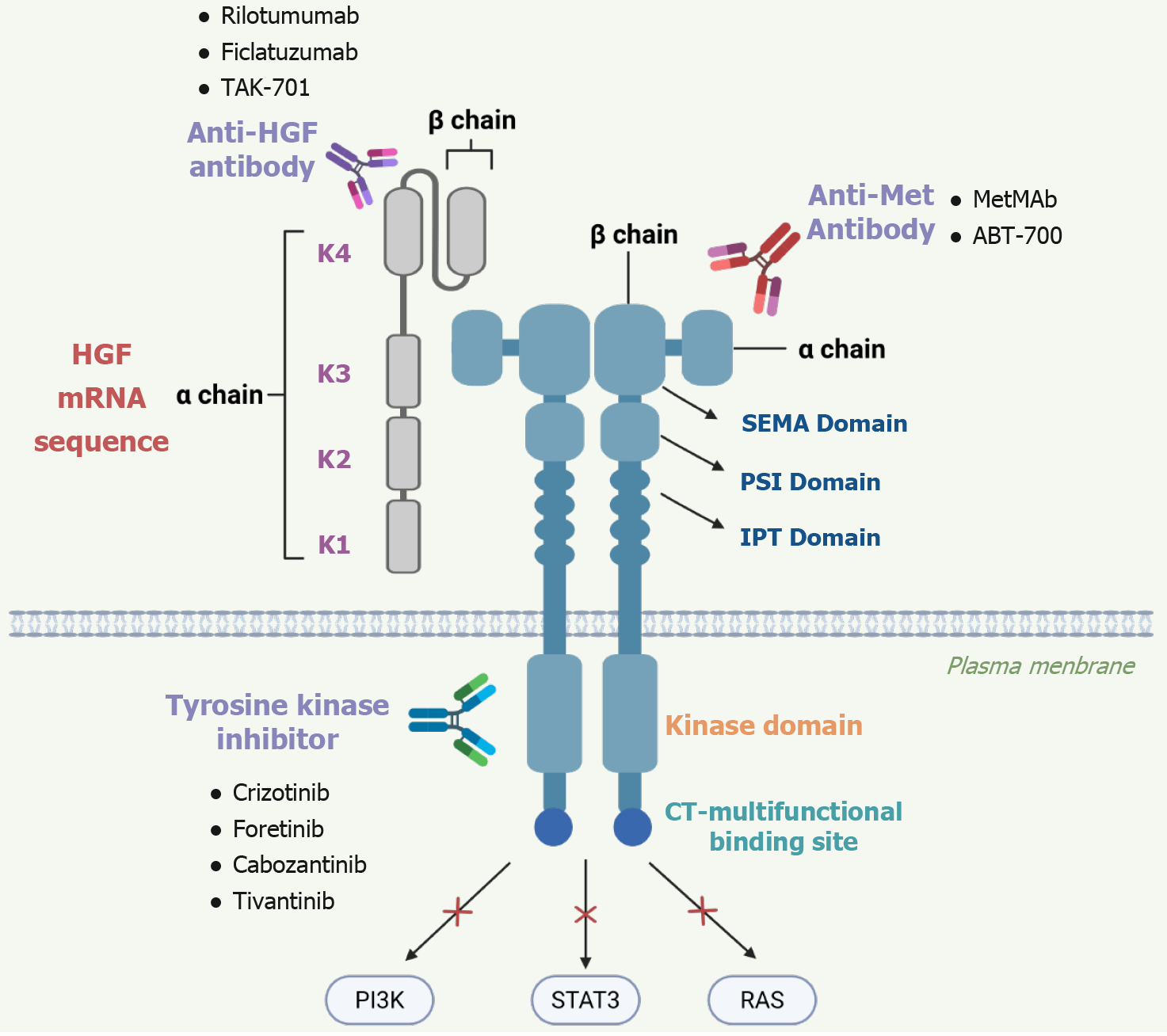
Figure 5 Inhibitors and monoclonal antibodies targeting the cellular-mesenchymal epithelial transition factor/hepatocyte growth factor signaling pathway.
HGF: Hepatocyte growth factor; TAK: Transforming growth factor-β-activated kinase; CT: Computed tomography; ABT-700: Aminobenzotriazole-700; SEMA: Semaglutide; PSI: Patient-specific instrument; PI3K: Phosphoinositide 3-kinase; STAT3: Signal transducer and activator of transcription 3; RAS: Rat sarcoma.
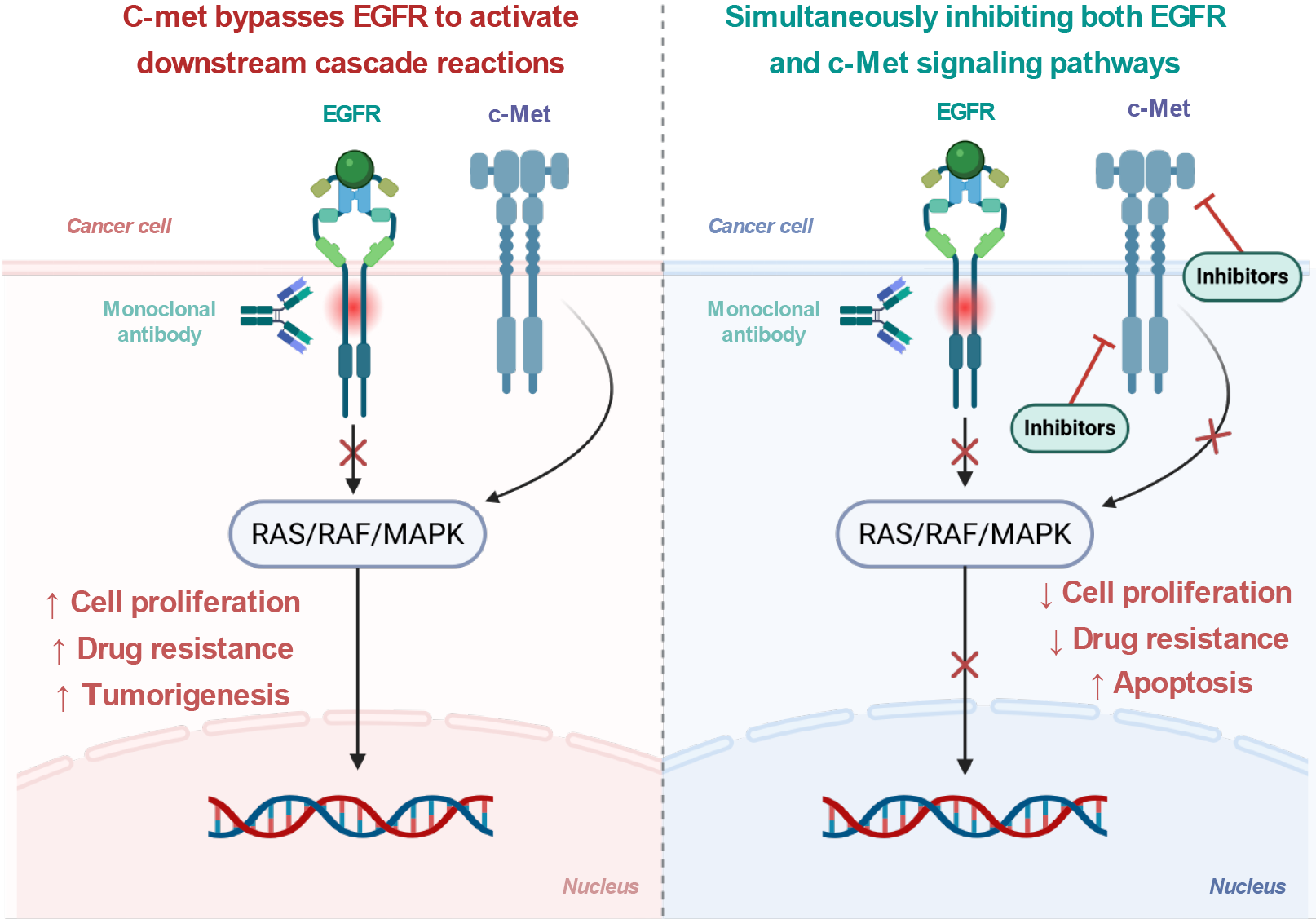
Figure 6 Schematic of epidermal growth factor receptor/cellular-mesenchymal epithelial transition factor axis in colorectal cancer treatment resistance.
EGFR: Epidermal growth factor receptor; c-Met: Cellular-mesenchymal epithelial transition factor; RAS: Rat sarcoma; RAF: Rapidly accelerated fibrosarcoma; MAPK: Mitogen-activated protein kinases.
- Citation: Wen JK, Xia J, Yu L, Xu GL, Ye GF, Lin YH. Could deciphering cellular-mesenchymal epithelial transition factor/hepatocyte growth factor network dynamics unlock novel biomarker-driven therapies for colorectal cancer? World J Gastrointest Oncol 2026; 18(4): 114567
- URL: https://www.wjgnet.com/1948-5204/full/v18/i4/114567.htm
- DOI: https://dx.doi.org/10.4251/wjgo.v18.i4.114567