
















Copyright: ©Author(s) 2026.
World J Gastrointest Oncol. Mar 15, 2026; 18(3): 113851
Published online Mar 15, 2026. doi: 10.4251/wjgo.v18.i3.113851
Published online Mar 15, 2026. doi: 10.4251/wjgo.v18.i3.113851
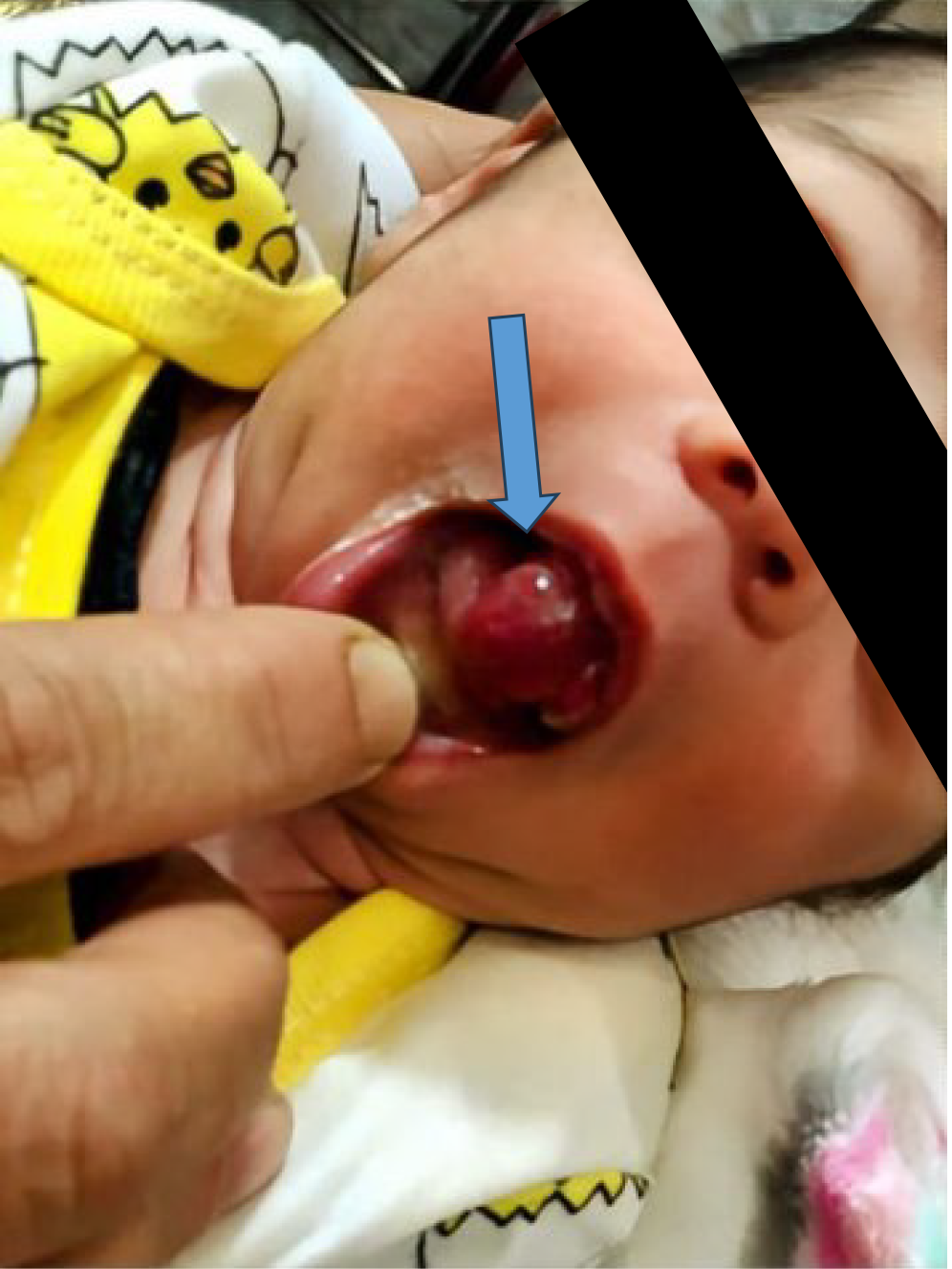
Figure 1 Photo of the infant on presentation.
The neonate with a protruding mass through the mouth (blue arrow).
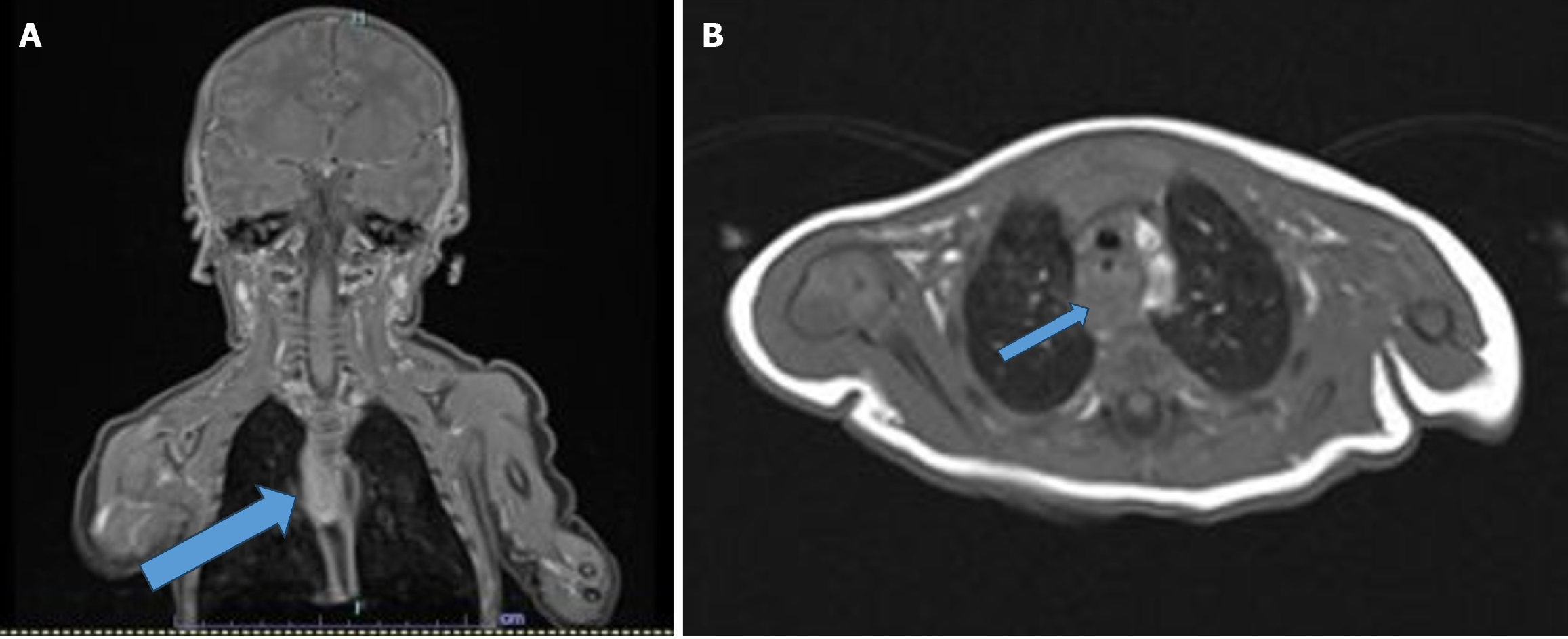
Figure 2 Magnetic resonance imaging images of the posterior mediastinal mass (blue arrows).
A: T1_TSE_Cor sequence; B: T1_SE_Tra magnetic resonance imaging sequence.
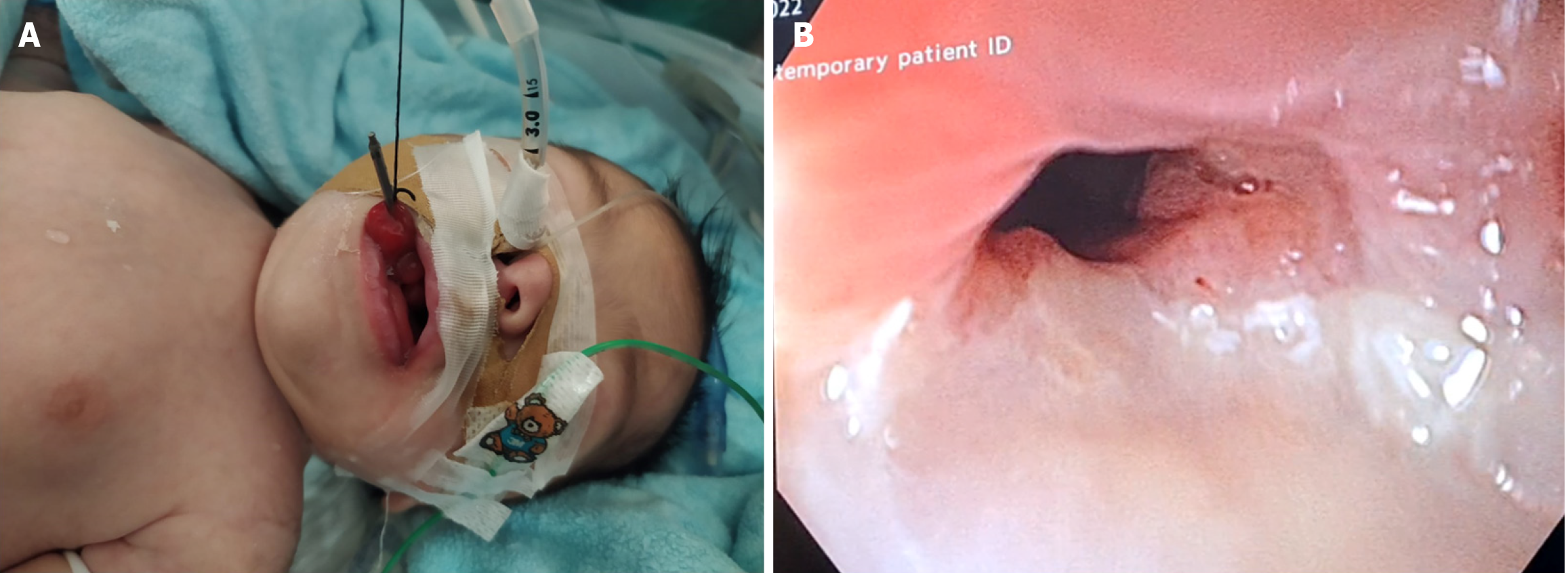
Figure 3 Pre-resection positioning and early postoperative appearance.
A: During the procedure, the mass was secured by a clip and stitch-wire, outside of the mouth; B: Fibrin covered clean base, 3 days following the resection of the mass.
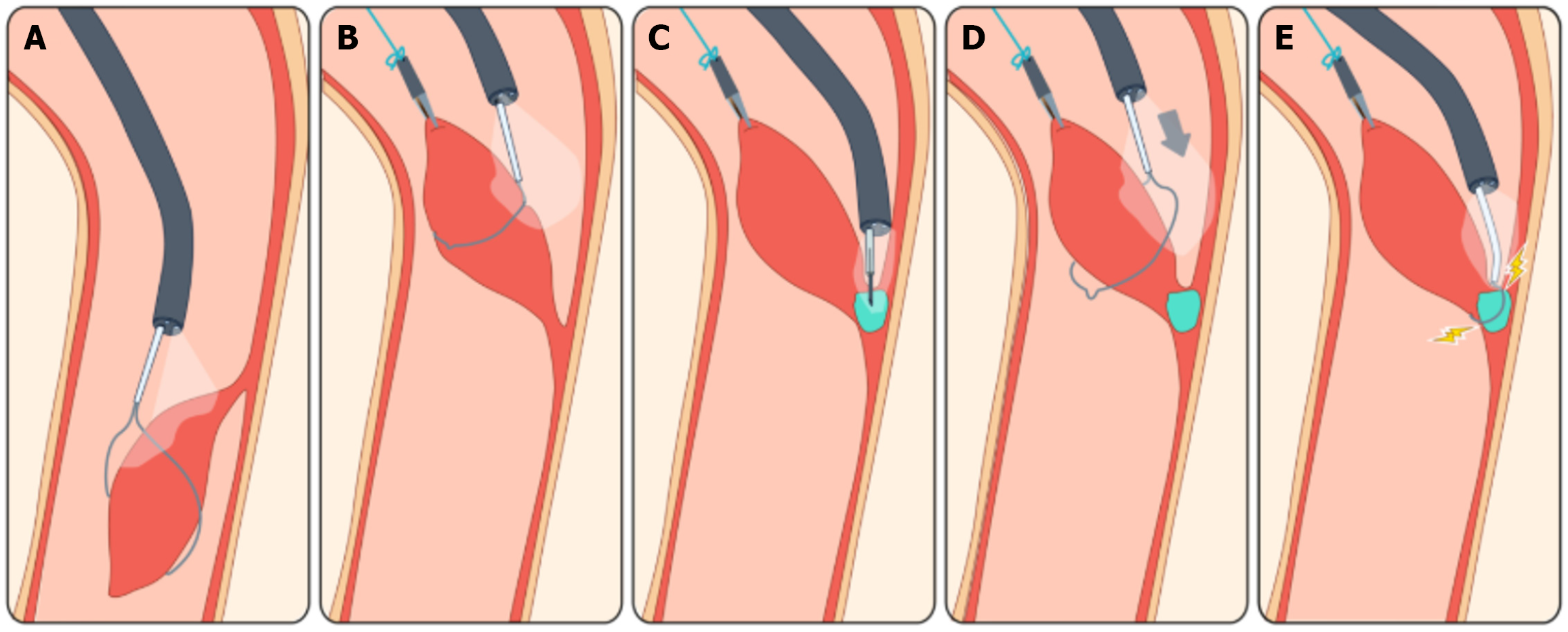
Figure 4 Illustration of the procedure.
A: A slim endoscope was advanced down the esophagus along the longitudinal axis of the mass, which was oriented caudally. A slim-scope compatible snare was used to flip the mass cephalad; B: A hemoclip was applied under direct vision to the tip of the mass. The hemoclip secured a suture wire, allowing upward traction to be exerted on the mass; C: An injection needle sized for the slim scope was used to inject the base of the lesion with an adrenaline-saline solution (1 mg adrenaline in 10 mL normal saline, total volume 2 mL) to create a submucosal lift; D: A slim-scope compatible snare was then inserted through the endoscope and advanced over the traction wire, the clip, and the mass body until it reached the lesion’s base; E: Resection of the mass was performed using a hot-polypectomy technique (ERBE VIO 300 Endocut Q, effect 2, cut duration 1, cut interval 6, maximum output 770).
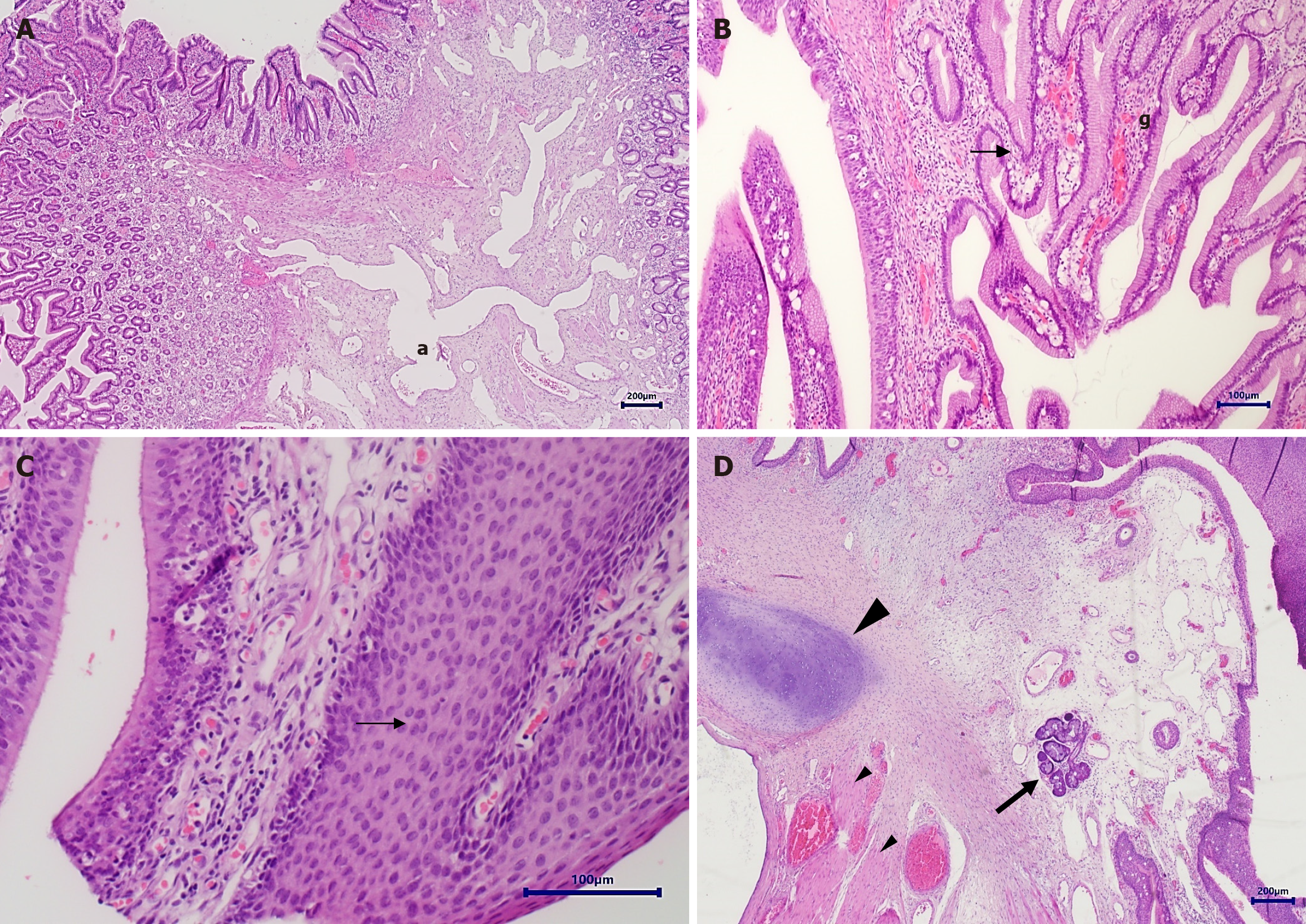
Figure 5 Pathology slices of the tumour.
Hematoxylin and eosin-stained sections from esophageal choristoma. A: Sections show a mass lined mainly by gastric mucosa (left upper and right), with submucosal edema and dilated vascular channels (a); B: Respiratory type ciliated epithelium (arrow) is adjacent to gastric mucosa (g); C: Squamous epithelium is present (arrow); D: Additional features include cartilage plates consistent with tracheobronchial remnants (large arrowhead), and occasional salivary glands (arrow).
- Citation: Giz N, Epshtein J, Savin B, Meir K, Slae M. Presentation and endoscopic resection technique of neonatal esophageal choristoma: A case report. World J Gastrointest Oncol 2026; 18(3): 113851
- URL: https://www.wjgnet.com/1948-5204/full/v18/i3/113851.htm
- DOI: https://dx.doi.org/10.4251/wjgo.v18.i3.113851