
















©The Author(s) 2026.
World J Gastrointest Oncol. Feb 15, 2026; 18(2): 115404
Published online Feb 15, 2026. doi: 10.4251/wjgo.v18.i2.115404
Published online Feb 15, 2026. doi: 10.4251/wjgo.v18.i2.115404
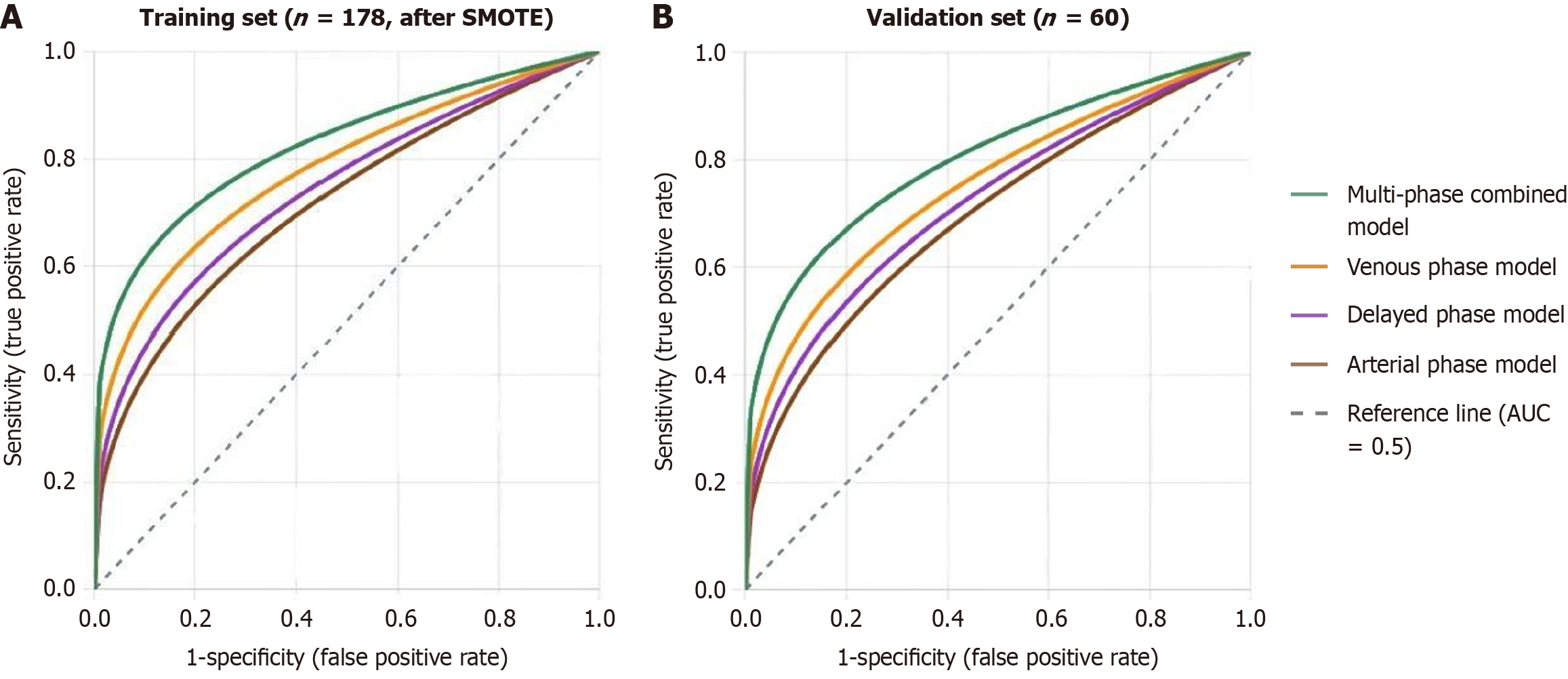
Figure 1 Receiver operating characteristic curves comparison of different radiomics models for peritoneal metastasis prediction.
A: Training set after synthetic minority oversampling technique oversampling (n = 178); B: Independent validation set (n = 60). The multi-phase combined model (green) demonstrated superior performance compared to single-phase models (venous, delayed, and arterial phases) in both datasets. The dashed diagonal line represents random classification (area under the curve = 0.5). SMOTE: Synthetic minority oversampling technique; AUC: Area under the curve.
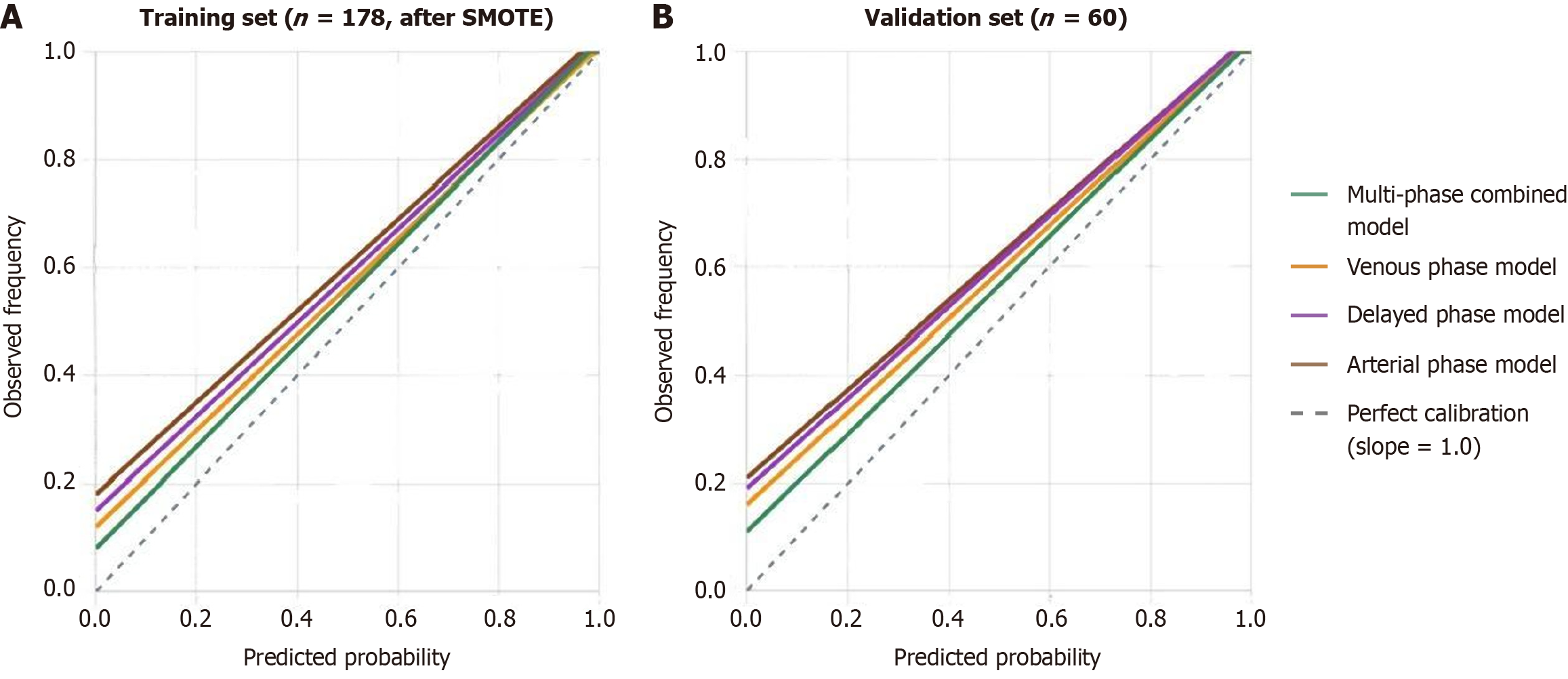
Figure 2 Calibration curves of different radiomics models.
A: Training set after synthetic minority oversampling technique oversampling (n = 178); B: Independent validation set (n = 60). The dashed diagonal line represents perfect calibration (slope = 1.0). All models demonstrated reasonable calibration, with the multi-phase combined model (green) showing predictions closely aligned with actual outcomes in both datasets. SMOTE: Synthetic minority oversampling technique.
- Citation: Mu XD, Ji DX, Kang DQ. Application value of multiphase contrast-enhanced computed tomography radiomics in preoperative evaluation of peritoneal metastasis in gastric cancer. World J Gastrointest Oncol 2026; 18(2): 115404
- URL: https://www.wjgnet.com/1948-5204/full/v18/i2/115404.htm
- DOI: https://dx.doi.org/10.4251/wjgo.v18.i2.115404