
















©The Author(s) 2026.
World J Gastrointest Oncol. Jan 15, 2026; 18(1): 113099
Published online Jan 15, 2026. doi: 10.4251/wjgo.v18.i1.113099
Published online Jan 15, 2026. doi: 10.4251/wjgo.v18.i1.113099
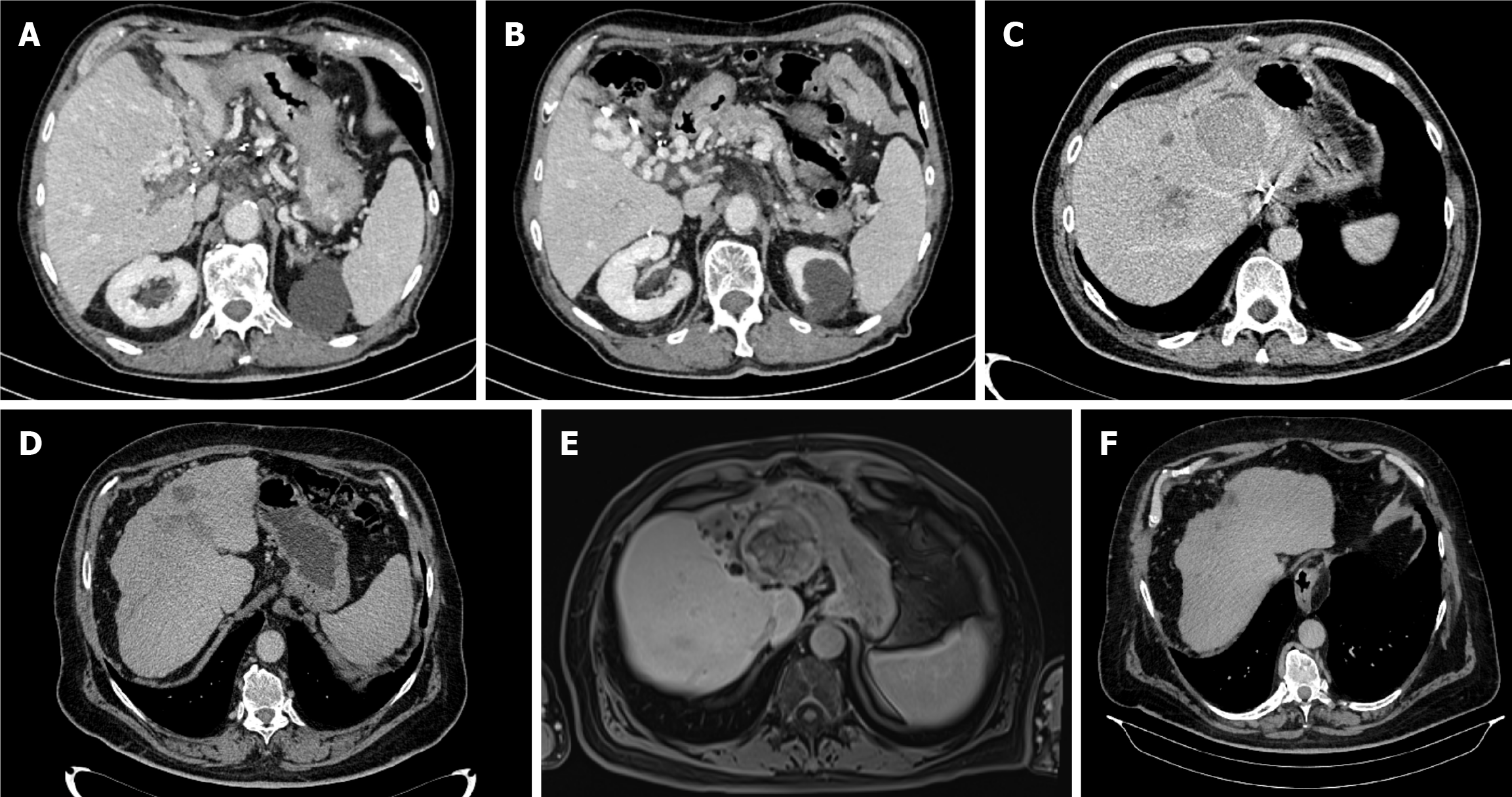
Figure 1 Computed tomography and magnetic resonance imaging scan results.
A: Computed tomography scan showing thrombosis of the portal, splenic, and superior mesenteric veins with a probable tumor thrombus[12]; B: Computed tomography scan showing an expansive caudate lobe (5.4 cm × 3.7 cm), portal vein thrombosis, and fatty infiltration of the rest of the liver parenchyma[12]; C: Computed tomography scan showing necrosis of the largest liver lesion; D: Post-procedural computed tomography with partial regression of the lesions; E: Magnetic resonance imaging of the necrotic liver lesion; F: Last follow-up computed tomography scan, which showed no signs of a viable tumor. Citation for Figure 1A and B: Adžić G, Prejac J, Pleština S. Long-term follow-up of complete remission in a patient with advanced hepatocellular carcinoma treated with sorafenib: A case report. Front Oncol 2023; 13: 1260989. Copyright © 2023 Adžić, Prejac and Pleština. Published by Frontiers Media SA (Supplementary material).
- Citation: Lučev H, Adžić G, Pleština S, Prejac J. Patients with hepatocellular carcinoma achieving a complete response to sorafenib: Three case reports and review of literature. World J Gastrointest Oncol 2026; 18(1): 113099
- URL: https://www.wjgnet.com/1948-5204/full/v18/i1/113099.htm
- DOI: https://dx.doi.org/10.4251/wjgo.v18.i1.113099