
















©The Author(s) 2026.
World J Gastrointest Oncol. Jan 15, 2026; 18(1): 111144
Published online Jan 15, 2026. doi: 10.4251/wjgo.v18.i1.111144
Published online Jan 15, 2026. doi: 10.4251/wjgo.v18.i1.111144
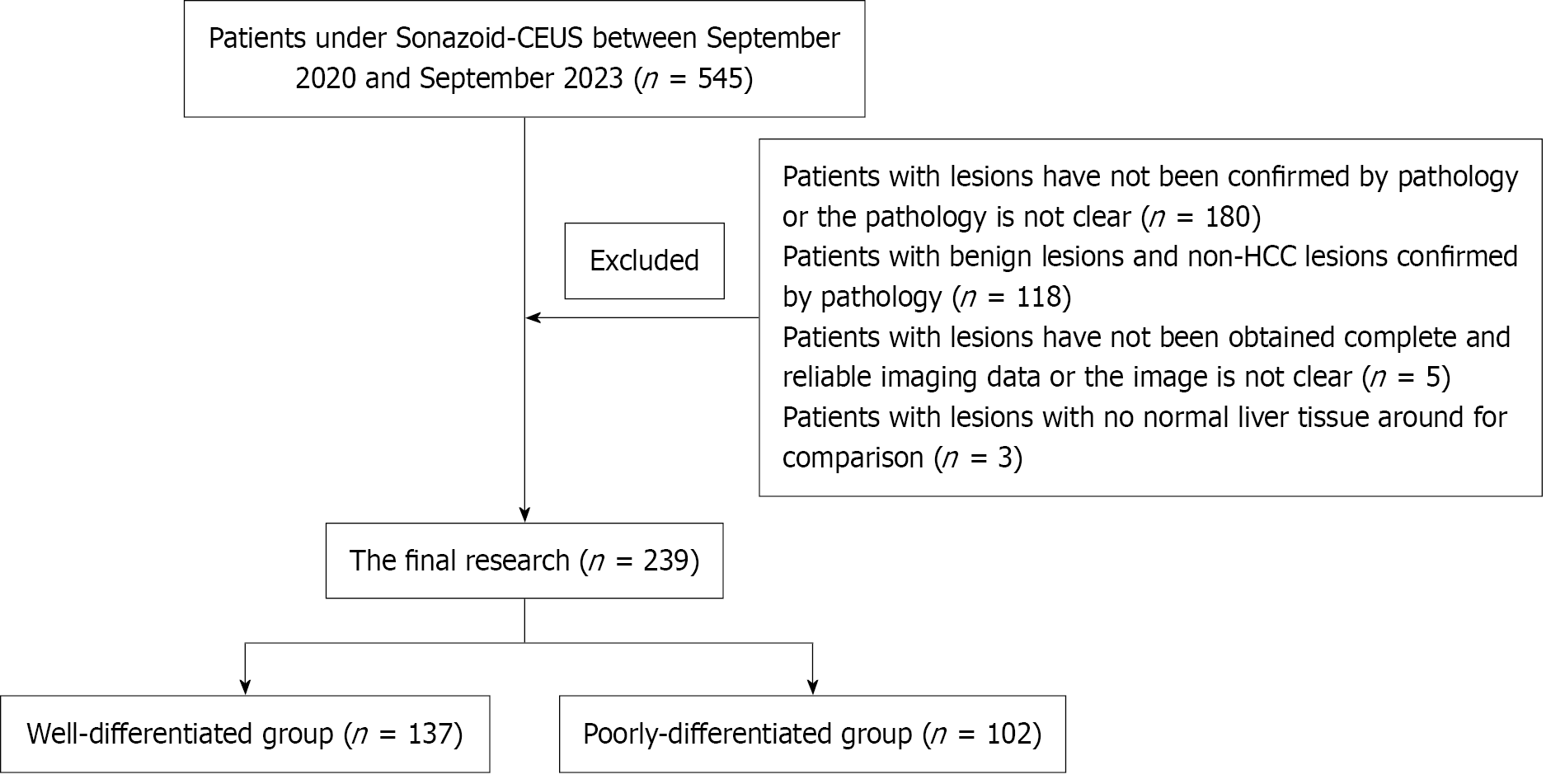
Figure 1 Flow diagram of patients with hepatocellular carcinoma.
HCC: Hepatocellular carcinoma; CEUS: Contrast-enhanced ultrasonography.
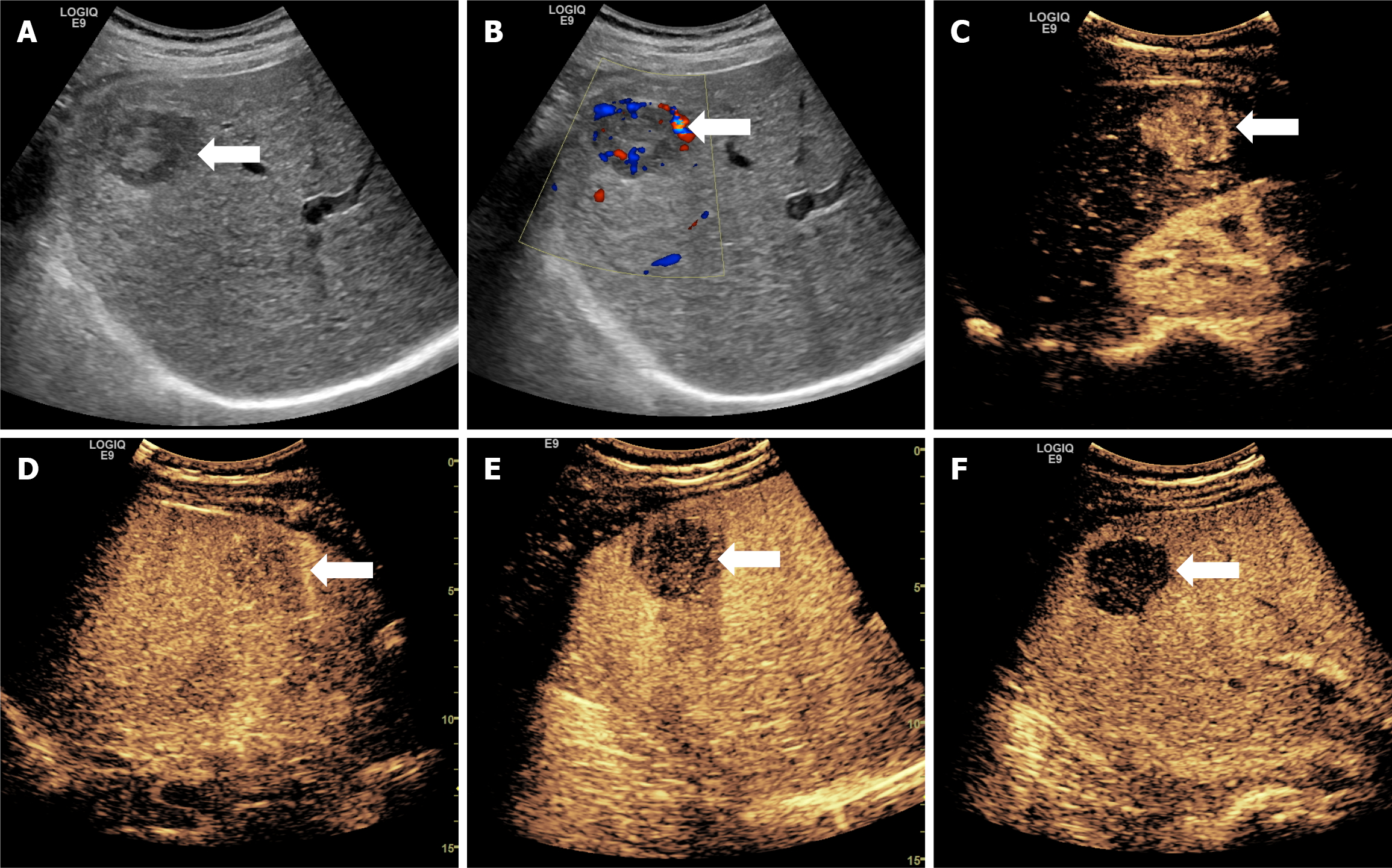
Figure 2 Ultrasound figures of a case of poorly differentiated hepatocellular carcinoma.
The figure presents the case of a 50-year-old male patient without chronic hepatitis B, in whom a liver mass was revealed as poorly differentiated hepatocellular carcinoma with vascular invasion, and a Ki-67 expression of about 50%. A: An ultrasound image showing a mass approximately 3.1 cm in diameter located in the right lobe of the liver; B: Ultrasound image showed abundant short linear blood flow signals in the lesion; C-F: Sonazoid-contrast-enhanced ultrasonography images showing a rapid enhancement of the mass in arterial phase and early washout in the following three phases.
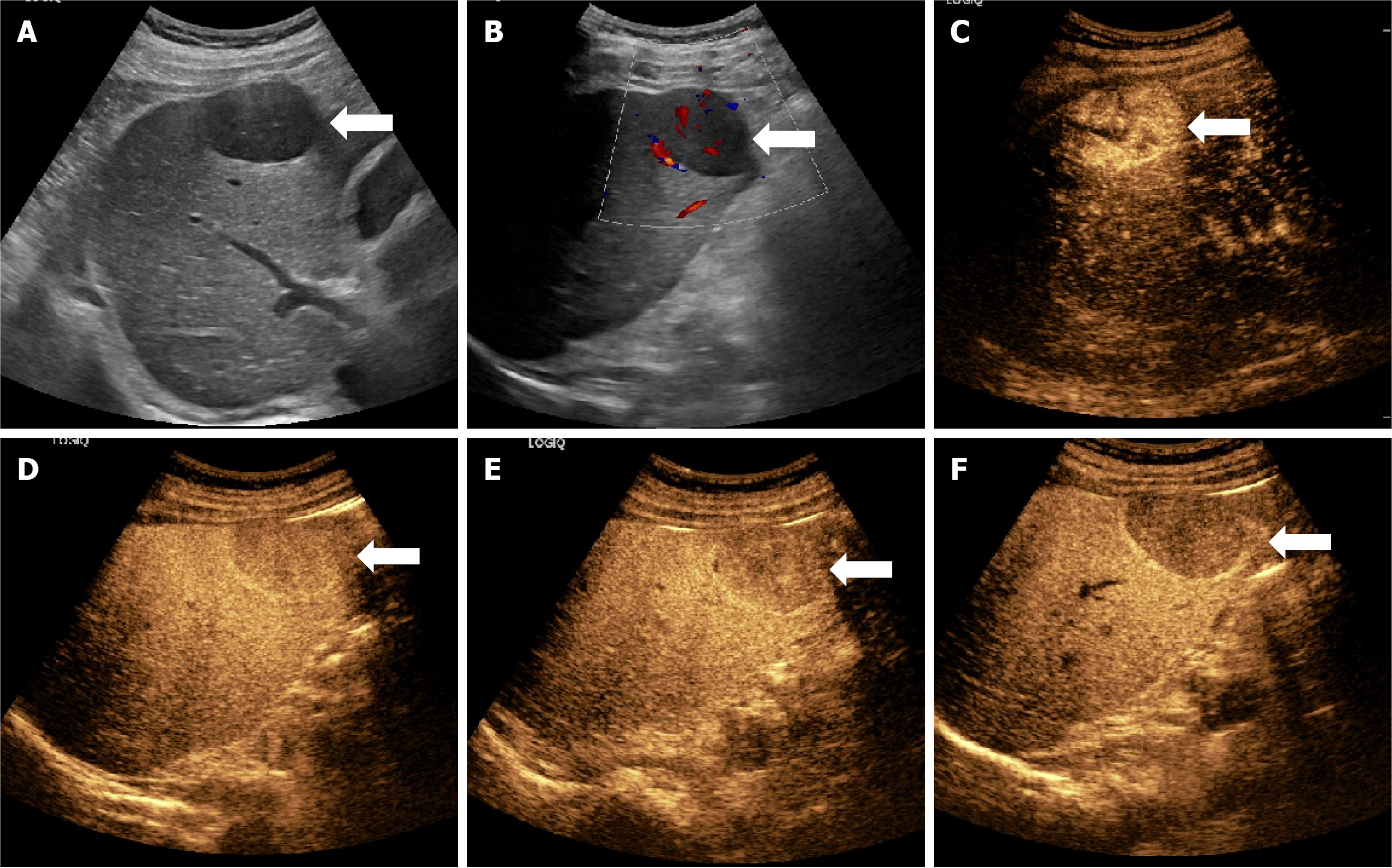
Figure 3 Ultrasound figures of a case of well-differentiated hepatocellular carcinoma.
The figure presents the case of a 54-year-old male patient with chronic hepatitis B, in whom a liver mass was revealed, well-differentiated hepatocellular carcinoma without vascular invasion, and a Ki-67 expression of about 50%. A: An ultrasound image showing a mass approximately 4.4 cm in diameter located in the right lobe of the liver; B: The ultrasound image showed abundant short linear blood flow signals in the lesion; C-F: Sonazoid-contrast-enhanced ultrasonography images showed a rapid enhancement of the mass in arterial phase and washout beginning in the late portal venous phase.
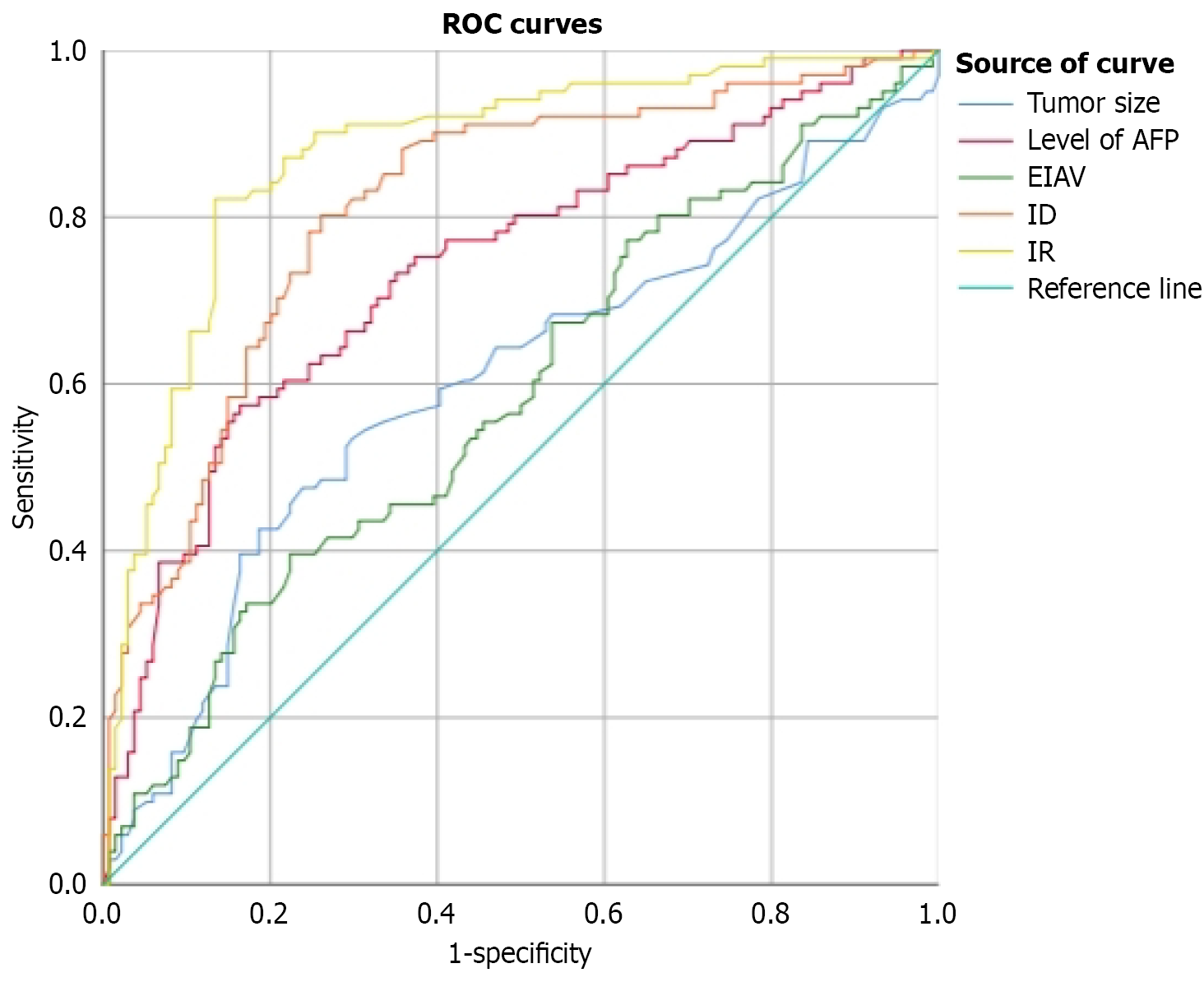
Figure 4 The receiver operating characteristic curves.
The receiver operating characteristic curves of preoperative variables for the histological diagnosis of hepatocellular carcinoma with statistically significant differences included diameter, level of alpha-fetoprotein, absolute enhancement intensity value, intensity difference, and intensity ratio. ROC: Receiver operating characteristic; EIAV: Absolute enhancement intensity value; IR: Intensity ratio; ID: Intensity difference.
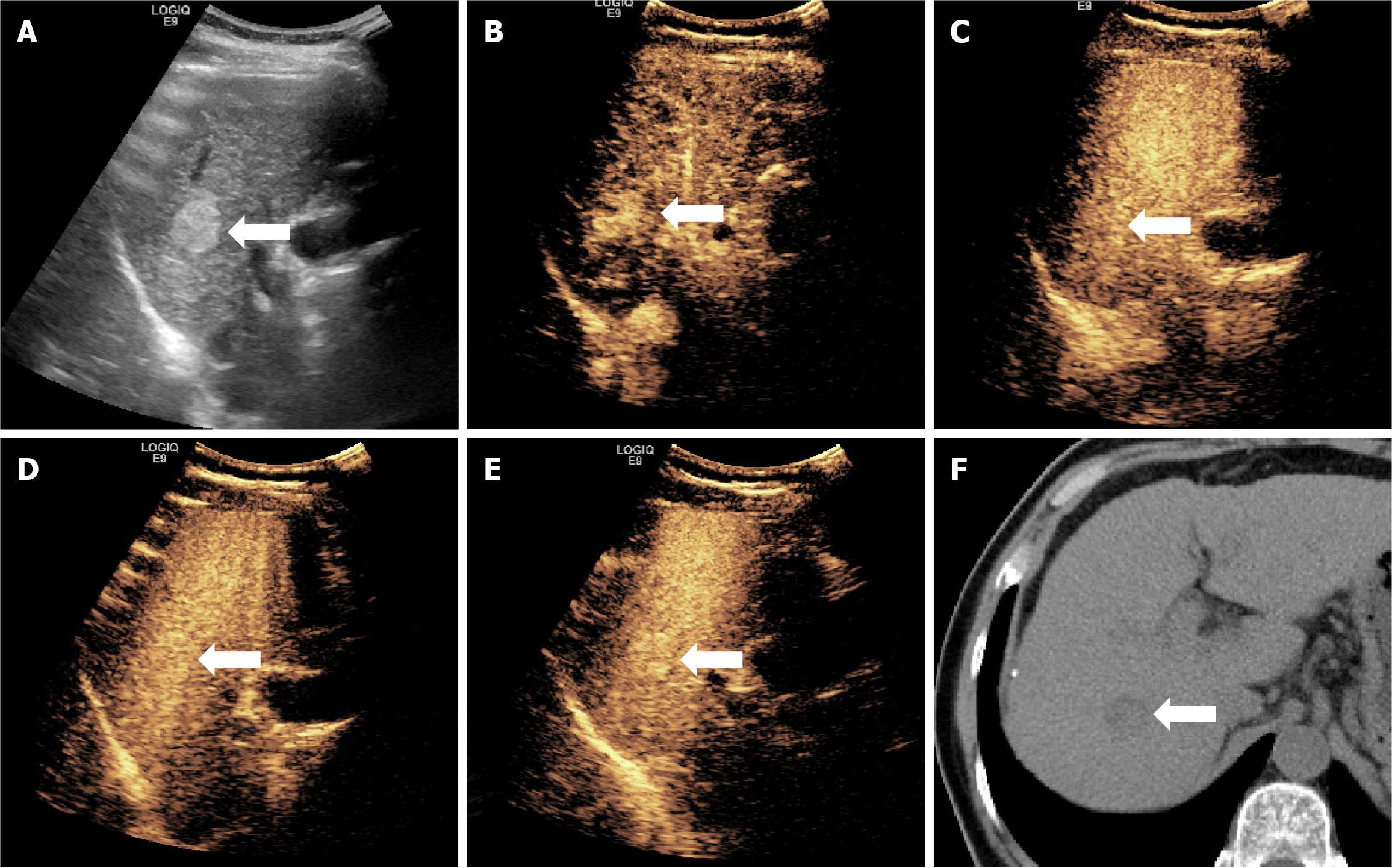
Figure 5 Ultrasound and computed tomography figures of a case of hepatocellular carcinoma showing hyper-enhancement in Kupffer phase.
A typical figure presents the case of a 57-year-old male patient with chronic hepatitis B, in whom a liver mass was detected during a physical examination. After surgical resection, pathology of the lesion revealed well-differentiated hepatocellular carcinoma without vascular invasion, and a Ki-67 LI of about 3%. A: An ultrasound image showing a mass approximately 2.1 cm in diameter located in the right lobe; B-E: Sonazoid-contrast-enhanced ultrasonography images show rapid enhancement of the mass in arterial phase, and washout does not occur in the following three phases; F: Computed tomography plain image revealing the mass.
- Citation: Liu RB, Xin JY, Huang Z, Li KY. Sonazoid-contrast-enhanced ultrasound for the histological diagnosis of hepatocellular carcinoma. World J Gastrointest Oncol 2026; 18(1): 111144
- URL: https://www.wjgnet.com/1948-5204/full/v18/i1/111144.htm
- DOI: https://dx.doi.org/10.4251/wjgo.v18.i1.111144