
















©The Author(s) 2025.
World J Gastrointest Oncol. Dec 15, 2025; 17(12): 113524
Published online Dec 15, 2025. doi: 10.4251/wjgo.v17.i12.113524
Published online Dec 15, 2025. doi: 10.4251/wjgo.v17.i12.113524
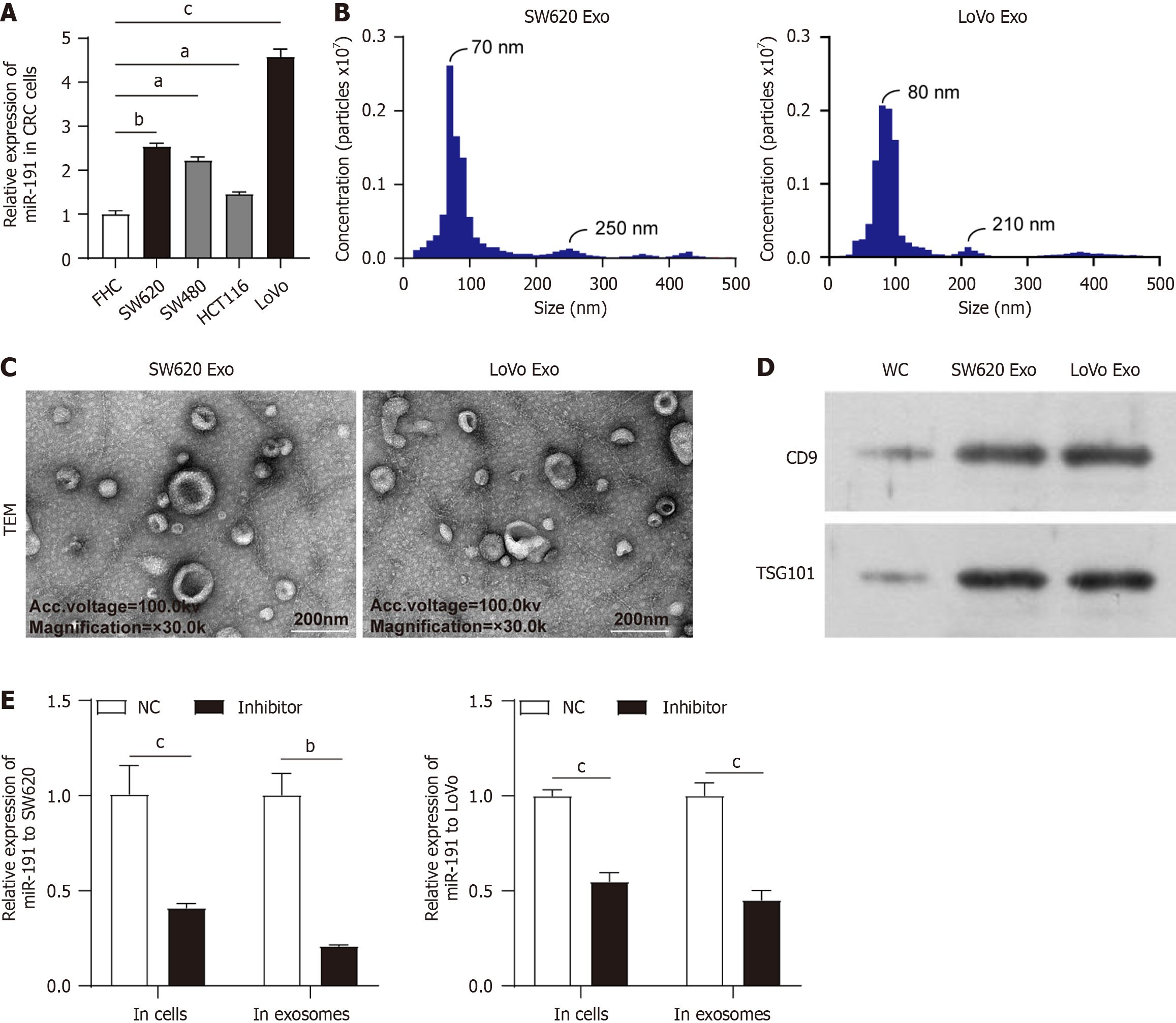
Figure 1 Extraction and identification of supernatant exosomes from colorectal cancer cells after miR-191 inhibition.
A: Quantitative reverse transcription polymerase chain reaction (qRT-PCR) was performed to analyze the expression change of miR-191 in fetal human colon and colorectal cancer cells (SW620, SW480, HCT116 and LoVo); B: Size distribution and number of the isolated exosomes were displayed by nano sight particle-tracking analysis; C: Transmission electron microscopy showed the size and shape of the exosomes derived from SW620 and LoVo cells. Scale bar = 200 nm; D: Expression of cluster of differentiation 9 and TSG101 was confirmed by western blotting in exosomes secreted by SW620 and LoVo cells; E: QRT-PCR analysis of miR-191 expression in SW620- and LoVo-derived exosomes after transfection with miR-191 inhibitor. aP < 0.05. bP < 0.01. cP < 0.001. CRC: Colorectal cancer; FHC: Fetal human colon; Exo: Exosome; TEM: Transmission electron microscopy; CD: Cluster of differentiation; WC: Whole cell lysate; NC: Negative control.
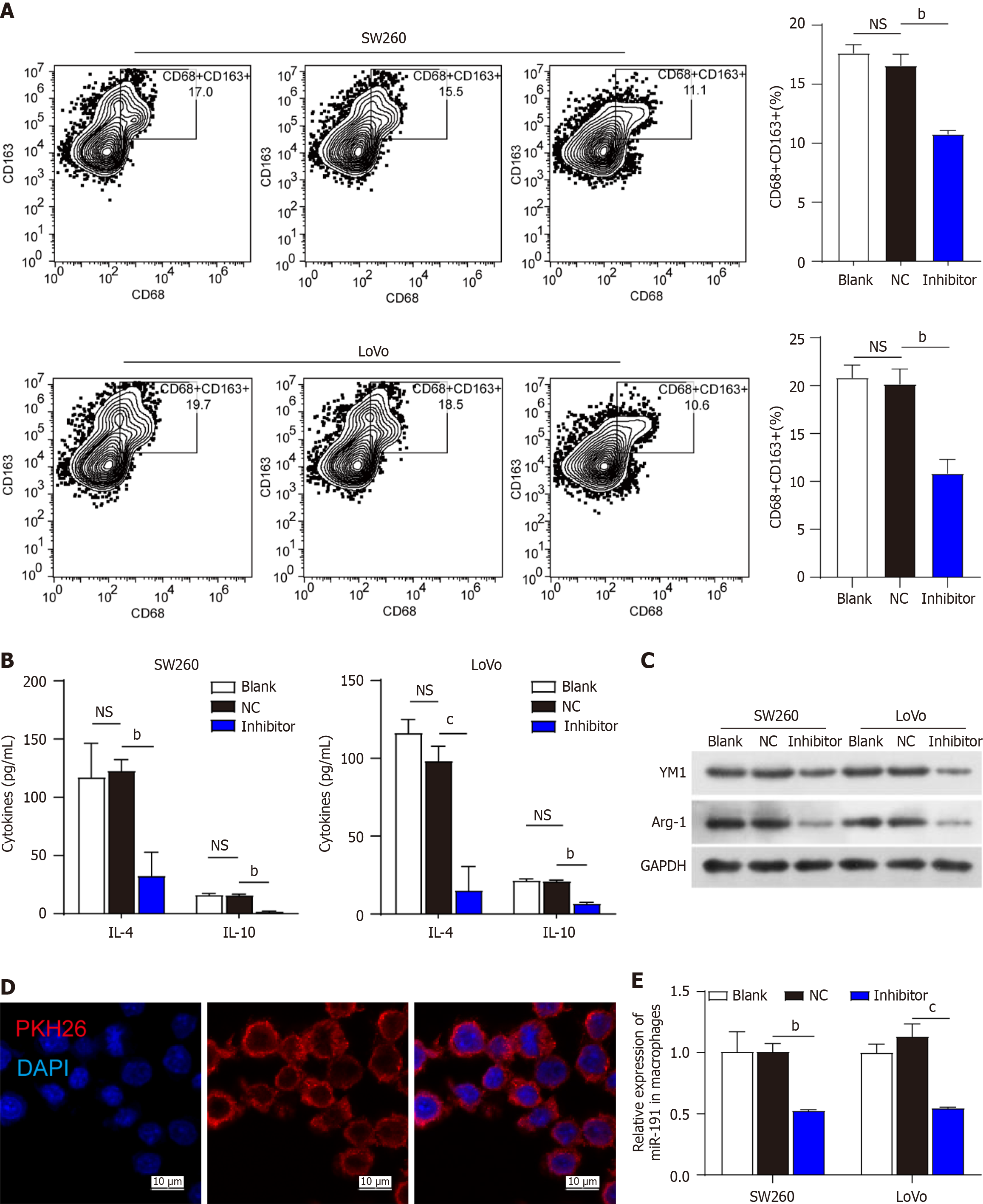
Figure 2 Inhibition of miR-191 in colorectal cancer cells dramatically prevents M2 polarization of macrophages.
A: MiR-191-inhibited colorectal cancer cells were cocultured with M0 macrophages. M2 polarization of macrophages was determined using flow cytometry to analyze the markers cluster of differentiation (CD) 68 and CD163; B: Enzyme-linked immunosorbent assay of inflammatory cytokines interleukin (IL)-4 and IL-10 in M2-polarized macrophages; C: Western blotting of chitinase-like protein 3 and arginase-1 expression in M2 macrophages; D: After exosomes were labeled with 1,1’-dioctadecyl-3,3,3’,3’-tetramethylindocarbocyanine perchlorate, the uptake of exosomes by macrophages was monitored by immunofluorescence staining. Magnification = 400 ×, scale bar = 10 μm; E: Quantitative reverse transcription polymerase chain reaction exhibited the change of miR-191 expression in macrophages after miR-191 inhibition. bP < 0.01. cP < 0.001. CD: Cluster of differentiation; NC: Negative control; IL: Interleukin; NS: Not significant; YM1: Chitinase-like protein 3; Arg-1: Arginase-1; GAPDH: Glyceraldehyde-3-phosphate dehydrogenase; PKH26: 1,1’-dioctadecyl-3,3,3’,3’-tetramethylindocarbocyanine perchlorate; DAPI: 4’,6-diamidino-2-phenylindole.
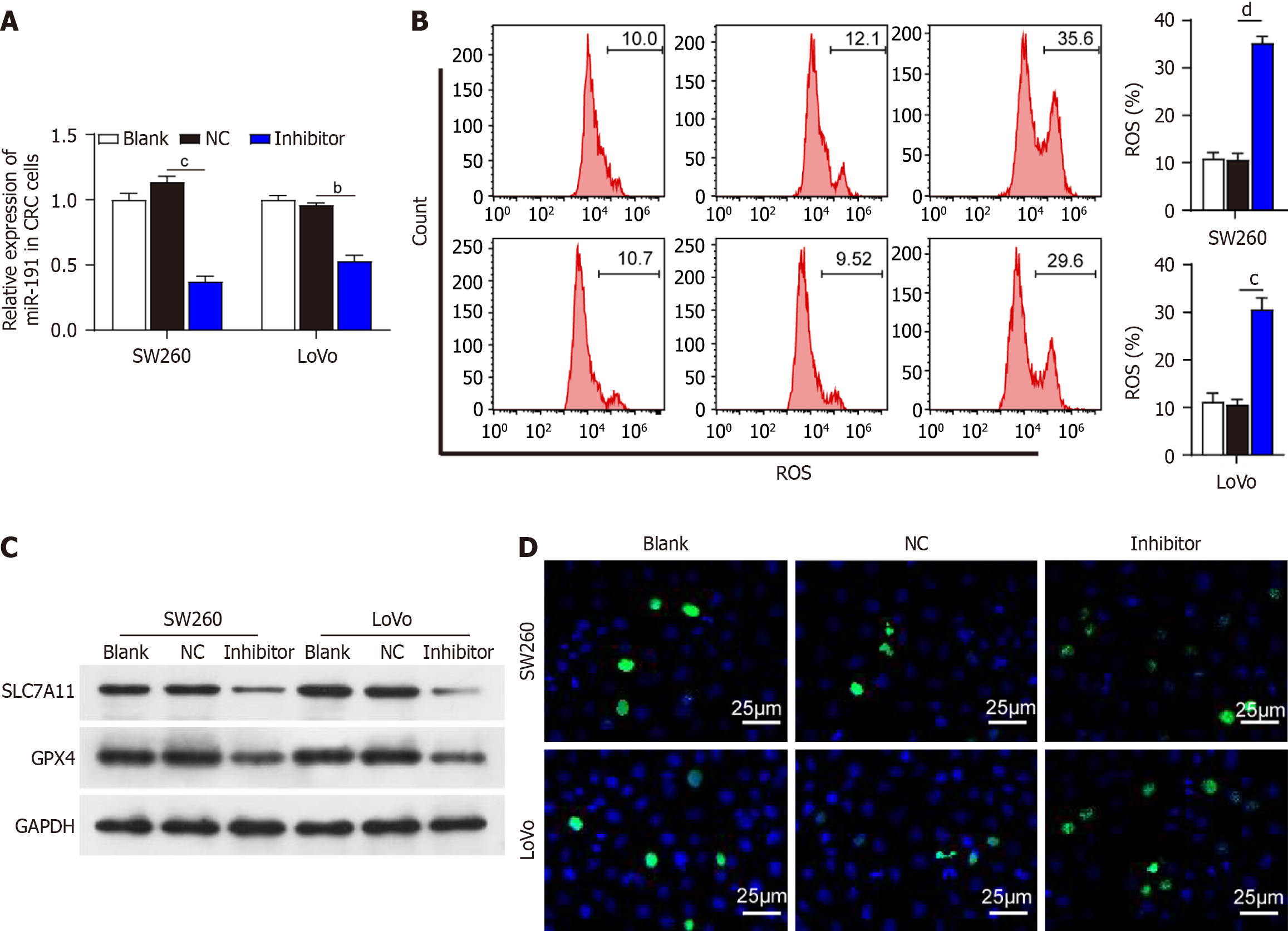
Figure 3 Downregulation of miR-191 promotes reactive oxygen species production, ferroptosis, and apoptosis of colorectal cancer cells after co-culture of macrophages.
A: Macrophages were cocultured with SW620 and LoVo cells, which were treated with miR-191 inhibitor. Quantitative reverse transcription polymerase chain reaction evaluated expression of miR-191 in colorectal cancer (CRC) cells; B: Flow cytometry was conducted to monitor the level of reactive oxygen species; C: Changes in expression of SLC7A11 and GPX4 were identified via western blotting; D: TUNEL staining of apoptosis in CRC cells. Magnification = 200 ×. bP < 0.01. cP < 0.001. dP < 0.0001. CRC: Colorectal cancer; NC: Negative control; ROS: Reactive oxygen species; GAPDH: Glyceraldehyde-3-phosphate dehydrogenase.
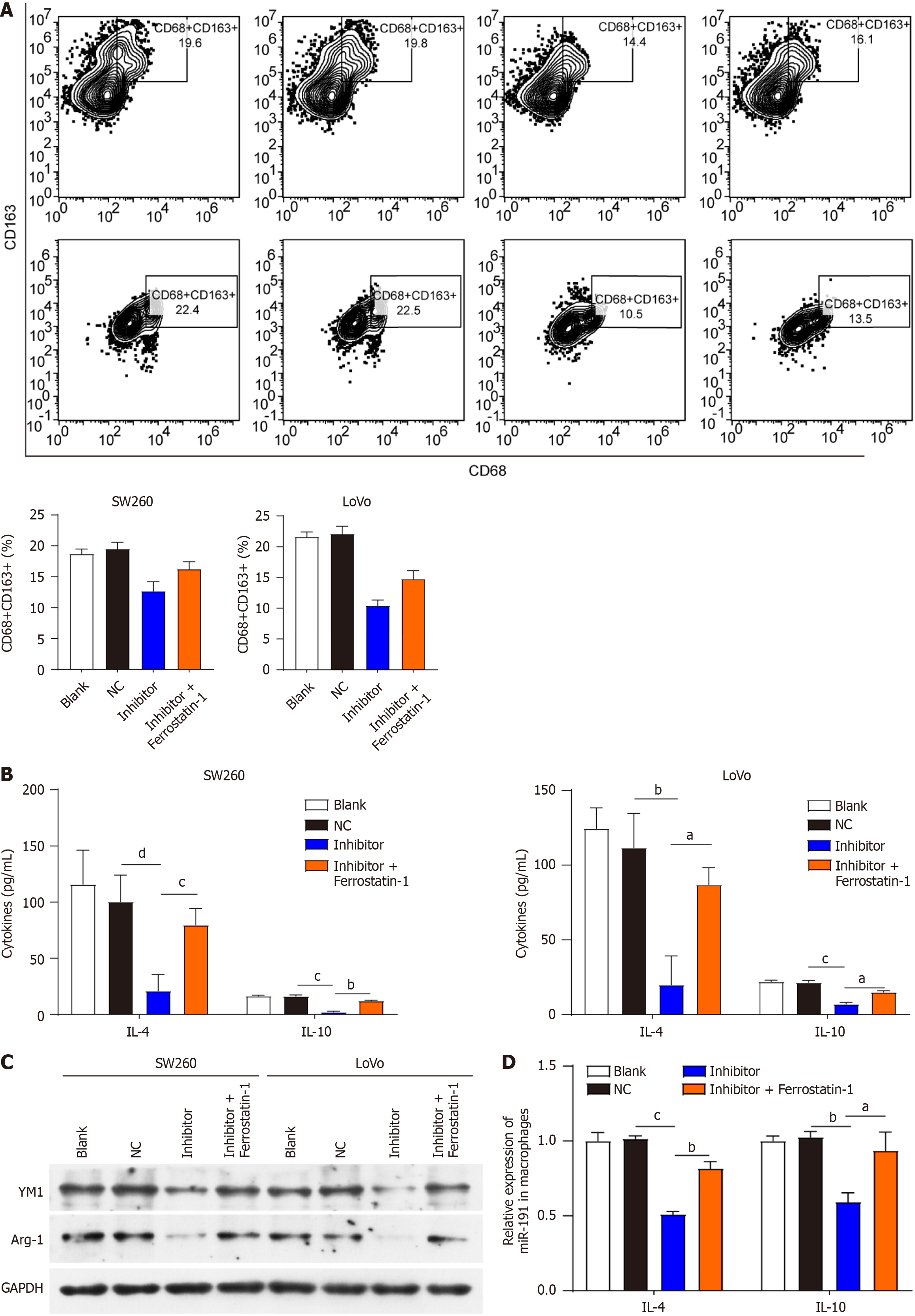
Figure 4 Silencing of exosomal miR-191 from colorectal cancer cells attenuate inflammation and M2 polarization of macrophages by inducing ferroptosis of macrophages.
A: Macrophages were incubated with exosomes from colorectal cancer cells, and treated with miR-191 inhibitor and/or ferrostatin-1. Flow cytometry demonstrated changes in cluster of differentiation (CD) 68 and CD163 in macrophages; B: Concentration of interleukin (IL)-4 and IL-10 was confirmed by enzyme-linked immunosorbent assay; C: Western blotting assessed the changes in chitinase-like protein 3 and arginase-1 expression; D: IL-4 and IL-10 were monitored using quantitative reverse transcription polymerase chain reaction in macrophages. aP < 0.05. bP < 0.01. cP < 0.001. dP < 0.0001. CD: Cluster of differentiation; NC: Negative control; IL: Interleukin; YM1: Chitinase-like protein 3; Arg-1: Arginase-1; GAPDH: Glyceraldehyde-3-phosphate dehydrogenase.
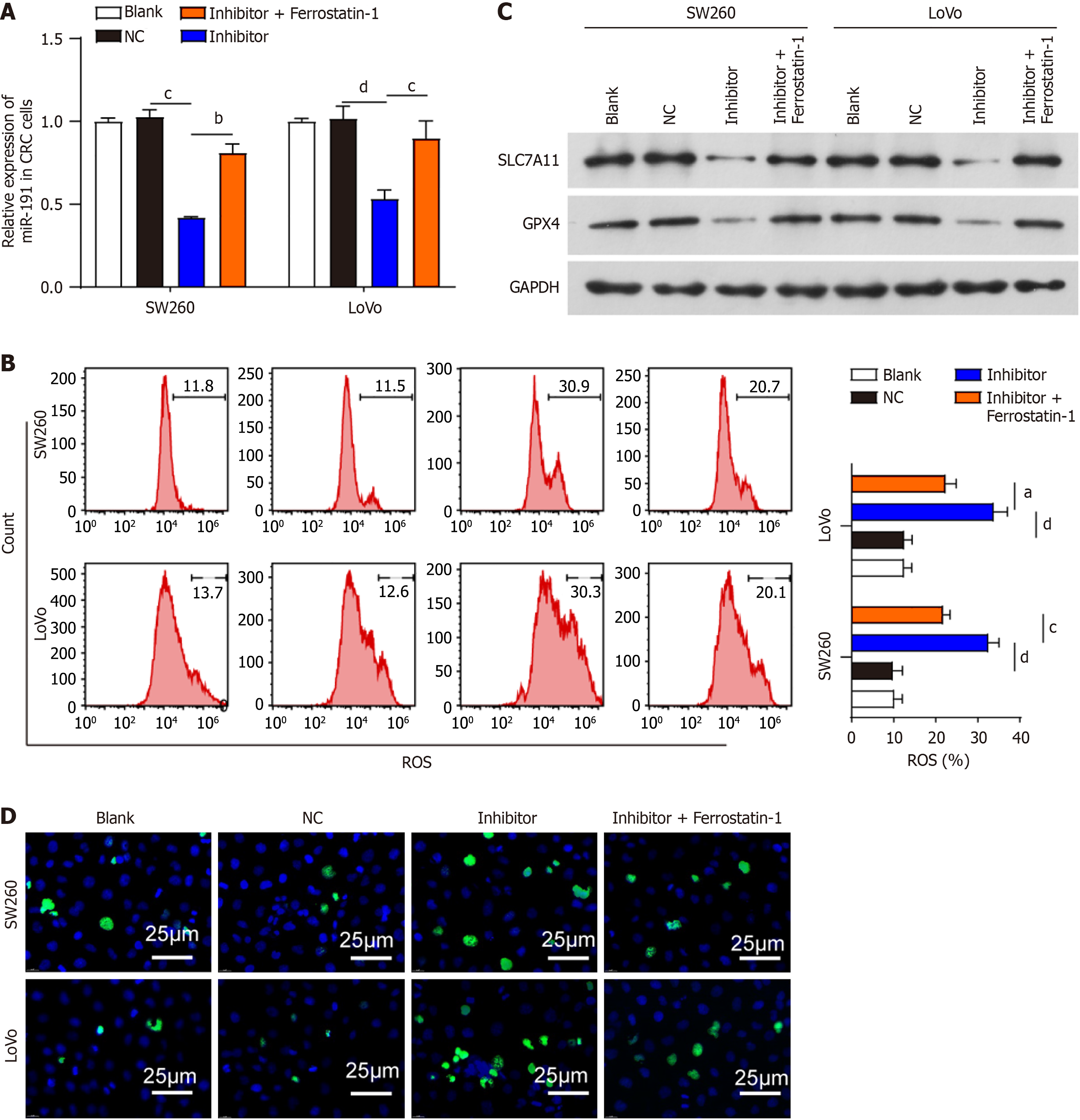
Figure 5 Inhibition of exosomal miR-191 colorectal cancer cells enhance reactive oxygen species production, ferroptosis, and apoptosis of colorectal cancer cells through accelerating ferroptosis in macrophages.
A: Colorectal cancer (CRC) cells were exposed to exosomes from CRC cells and cocultured with miR-191-inhibitor and/or ferrostatin-1-treated macrophages; Expression of miR-191 in CRC cells was evaluated by quantitative reverse transcription polymerase chain reaction; B: Level of reactive oxygen species was measured via flow cytometry in CRC cells; C: Western blotting showed the changes in SLC7A11 and GPX4 expressions in CRC cells; D: Apoptosis was measured by TUNEL assay. aP < 0.05. bP < 0.01. cP < 0.001. dP < 0.0001. CRC: Colorectal cancer; NC: Negative control; ROS: Reactive oxygen species; GAPDH: Glyceraldehyde-3-phosphate dehydrogenase.
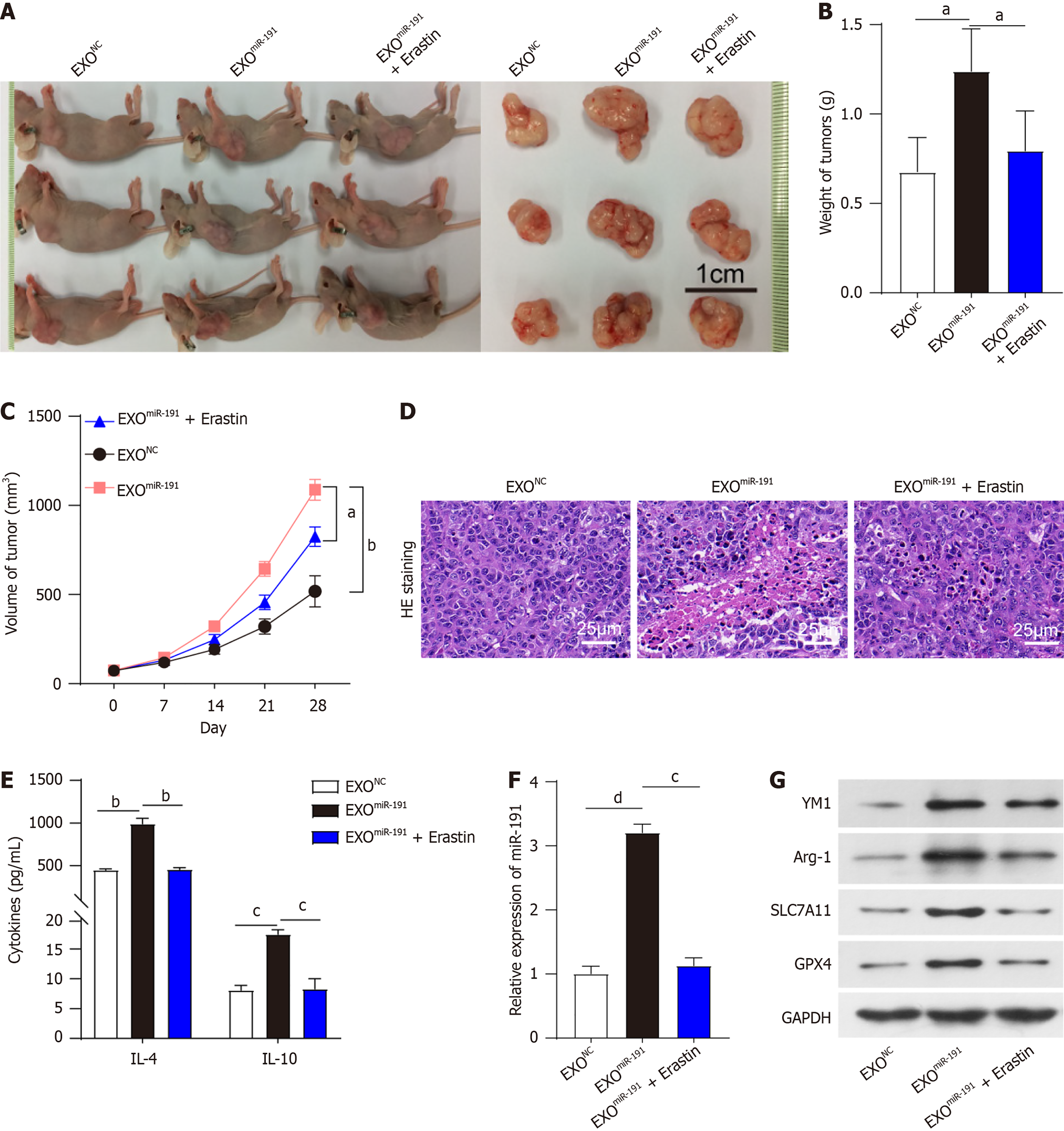
Figure 6 Exosomal miR-191 from colorectal cancer cells promotes growth, and alters pathological structure of subcutaneous tumors in colorectal cancer nude mice by inducing M2 polarization of macrophages.
A: Nude mice were injected subcutaneously with colorectal cancer cells and exosomal miR-191, which were then processed with M2 type macrophage inhibitor erastin; Mice were killed after 28 days, and the tumors were removed; B: Tumor weight was measured; C: Tumor volume was measured; D: Hematoxylin and eosin staining monitored the histopathological changes of the tumors; E: Levels of interleukin (IL)-4 and IL-10 were measured by enzyme-linked immunosorbent assay; F: Expression of miR-191 in tumor tissues was analyzed by quantitative reverse transcription polymerase chain reaction; G: Changes in SLC7A11, GPX4, chitinase-like protein 3 and arginase-1 expression were assessed using western blotting in tumor tissues. aP < 0.05. bP < 0.01. cP < 0.001. dP < 0.0001. Exo: Exosome; NC: Negative control; IL: Interleukin; HE: Hematoxylin and eosin; YM1: Chitinase-like protein 3; Arg-1: Arginase-1; GAPDH: Glyceraldehyde-3-phosphate dehydrogenase.
- Citation: Zhao QY, Wei SJ. Exosomal miR-191 promotes colorectal cancer progression by inducing M2 macrophage polarization and inhibiting ferroptosis. World J Gastrointest Oncol 2025; 17(12): 113524
- URL: https://www.wjgnet.com/1948-5204/full/v17/i12/113524.htm
- DOI: https://dx.doi.org/10.4251/wjgo.v17.i12.113524