
















©The Author(s) 2025.
World J Gastrointest Oncol. Dec 15, 2025; 17(12): 110877
Published online Dec 15, 2025. doi: 10.4251/wjgo.v17.i12.110877
Published online Dec 15, 2025. doi: 10.4251/wjgo.v17.i12.110877
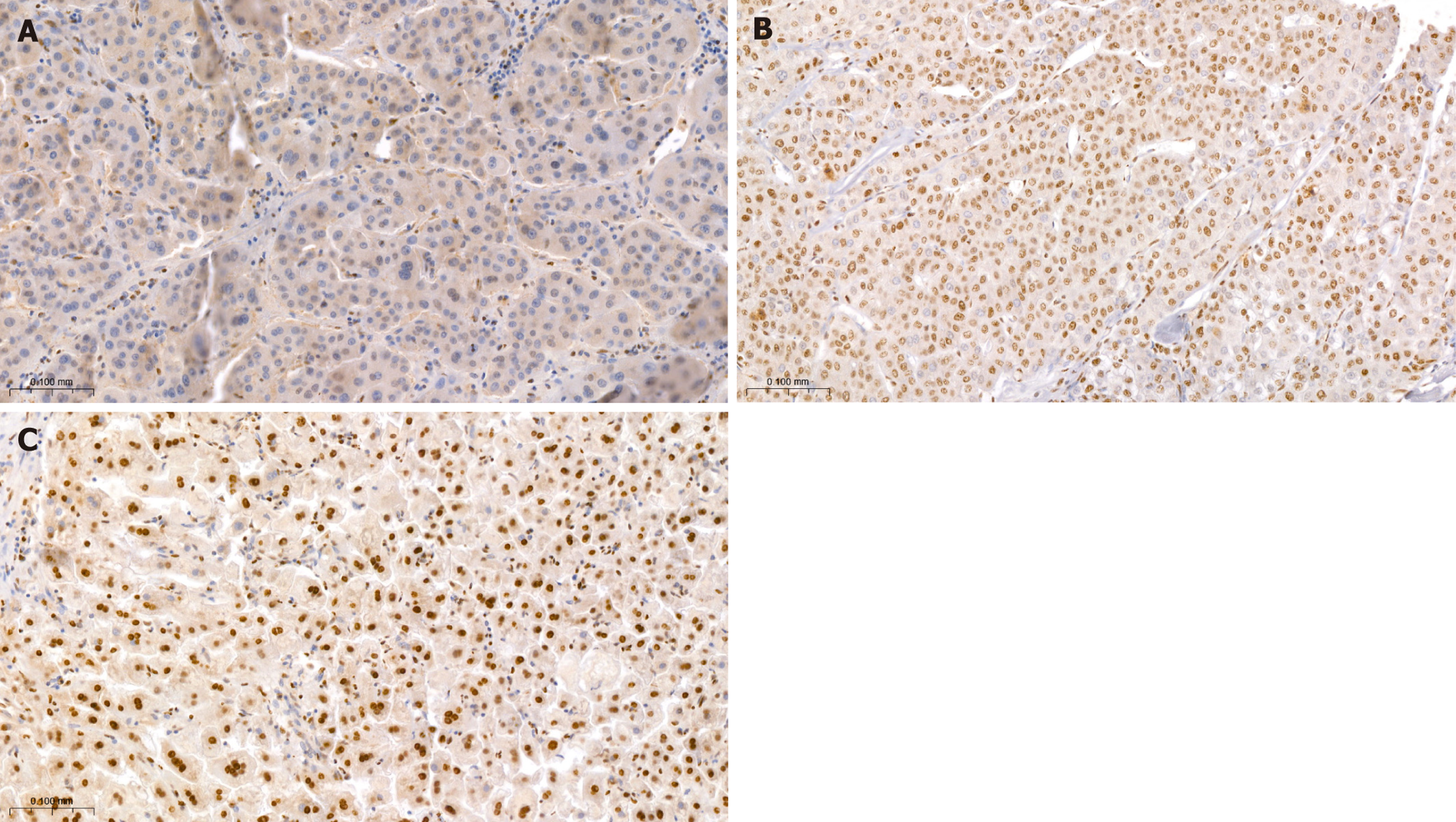
Figure 1 Representative cases of citrullinated glial fibrillary acidic protein expression according to intensity.
A: Weak staining (1 +); B: Moderate staining (2 +); C: Strong staining (3 +). Nuclear localization of citrullinated glial fibrillary acidic protein within tumor cells is clearly observed in all representative images. Original magnification × 100.
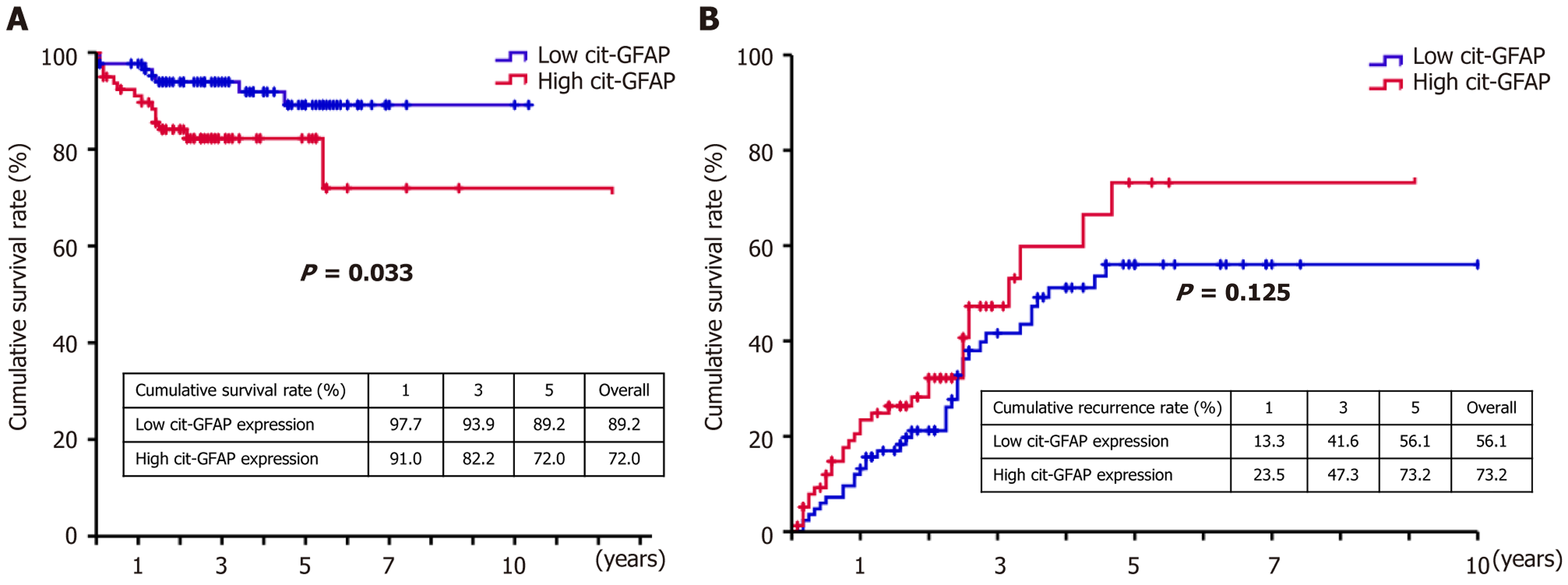
Figure 2 Cumulative survival rates and recurrence rates.
A: Cumulative survival rates were significantly higher in patients with hepatocellular carcinoma and low glial fibrillary acidic protein (GFAP) expression compared with those with high citrullinated GFAP (cit-GFAP) expression (P = 0.033). Patients with low cit-GFAP expression had 1-year, 3-year, and 5-year cumulative survival rates of 97.7%, 93.9%, and 89.2%, respectively. In contrast, the corresponding rates for patients with high cit-GFAP expression were 91%, 82.2%, and 72.0%, respectively; B: Cumulative recurrence rates were higher in patients with hepatocellular carcinoma and high cit-GFAP expression compared with those with low cit-GFAP expression. Patients with low cit-GFAP expression had 1-year, 3-year, and 5-year cumulative recurrence rates of 13.3%, 41.6%, and 56.1%, respectively. In contrast, the corresponding rates for patients with high cit-GFAP expression were 235%, 47.3%, and 73.2%, respectively (P = 0.125). cit-GFAP: Citrullinated glial fibrillary acidic protein.
- Citation: Cho YA, Shin DW, Kim MJ, Park JW, Choe JY, Lee JW, Moon SH, Ishigami A, Choi EK, Kim SE. Clinical significance of citrullinated glial fibrillary acidic protein in predicting outcomes in hepatocellular carcinoma. World J Gastrointest Oncol 2025; 17(12): 110877
- URL: https://www.wjgnet.com/1948-5204/full/v17/i12/110877.htm
- DOI: https://dx.doi.org/10.4251/wjgo.v17.i12.110877