
















Copyright: ©Author(s) 2026.
World J Gastrointest Endosc. Apr 16, 2026; 18(4): 115366
Published online Apr 16, 2026. doi: 10.4253/wjge.v18.i4.115366
Published online Apr 16, 2026. doi: 10.4253/wjge.v18.i4.115366
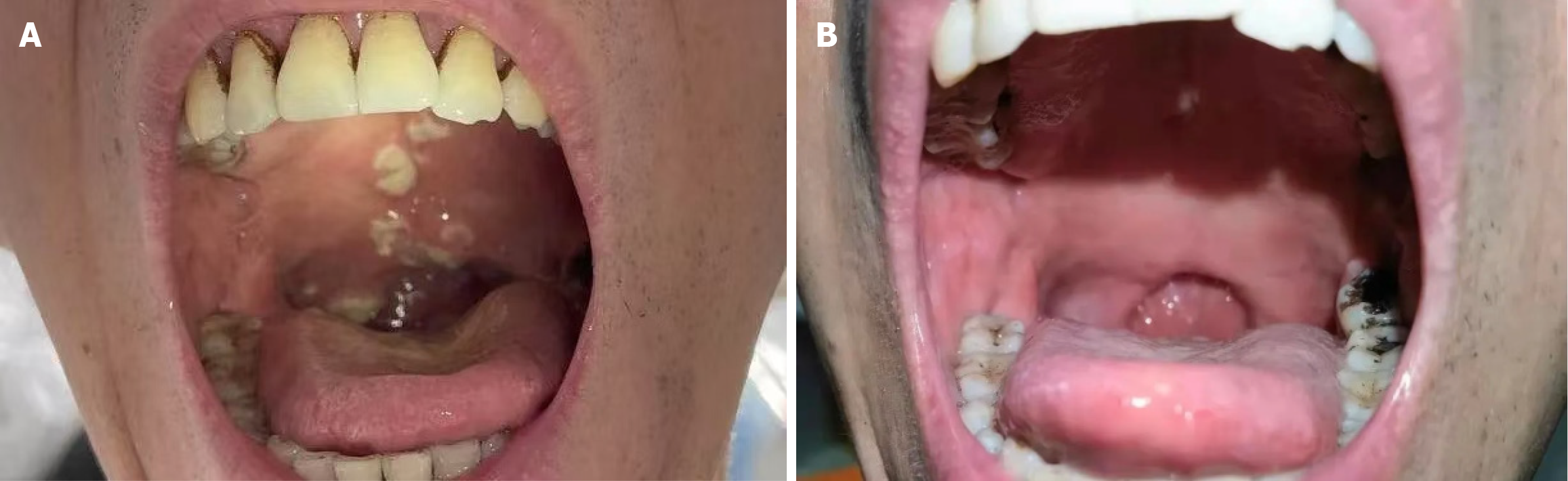
Figure 1 Oropharyngeal conditions.
A: Mouth ulcers were visible before fecal microbiota transplantation treatment; B: Mouth ulcers disappeared after fecal microbiota transplantation treatment.
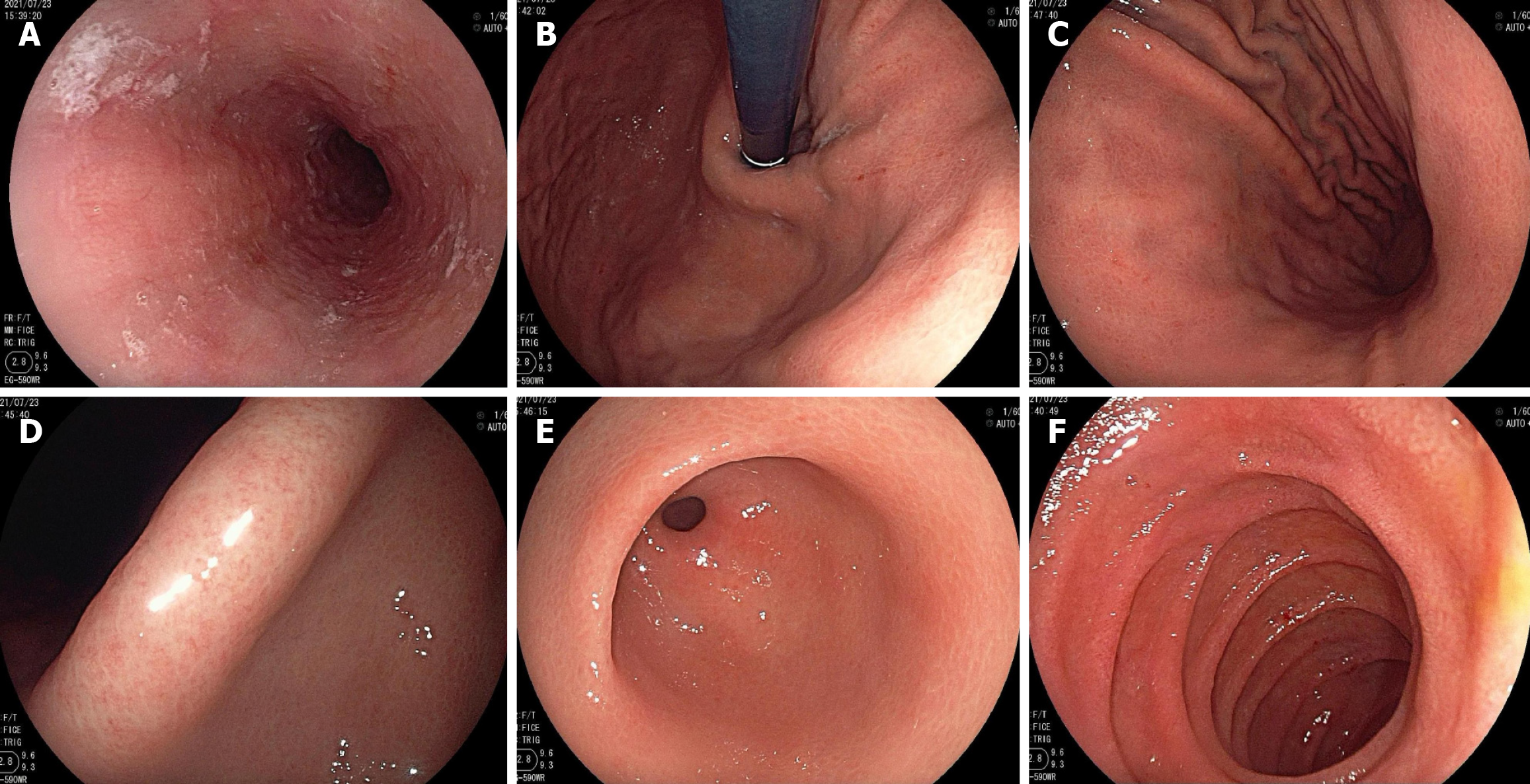
Figure 2 Gastroscopic presentation on admission.
A: The esophagus had a smooth mucosa with a clear vascular network, and no ulcers, erosions, polyps, or varicose veins were seen; B and C: The gastric fundus and the gastric body had multiple red spots, and the regular arrangement of collecting venules was not visible. The mucosa of the gastric body was mildly reddened and swollen without chicken-skin-like changes; D and E: The mucosal regular arrangement of collecting venules was not visible in the gastric angle. The gastric angle and antrum had no chicken-skin-like changes; F: The proximal mucosa and annular folds of the descending duodenum were normal.
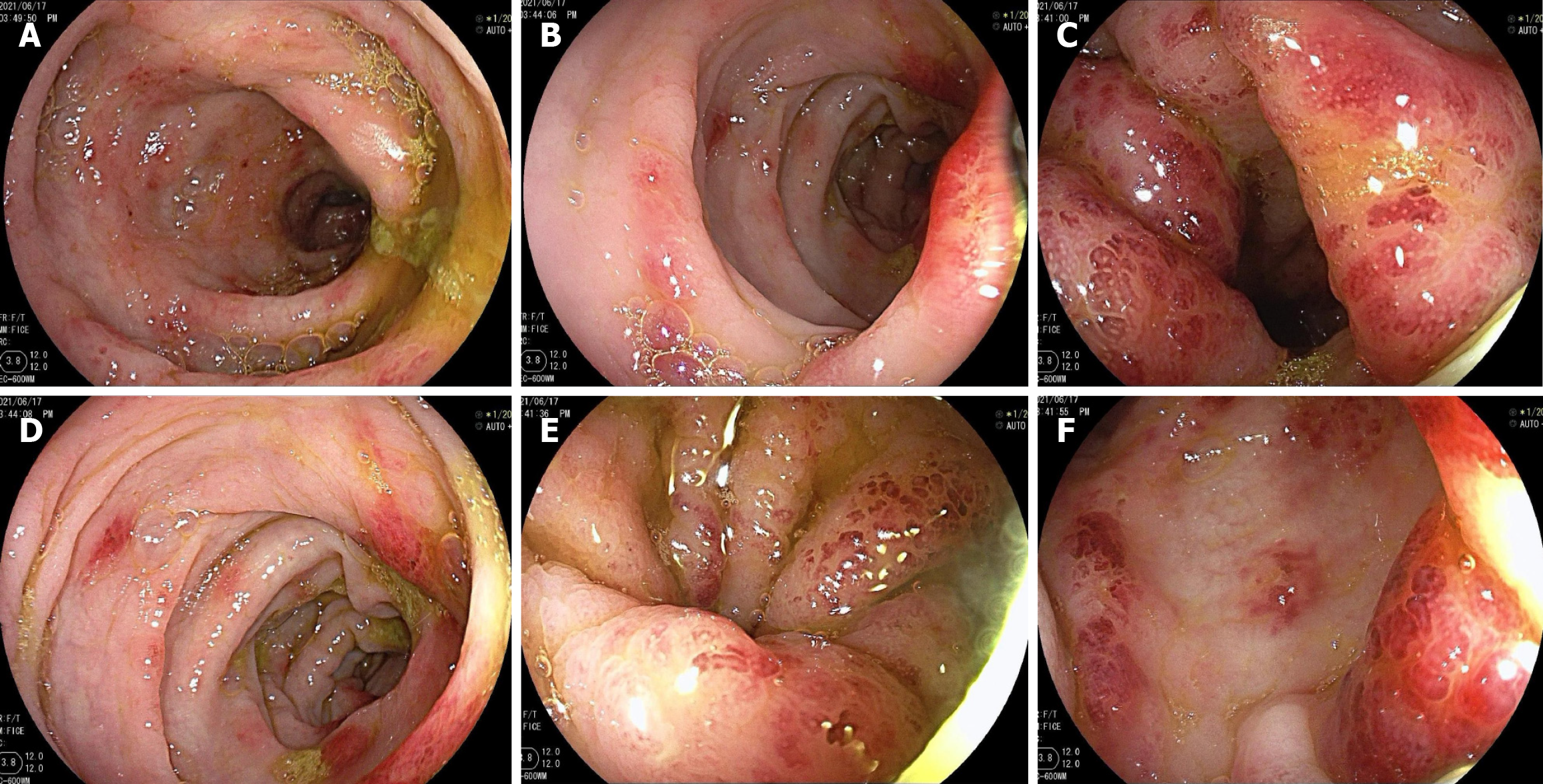
Figure 3 Enteroscopic presentation at admission.
Multiple ulcerated erosions, surface redness, partial white moss covering, extensive intestinal mucosa erosion, congestion, and local oozing blood. The colonic pouch had disappeared, and the intestinal tubes showed regular lead-pipe-like morphology. The half of the colon was more serious, segmental biopsy, tissue elasticity was poor, easy to bleed. A: Ascending colon; B: Transverse colon; C: Descending colon; D: Sigmoid colon; E and F: Rectum.
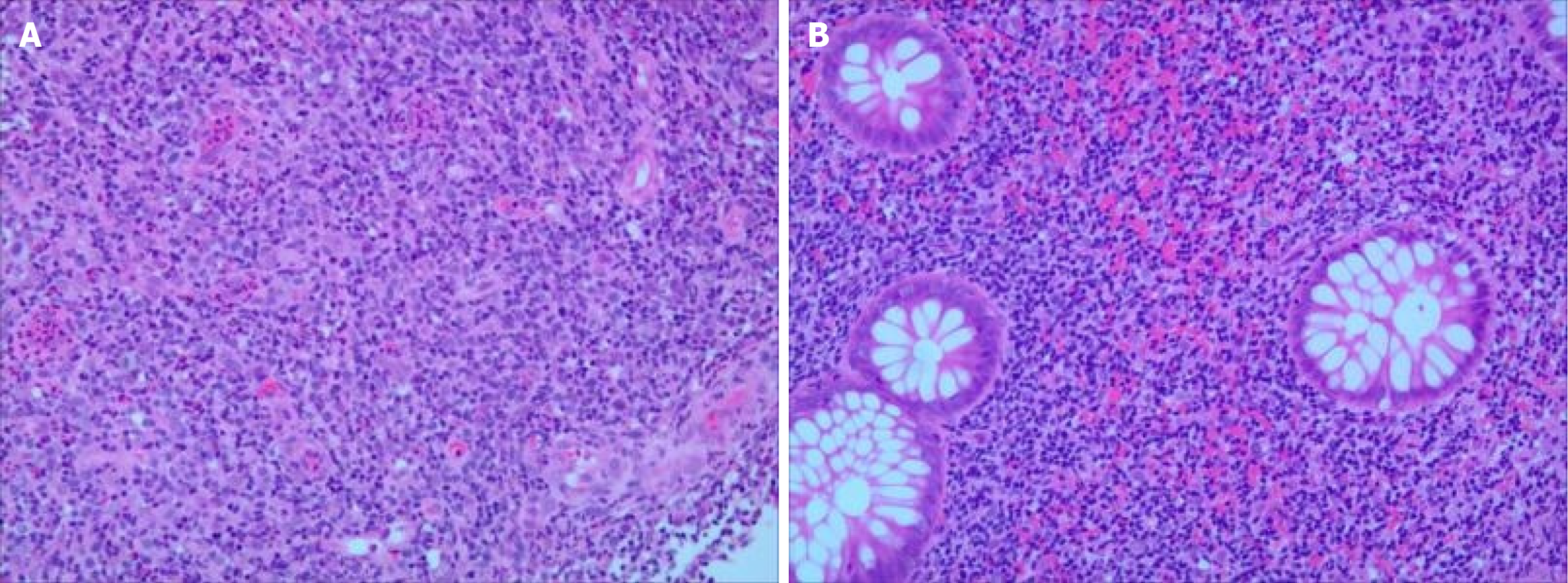
Figure 4 Tissue biopsy pathology findings.
A and B: The tissues (terminal ileum, cecum, ascending colon, transverse colon, descending colon, sigmoid colon, and rectum) were covered with columnar epithelium, the glands were regularly arranged, the cells were not heterogeneous, and the interstitium was infiltrated by many lymphocytes, with small-to-medium sized heterogeneous cells between, fine nuclear chromatin, and inconspicuous nuclei. The foci were clonal proliferation, with low cytoplasmic volume.
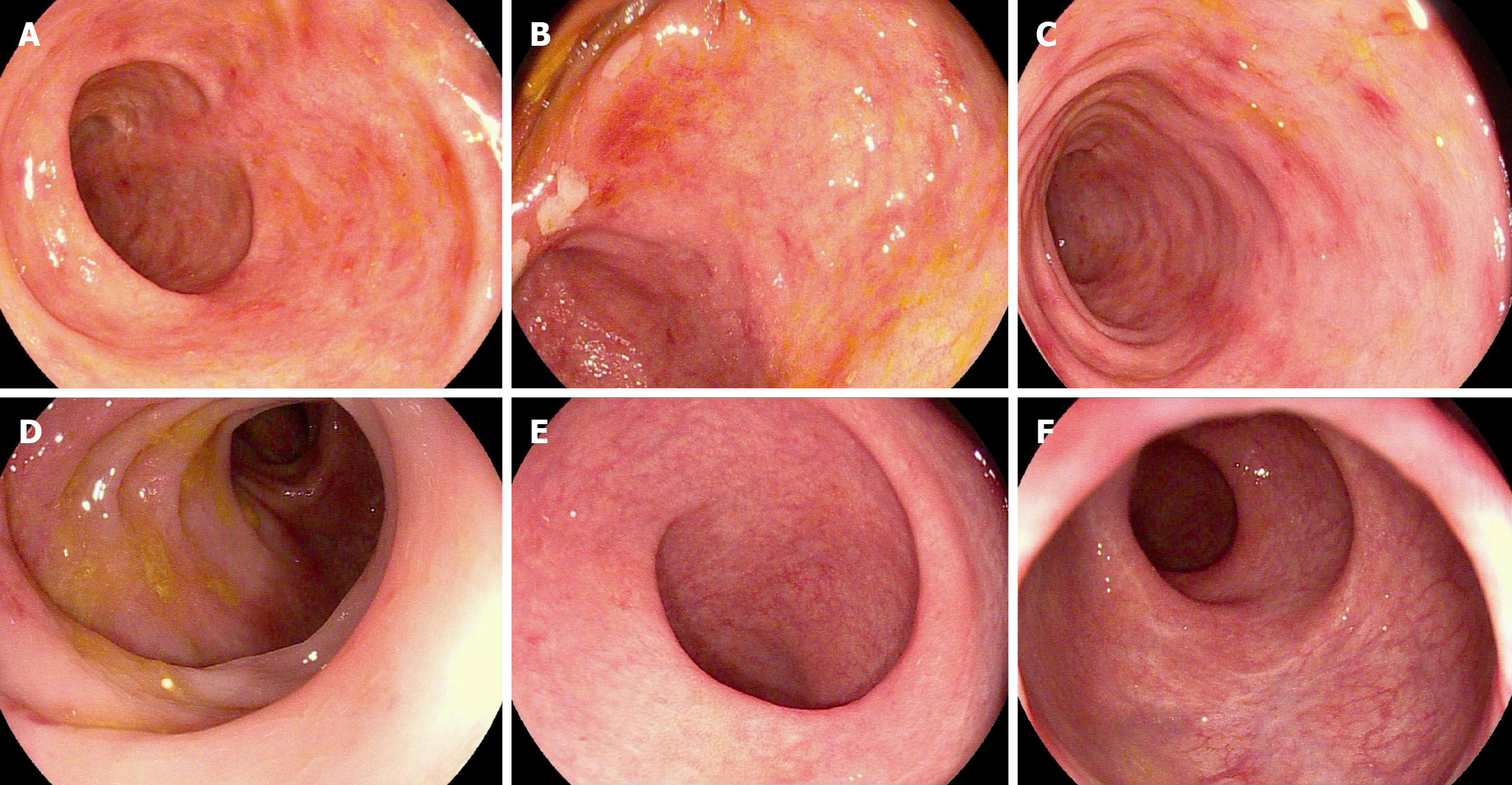
Figure 5 Enteroscopic manifestations at 9 months follow-up after the third fecal microbiota transplantation.
Diffuse edema of the intestinal mucosa, the scattered distribution of congested erythema and punctate erosions, and blurred vascular texture. A: Transverse colon; B: Cecum; C: Descending colon; D: Sigmoid colon; E and F: Rectum.
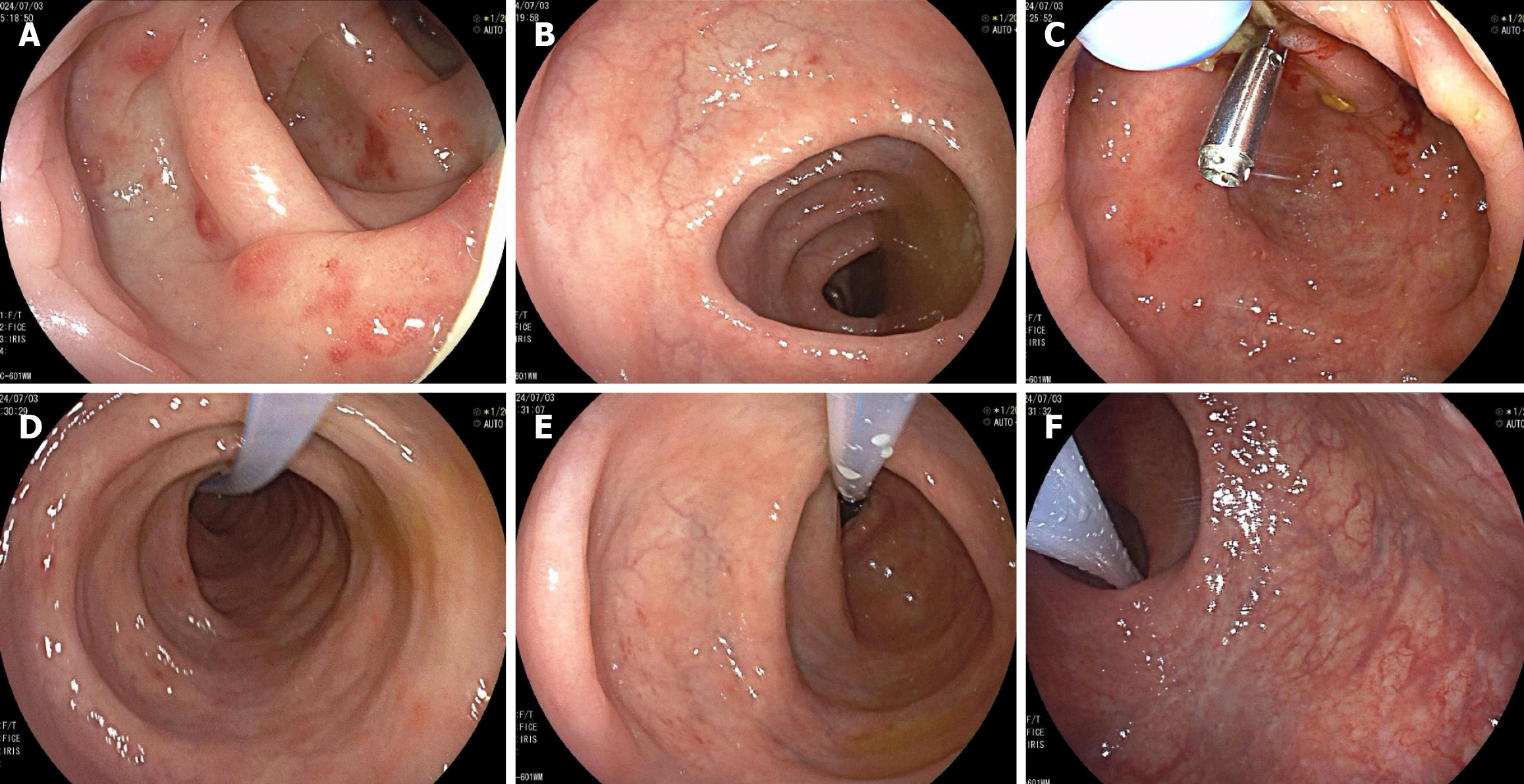
Figure 6 Enteroscopic presentation at the fifth fecal microbiota transplantation.
Endoscopic fecal microbiota transplantation placement. Endoscopic presentation: Edema of the intestinal mucosa with multiple punctate erosions and blurred vascular texture. A: Transverse colon; B: Ascending colon; C: Cecum; D: Transverse colon; E: Descending colon; F: Rectum.
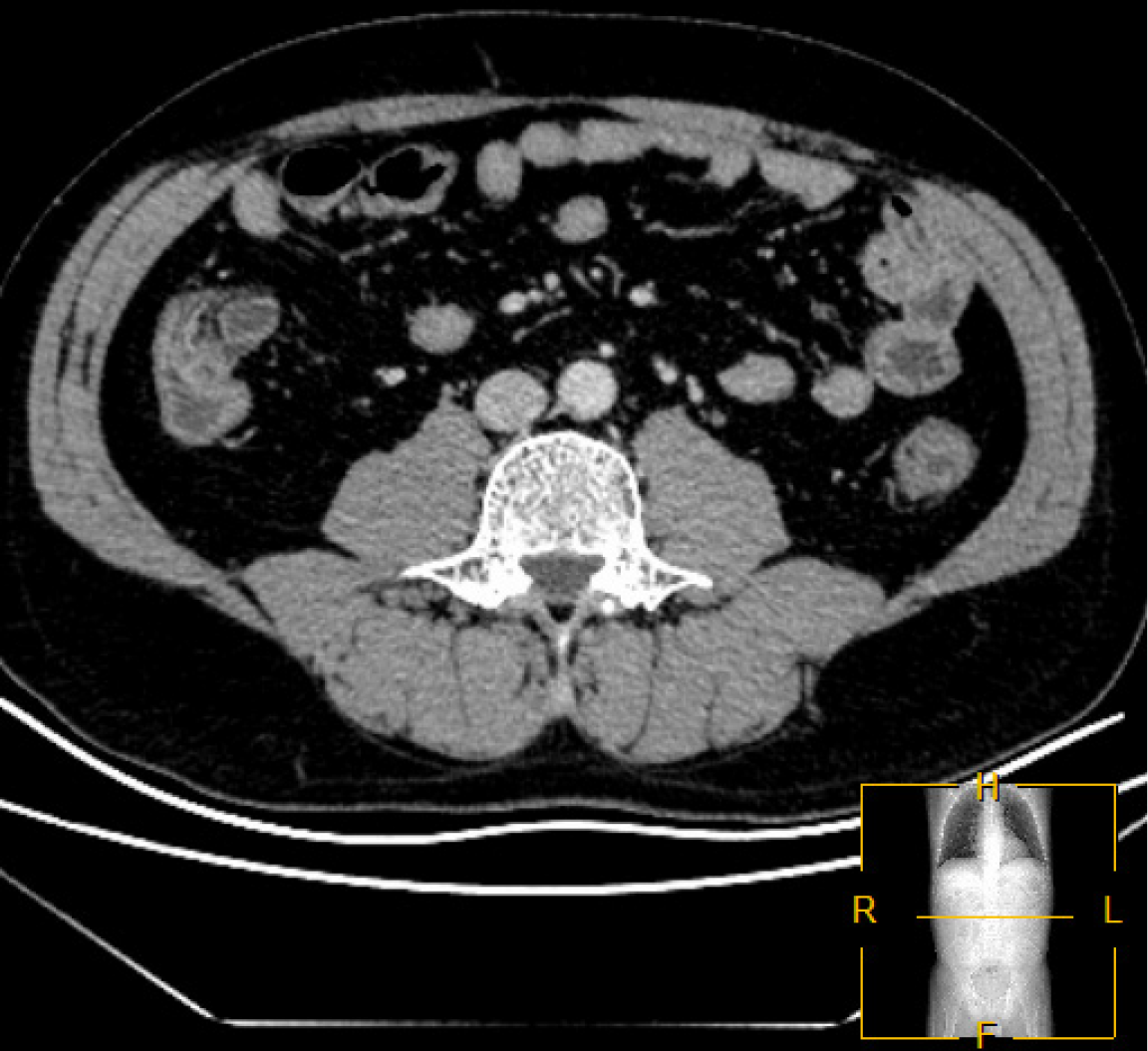
Figure 7 Post-fecal microbiota transplantation abdominal computed tomography scan revealed no evidence of lymph node enlargement in the ascending colon, sigmoid colon, or mesenteric region.
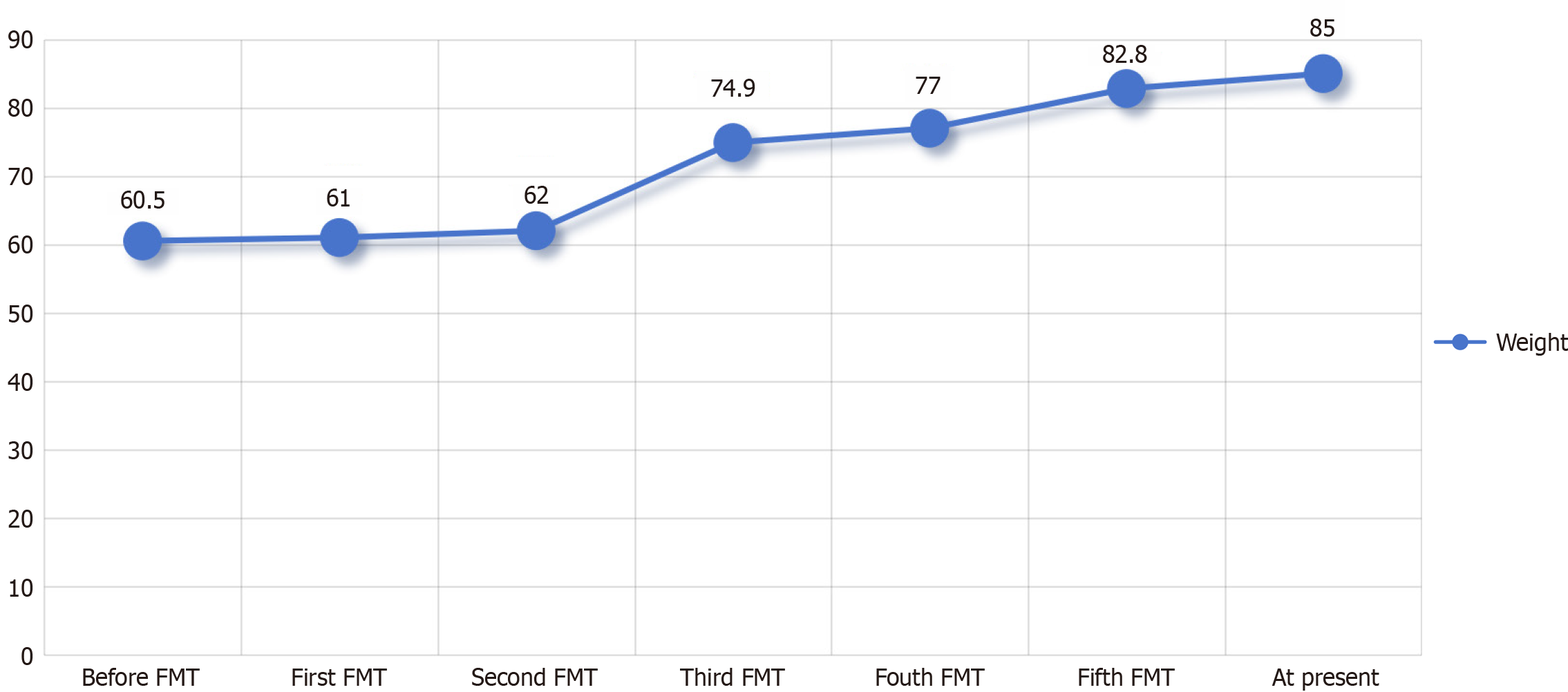
Figure 8 Changes in patient weight before and after fecal microbiota transplantation.
FMT: Fecal microbiota transplantation.
- Citation: Yu YM, Huang J, Chen Y, Lu BY. Fecal microbiota transplantation for indolent T-cell lymphoproliferative disorder of gastrointestinal tract: A case report and review of literature. World J Gastrointest Endosc 2026; 18(4): 115366
- URL: https://www.wjgnet.com/1948-5190/full/v18/i4/115366.htm
- DOI: https://dx.doi.org/10.4253/wjge.v18.i4.115366