
















Copyright: ©Author(s) 2026.
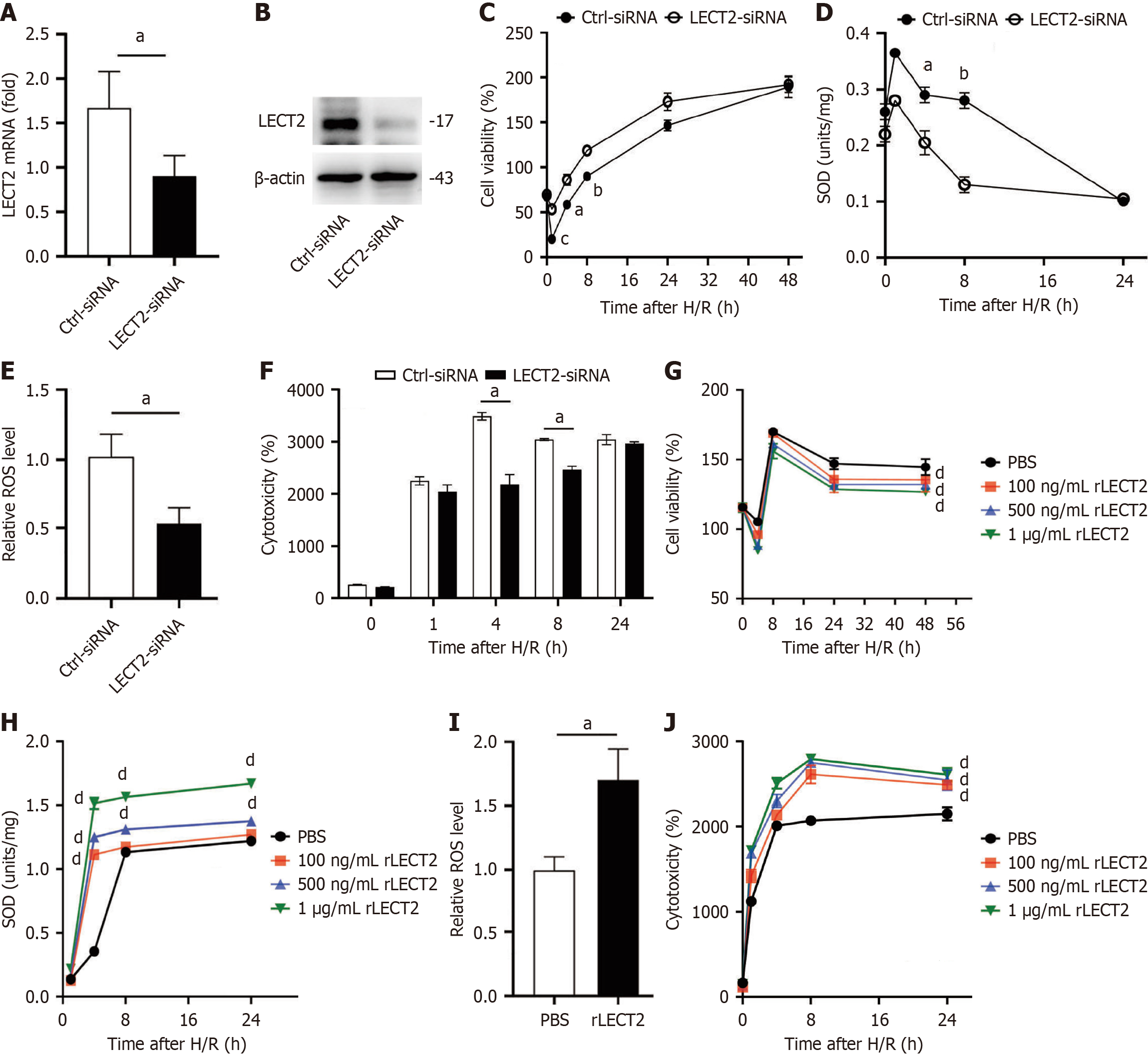
Figure 1 Knockdown of leukocyte-derived chemotaxin-2 mitigates and recombinant-leukocyte-derived chemotaxin-2 aggravates hypoxia-reoxygenation injury in EA.
hy926 cells. A: MRNA expression of leukocyte-derived chemotaxin-2 (LECT2) decreased after transfection with LECT2-small interfering RNA (siRNA) into EA.hy926 cells. Student’s t-test; B: Protein level of the LECT2 decreased after transfection with LECT2-siRNA into EA.hy926 cells; C: A cell counting kit 8 assay was used to assess cell proliferation capacity at different time points during reoxygenation after 8 hours of hypoxia. Student’s t-test; D: Superoxide dismutase activity was measured at different time points during reoxygenation after 8 hours of hypoxia to assess the level of cellular oxidative stress. Student’s t-test; E: Reactive oxygen species levels were measured in EA.hy926 cells at 8 hours post-reoxygenation following treatment with LECT2-siRNA or control siRNA. Student’s t-test; F: Lactate dehydrogenase levels were measured at different time points during reoxygenation after 8 hours of hypoxia to assess cellular cytotoxicity. Student’s t-test; G: A cell counting kit assay was used to assess cell proliferation capacity at different time points during reoxygenation after 8 hours of hypoxia. Two-way ANOVA; H: Superoxide dismutase activity was measured at different time points during reoxygenation after 8 hours of hypoxia to assess the level of cellular oxidative stress. Two-way ANOVA; I: Reactive oxygen species levels were measured in EA.hy926 cells at 8 hours post-reoxygenation following treatment with recombinant LECT2 or phosphate buffered saline. Student’s t-test; J: Lactate dehydrogenase levels were measured at different time points during reoxygenation after 8 hours of hypoxia to assess cellular cytotoxicity. Two-way ANOVA. Data are representative of three independent experiments. All data are presented as the mean ± SEM. aP < 0.05, bP < 0.01, cP < 0.0001, and dP < 0.05 vs phosphate buffered saline. LECT2: Leukocyte-derived chemotaxin-2; siRNA: Small interfering RNA; PBS: Phosphate buffered saline; ROS: Reactive oxygen species; SOD: Superoxide dismutase; H/R: Hypoxia/reoxygenation.
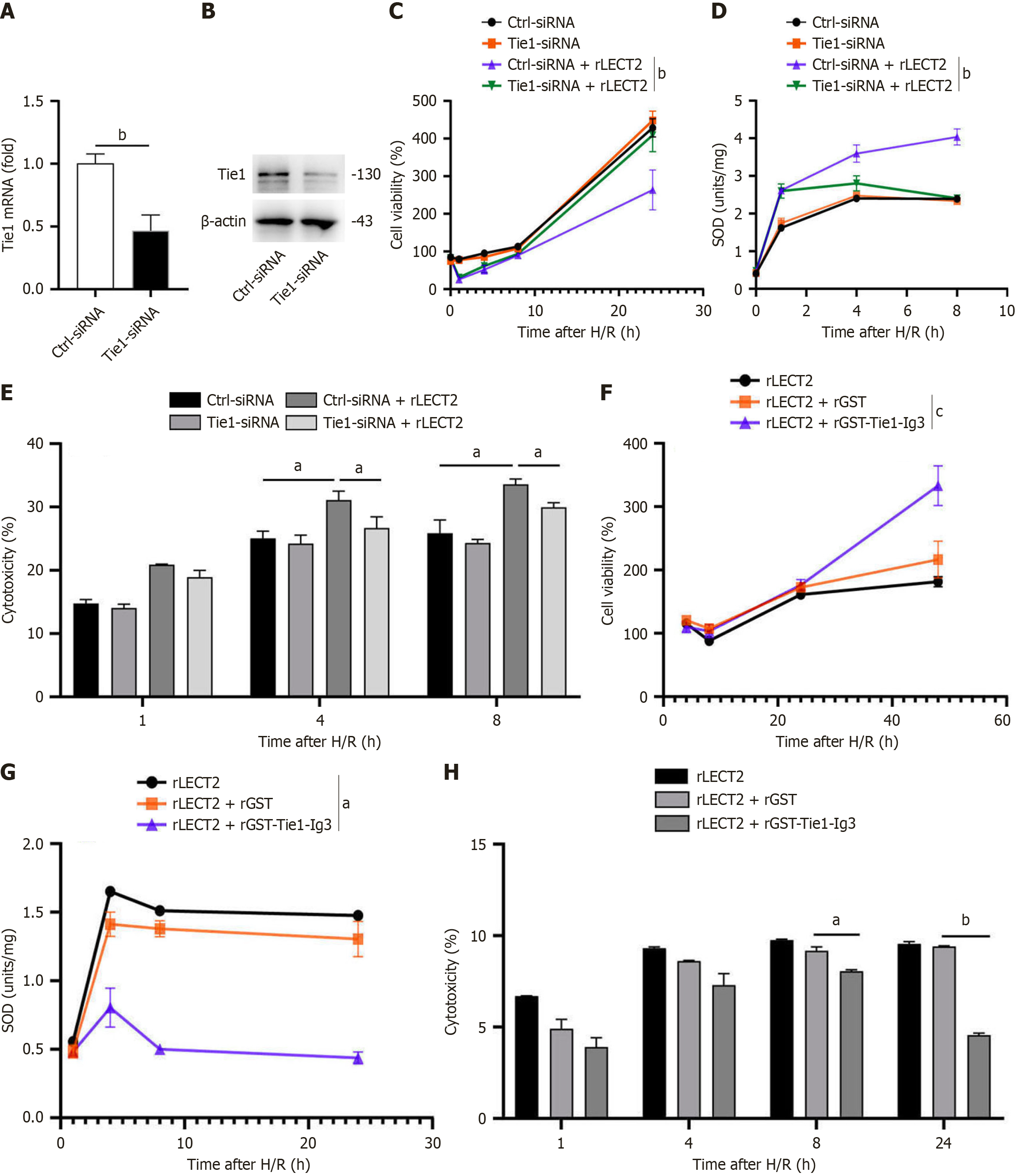
Figure 2 Tie1 knockdown or Tie1-Ig3 treatment reduces leukocyte-derived chemotaxin-2-induced hypoxia-reoxygenation injury in EA.
hy926 cells. A: MRNA expression of the Tie1 decreased after transfection with siTie1 RNA into EA.hy926 cells. Student’s t-test; B: Protein expression of the Tie1 decreased after transfection with Tie1-small interfering RNA (siRNA) into EA.hy926 cells; C: A cell counting kit-8 assay was used to measure cell proliferation capacity in the siTie1 group and Tie1-siRNA + recombinant leukocyte-derived chemotaxin-2 (rLECT2) group at different time points during reoxygenation after 8 hours of hypoxia. Two-way ANOVA; D: Superoxide dismutase activity was measured in the siTie1 group and Tie1-siRNA + rLECT2 group at different time points during reoxygenation after 8 hours of hypoxia to determine the level of cellular oxidative stress. Two-way ANOVA; E: Lactate dehydrogenase release was measured in the siTie1 group and Tie1-siRNA + rLECT2 group at different time points during reoxygenation after 8 hours of hypoxia to assess cellular cytotoxicity. Two-way ANOVA; F: A cell counting kit 8 assay was used to assess cell proliferation capacity at different time points during reoxygenation after 8 hours of hypoxia. Two-way ANOVA; G: Superoxide dismutase activity was measured at different time points during reoxygenation after 8 hours of hypoxia to assess the level of cellular oxidative stress. Two-way ANOVA; H: Lactate dehydrogenase levels were measured at different time points during reoxygenation after 8 hours of hypoxia to assess cellular cytotoxicity. Two-way ANOVA. Data are representative of three independent experiments. All data are presented as the mean ± SEM. aP < 0.05, bP < 0.01, and cP < 0.001. rLECT2: Recombinant leukocyte-derived chemotaxin-2; siRNA: Small interfering RNA; H/R: Hypoxia/reoxygenation.
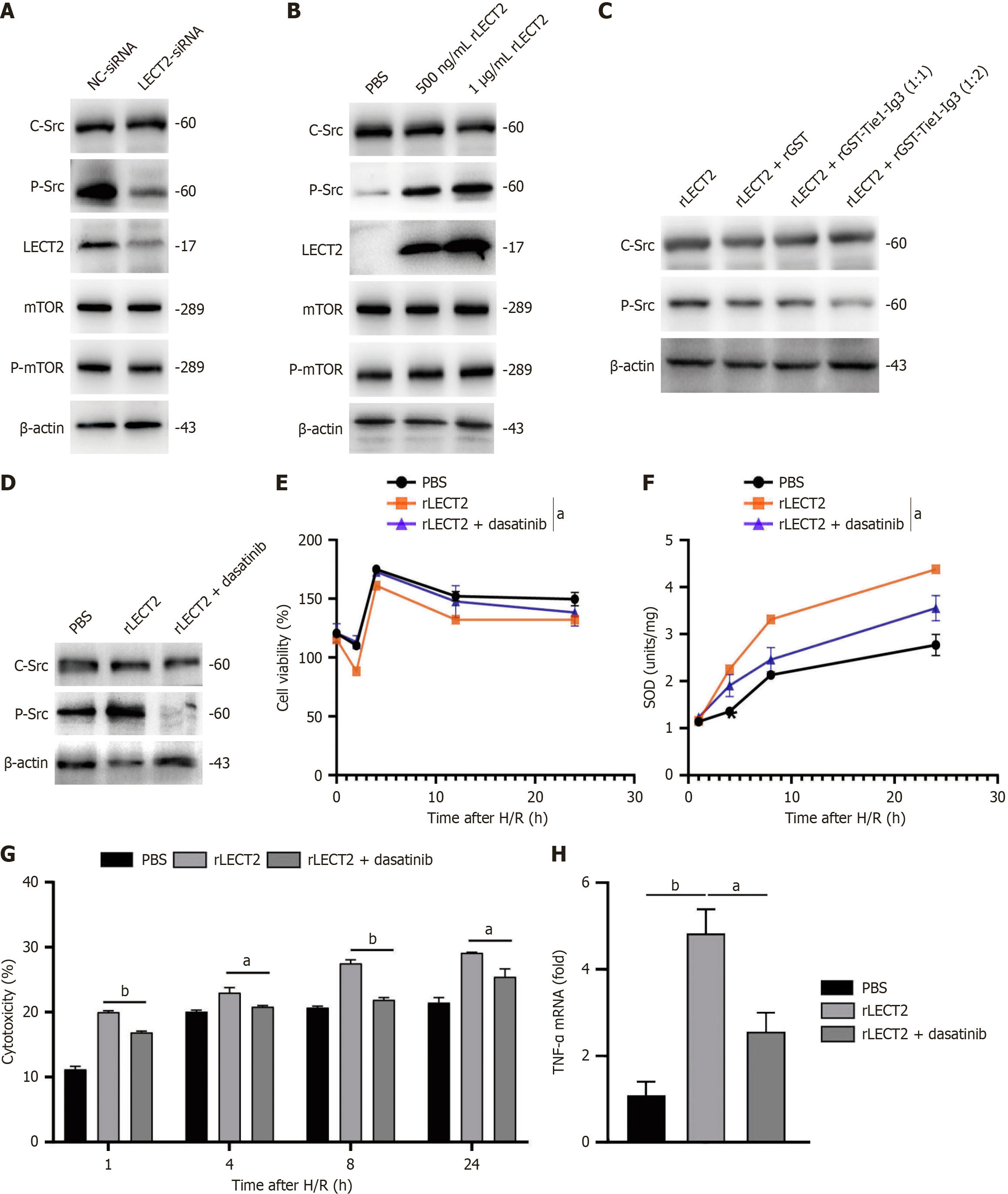
Figure 3 Leukocyte-derived chemotaxin-2/Tie1 signaling promotes Src phosphorylation.
A: EA.hy926 cells were subjected to hypoxia-reoxygenation injury after transfection with leukocyte-derived chemotaxin-2 (LECT2)-small interfering RNA. Cell lysates were immunoblotted with indicated antibodies; B: Recombinant LECT2 was added to EA.hy926 cells, and the cell lysates were immunoblotted with the indicated antibodies; C: Recombinant LECT2 and rTie1-Ig3 were simultaneously added to EA.hy926 cells. Cell lysates were immunoblotted with the indicated antibodies; D: Dasatinib and recombinant LECT2 were simultaneously added to EA.hy926 cells. Cell lysates were immunoblotted with the indicated antibodies; E: A cell counting kit-8 assay was used to assess cell proliferation capacity at different time points during reoxygenation after 8 hours of hypoxia. Two-way ANOVA; F: Superoxide dismutase activity was measured at different time points during reoxygenation after 8 hours of hypoxia to assess the level of cellular oxidative stress. Two-way ANOVA; G: Lactate dehydrogenase levels were measured at different time points during reoxygenation after 8 hours of hypoxia to assess cellular cytotoxicity. Data are representative of three independent experiments. One-way ANOVA; H: EA.hy926 cells were subjected to hypoxia-reoxygenation injury and treated with recombinant LECT2 in the presence or absence of dasatinib. After 24 hours, tumor necrosis factor-α mRNA levels were measured. One-way ANOVA. All data are presented as the mean ± SEM. aP < 0.05, bP < 0.01. rLECT2: Recombinant leukocyte-derived chemotaxin-2; siRNA: Small interfering RNA; PBS: Phosphate buffered saline; H/R: Hypoxia/reoxygenation; TNF-α: Tumor necrosis factor-α; SOD: Superoxide dismutase.
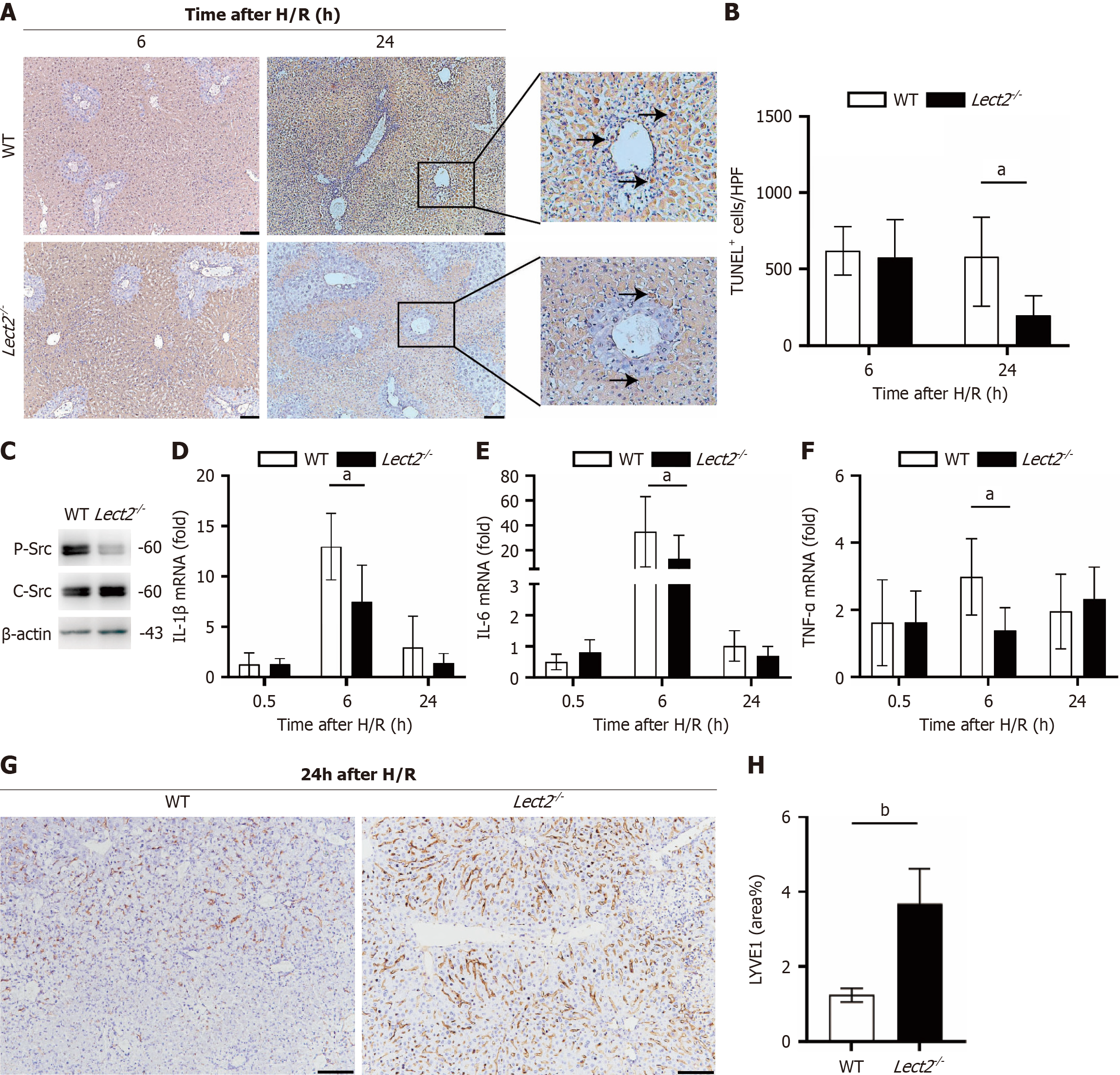
Figure 4 Lect2-/- mice exhibit reduced hepatic ischemia-reperfusion injury and sinusoidal endothelial cell damage.
Livers from Lect2-/- mice and their littermate controls were clamped with the hepatic pedicle for 1 hour followed by reperfusion. Serum and liver tissue samples were collected at the indicated time points. A: TUNEL staining of livers showed apoptosis. Bar, 100 mm; B: Quantification of apoptosis. Student’s t-test; C: Liver tissue lysates from Lect2-/- mice and littermate wild type controls were collected 6 hours after hepatic ischemia-reperfusion injury (1 hour clamping/6 hours reperfusion) and immunoblotted with indicated antibodies; D-F: MRNA levels of interleukin-1β, interleukin-6, and tumor necrosis factor-α in liver tissues. Student’s t-test; G: Lymphatic vessel endothelial hyaluronic acid receptor 1 staining of livers showed apoptosis. Bar, 100 mm; H: Quantification of cell lymphatic vessel endothelial hyaluronic acid receptor 1 staining. Data are representative of three independent experiments. Student’s t-test. n = 6/group. All data are presented as the mean ± SEM. aP < 0.05, bP < 0.01. Lect2: Leukocyte-derived chemotaxin-2; WT: Wild type; H/R: Hypoxia/reoxygenation; IL: Interleukin; TNF-α: Tumor necrosis factor-α; LYVE1: Lymphatic vessel endothelial hyaluronic acid receptor 1.
- Citation: Yang Y, Wu SL, Huang ZH, Dong MQ, Liu ZM, Xu M, Gao Y, Zhou WJ, Lin Y. LECT2/Tie1/Src signaling regulates the oxidative stress response in endothelial cells and liver ischemia-reperfusion injury. World J Hepatol 2026; 18(6): 119561
- URL: https://www.wjgnet.com/1948-5182/full/v18/i6/119561.htm
- DOI: https://dx.doi.org/10.4254/wjh.119561