
















Copyright: ©Author(s) 2026.
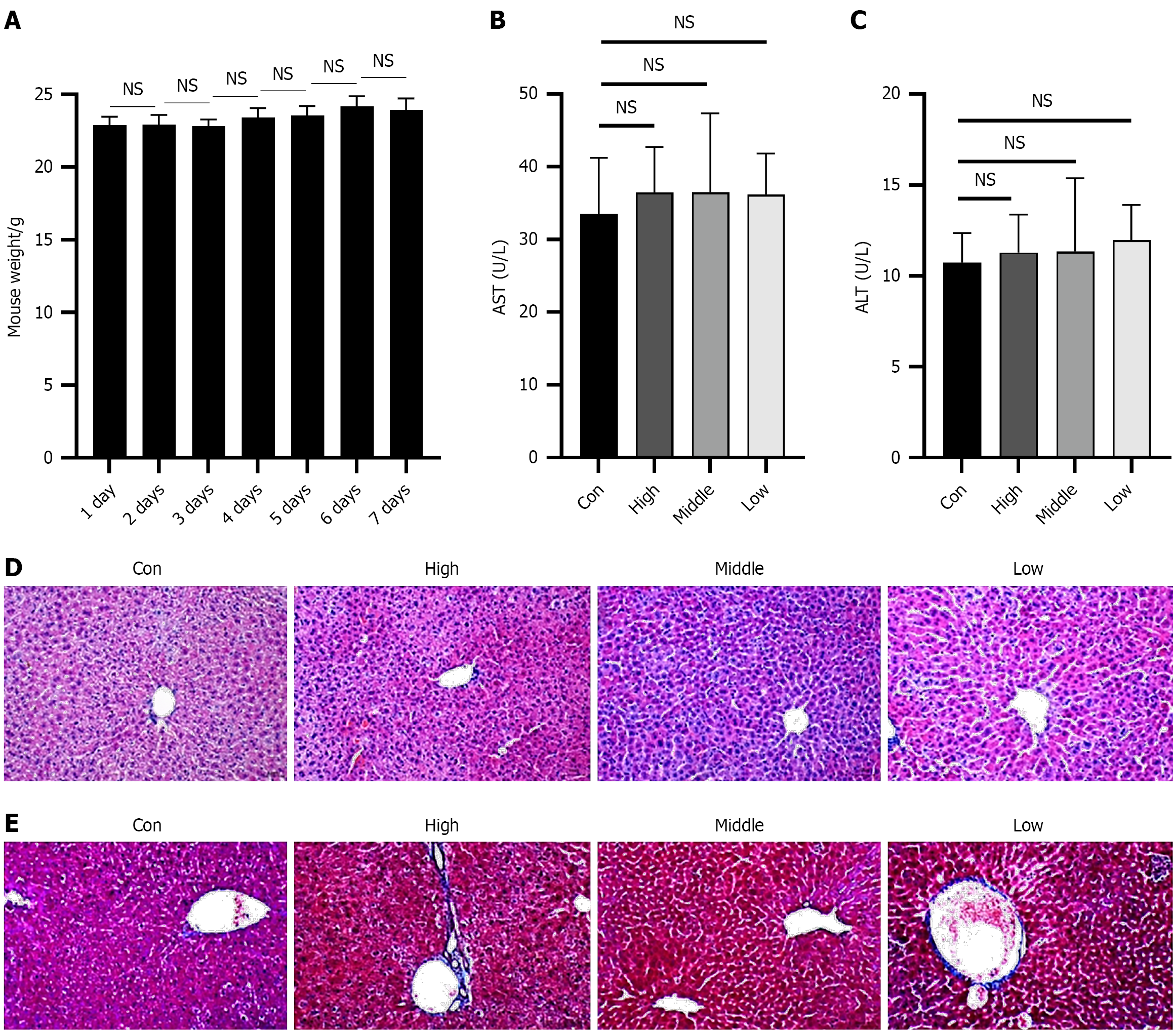
Figure 1 Cell and animal experiments confirm that Honghua Qinggan Shisanwei Wan is not hepatotoxic.
A: Determination of body weight of mice; B: Aspartate aminotransferase assay in mouse serum; C: Alanine aminotransferase assay in mouse serum; D: The liver tissue was examined using hematoxylin and eosin staining (200 ×); E: The liver histopathology was analyzed by Masson staining (200 ×). Con: Control; AST: Aspartate aminotransferase; ALT: Alanine aminotransferase; NS: Not significant.
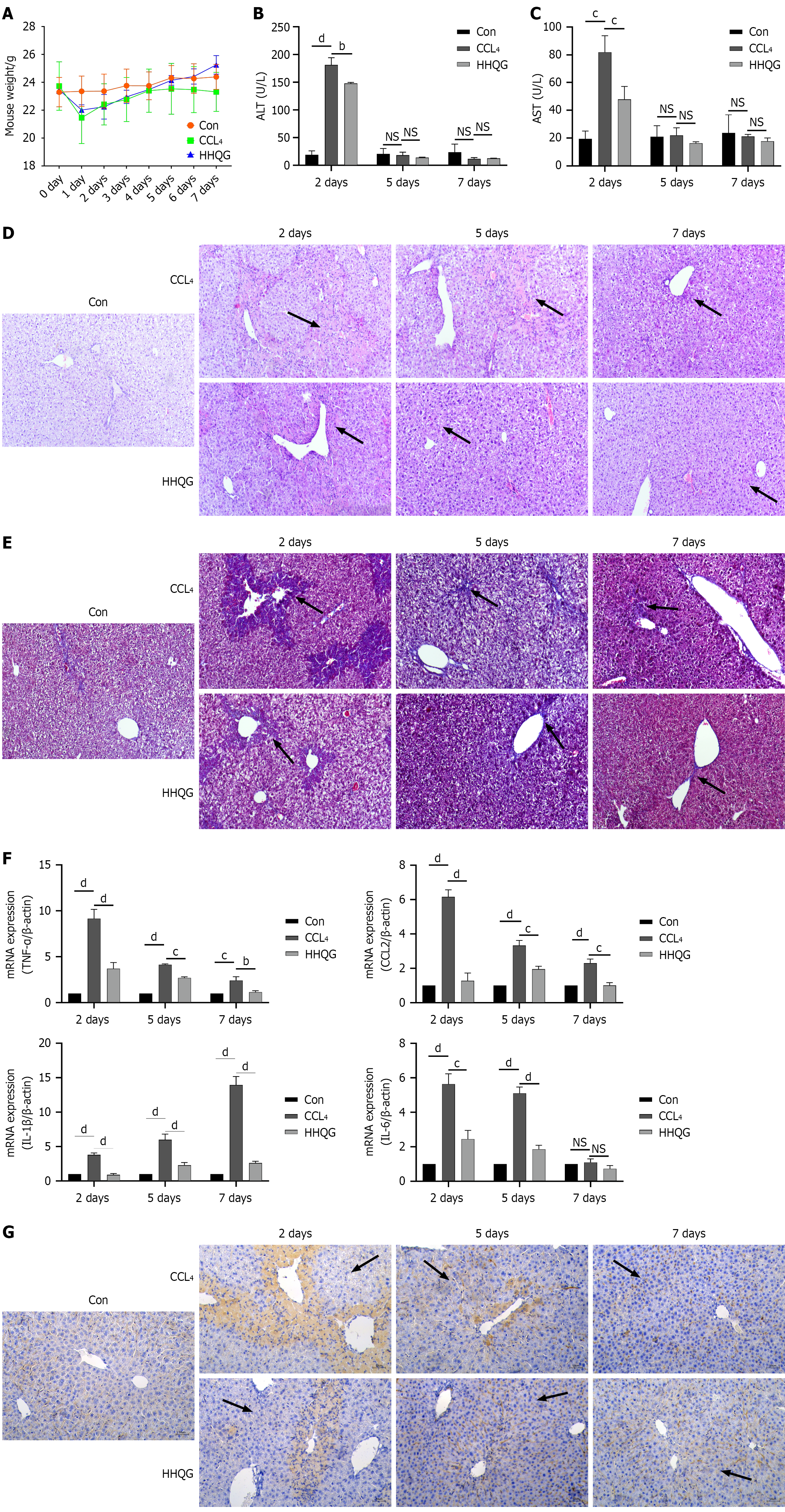
Figure 2 Protective effect of Honghua Qinggan Shisanwei Wan against carbon tetrachloride-induced liver injury in mice.
A: Mouse body weight alterations following acute liver injury induced by carbon tetrachloride; B: Alanine aminotransferase assay in mouse serum; C: Aspartate aminotransferase assay in mouse serum; D: The liver histopathology was analyzed by hematoxylin and eosin staining (200 ×); E: The liver histopathology was analyzed by Masson staining (200 ×); F: The tumor necrosis factor-α/C-C motif chemokine ligand 2/interleukin-1β/interleukin-6 expression of liver tissue in the liver injury; G: The expression of tumor necrosis factor-α in liver injury (200 ×). The regions indicated by arrows represent the injured areas of liver tissue and the corresponding positive expression regions of the gene. bP < 0.01, cP < 0.001, dP < 0.0001, NS: Not significant. ALT: Alanine aminotransferase; CCL2: C-C motif chemokine ligand 2; CCL4: Carbon tetrachloride; HHQG: Honghua Qinggan Shisanwei Wan; AST: Aspartate aminotransferase; TNF-α: Tumor necrosis factor-α; IL: Interleukin; Con: Control.
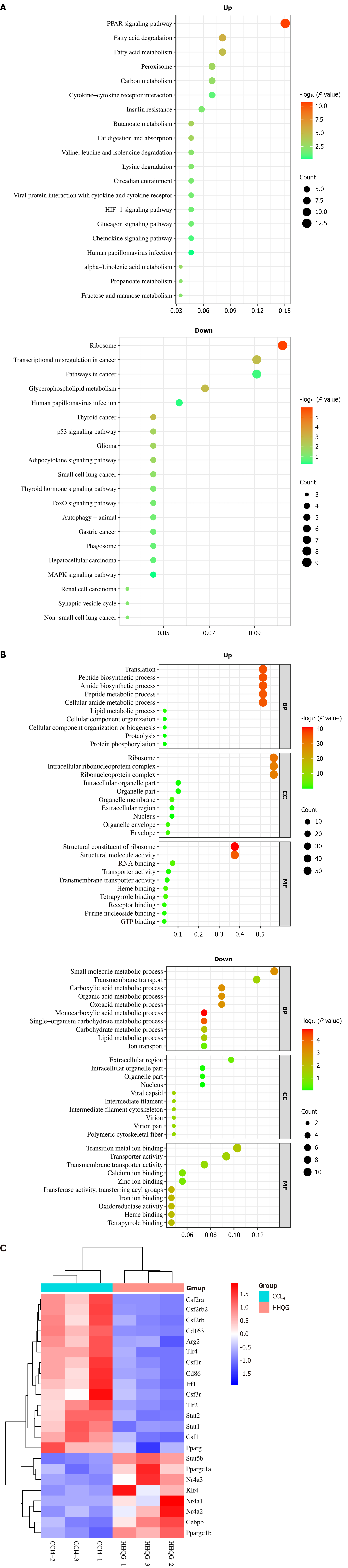
Figure 3 Protective effect of Honghua Qinggan Shisanwei Wan against carbon tetrachloride-induced liver injury in mice.
A: Gene Ontology enrichment of differential gene in model group and tr Honghua Qinggan Shisanwei Wan (HHQG) hepatoprotective group on the 2nd day; B: Kyoto Encyclopedia of Genes and Genomes enrichment of differential gene in model group and HHQG hepatoprotective group on the 2nd day; C: Heatmap of differentially expressed genes associated with macrophage polarization. Carbon tetrachloride (CCl4) was the model group, which included three different samples: CCl4-1, CCl4-2, and CCl4-3; HHQG was the HHQG group, which included three different samples: HHQG-1, HHQG-2, and HHQG-3. PPAR: Peroxisome proliferator-activated receptor; HIF: Hypoxia-inducible factor; MAPK: Mitogen-activated protein kinase; GTP: Guanosine triphosphate; BP: Biological process; CC: Cellular component; MF: Molecular function; CCl4: Carbon tetrachloride; HHQG: Honghua Qinggan Shisanwei Wan.
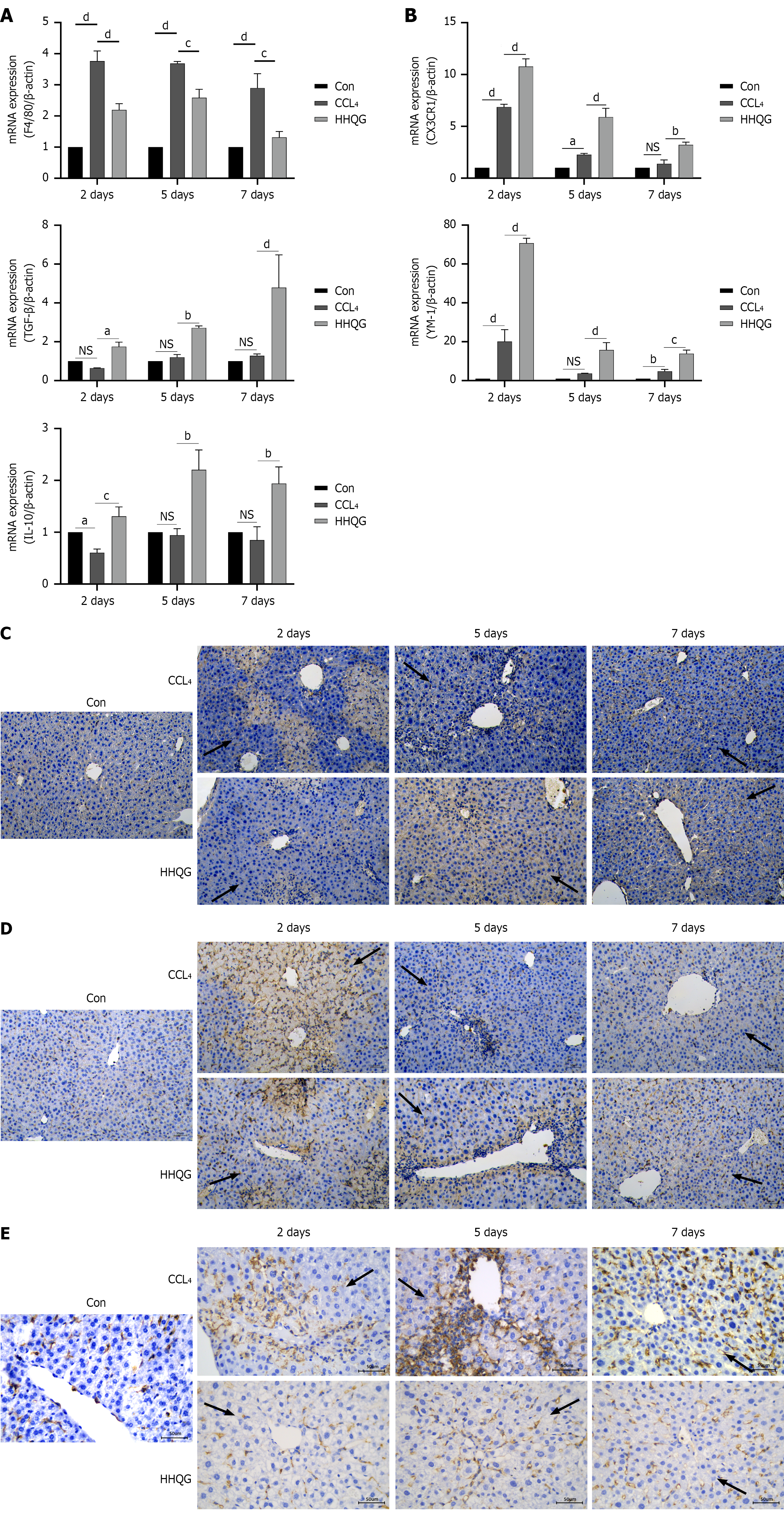
Figure 4 Honghua Qinggan Shisanwei Wan affects macrophage infiltration and anti-inflammatory factor expression in carbon tetrachloride-induced liver injury.
A: The F4/80 expression of liver tissue in the liver injury; B: The expression of F4/80 in liver injury; C: The C-X3-C motif chemokine receptor 1/transforming growth factor-β/YM-1/interleukin-10 expression of liver tissue in the liver injury (400 ×); D: The expression of YM-1 in liver injury (400 ×); E: The expression of transforming growth factor-β in liver injury (400 ×). The regions indicated by arrows represent the injured areas of liver tissue and the corresponding positive expression regions of the gene. aP < 0.05, bP < 0.01, cP < 0.001, dP < 0.0001, NS: Not significant. Con: Control; CCl4: Carbon tetrachloride; HHQG: Honghua Qinggan Shisanwei Wan; CX3CR1: C-X3-C motif chemokine receptor 1; TNF-α: Tumor necrosis factor-α; IL: Interleukin.
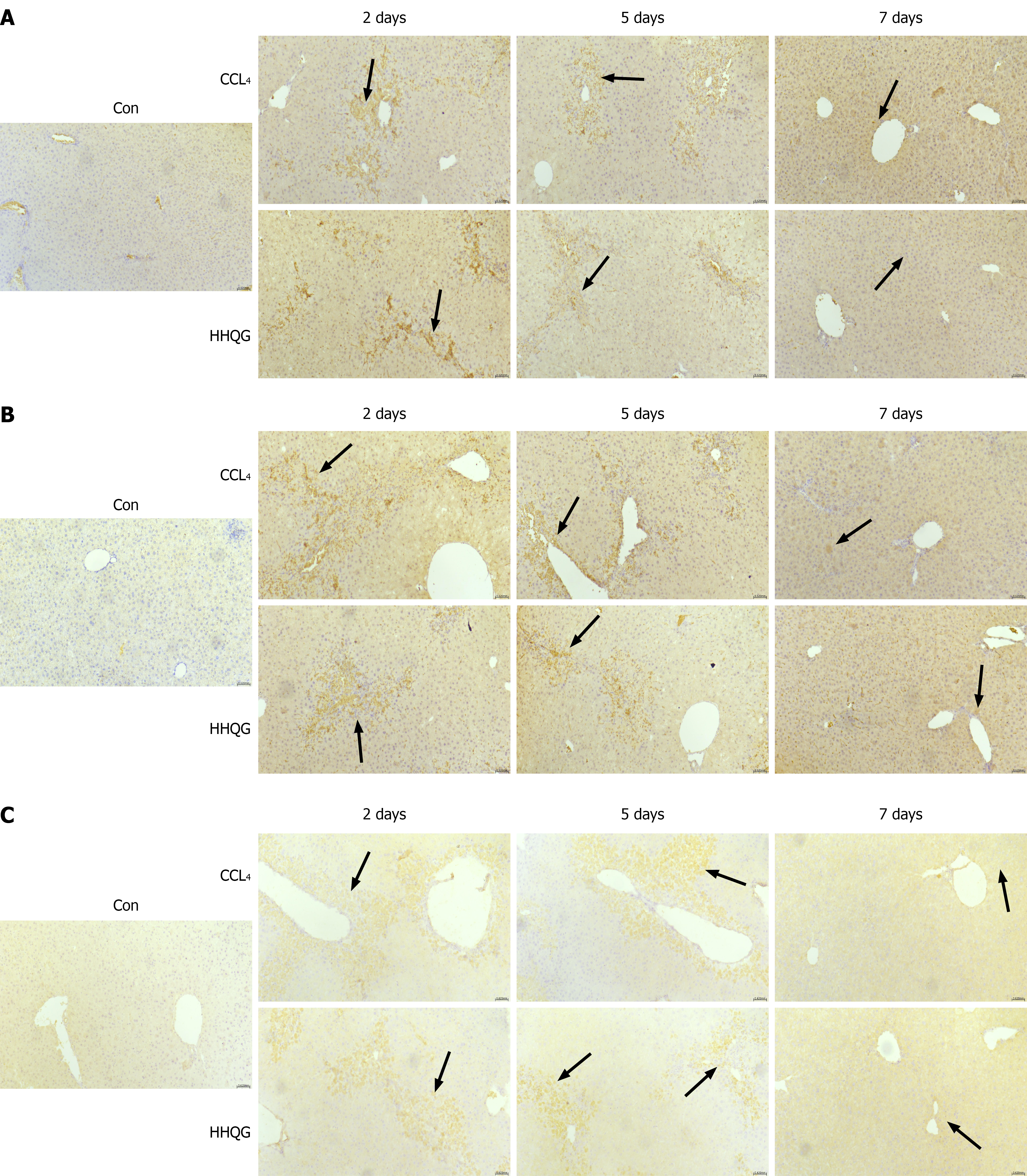
Figure 5 The effect of Honghua Qinggan Shisanwei Wan on the expression of macrophage markers and peroxisome proliferator-activated receptor-γ in liver tissue.
A: The expression of T-cell immunoglobulin and mucin domain-4 in mouse liver tissue by immunohistochemistry (IHC) (200 ×); B: The expression of CD11b in mouse liver tissue by IHC (200 ×); C: The expression of peroxisome proliferator-activated receptor-γ in mouse liver tissue by IHC (200 ×). The regions indicated by arrows represent the injured areas of liver tissue and the corresponding positive expression regions of the gene. Con: Control; CCl4: Carbon tetrachloride; HHQG: Honghua Qinggan Shisanwei Wan.
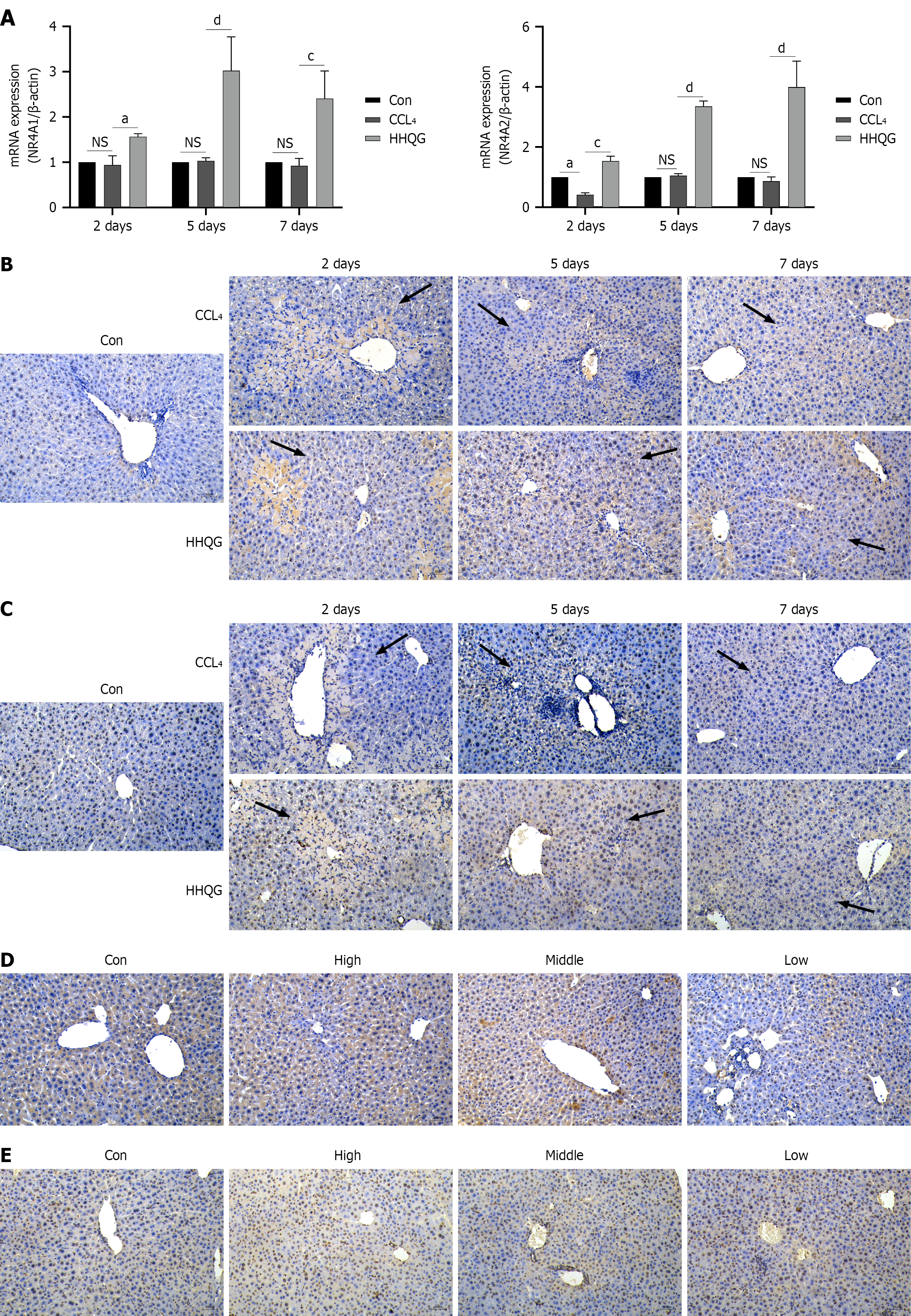
Figure 6 Honghua Qinggan Shisanwei Wan affects macrophage polarization and nuclear receptor subfamily 4 group A member 1/nuclear receptor subfamily 4 group A member 2 expression in carbon tetrachloride-induced liver injury.
A: The nuclear receptor subfamily 4 group A member 1 (NR4A1)/NR4A2 expression of liver tissue in the liver injury; B: The expression of NR4A1 in liver injury (200 ×); C: The expression of NR4A2 in liver injury (200 ×); D: The expression of NR4A1 in mouse liver tissue by immunohistochemistry (200 ×); E: The expression of NR4A2 in mouse liver tissue by immunohistochemistry (200 ×). The regions indicated by arrows represent the injured areas of liver tissue and the corresponding positive expression regions of the gene. aP < 0.05, cP < 0.001, dP < 0.0001, NS: Not significant. Con: Control; CCl4: Carbon tetrachloride; HHQG: Honghua Qinggan Shisanwei Wan; NR4A1: Nuclear receptor subfamily 4 group A member 1.
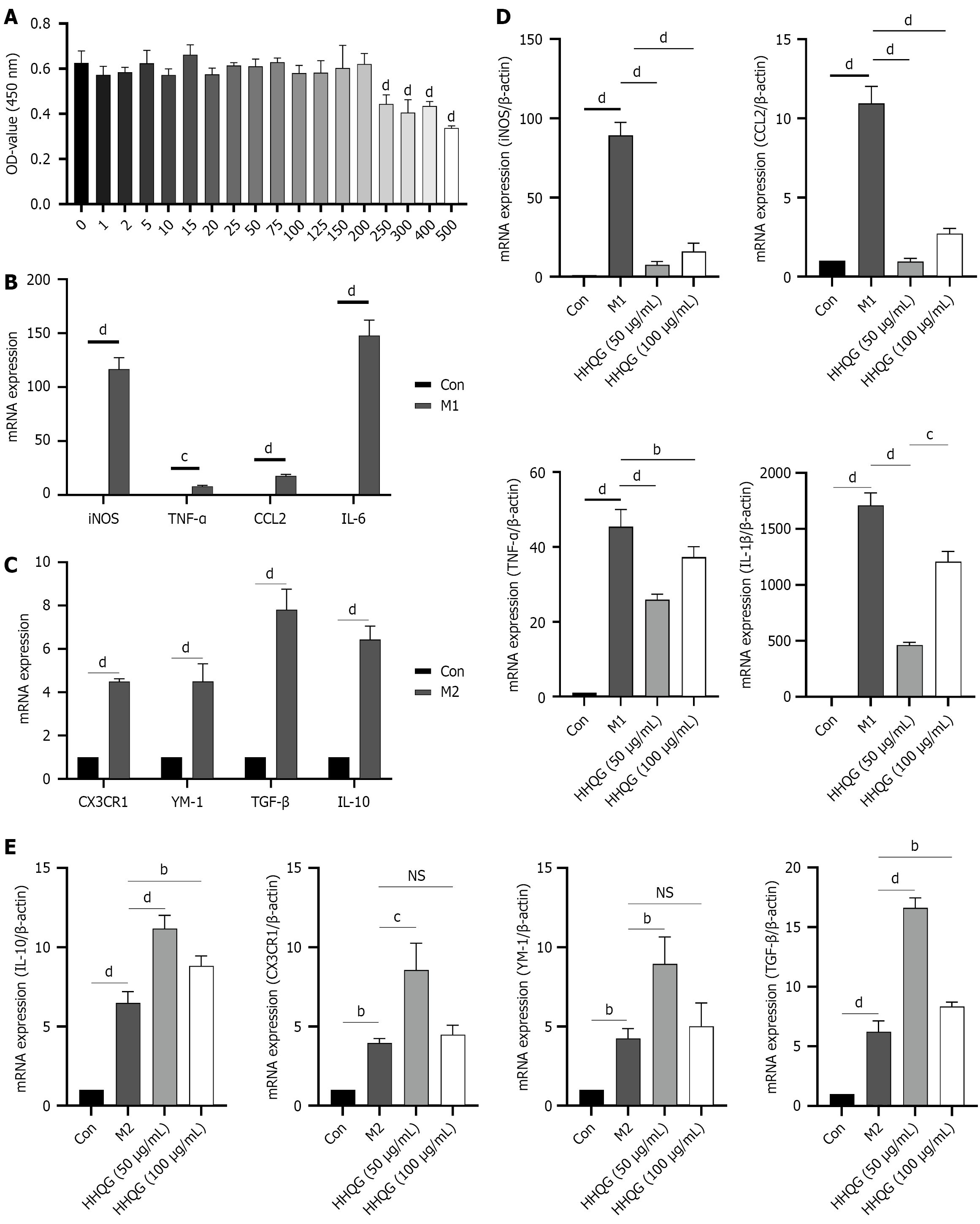
Figure 7 Honghua Qinggan Shisanwei Wan affects M1 and M2 macrophage polarization and expression of its associated factors.
A: Cell counting kit-8 was used to detect the effects of different concentrations of Honghua Qinggan Shisanwei Wan (HHQG) on the viability of RAW264.7 cells; B: MRNA expression of inducible nitric oxide synthase, tumor necrosis factor-α, C-C motif chemokine ligand 2, and interleukin-6 in the M1 macrophage polarization model; C: MRNA expression of C-X3-C motif chemokine receptor 1, YM-1, transforming growth factor-β, interleukin-10 in the M1 macrophage polarization model; D: The inhibitory effect of HHQG on the expression of inducible nitric oxide synthase and pro-inflammatory factors in M1-type macrophage markers; E: The promoting effect of HHQG on the expression of M2 macrophage marker YM-1 and anti-inflammatory factors. bP < 0.01, cP < 0.001, dP < 0.0001, NS: Not significant. OD: Optical density; iNOS: Inducible nitric oxide synthase; Con: Control; HHQG: Honghua Qinggan Shisanwei Wan; TNF-α: Tumor necrosis factor-α; CCL2: C-C motif chemokine ligand 2; IL: Interleukin; CX3CR1: C-X3-C motif chemokine receptor 1; TGF: Transforming growth factor.
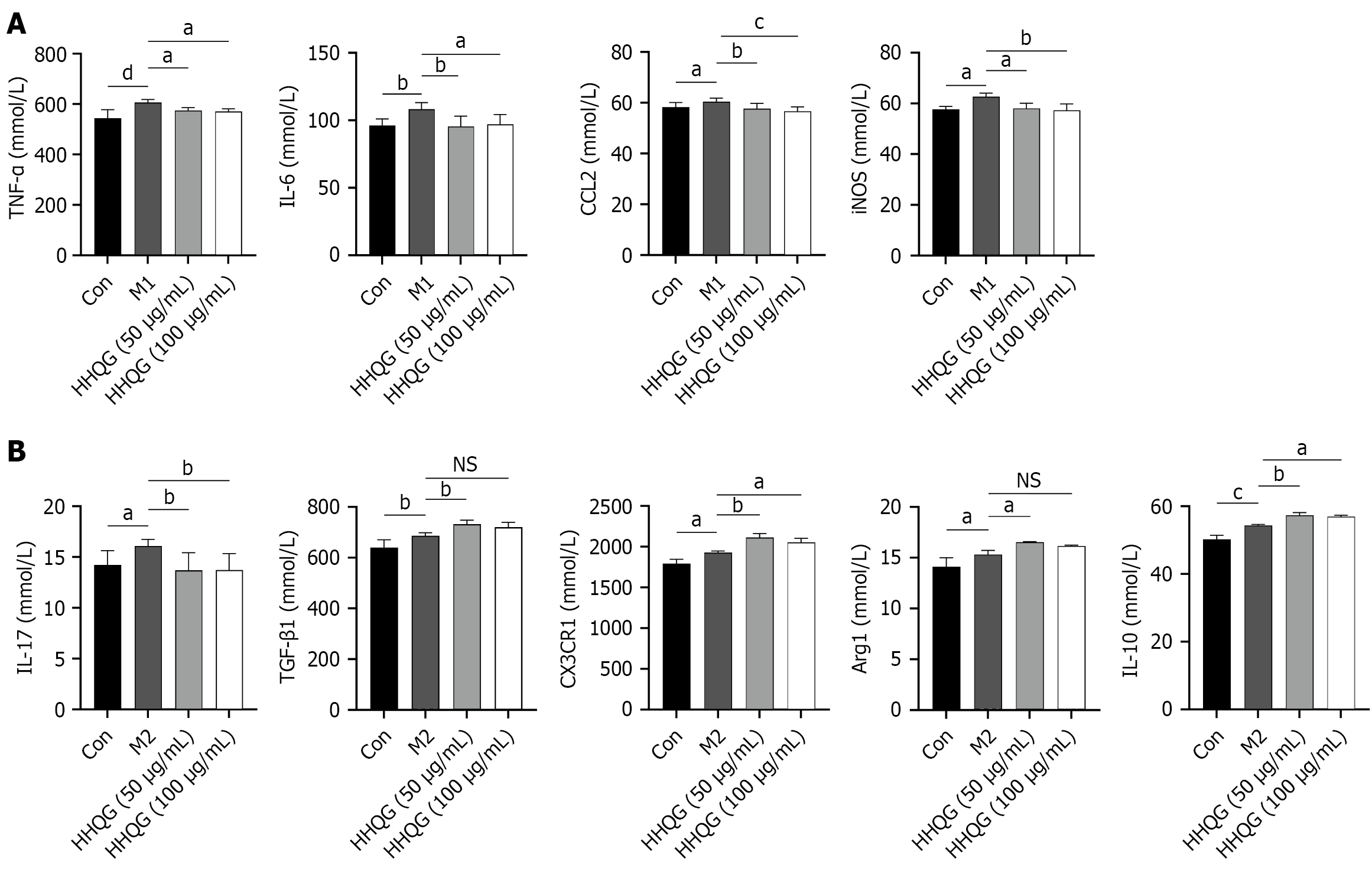
Figure 8 The effect of Honghua Qinggan Shisanwei Wan on the secretion levels of M1/M2 phenotype-related factors in macrophages.
A: The inhibitory effect of Honghua Qinggan Shisanwei Wan on the expression of inducible nitric oxide synthase, a marker of M1-type macrophages, and the secretion of pro-inflammatory factors; B: The promoting effect of Honghua Qinggan Shisanwei Wan on the expression of YM-1, a marker of M2-type macrophages, and the secretion of anti-inflammatory factors. aP < 0.05, bP < 0.01, cP < 0.001, dP < 0.0001, NS: Not significant. TNF-α: Tumor necrosis factor-α; Con: Control; HHQG: Honghua Qinggan Shisanwei Wan; IL: Interleukin; CCL2: C-C motif chemokine ligand 2; iNOS: Inducible nitric oxide synthase; TGF: Transforming growth factor; CX3CR1: C-X3-C motif chemokine receptor 1; Arg1: Arginase1.
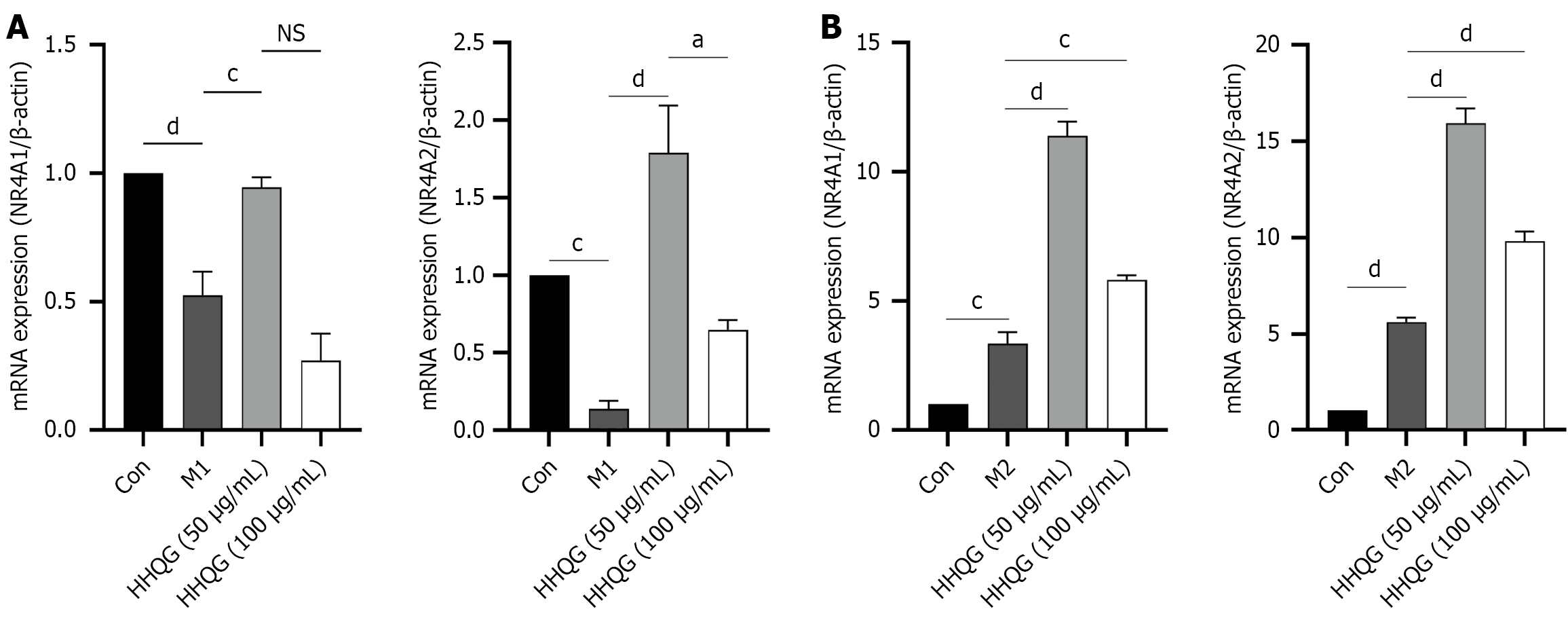
Figure 9 Honghua Qinggan Shisanwei Wan dose-dependently induces the expression of nuclear receptor subfamily 4 group A member 1/nuclear receptor subfamily 4 group A member 2 receptors nuclear receptors in macrophages.
A: The effect of Honghua Qinggan Shisanwei Wan on the expression of nuclear receptor subfamily 4 group A member 1/nuclear receptor subfamily 4 group A member 2 receptors nuclear receptors in M1-type macrophages; B: The effect of Honghua Qinggan Shisanwei Wan on the expression of nuclear receptor subfamily 4 group A member 1/nuclear receptor subfamily 4 group A member 2 receptors nuclear receptors in M2-type macrophages. aP < 0.05, cP < 0.001, dP < 0.0001, NS: Not significant. NR4A1: Nuclear receptor subfamily 4 group A member 1; Con: Control; HHQG: Honghua Qinggan Shisanwei Wan.
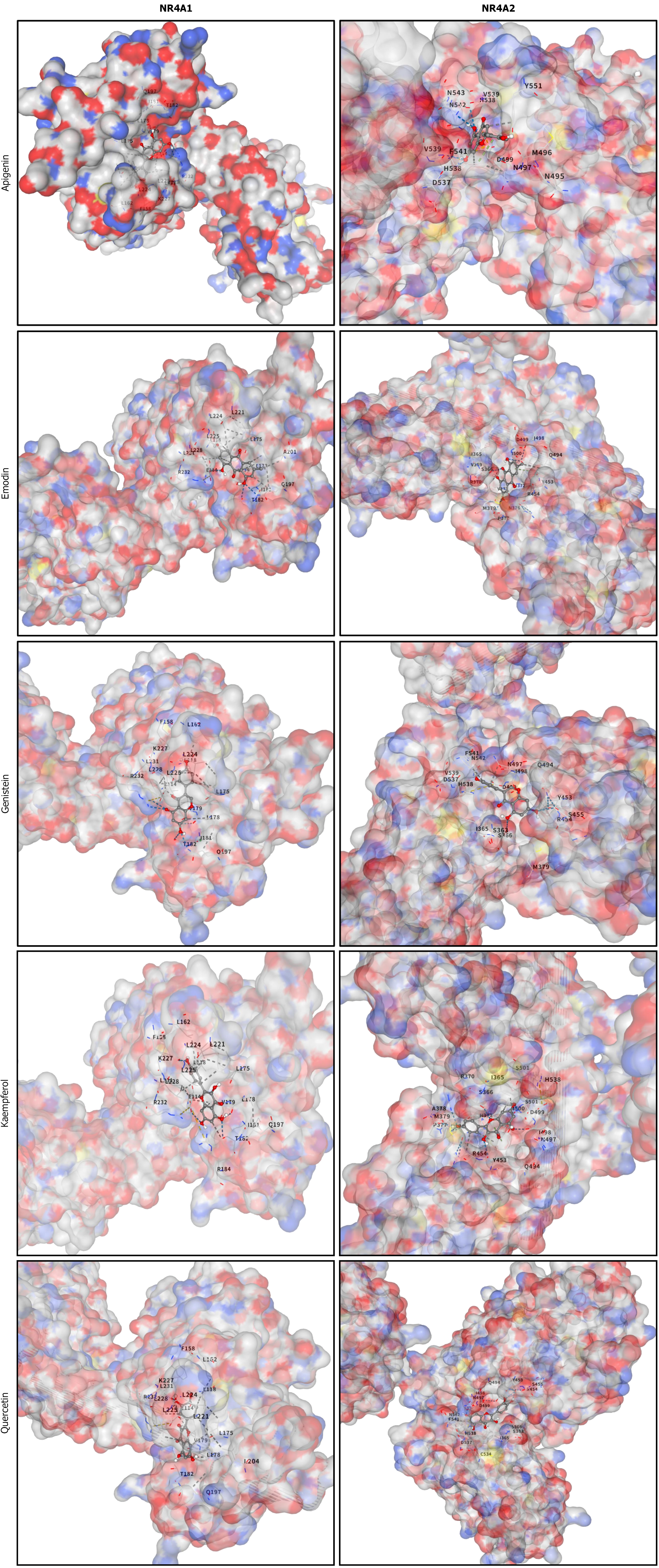
Figure 10 Results of molecular docking between key compounds of Honghua Qinggan Shisanwei Wan and nuclear receptor subfamily 4 group A member 1/nuclear receptor subfamily 4 group A member 2 receptors.
NR4A: Nuclear receptor subfamily 4 group A.
- Citation: Ma CL, Zhang X, Bao X, Zhao LY, Cao LL, Ma CY, Zhang T, Hong M, Bao YL, Hu RP. Discussion on the effect of Honghua Qinggan Shisanwei Wan on regulating macrophage polarization and alleviating liver injury. World J Hepatol 2026; 18(6): 118215
- URL: https://www.wjgnet.com/1948-5182/full/v18/i6/118215.htm
- DOI: https://dx.doi.org/10.4254/wjh.118215