
















Copyright: ©Author(s) 2026.
World J Hepatol. May 27, 2026; 18(5): 116542
Published online May 27, 2026. doi: 10.4254/wjh.v18.i5.116542
Published online May 27, 2026. doi: 10.4254/wjh.v18.i5.116542
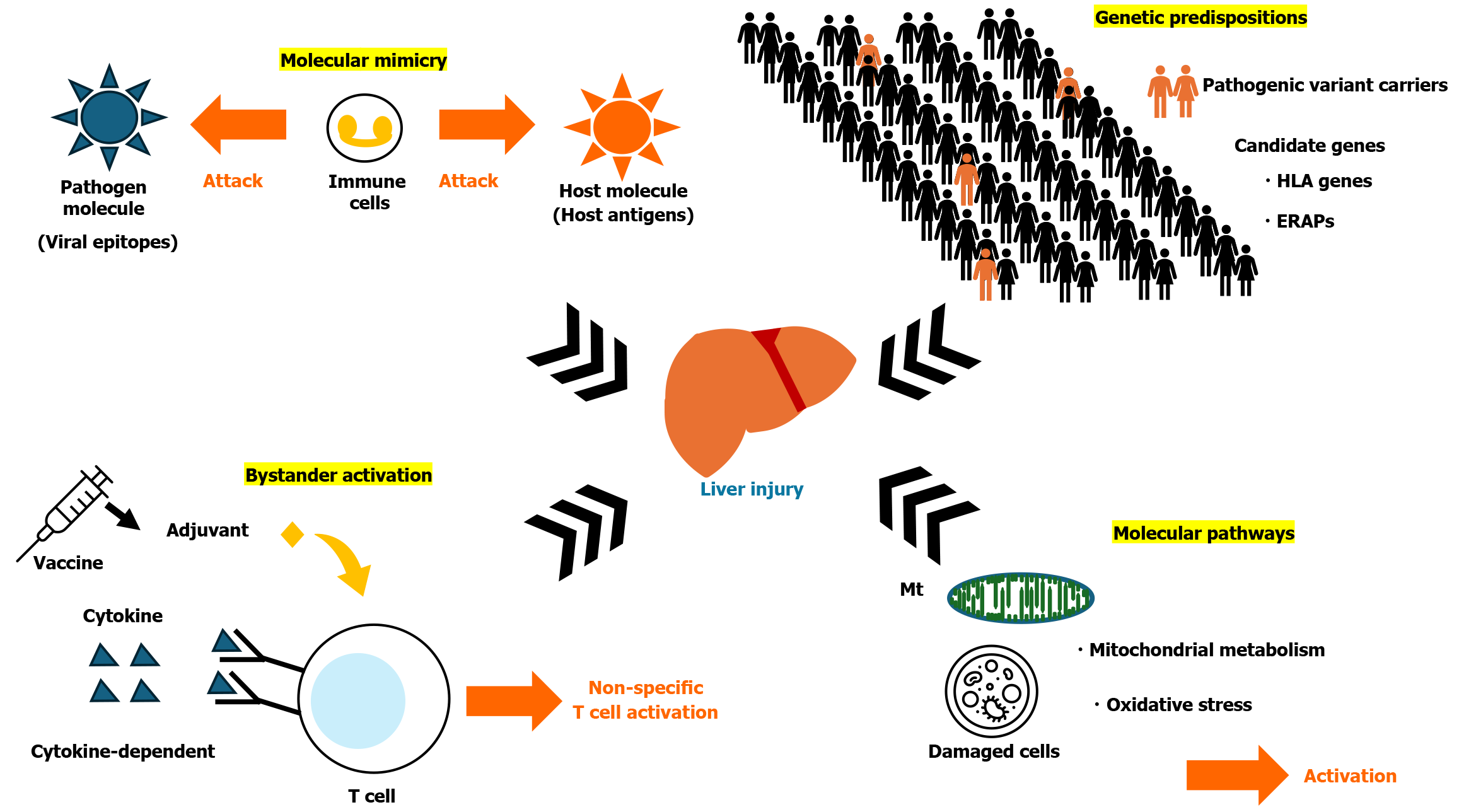
Figure 1 Potential pathophysiological mechanisms underlying coronavirus disease 2019 vaccine-associated liver injury.
The pathogenesis of coronavirus disease 2019 vaccine-associated liver injury is considered multifactorial. One proposed mechanism involves molecular mimicry, wherein structural homology between viral epitopes encoded by the vaccine and host antigens may elicit cross-reactive immune responses. Another mechanism is bystander T-cell activation, characterized by cytokine-mediated, antigen-independent stimulation of T lymphocytes that lack specificity for the initiating antigen. Vaccine adjuvants are hypothesized to contribute to bystander T-cell activation. In addition, increased mitochondrial metabolic activity and activation of oxidative stress pathways have been implicated in hepatocellular injury. A genetic predisposition, particularly that involving human leukocyte antigen alleles and endoplasmic reticulum aminopeptidases, may influence individual susceptibility. Mt: Mitochondrion; HLA: Human leukocyte antigen; ERAPs: Endoplasmic reticulum aminopeptidases.
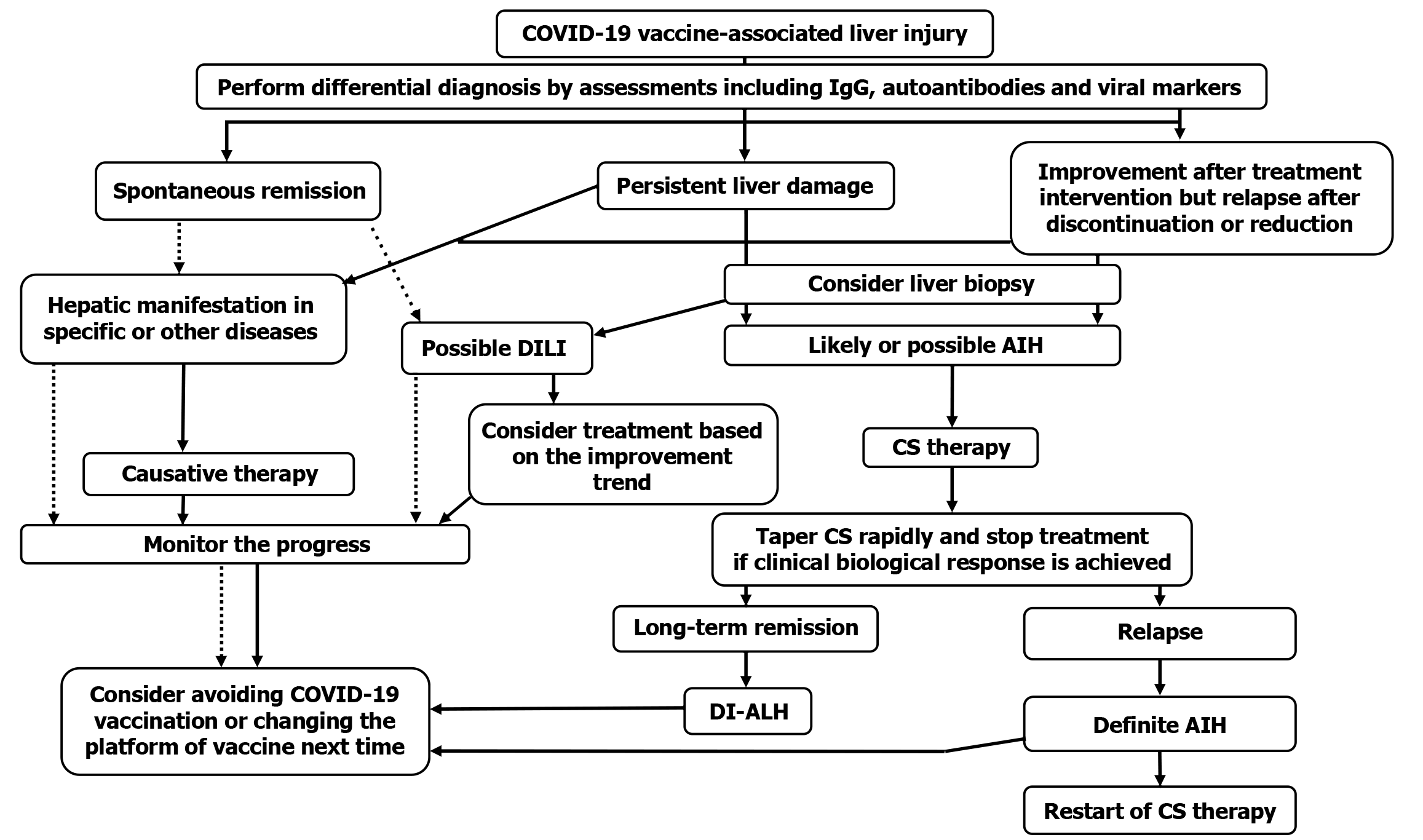
Figure 2 Algorithmic approach to the diagnosis and management of coronavirus disease 2019 vaccine-associated liver injury.
In cases where coronavirus disease 2019 (COVID-19) vaccine-associated liver injury is suspected, a comprehensive differential diagnosis should be conducted, including assessments of serum IgG levels, autoantibodies, and viral markers. Liver biopsy should be considered on the basis of the clinical course of hepatic dysfunction, specifically, whether the injury resolves spontaneously, persists, or initially improves with therapeutic intervention but subsequently relapses following dose reduction or discontinuation of the treatment. If autoimmune hepatitis (AIH) is suspected, corticosteroid therapy should be initiated. A clinical biological response achieved through early tapering or cessation of corticosteroids (CSs) may indicate drug-induced autoimmune-like hepatitis. Conversely, relapse upon dose reduction or withdrawal supports a diagnosis of AIH, warranting the resumption of CS therapy. When histopathological findings suggest drug-induced liver injury, management should be tailored according to the clinical trajectory, including either active treatment or continued observation. Cases exhibiting spontaneous remission or persistent liver injury may reflect hepatic manifestations of specific underlying conditions or other systemic diseases. Once a definitive diagnosis is established, appropriate etiological treatment should be initiated, with close monitoring of disease progression. Re-administration of the implicated COVID-19 vaccine should be avoided. If COVID-19 vaccination remains necessary, consideration may be given to using a COVID-19 vaccine from a different platform. AIH: Autoimmune hepatitis; COVID-19: Coronavirus disease 2019; CSs: Cessation of corticosteroids; DI-ALH: Drug-induced autoimmune-like hepatitis; DILI: Drug-induced liver injury.
- Citation: Sato K. Liver injury after COVID-19 vaccination: Current status and future perspectives. World J Hepatol 2026; 18(5): 116542
- URL: https://www.wjgnet.com/1948-5182/full/v18/i5/116542.htm
- DOI: https://dx.doi.org/10.4254/wjh.v18.i5.116542