
















Copyright: ©Author(s) 2026.
World J Hepatol. Apr 27, 2026; 18(4): 117905
Published online Apr 27, 2026. doi: 10.4254/wjh.v18.i4.117905
Published online Apr 27, 2026. doi: 10.4254/wjh.v18.i4.117905
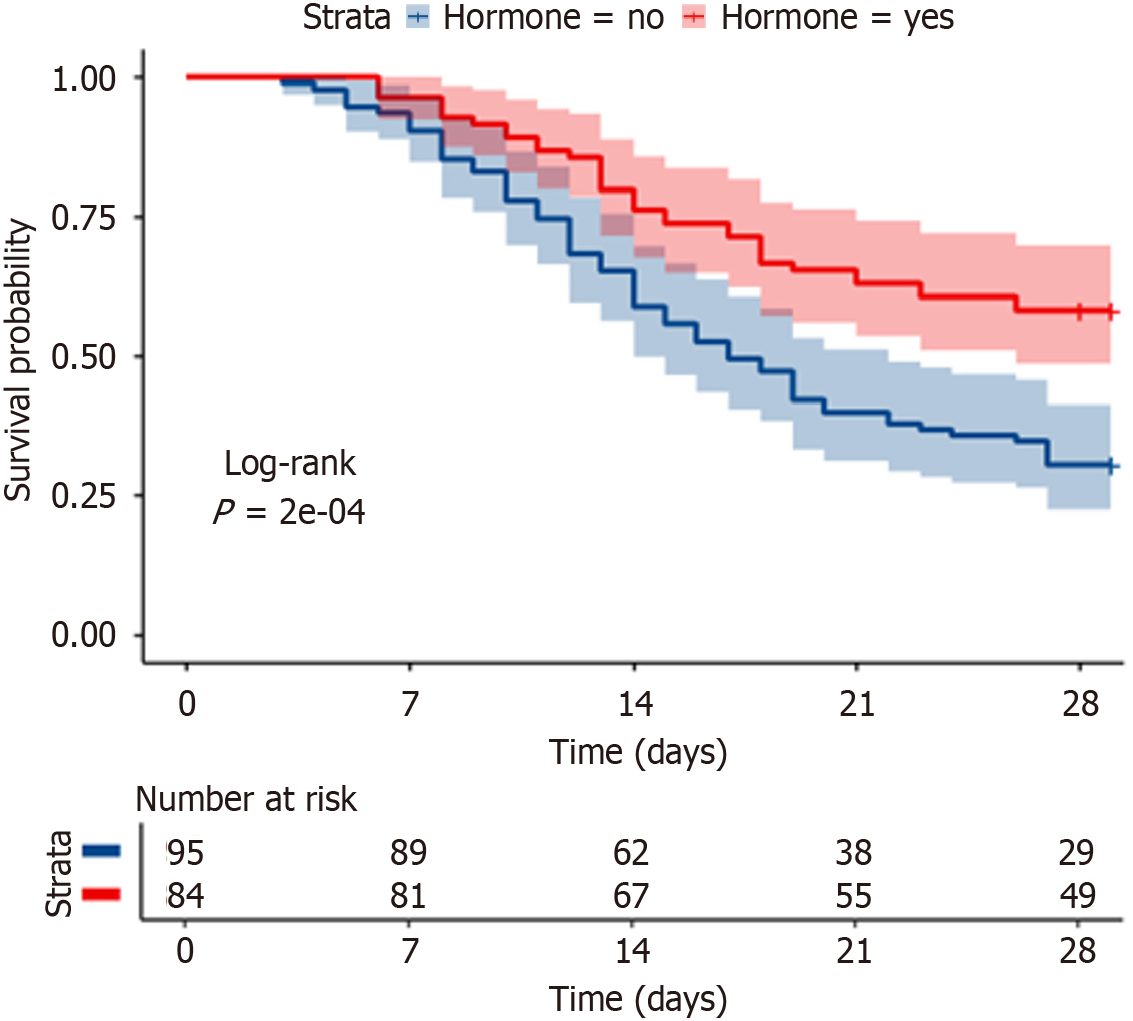
Figure 1 Survival comparison between glucocorticoid-treated and untreated patients with acute liver failure.
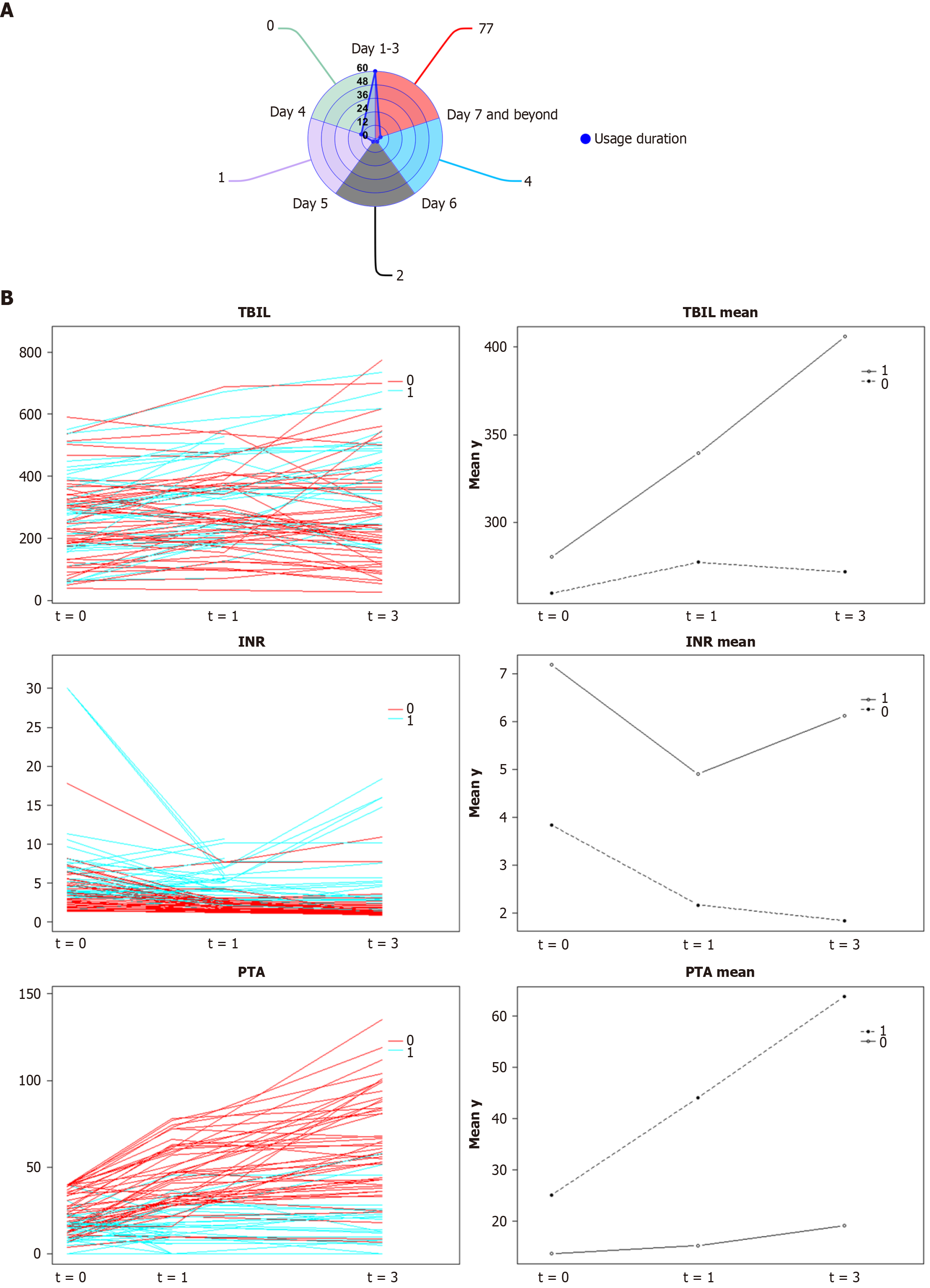
Figure 2 Corticosteroid use and biochemical changes in patients with acute liver failure.
A: Timing and duration of hormone use in patients with acute liver failure; B: Block diagram showing the temporal trends of serum total bilirubin, international normalized ratio, and prothrombin activity response and nonresponse to corticosteroids in patients with acute liver failure over a period of 3 days. TBIL: Total bilirubin; INR: International normalized; PTA: Prothrombin activity.
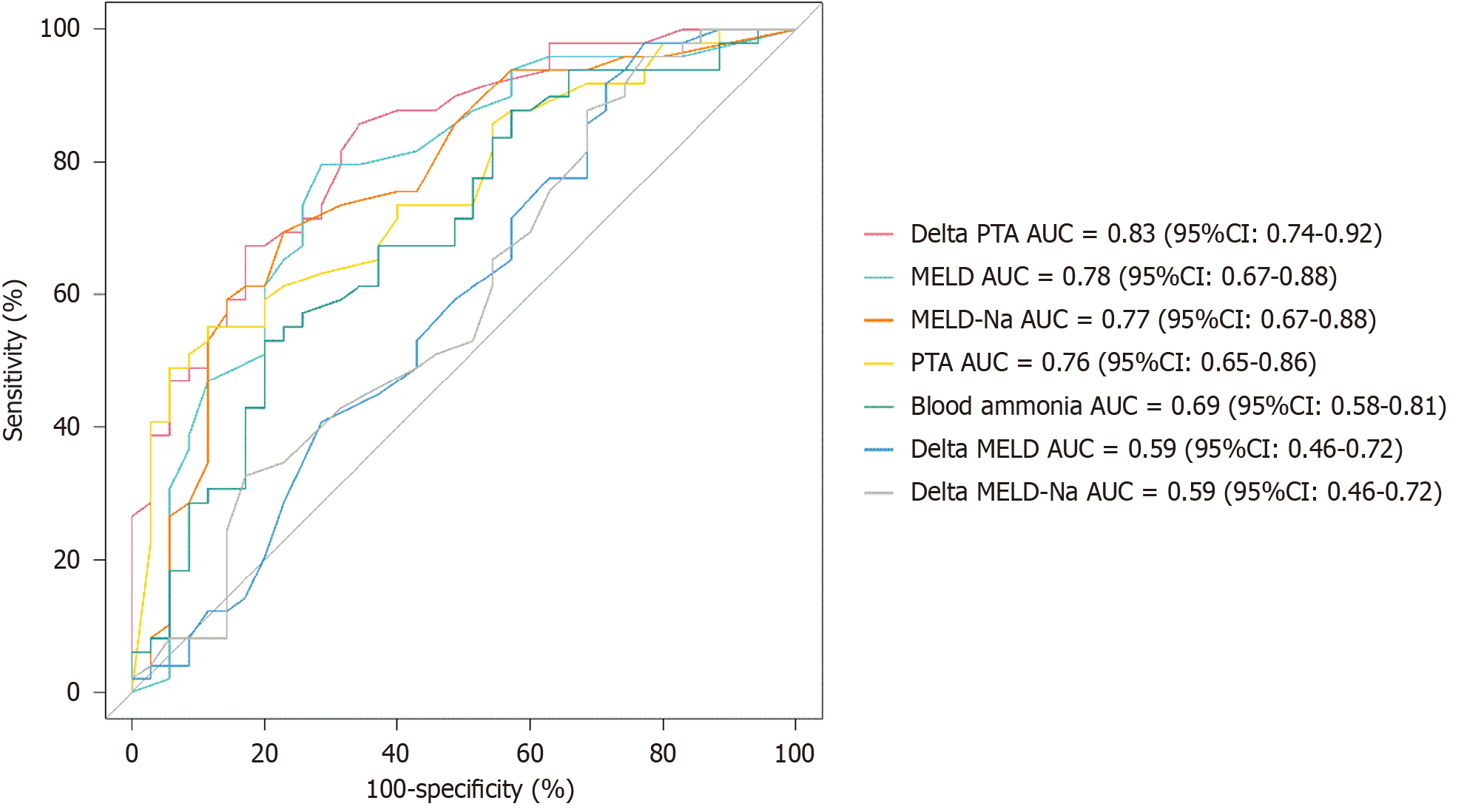
Figure 3 Receiver operating characteristic curves for predicting performance of various indicators.
AUC: Area under the curve; MELD: Model for end-stage liver disease; PTA: Prothrombin activity.
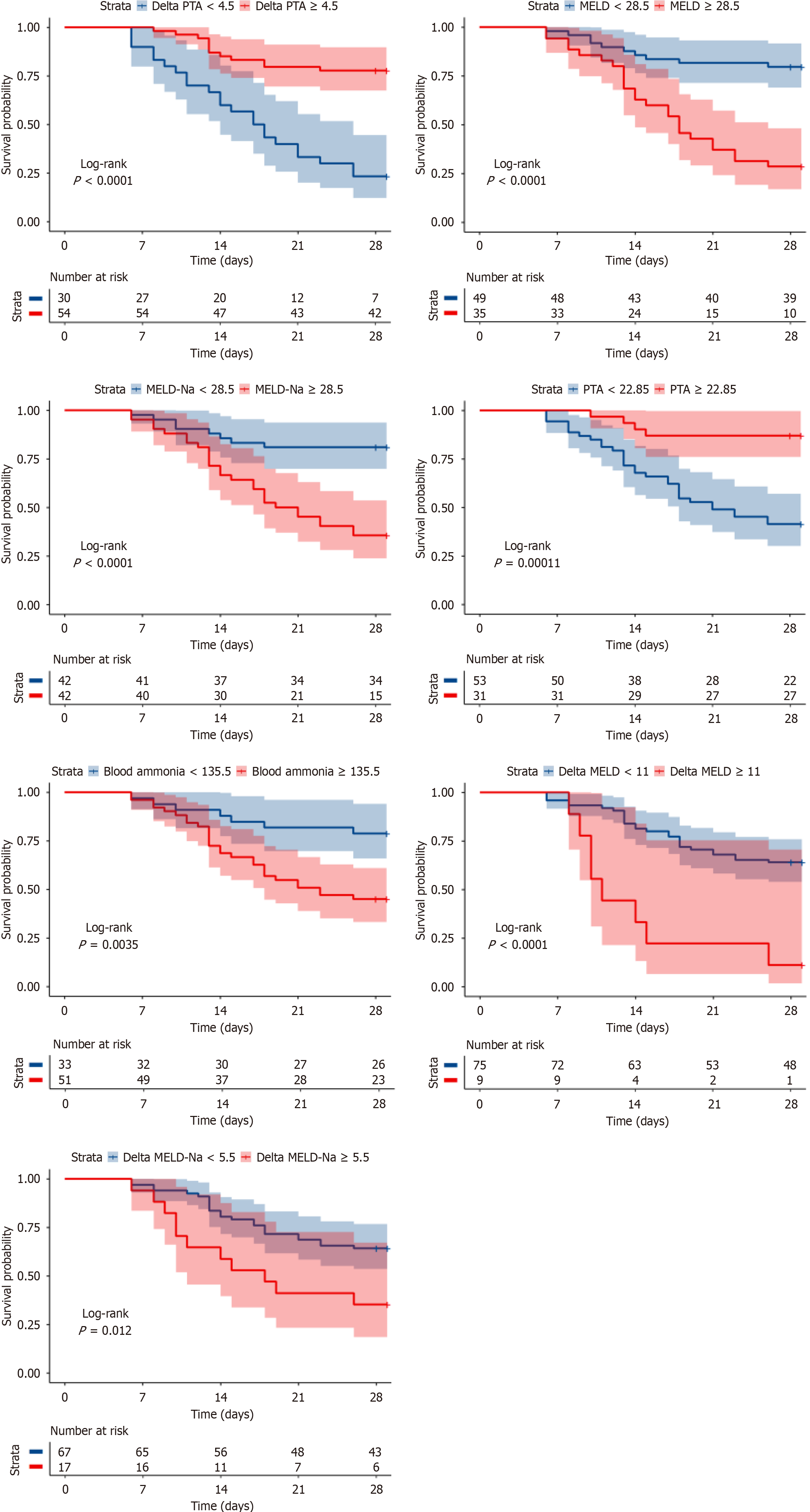
Figure 4 Kaplan-Meier curves showing cumulative survival in the acute liver failure cohort stratified by delta prothrombin activity, model for end-stage liver disease, model for end-stage liver disease-Na, prothrombin activity, blood ammonia, delta model for end-stage liver disease, and delta model for end-stage liver disease-Na.
Significance was estimated using the log-rank test. PTA: Prothrombin activity; MELD: Model for end-stage liver disease.
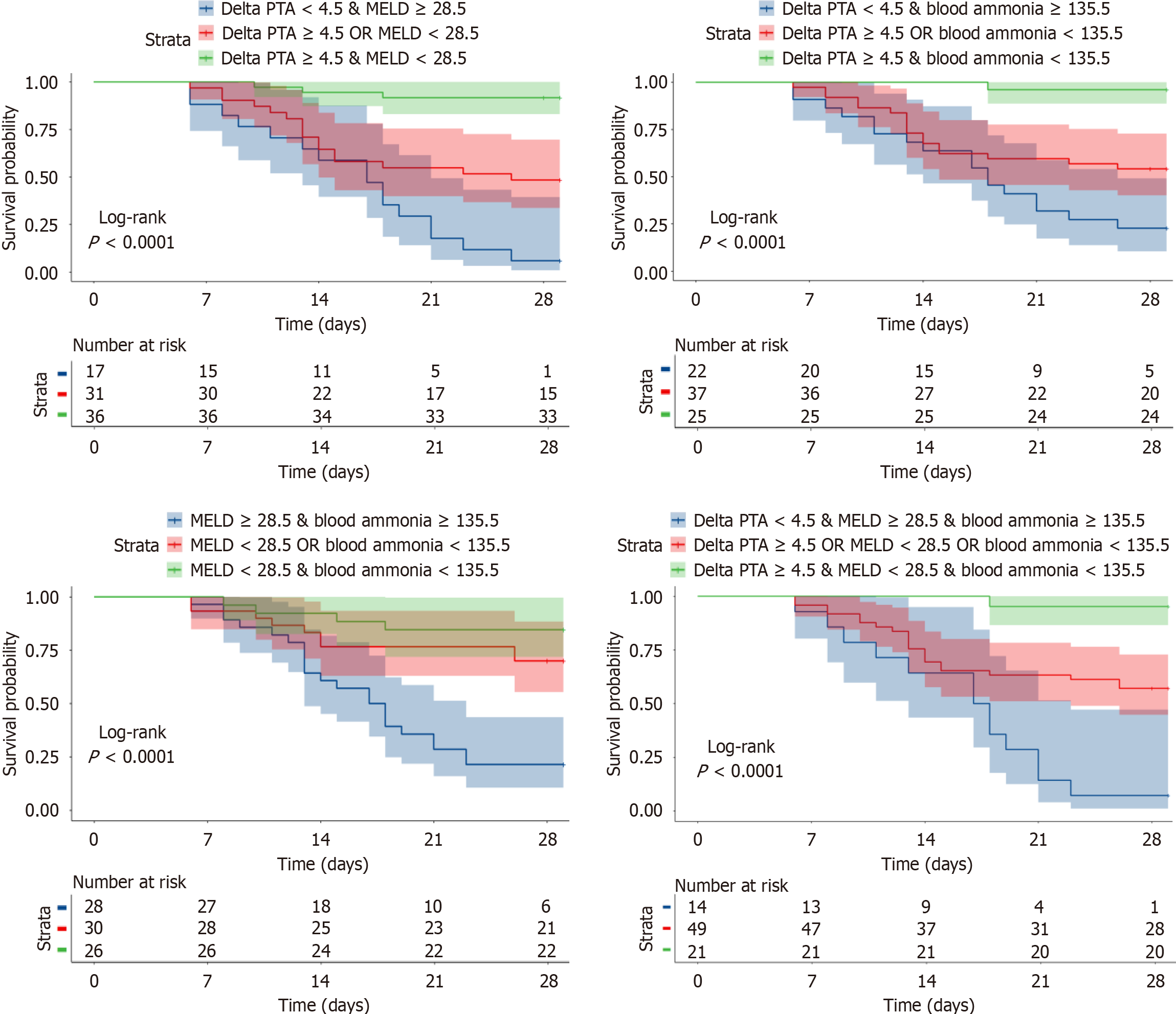
Figure 5 Kaplan-Meier curves showing cumulative survival in the acute liver failure cohort stratified by the combination of delta prothrombin activity, model for end-stage liver disease, and blood ammonia.
Significance was estimated using the log-rank test. PTA: Prothrombin activity; MELD: Model for end-stage liver disease; OR: Odds ratio.
- Citation: He YL, Yin XH, Xu XT, Li J, Meng QH. Glucocorticoid therapy in acute liver failure: Survival outcomes, predictors, and a response prediction model. World J Hepatol 2026; 18(4): 117905
- URL: https://www.wjgnet.com/1948-5182/full/v18/i4/117905.htm
- DOI: https://dx.doi.org/10.4254/wjh.v18.i4.117905