
















Copyright: ©Author(s) 2026.
World J Hepatol. Mar 27, 2026; 18(3): 117367
Published online Mar 27, 2026. doi: 10.4254/wjh.v18.i3.117367
Published online Mar 27, 2026. doi: 10.4254/wjh.v18.i3.117367
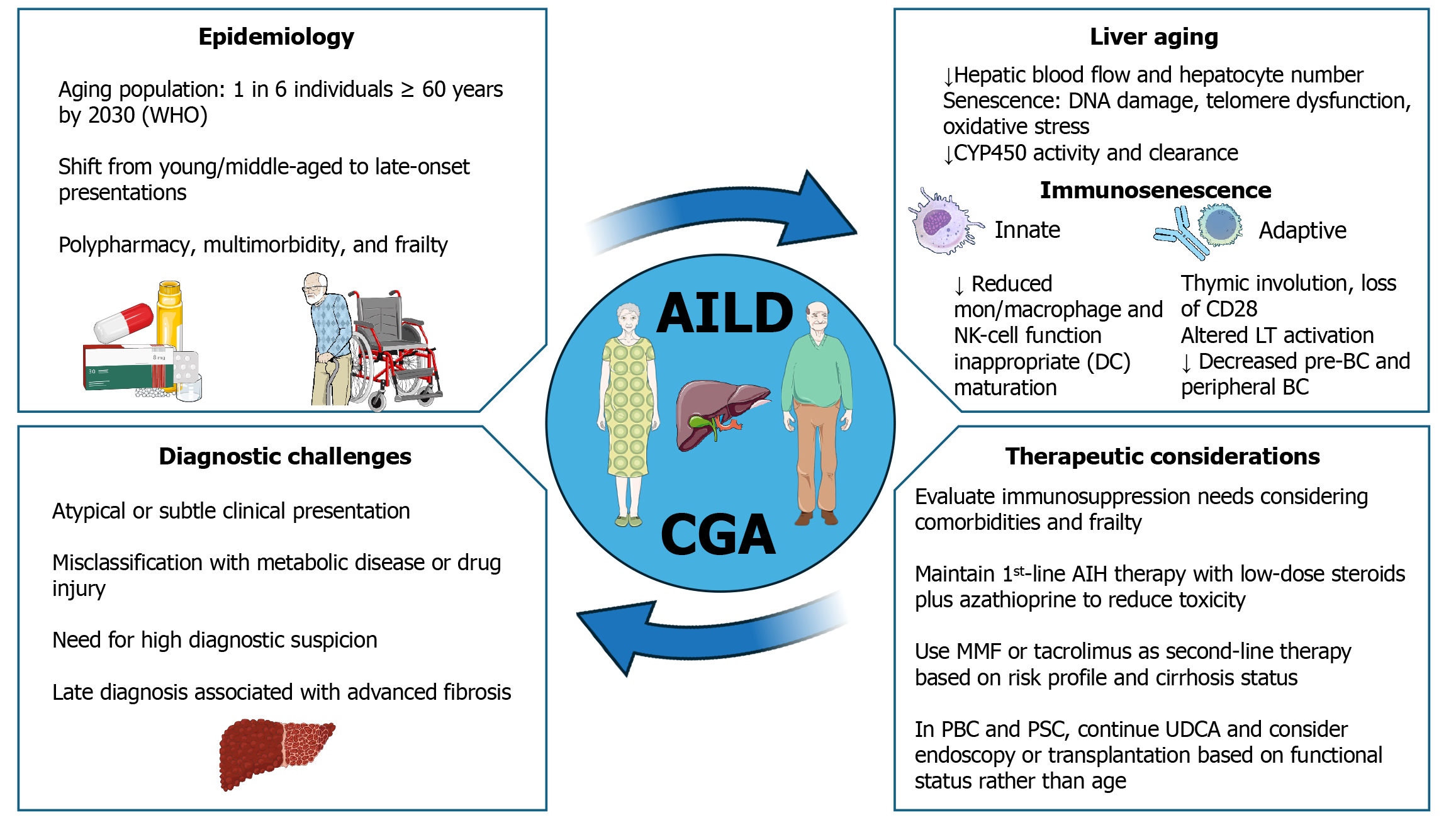
Figure 1 Core concepts in autoimmune liver diseases in older adults.
Aging impacts epidemiology, diagnostic accuracy, immune function, and therapeutic decision-making in autoimmune liver diseases. Older adults often present with atypical or subtle clinical features, higher multimorbidity, and increased vulnerability driven by liver aging and immunosenescence. Management should prioritize accurate diagnosis, individualized immunosuppression, and treatment decisions guided by functional status rather than chronological age. Comprehensive geriatric assessment constitutes a fundamental framework that informs all clinical decision-making and therapeutic interventions. AIH: Autoimmune hepatitis; AILD: Autoimmune liver diseases; BC: B cells; CD28: Cluster of differentiation 28; CGA: Comprehensive geriatric assessment; CYP450: Cytochrome P450; DC: Dendritic cells; LT: T lymphocytes; MMF: Mycophenolate mofetil; NK: Natural killer; PBC: Primary biliary cholangitis; PSC: Primary sclerosing cholangitis; UDCA: Ursodeoxycholic acid; WHO: World Health Organization. Figure created by the authors using royalty-free and open-license content. Components were obtained from Servier Medical Art (CC BY 4.0), NIAID BioArt Source (free for educational and scientific use), and SciDraw (CC BY 4.0), with original creators credited in the source files.
- Citation: Hernández-Almonacid PG, Espejo-Amado JS, Marín-Quintero X. Autoimmune liver diseases in older adults: Clinical challenges and management considerations. World J Hepatol 2026; 18(3): 117367
- URL: https://www.wjgnet.com/1948-5182/full/v18/i3/117367.htm
- DOI: https://dx.doi.org/10.4254/wjh.v18.i3.117367