
















Copyright: ©Author(s) 2026.
World J Hepatol. Mar 27, 2026; 18(3): 115108
Published online Mar 27, 2026. doi: 10.4254/wjh.v18.i3.115108
Published online Mar 27, 2026. doi: 10.4254/wjh.v18.i3.115108
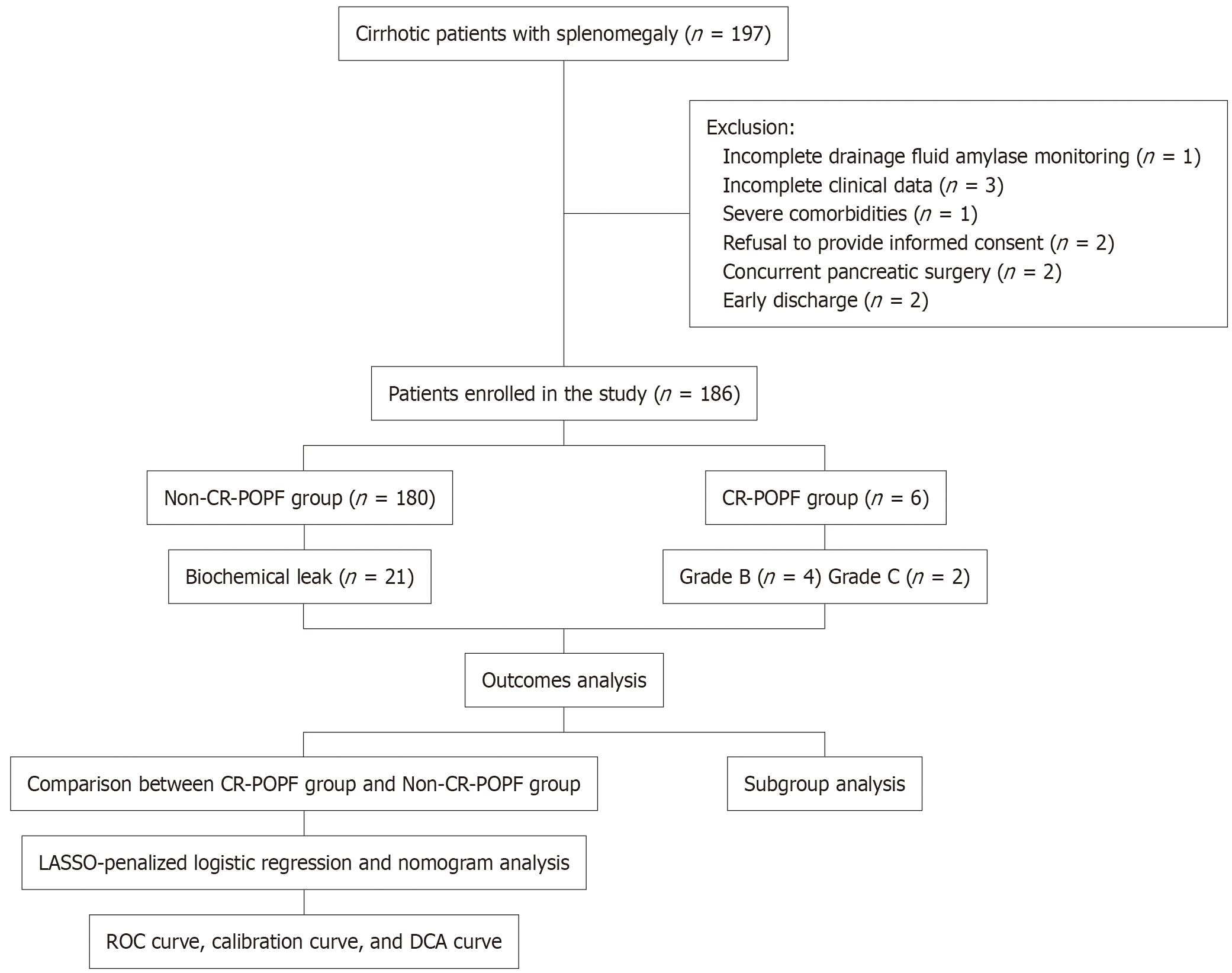
Figure 1 The patient selection flow diagram.
CR-POPF: Clinically relevant postoperative pancreatic fistula; LASSO: Least absolute shrinkage and selection operator; ROC: Receiver operating characteristic; DCA: Decision curve analysis.
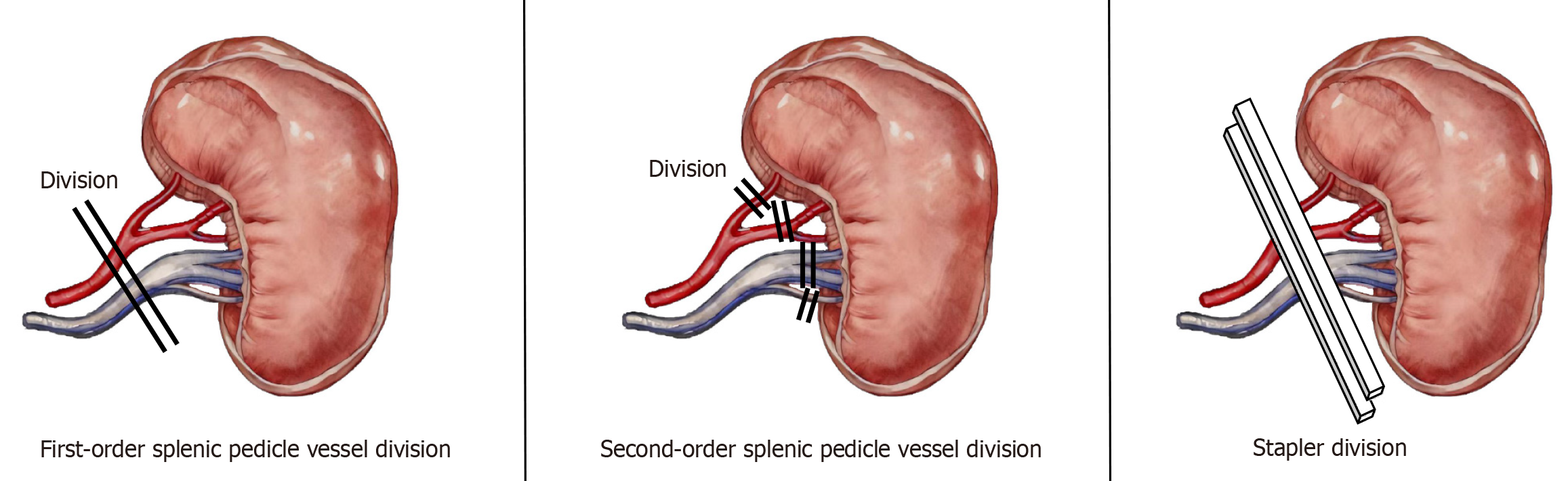
Figure 2 Different splenic pedicle division methods.
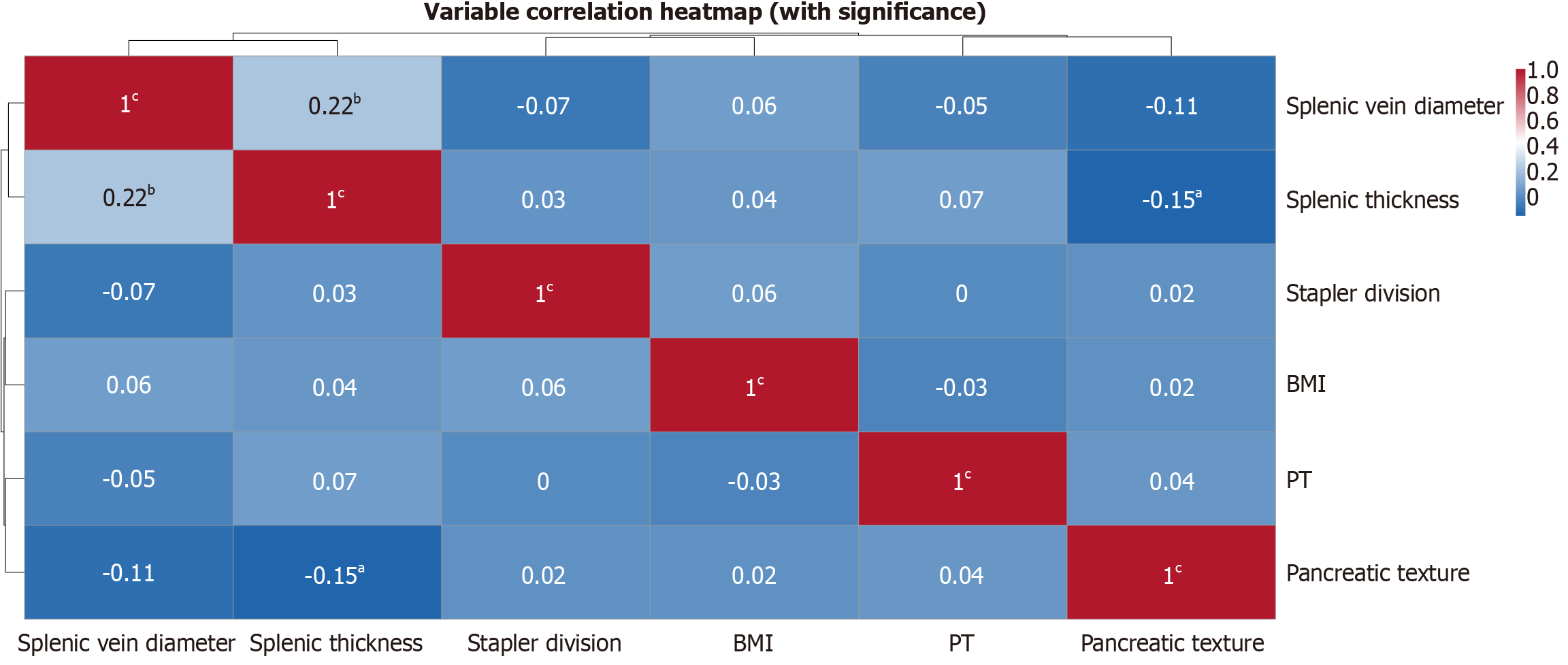
Figure 3 The correlation heatmap of influencing factors.
BMI: Body mass index; PT: Prothrombin time. aP < 0.05, bP < 0.01, cP < 0.001.
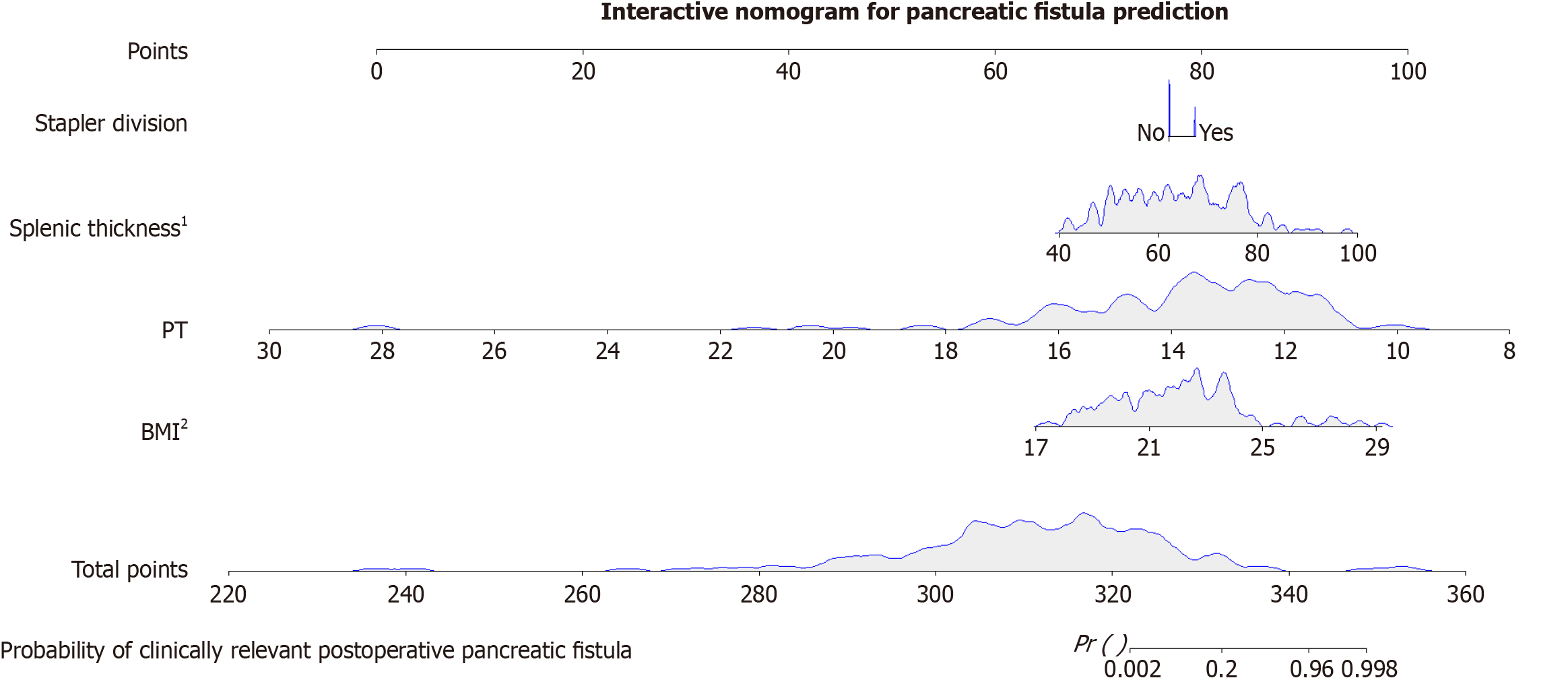
Figure 4 A nomogram of pancreatic fistula based on the multivariate least absolute shrinkage and selection operator-penalized logistic regression model.
1An independent risk factor for clinically relevant postoperative pancreatic fistula by multivariate least absolute shrinkage and selection operator-penalized logistic regression (odds ratio = 1.250; 95% confidence interval: 1.014-1.542; P = 0.037). 2An independent risk factor for clinically relevant postoperative pancreatic fistula by multivariate least absolute shrinkage and selection operator-penalized logistic regression (odds ratio = 3.578, 95% confidence interval: 1.156-11.080, P = 0.027). PT: Prothrombin time; BMI: Body mass index.
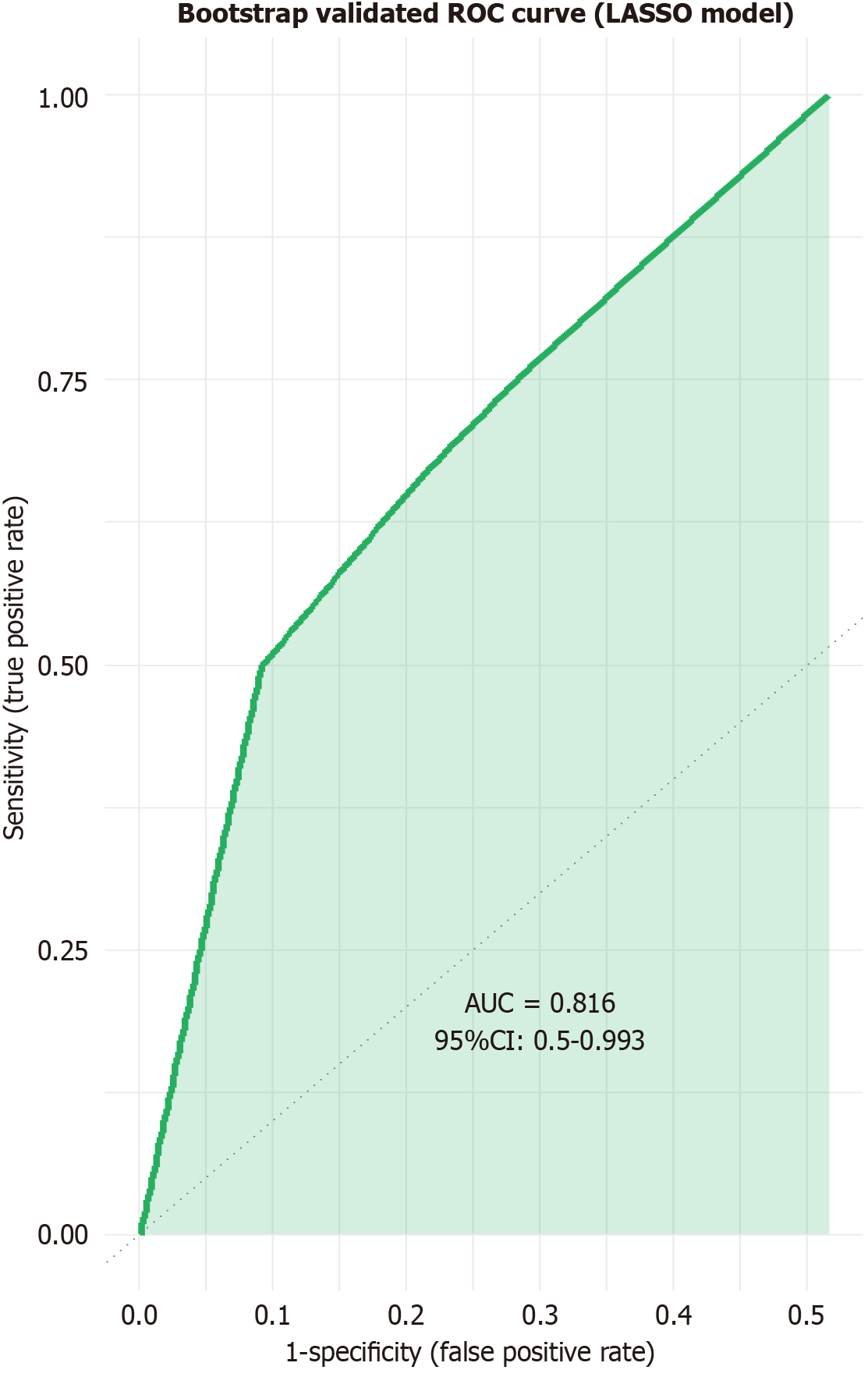
Figure 5 Receiver operating characteristic curve for the predictive nomogram of pancreatic fistula after splenectomy.
ROC: Receiver operating characteristic; LASSO: Least absolute shrinkage and selection operator; AUC: Area under the receiver operating characteristic curve; CI: Confidence interval.
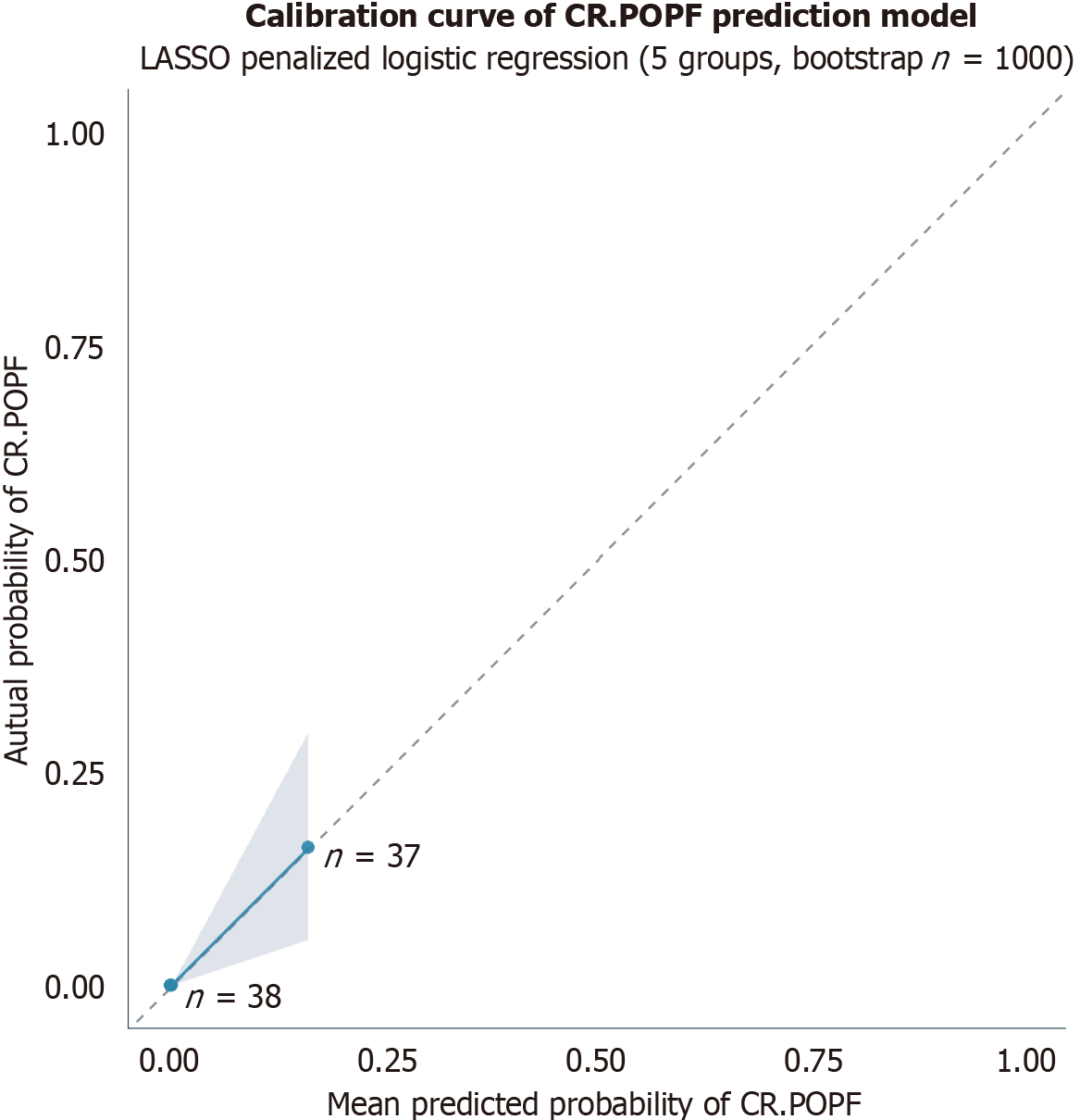
Figure 6 Calibration curve of the nomogram for predicting pancreatic fistula.
CR-POPF: Clinically relevant postoperative pancreatic fistula.
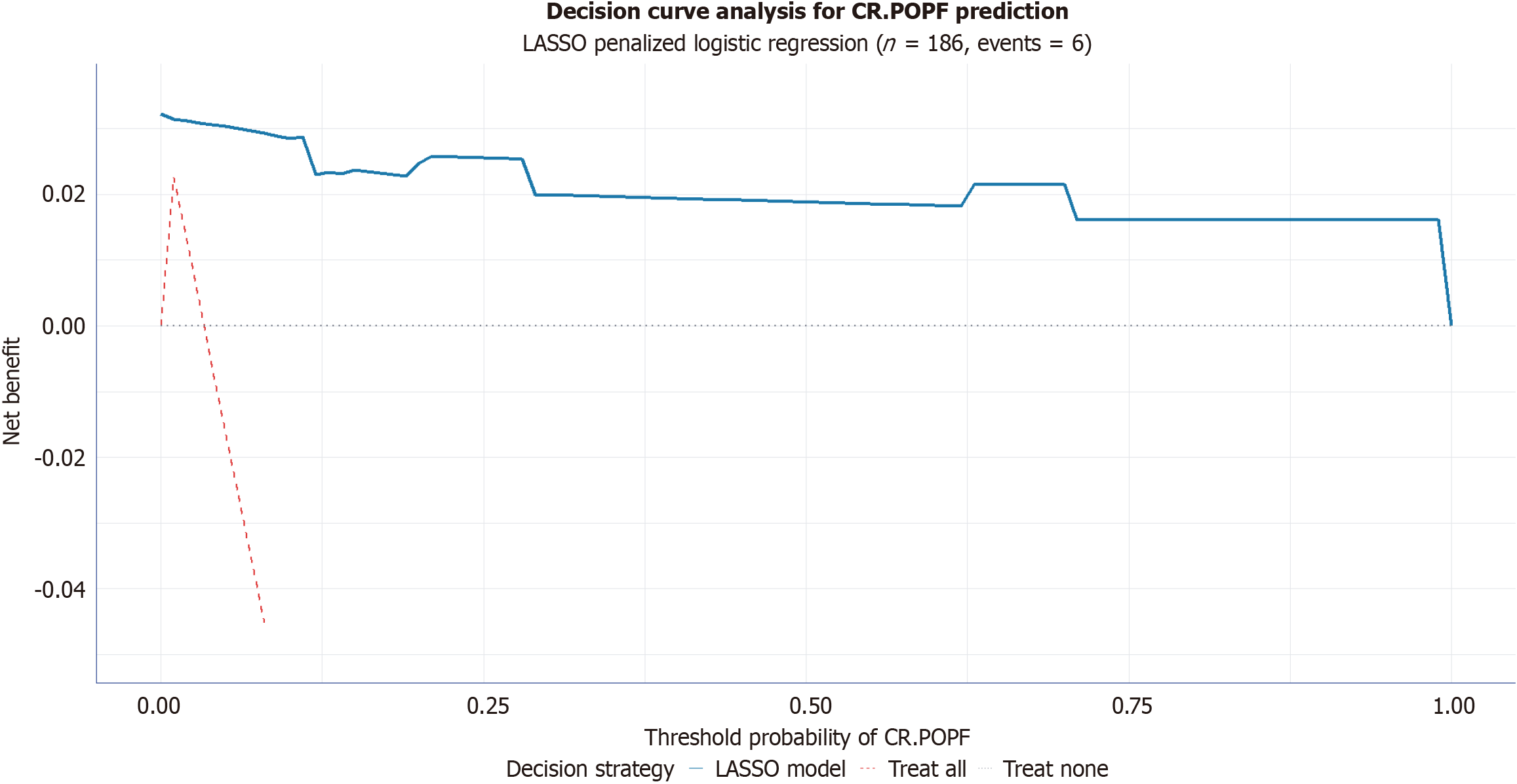
Figure 7 Decision curve analysis of the nomogram for pancreatic fistula prediction.
CR-POPF: Clinically relevant postoperative pancreatic fistula; LASSO: Least absolute shrinkage and selection operator.
- Citation: Huang L, Li QL, Yu QS, Peng H, Zhen Z, Zhang Q, Shen Y. Predicting pancreatic fistula post-splenectomy in cirrhosis with splenomegaly: Risk factors and nomogram validation. World J Hepatol 2026; 18(3): 115108
- URL: https://www.wjgnet.com/1948-5182/full/v18/i3/115108.htm
- DOI: https://dx.doi.org/10.4254/wjh.v18.i3.115108