
















©The Author(s) 2025.
World J Hepatol. Dec 27, 2025; 17(12): 110303
Published online Dec 27, 2025. doi: 10.4254/wjh.v17.i12.110303
Published online Dec 27, 2025. doi: 10.4254/wjh.v17.i12.110303
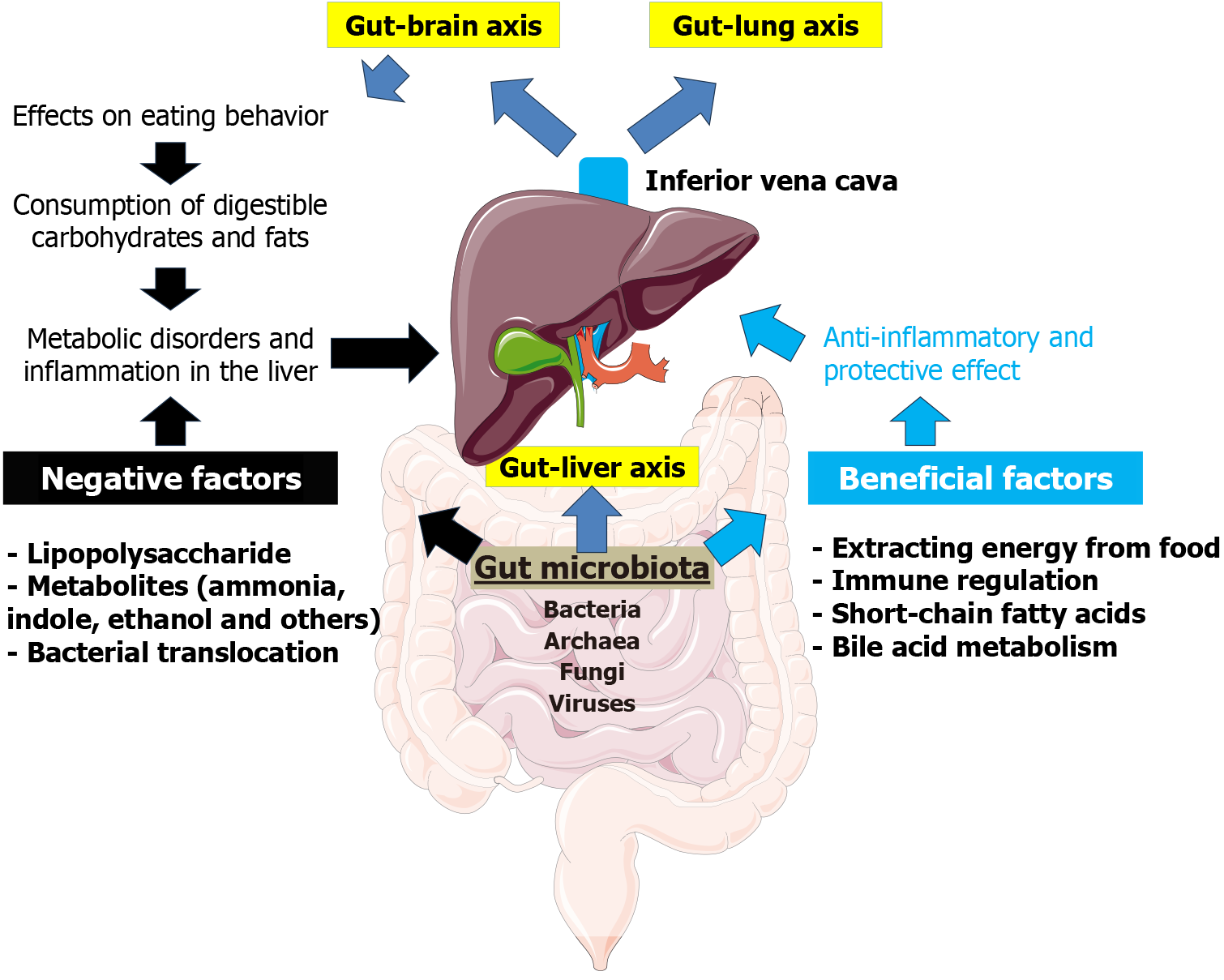
Figure 1 Gut microbiota and liver connections.
The gut microbiota can have both positive and negative effects on liver function. The gut microbiota has direct and indirect effects on liver function and is involved in the regulation of metabolism and immunity through metabolite production, bile acid metabolism, eating behavior, and regulation of inflammation. The artwork used in this figure was adapted from Servier Medical Art (http://smart.servier.com/) (Supplementary material).
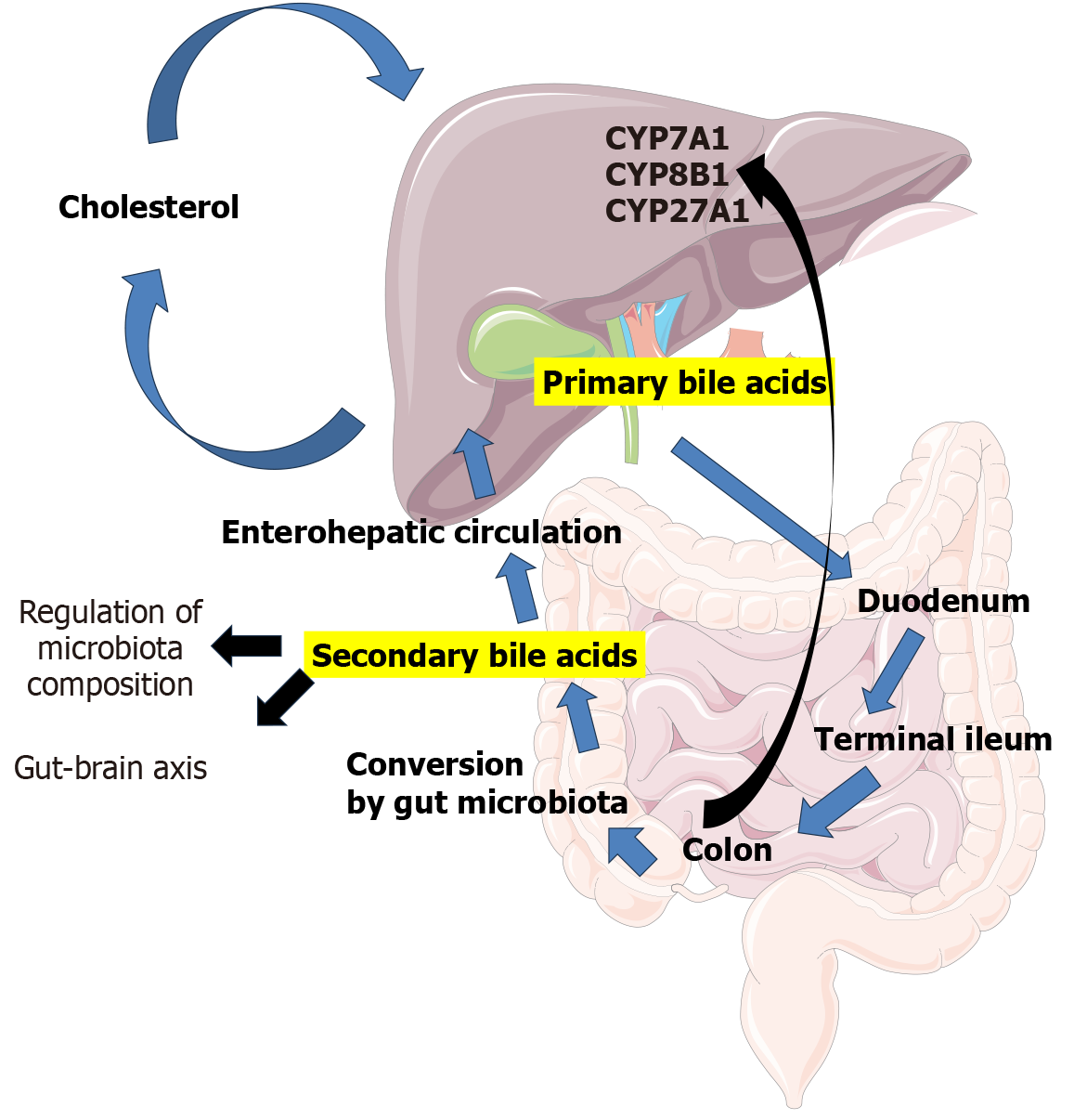
Figure 2 Metabolism and functions of bile acids.
The artwork used in this figure was adapted from Servier Medical Art (http://smart.servier.com/) (Supplementary material). CYP7A1: Cholesterol 7α-hydroxylase; CYP8B1: Sterol 12α-hydroxylase; CYP27A1: Sterol 27-hydroxylase.
- Citation: Kotlyarov SN. Clinical and biological significance of the relationship between gut microbiota and liver disease. World J Hepatol 2025; 17(12): 110303
- URL: https://www.wjgnet.com/1948-5182/full/v17/i12/110303.htm
- DOI: https://dx.doi.org/10.4254/wjh.v17.i12.110303