
















©The Author(s) 2025.
World J Hepatol. Dec 27, 2025; 17(12): 110076
Published online Dec 27, 2025. doi: 10.4254/wjh.v17.i12.110076
Published online Dec 27, 2025. doi: 10.4254/wjh.v17.i12.110076
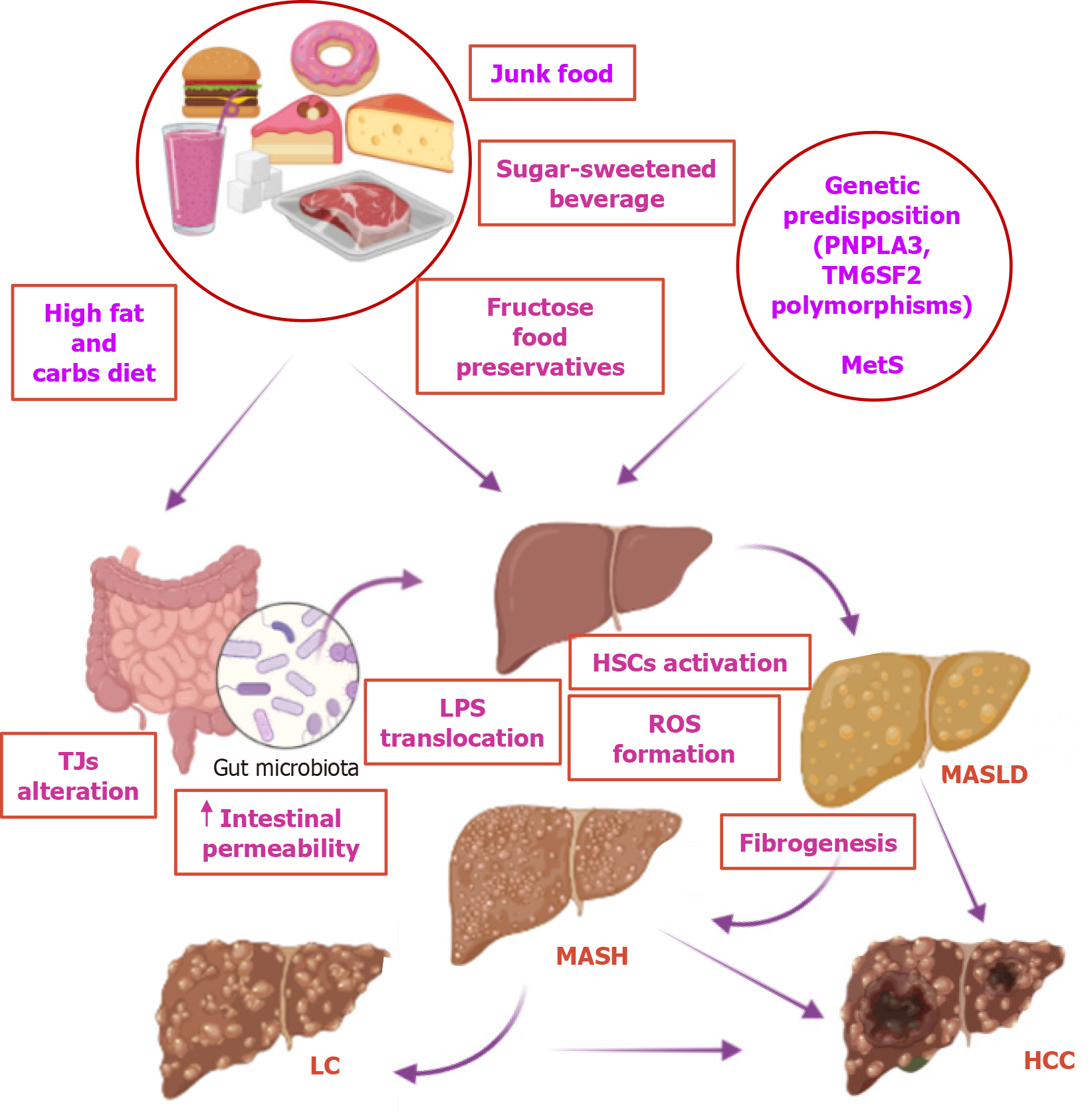
Figure 1 The natural history of metabolic dysfunction-associated steatotic liver disease.
TJs: Tight junctions; LPS: Lipopolysaccharide; HSCs: Hepatic stellate cells; ROS: Reactive oxygen species; LC: Liver cirrhosis; MASH: Metabolic dysfunction-associated steatohepatitis; MASLD: Metabolic dysfunction-associated steatotic liver disease; HCC: Hepatocellular carcinoma.
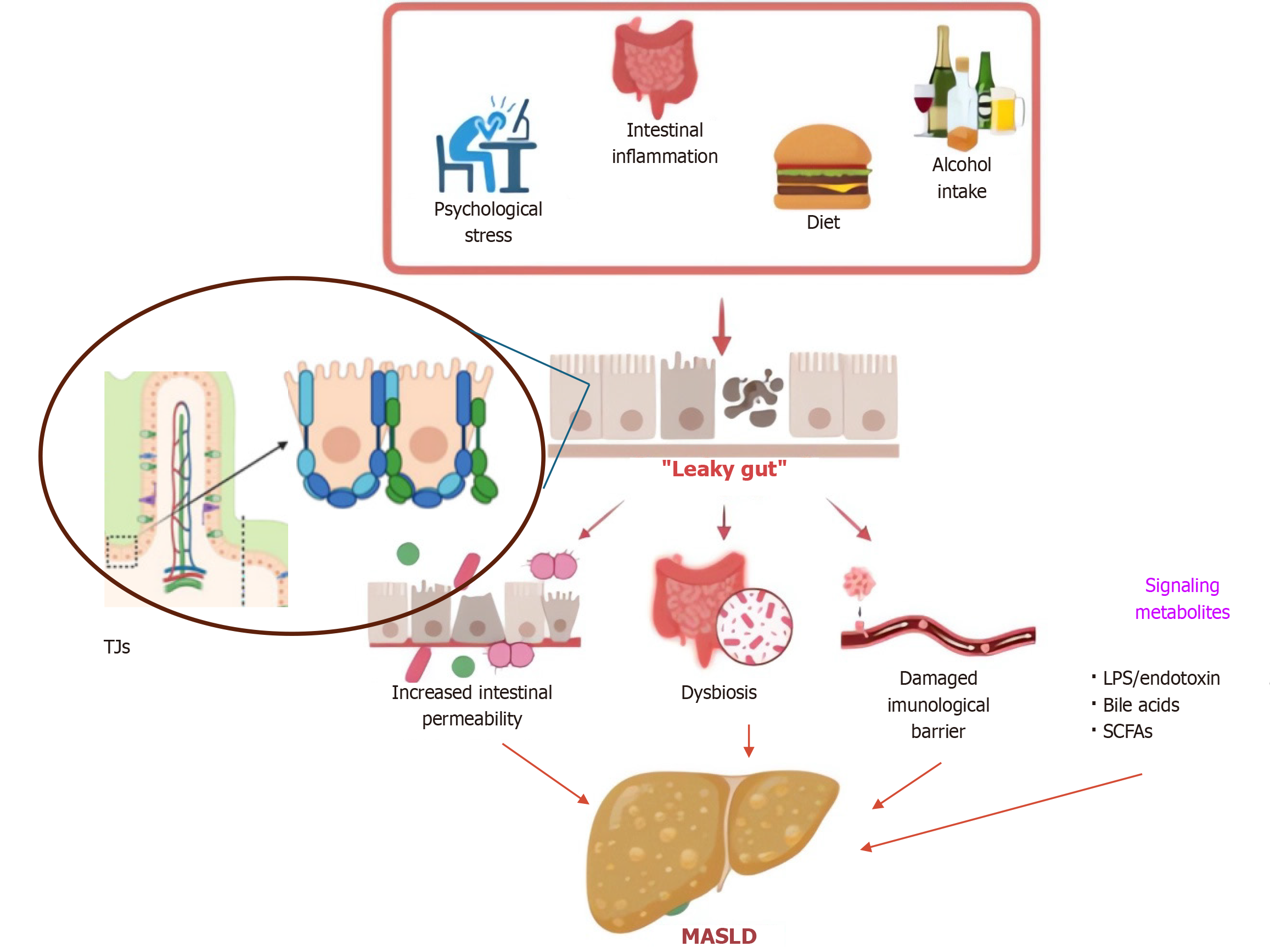
Figure 2 The gut-liver axis, a bidirectional “metabolic” cooperation through bile acids, hormones, and products of digestion and absorption, includes interactions between diet, genetic, and environmental factors, which, if altered, can contribute to the development of metabolic dysfunction-associated steatotic liver disease.
TJs: Tight junctions; LPS: Lipopolysaccharide; MASLD: Metabolic dysfunction-associated steatotic liver disease; SCFAs: Short-chain fatty acids.
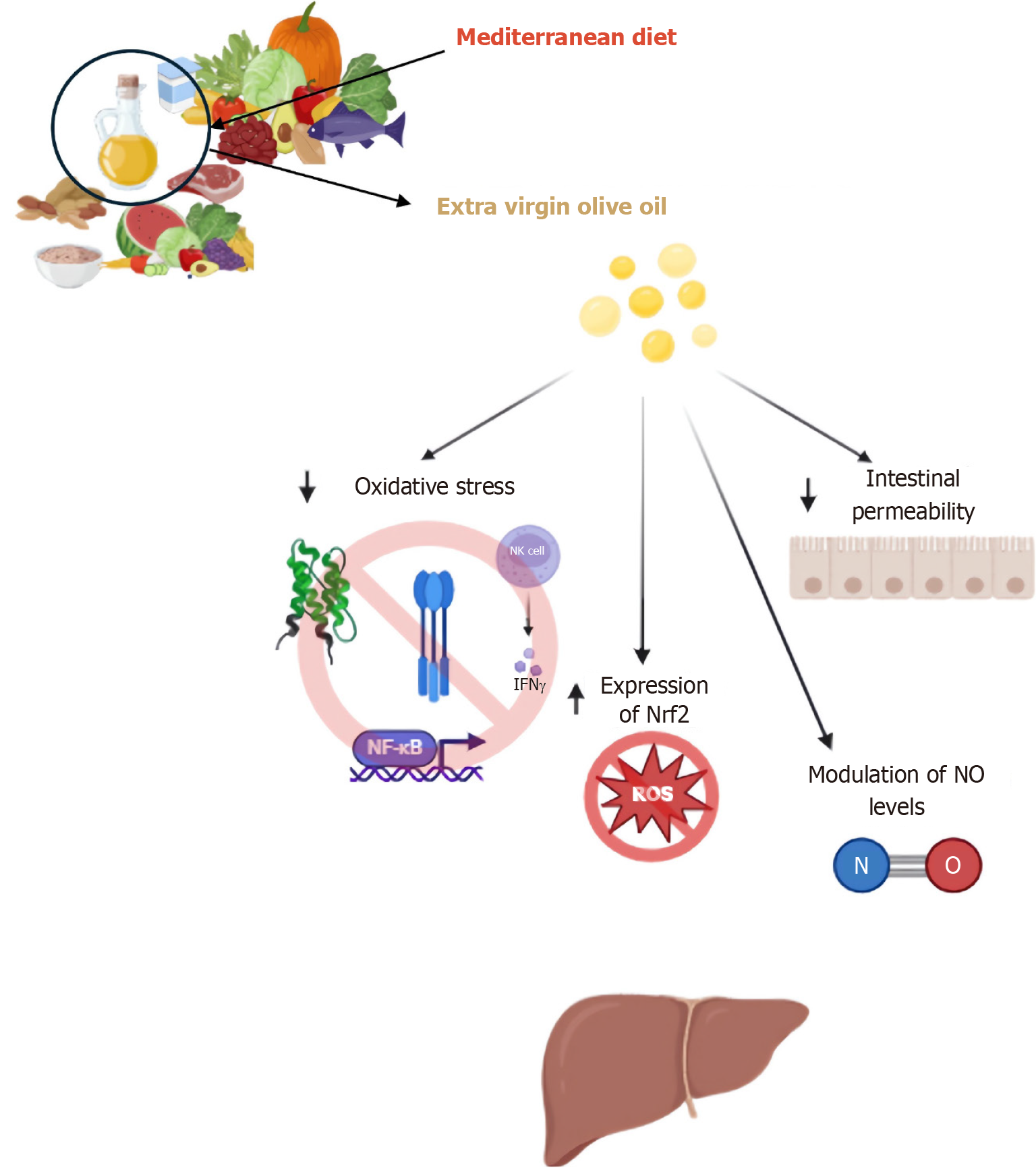
Figure 3 Metabolic pathways involved in the potential role of extra virgin olive oil in the restoration of normal intestinal permeability and hepatoprotection.
Nrf2: Nuclear factor erythroid-2-related factor 2; NK cell: Natural Killer cell; IFNγ: Interferon γ.
- Citation: Giannitrapani L, Ferraro M, Seidita A, Licata A, Soresi M. Interplay between intestinal permeability and metabolic dysfunction-associated steatotic liver disease: Could there be a role for extra virgin olive oil consumption? World J Hepatol 2025; 17(12): 110076
- URL: https://www.wjgnet.com/1948-5182/full/v17/i12/110076.htm
- DOI: https://dx.doi.org/10.4254/wjh.v17.i12.110076