
















©The Author(s) 2025.
World J Hepatol. Oct 27, 2025; 17(10): 109092
Published online Oct 27, 2025. doi: 10.4254/wjh.v17.i10.109092
Published online Oct 27, 2025. doi: 10.4254/wjh.v17.i10.109092
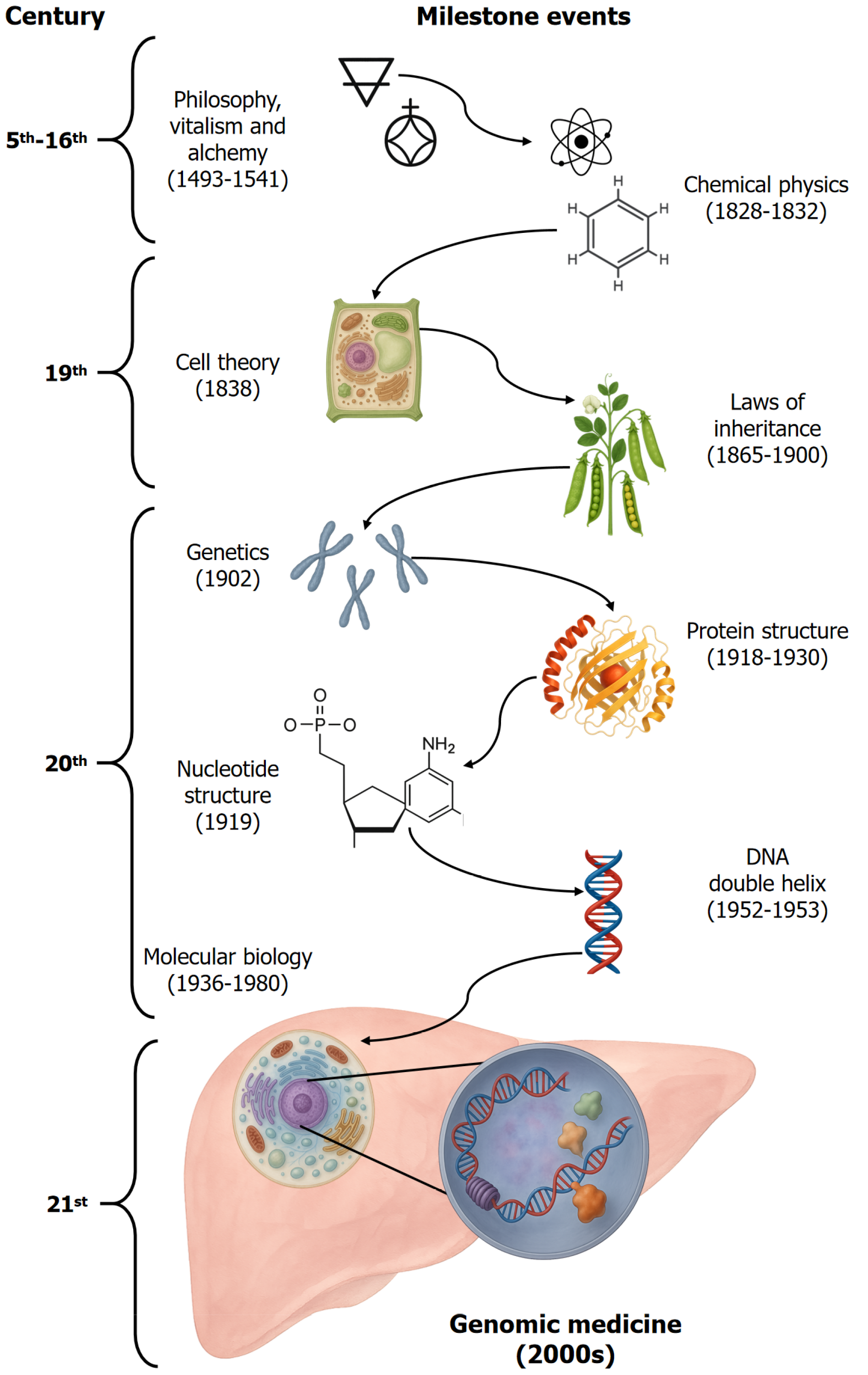
Figure 1 Timeline of the evolution of the development in science and its impact on medicine.
From philosophy and alchemy as fundamental precursors of chemistry and chemical physics, through the transition of these disciplines into molecular biology, culminating in the emergence of genomic medicine.
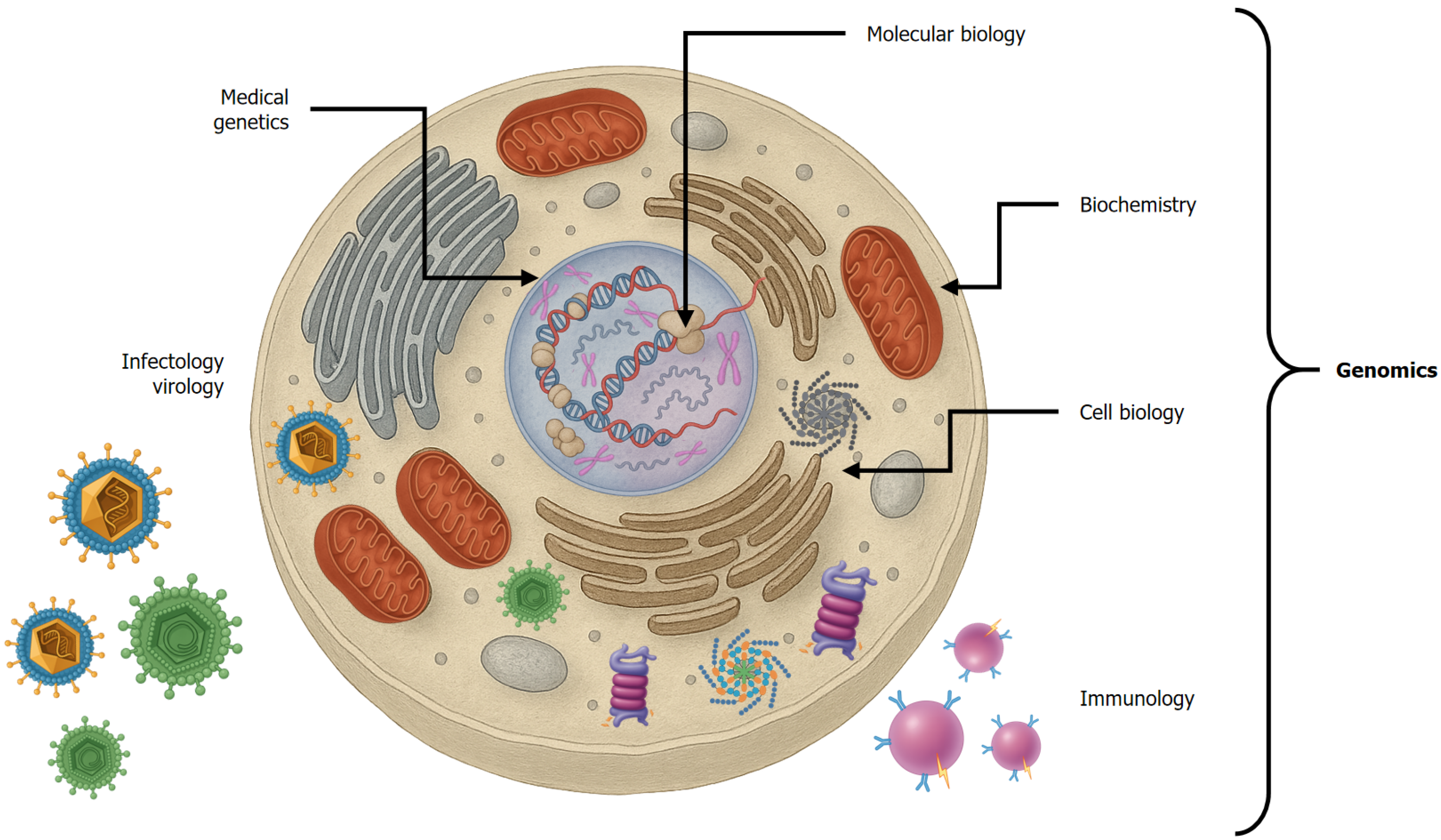
Figure 2 Integration of biomedical disciplines into genomics.
Genomics unifies the diverse biomedical sciences that conventionally studied cellular processes in isolation. Genomics enables a comprehensive and holistic approach to health and disease by analyzing gene expression and regulation at multiple biological levels, bridging fragmented views into a symbiotic biological model.
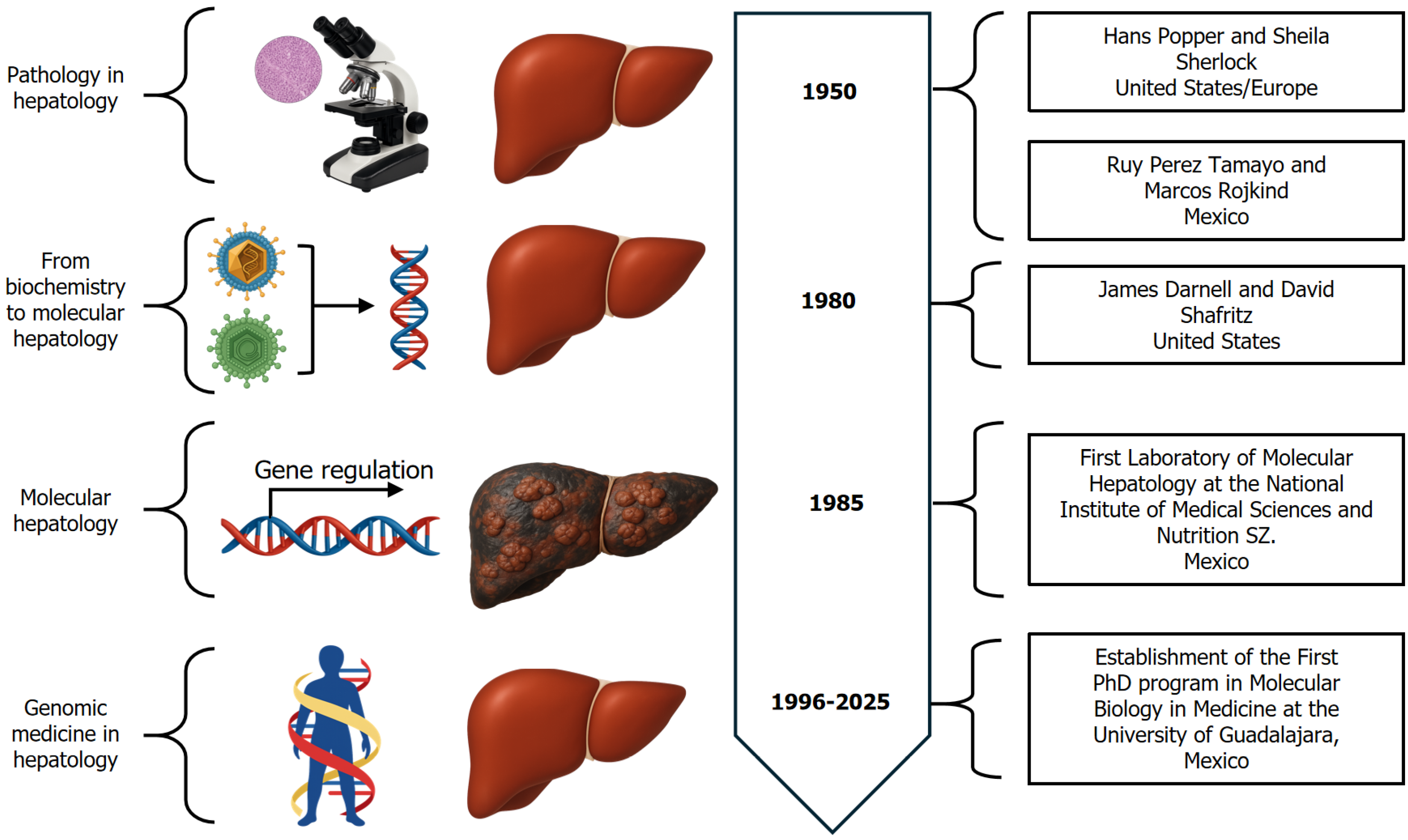
Figure 3 Evolution of science and its impact on the study of hepatology in Mexico.
Scientific transition from classical pathology in hepatology to the current genomic medicine era.
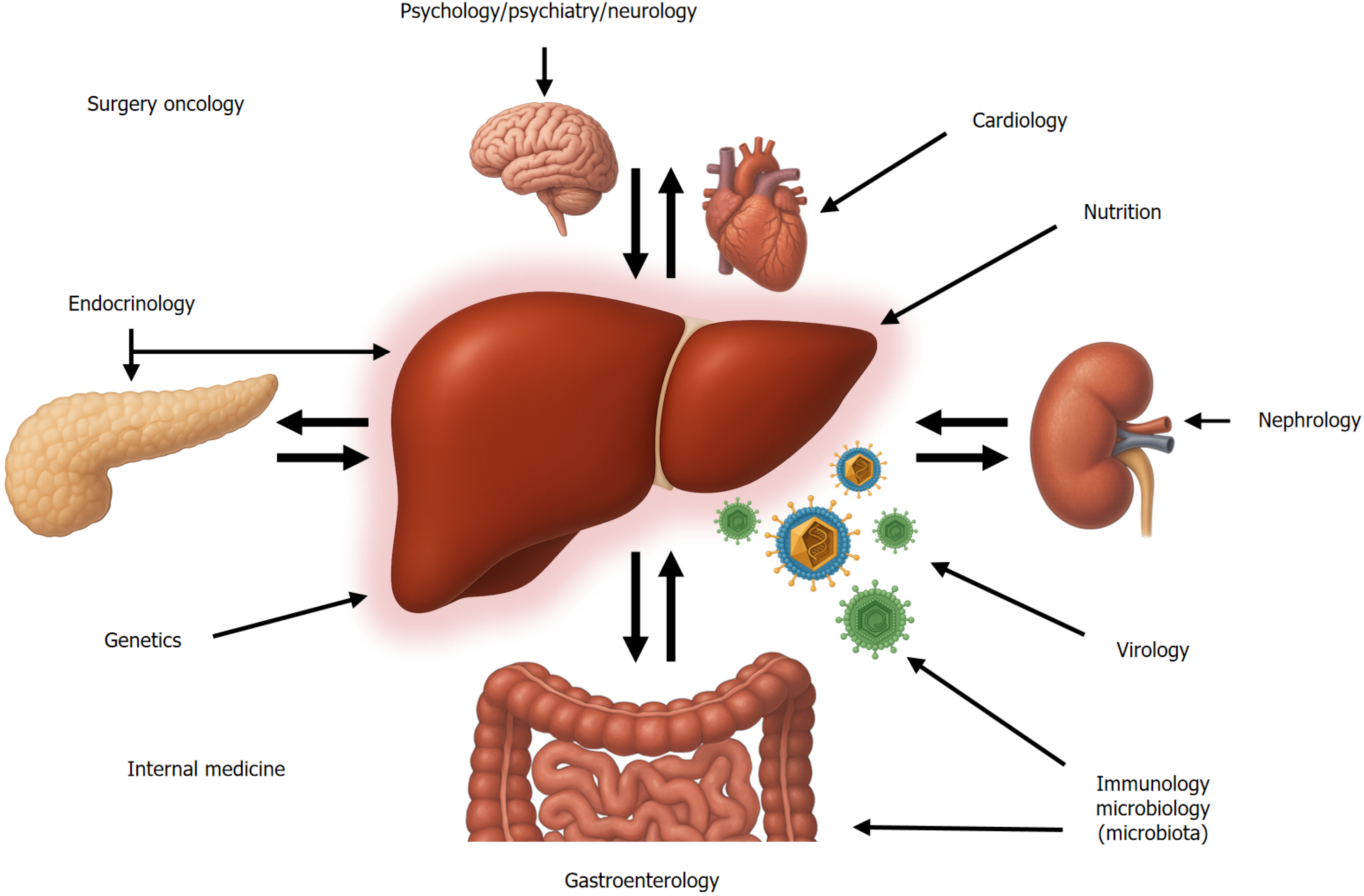
Figure 4 Liver as a central and integrative organ in human physiology.
A focal point of interest for medical training, specialties, and other health sciences disciplines. A key point for preventing, detecting, and reversing chronic degenerative diseases.
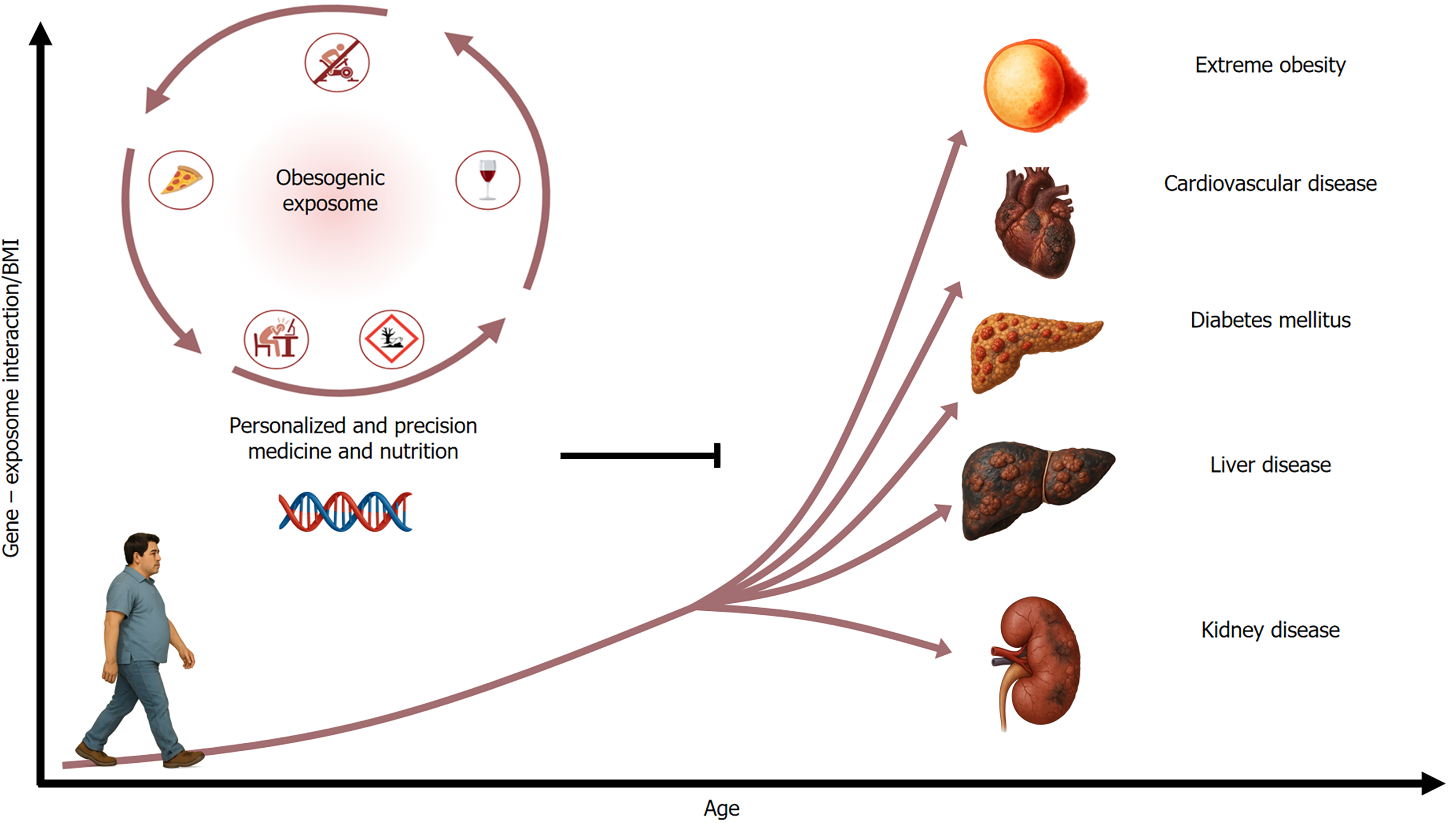
Figure 5 Gene-environment interaction and the progression of chronic degenerative disease.
The interaction between the genome and a harmful exposome (including obesogenic surroundings, hepatopathogenic diets, obesogens, toxins, and environmental pollution) promotes the progression of chronic disease. Personalized and precision medicine, as well as nutrition, may prevent, halt, or reverse the early development of disease. BMI: Body mass index.
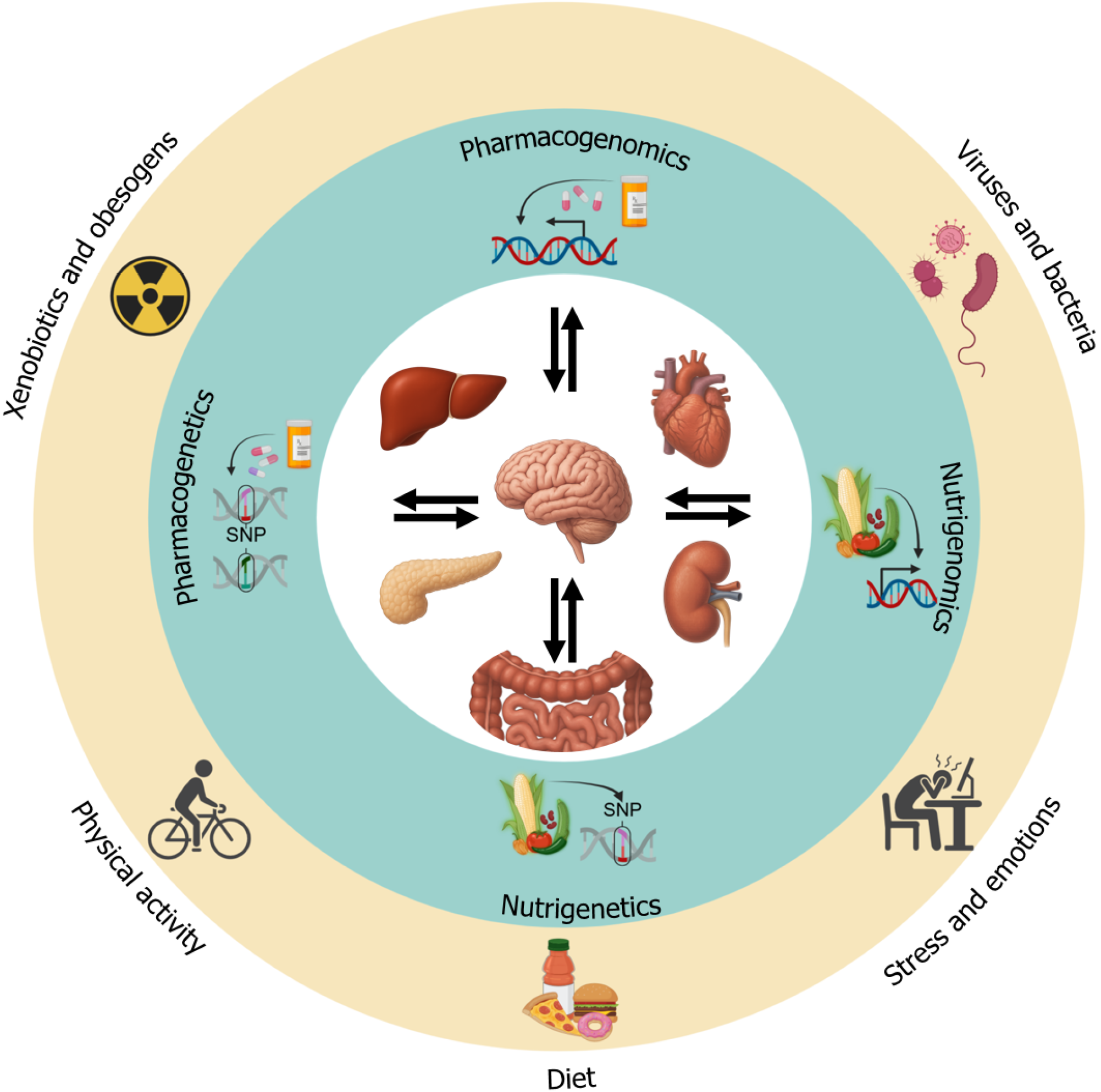
Figure 6 Therapeutic targets in genomic medicine.
Genomic-exposomic interactions occur in distinct organs, including the liver, affecting gene expression, which may cause chronic disease. SNP: Single-nucleotide polymorphism.
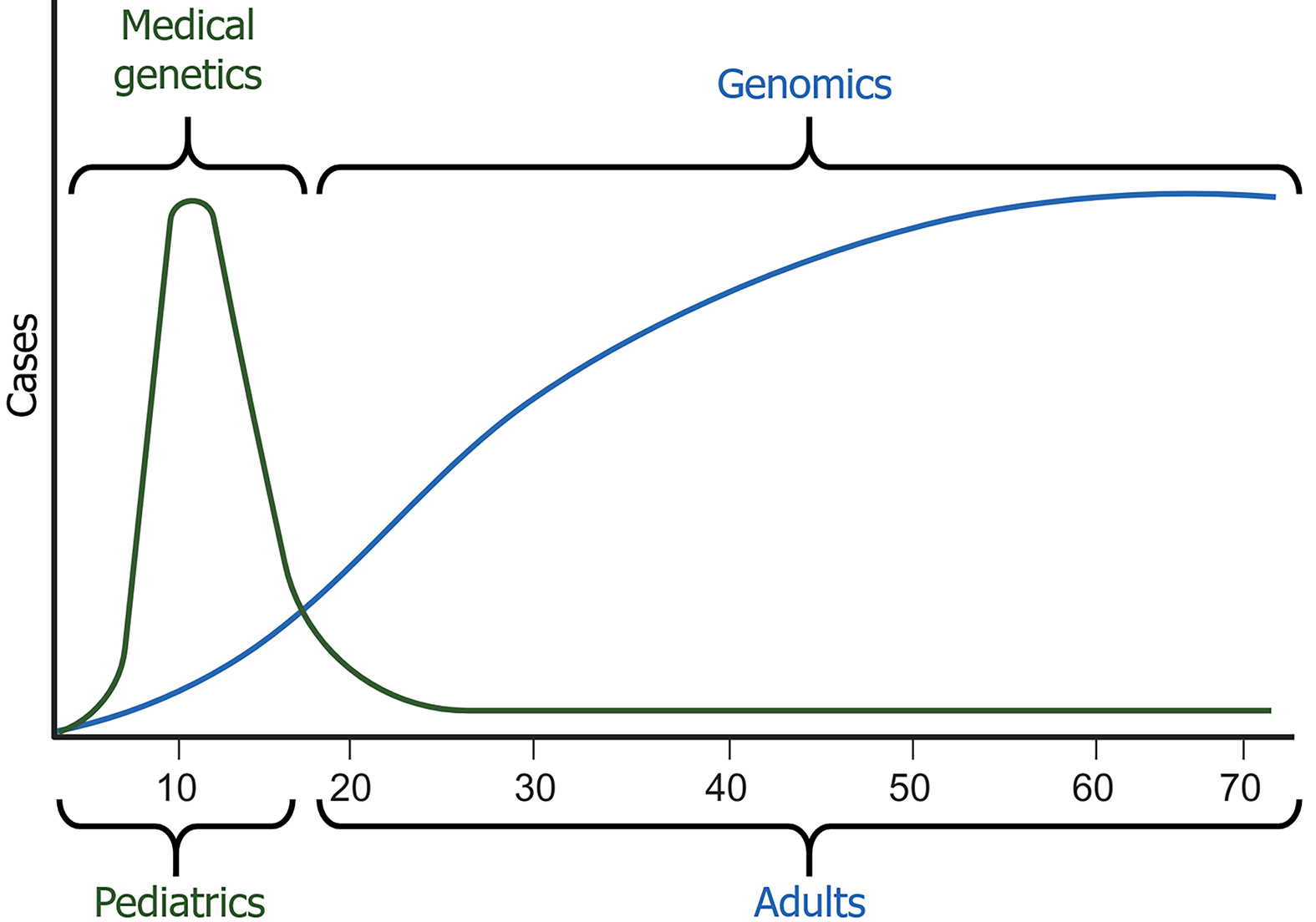
Figure 7 From medical genetics to genomics.
Transition from conventional medical genetics, primarily focused on rare, monogenic disorders manifesting in childhood, toward genomics, which addresses complex, polygenic conditions prevalent in adulthood.
- Citation: Panduro A, Roman S, Leal-Mercado L, Cardenas-Benitez JP, Mariscal-Martinez IM. Evolution of hepatology practice in Mexico and Latin America: From biochemical markers to genomic medicine. World J Hepatol 2025; 17(10): 109092
- URL: https://www.wjgnet.com/1948-5182/full/v17/i10/109092.htm
- DOI: https://dx.doi.org/10.4254/wjh.v17.i10.109092