
















Copyright: ©Author(s) 2026.
World J Stem Cells. Sep 26, 2026; 18(9): 122395
Published online Sep 26, 2026. doi: 10.4252/wjsc.122395
Published online Sep 26, 2026. doi: 10.4252/wjsc.122395
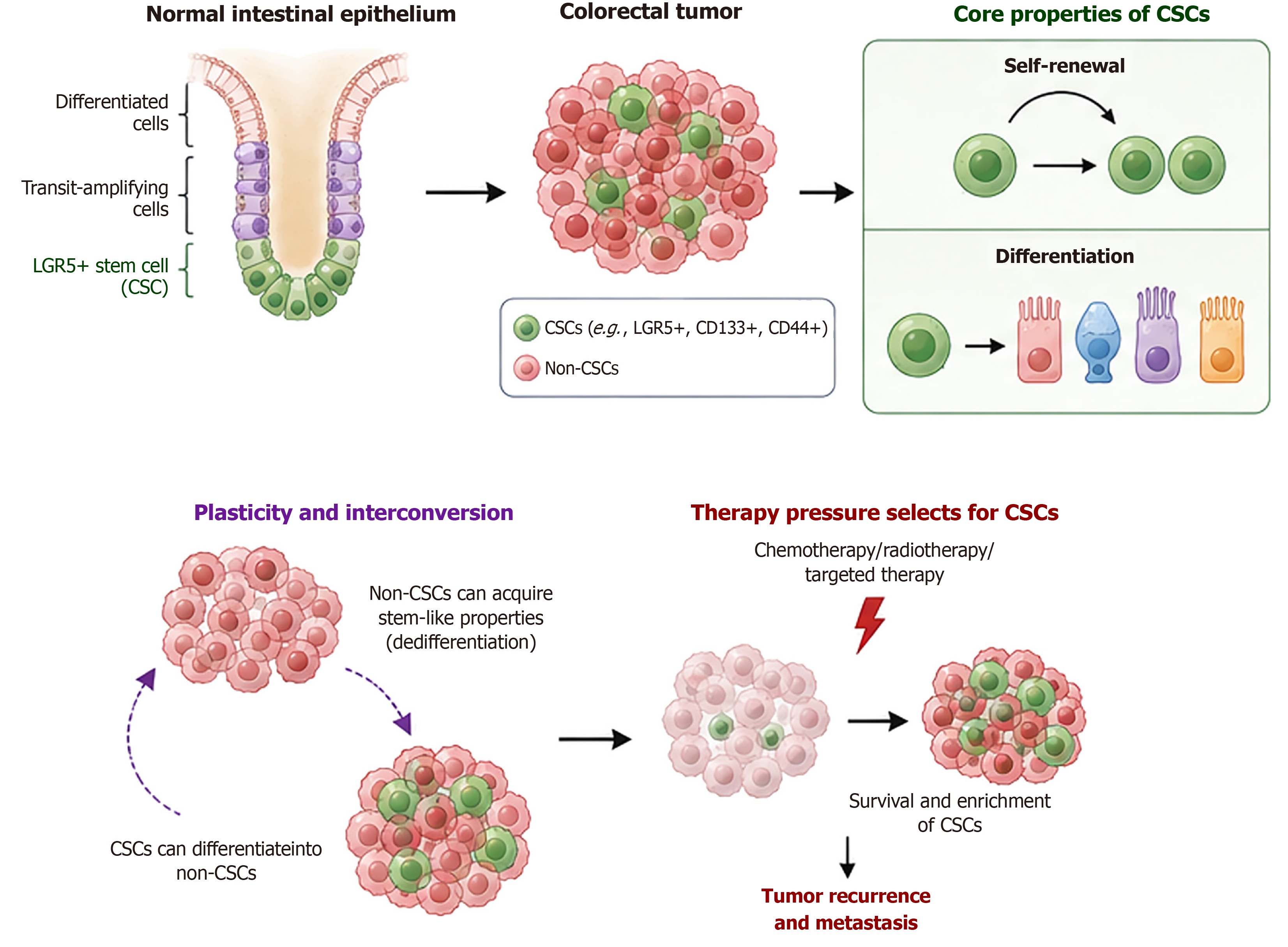
Figure 1 Biology of colorectal cancer stem cells.
Normal intestinal epithelium contains leucine-rich G repeat-containing protein-coupled receptor 5+ intestinal stem cells that maintain epithelial homeostasis through self-renewal and differentiation. During colorectal tumorigenesis, a subset of tumor cells acquires cancer stem cell (CSC) characteristics, including self-renewal, differentiation capacity, and tumor-initiating potential. CSCs exhibit remarkable phenotypic plasticity, allowing bidirectional interconversion between CSCs and non-CSCs through dedifferentiation and reprogramming. Under chemotherapy, radiotherapy, or targeted therapy, resistant CSC populations are preferentially enriched, contributing to tumor recurrence, metastasis, and treatment failure. CSC: Cancer stem cell; LGR5: Leucine-rich G repeat-containing protein-coupled receptor 5.
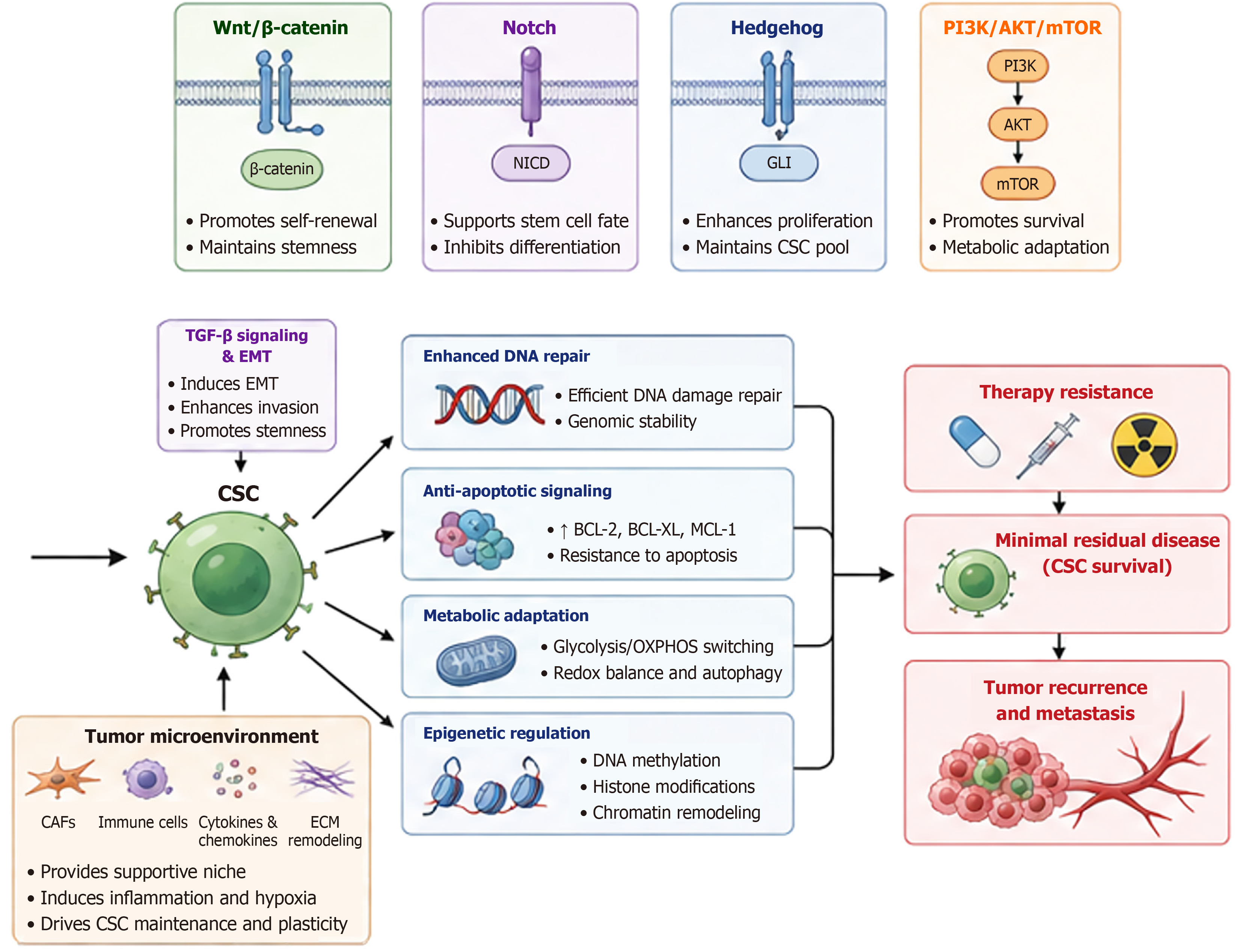
Figure 2 Molecular mechanisms driving cancer stem cell plasticity and therapy resistance in colorectal cancer.
Multiple developmental signaling pathways, including Wnt/β-catenin, Notch, Hedgehog, phosphatidylinositol 3-kinase/protein kinase B/mechanistic target of rapamycin, and transforming growth factor-β signaling, cooperatively regulate cancer stem cell (CSC) maintenance, self-renewal, and phenotypic plasticity. The tumor microenvironment, composed of cancer-associated fibroblasts, immune cells, endothelial cells, cytokines, and extracellular matrix, further supports CSC survival and stemness. Additional mechanisms, including enhanced DNA damage repair, anti-apoptotic signaling, metabolic reprogramming, and epigenetic regulation, promote resistance to chemotherapy and radiotherapy, leading to minimal residual disease, tumor recurrence, and metastasis. CSC: Cancer stem cell; PI3K: Phosphatidylinositol 3-kinase; AKT: Protein kinase B; mTOR: Mechanistic target of rapamycin; TGF: Transforming growth factor; EMT: Epithelial-mesenchymal transition; CAF: Cancer-associated fibroblast; ECM: Extracellular matrix; OXPHOS: Oxidative phosphorylation.
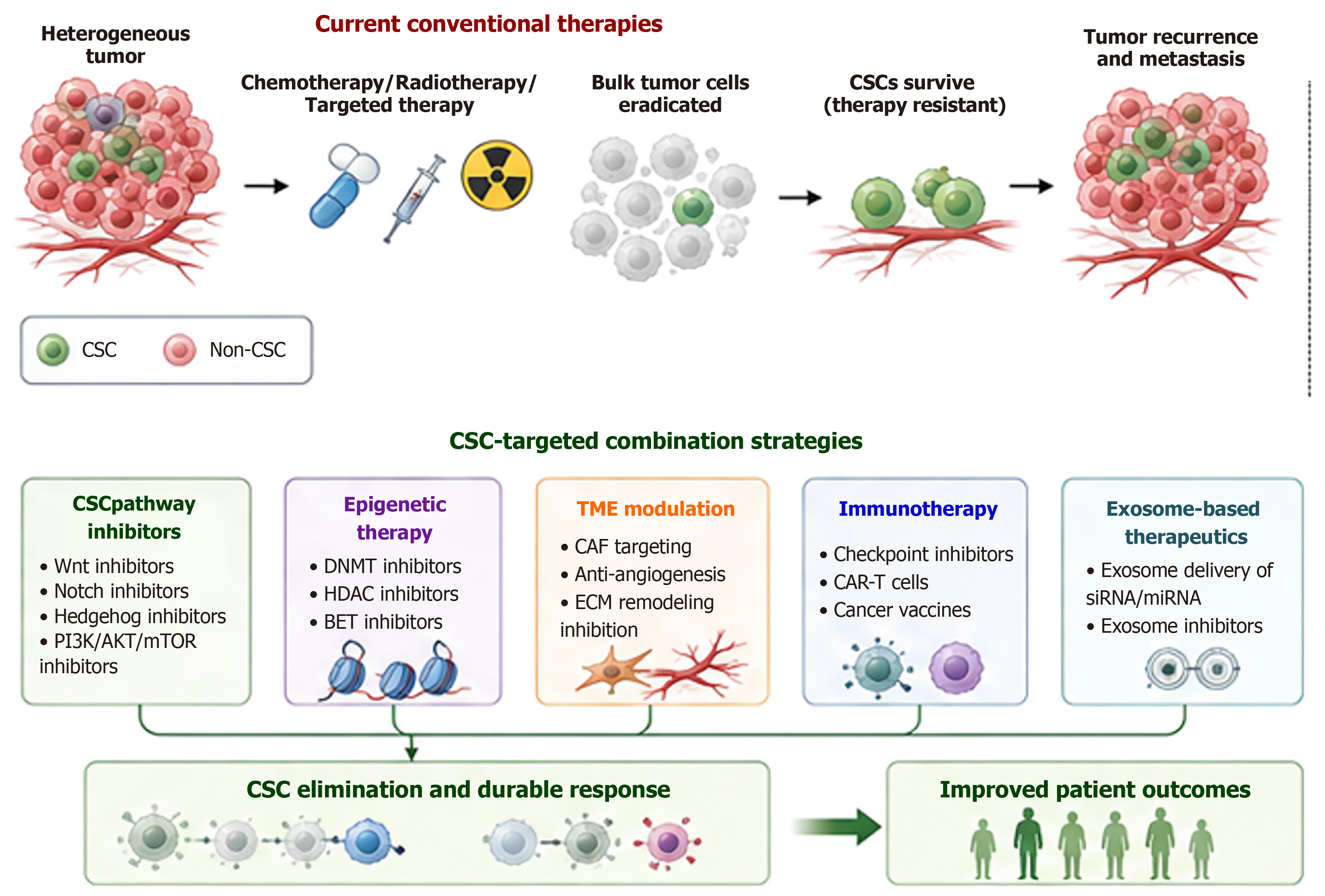
Figure 3 Therapeutic strategies targeting colorectal cancer stem cells.
Conventional therapies primarily eliminate rapidly proliferating non-cancer stem cells (CSCs) but frequently fail to eradicate therapy-resistant CSCs, resulting in tumor relapse and metastatic progression. Emerging combination strategies aim to overcome CSC-mediated resistance by simultaneously targeting CSC-associated signaling pathways, epigenetic regulators, tumor microenvironment components, immune checkpoints, and exosome-mediated communication. These multimodal therapeutic approaches are expected to inhibit CSC plasticity, prevent dedifferentiation, improve treatment response, and achieve durable clinical outcomes. In the final panel, eliminated/apoptotic CSCs represent treatment-induced cancer stem cell death, whereas the remaining differentiated cells represent tumor cells that have lost stem-like properties and entered a more treatment-sensitive state. The reduction in CSCs and residual tumor cells illustrates the intended durable therapeutic response. Symbols and colors are defined within the figure. CSC: Cancer stem cell; PI3K: Phosphatidylinositol 3-kinase; AKT: Protein kinase B; mTOR: Mechanistic target of rapamycin; HDAC: Histone deacetylase; CAF: Cancer-associated fibroblast; ECM: Extracellular matrix; CAR-T: Chimeric antigen receptor T; siRNA: Small interfering RNA; miRNA: MicroRNA.
- Citation: Topal U, Saritas AG, Zamur C. Cancer stem cell plasticity drives therapy resistance in colorectal cancer. World J Stem Cells 2026; 18(9): 122395
- URL: https://www.wjgnet.com/1948-0210/full/v18/i9/122395.htm
- DOI: https://dx.doi.org/10.4252/wjsc.122395