
















Copyright: ©Author(s) 2026.
World J Stem Cells. May 26, 2026; 18(5): 118307
Published online May 26, 2026. doi: 10.4252/wjsc.v18.i5.118307
Published online May 26, 2026. doi: 10.4252/wjsc.v18.i5.118307
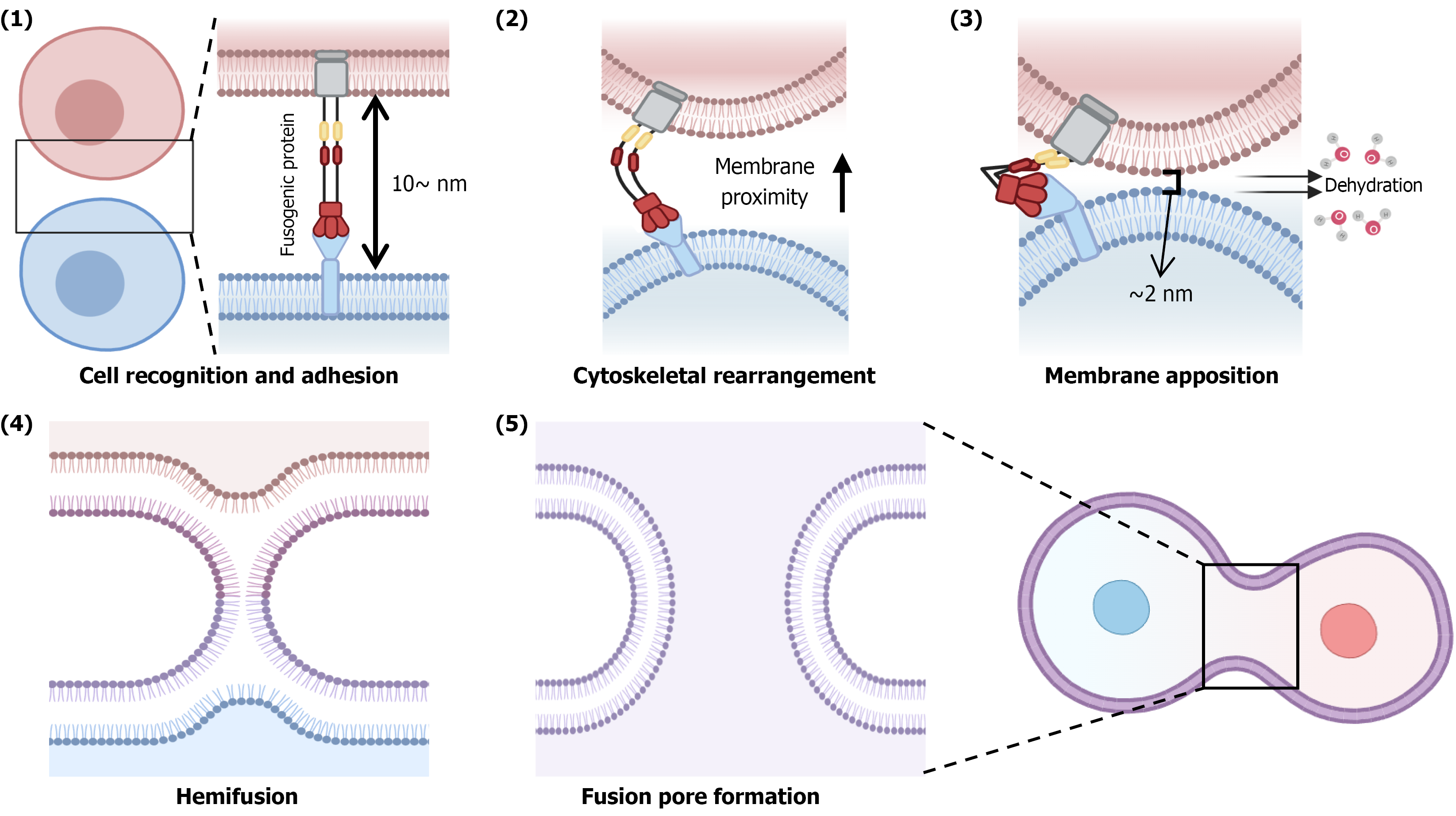
Figure 1 Schematic illustration of the cell fusion process.
The diagram shows the sequential steps of cell-cell fusion: (1) Cell recognition and adhesion: Two distinct cells recognize each other through receptor-ligand interactions, initiating adhesion; (2) Cytoskeletal rearrangement: Actin cytoskeleton remodeling promotes membrane proximity and prepares for fusion; (3) Membrane apposition and dehydration: The opposing plasma membranes are brought into close contact, and local dehydration of the intermembrane space occurs; (4) Hemifusion: The outer leaflets of the lipid bilayers merge, forming an intermediate hemifusion structure; and (5) Fusion pore formation: A pore opens between the two cells, enabling cytoplasmic continuity and resulting in a fully fused multinucleated cell.
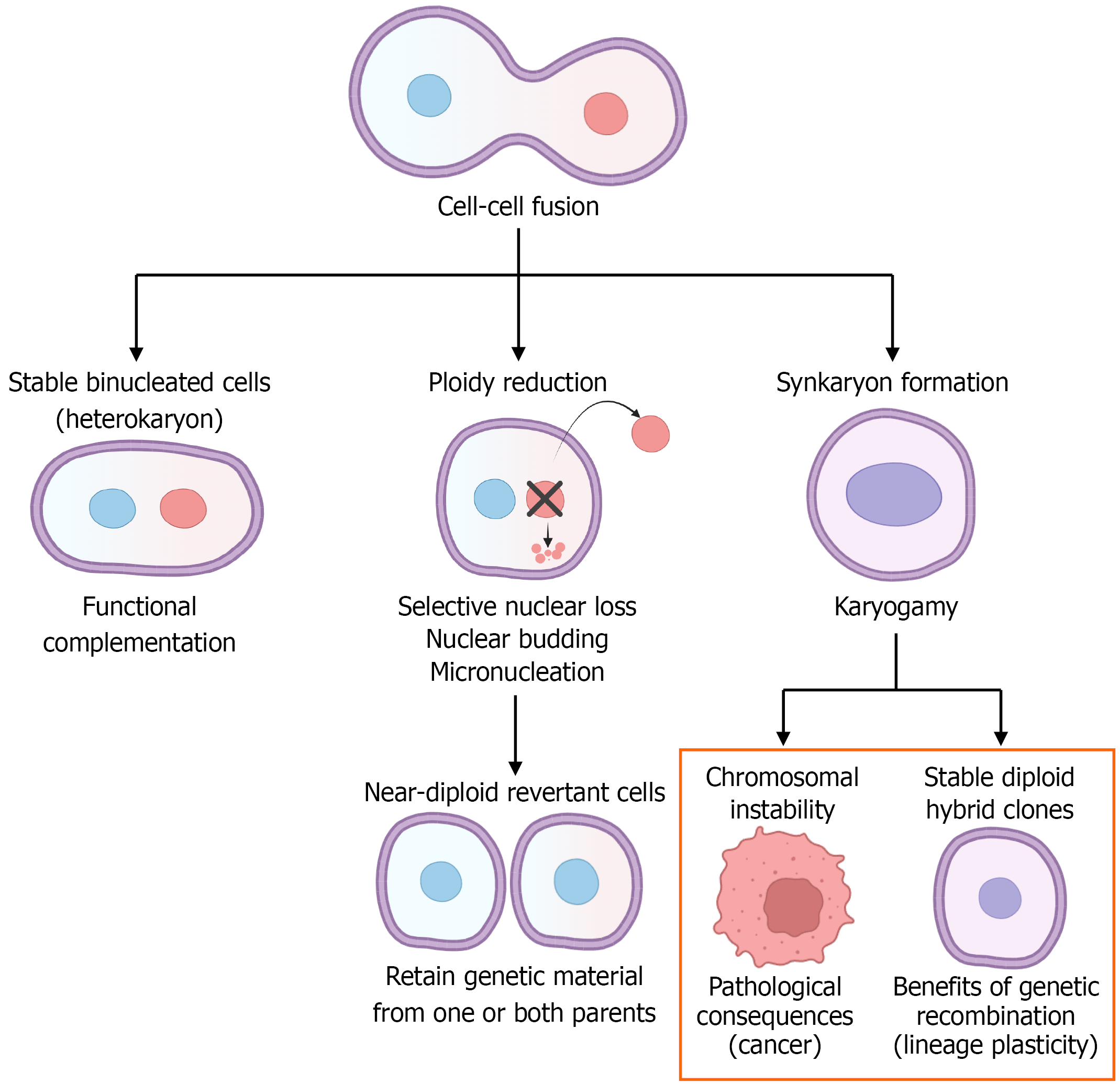
Figure 2 Heterokaryon-to-synkaryon fates after cell-cell fusion.
Following membrane fusion and cytoplasmic continuity, the immediate product of cell-cell fusion is a heterokaryon, in which parental nuclei coexist within a shared cytoplasm. From this state, several fates are possible. In one trajectory, heterokaryons persist as stable binucleated cells, maintaining separate nuclei but integrating cytoplasmic signaling and metabolic networks, which can enable functional complementation between fusion partners. In a second trajectory, ploidy reduction occurs through selective nuclear loss, nuclear budding, or micronucleation, ultimately yielding near-diploid revertant cells that retain genetic material from one or both partners. In a third trajectory, karyogamy leads to formation of a single synkaryon harboring a combined tetraploid (4N) genome. Subsequent cell divisions from synkaryons can result either in chromosomal instability and aneuploid or mosaic progeny, or in error-corrected segregation and stable diploid hybrid clones that carry recombined parental genomes. These divergent fates underlie both beneficial outcomes, such as regeneration and lineage plasticity, and pathological consequences, including genomic instability and tumor progression.
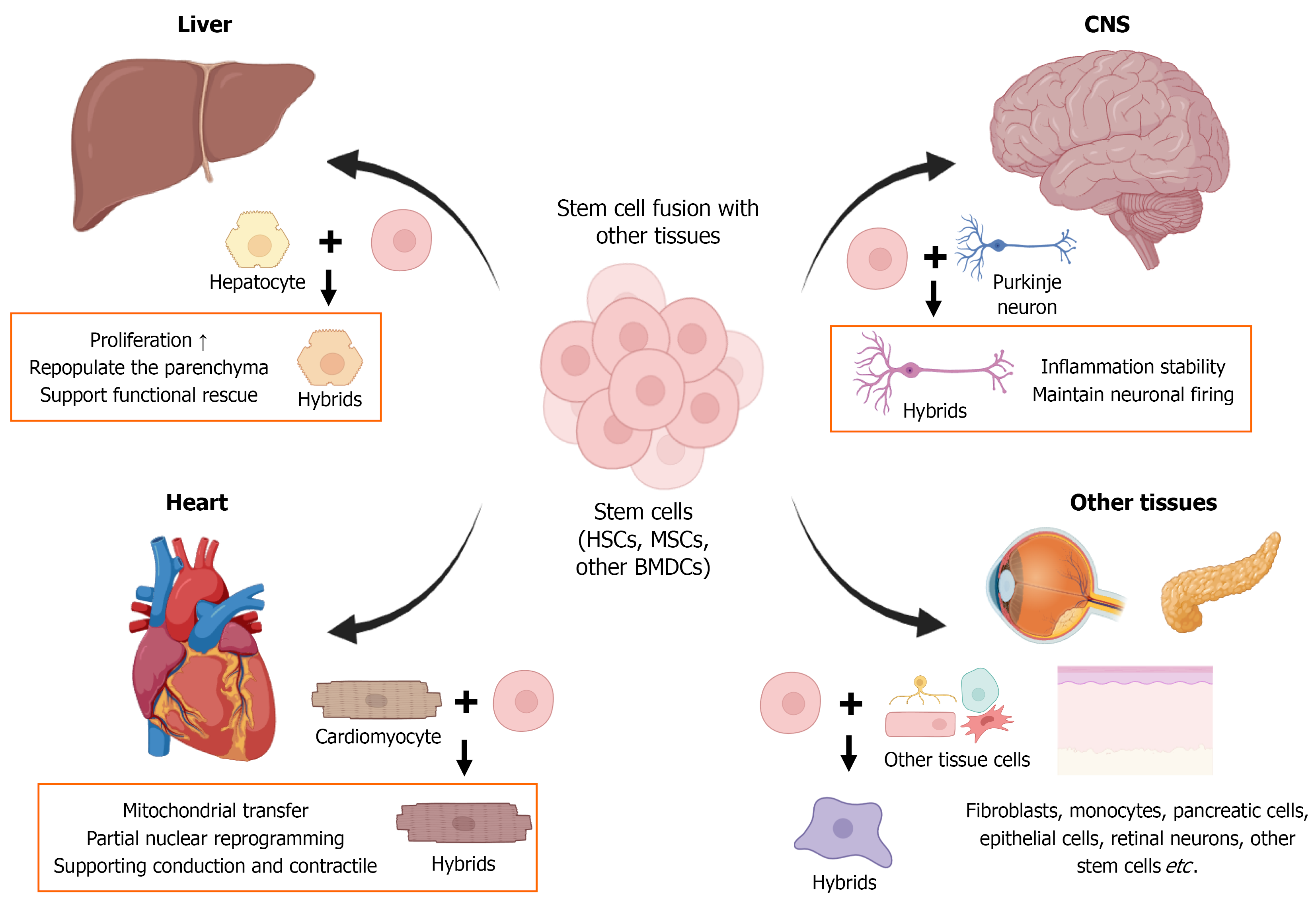
Figure 3 Stem cell fusion-mediated regeneration in diverse tissues.
Stem cells and bone marrow-derived cells (BMDCs) can contribute to tissue repair not only through paracrine signaling and differentiation but also by fusing with host somatic cells in injured organs. In this schematic, a central node representing hematopoietic stem cells, mesenchymal stromal/stem cells, and other BMDCs is connected to multiple target tissues. In the liver, BMDC-hepatocyte fusion generates hybrid cells that can proliferate, repopulate the parenchyma, and support functional rescue in transplantation models. In the central nervous system, BMDCs fuse with Purkinje neurons to form binucleated heterokaryons that maintain neuronal firing properties and may contribute to circuit stability in the context of inflammation. In the heart, fusion between stem cells and cardiomyocytes can facilitate mitochondrial transfer, partial nuclear reprogramming, and integration into contractile syncytia, thereby supporting conduction and contractile function. In skeletal muscle, satellite cells and, under some conditions, BMDCs fuse with damaged myofibers to restore multinucleated fibers and maintain muscle architecture. Fusion events have also been reported in other tissues, including epithelium, retina, and pancreas, where their contribution to long-term regeneration remains to be fully defined. Across these contexts, tissue injury, inflammation, chemokine gradients, and extracellular matrix remodeling create fusion-permissive niches that recruit and prime stem cells to engage in fusion-mediated repair. CNS: Central nervous system; HSCs: Hematopoietic stem cells; MSCs: Mesenchymal stromal/stem cells; BMDCs: Bone marrow-derived cells.
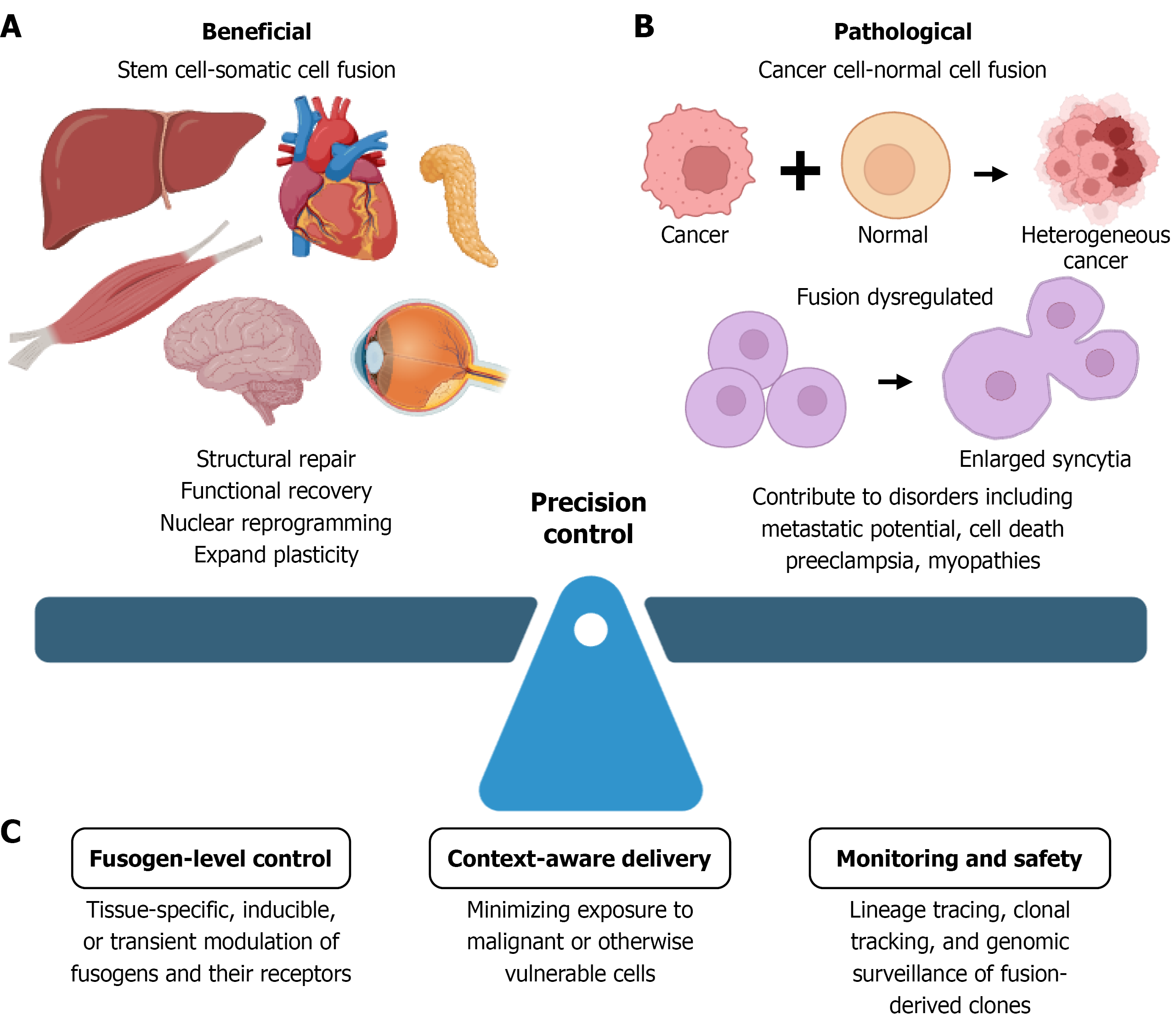
Figure 4 Balancing beneficial and pathological cell-cell fusion for safer regenerative therapies.
Cell-cell fusion can act as a double-edged sword in vivo, providing opportunities for tissue regeneration while also posing significant safety risks. A: On the beneficial side, controlled fusion between stem cells or bone marrow-derived cells and somatic cells in injured tissues can generate hybrids that participate in structural repair and functional recovery, as shown in the central nervous system, skeletal muscle, heart, liver, and other organs. In these contexts, fusion-derived heterokaryons or synkaryons can undergo nuclear reprogramming and expand stem cell plasticity beyond classical paracrine or differentiation-mediated mechanisms; B: On the pathological side, cancer cell-normal cell fusion can produce hybrid tumor cells with increased genomic diversity, metastatic potential, and therapy resistance; viral fusogens can drive syncytia formation that disrupts tissue barriers and leads to cell death; and dysregulated endogenous fusogens in tissues such as placenta, skeletal muscle, or bone can contribute to disorders including preeclampsia, myopathies, and bone remodeling defects; C: To safely harness fusion in regenerative medicine, future strategies must move beyond globally enhancing or suppressing fusion and instead aim to precisely control fusion partners, timing, and microenvironmental context. Key levers include: (1) Fusogen-level control, using tissue-specific, inducible, or transient modulation of fusogens and their receptors; (2) Context-aware delivery, aligning cell therapy with injury- or inflammation-induced fusion-permissive niches while minimizing exposure to malignant or otherwise vulnerable cells; and (3) Monitoring and safety, incorporating lineage tracing, clonal tracking, and genomic surveillance of fusion-derived clones. Together, these principles highlight how insights into both physiological and pathological fusion can guide the design of fusion-aware cell-based therapies with improved efficacy and safety.
- Citation: Kim JS, Hwang IS, Kim SJ, Moon MH, Park HD, Jin BH, Kim DY, Lee MJ, Eum SY, Yoo SJ, Cha BH. Cell-cell fusion and stem cell plasticity: Emerging paradigms in tissue regeneration. World J Stem Cells 2026; 18(5): 118307
- URL: https://www.wjgnet.com/1948-0210/full/v18/i5/118307.htm
- DOI: https://dx.doi.org/10.4252/wjsc.v18.i5.118307