
















Copyright: ©Author(s) 2026.
World J Stem Cells. May 26, 2026; 18(5): 117591
Published online May 26, 2026. doi: 10.4252/wjsc.v18.i5.117591
Published online May 26, 2026. doi: 10.4252/wjsc.v18.i5.117591
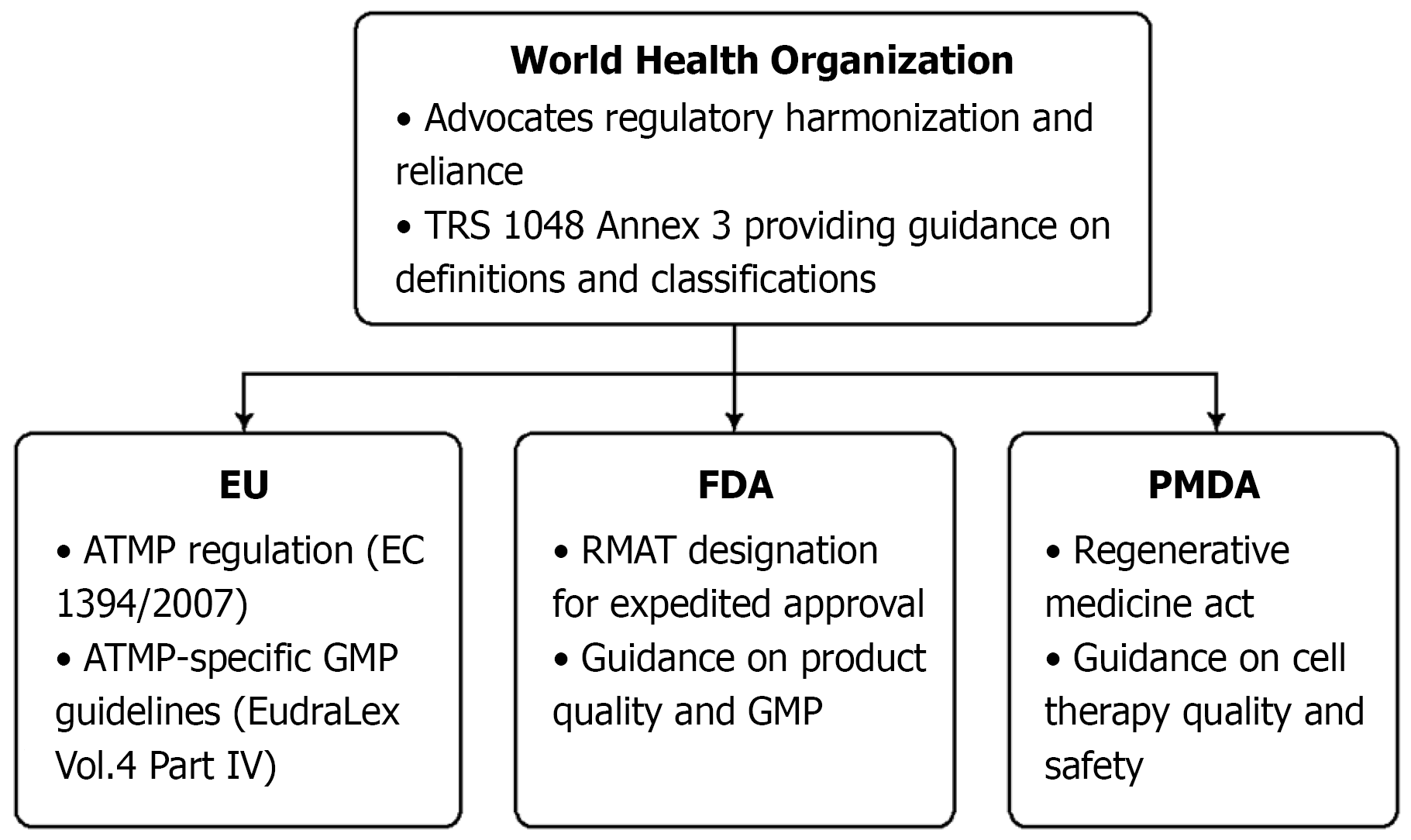
Figure 1 Global regulatory landscape for cell- and gene-based therapeutics.
A unified comparison of the regulatory systems guiding advanced therapy medicinal product oversight across major regions illustrating regional differences influencing product development and market authorization. EU: European Union; ATMP: Advanced therapy medicinal product; GMP: Good manufacturing practice; FDA: Food and Drug Administration; RMAT: Regenerative medicine advanced therapy; PMDA: Pharmaceuticals and Medical Devices Agency.
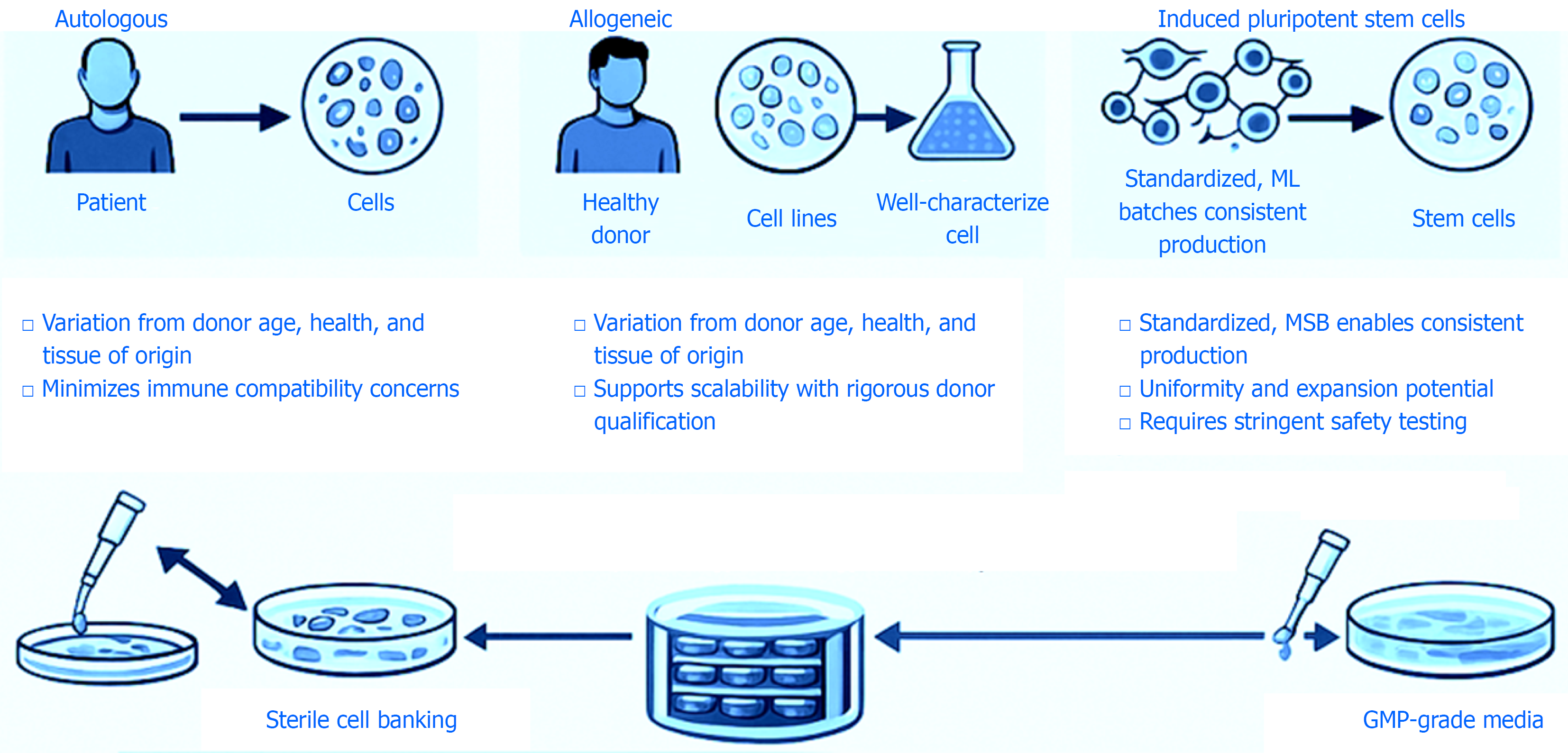
Figure 2 Diagrammatic representation of cell sourcing approaches for advanced therapy medicinal products.
The schematic contrasts autologous, allogeneic, and induced pluripotent stem cell methodologies, emphasizing distinctions in donor heterogeneity, immune compatibility, scalability, and reproducibility of production. Key elements, including sterile cell banking and the application of good manufacturing practice-compliant culture media, are illustrated as critical measures for maintaining cell quality and safety. GMP: Good manufacturing practice.
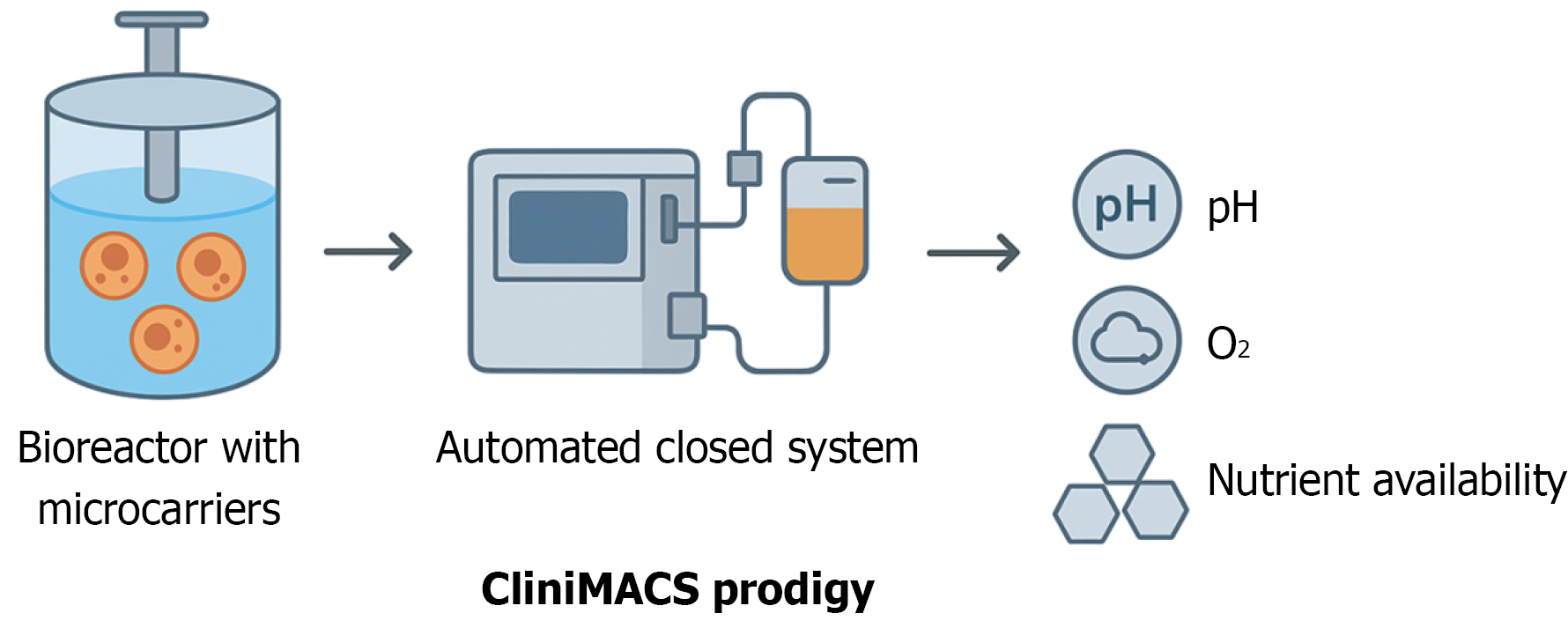
Figure 3 A diagrammatic representation of a scalable cell culture process utilizing the CliniMACS Prodigy platform is presented.
In this workflow, cells are cultured on microcarriers inside a bioreactor, subsequently undergoing growth within an automated, closed system. Critical environmental factors such as pH, dissolved oxygen, and nutrient levels are continuously monitored and regulated to maintain ideal conditions for consistent cell proliferation and reproducibility.
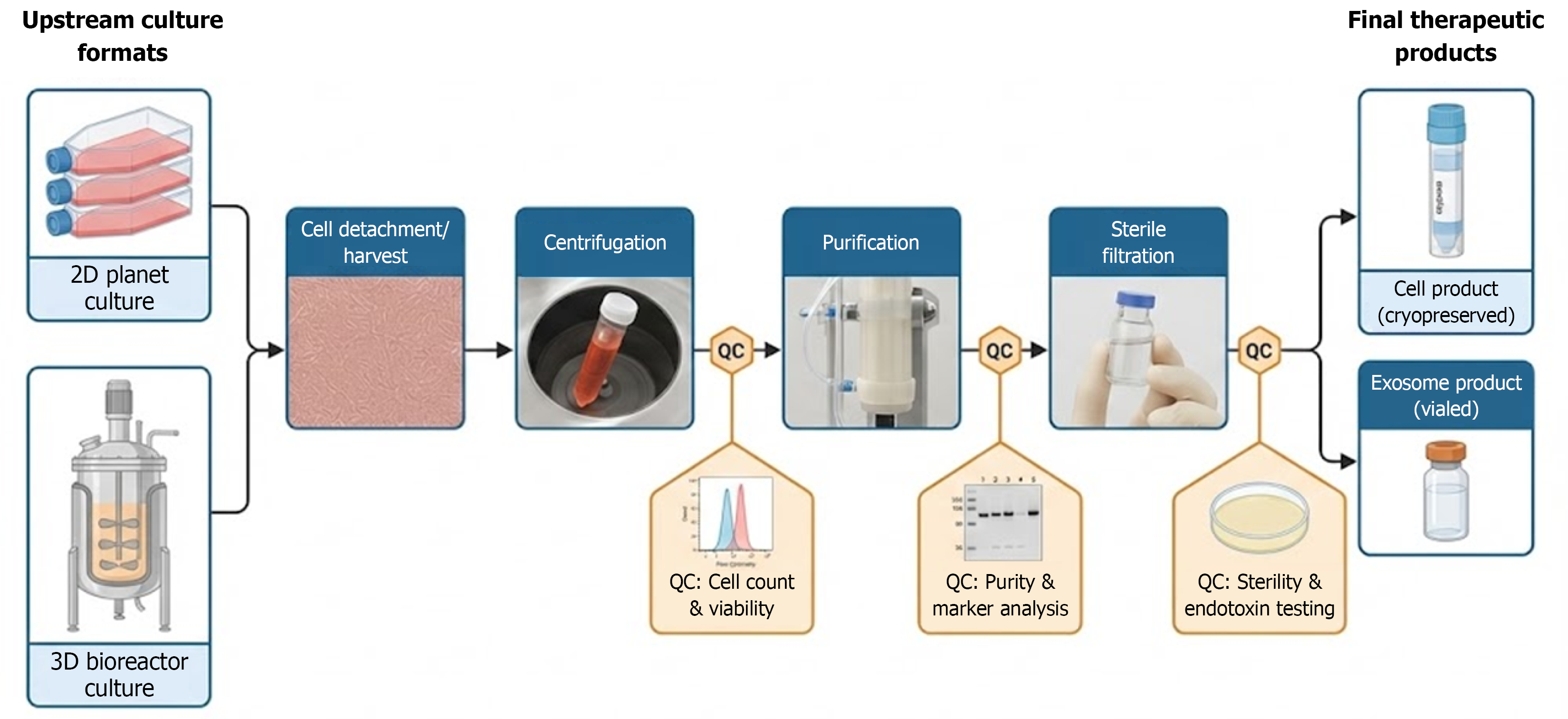
Figure 4 Overview of cell and exosome therapeutic preparation pipeline.
This illustration outlines the stepwise procedure used to produce exosome- and cell-derived therapeutic formulations. The workflow initiates with cell detachment, after which collected material undergoes centrifugation to separate cellular components from the culture medium. The product is then subjected to purification, enabling removal of unwanted contaminants and enrichment of target vesicles or cells. The final stage, sterile filtration, ensures microbiological safety and product consistency, resulting in a preparation that meets standards for therapeutic use. QC: Quality control.
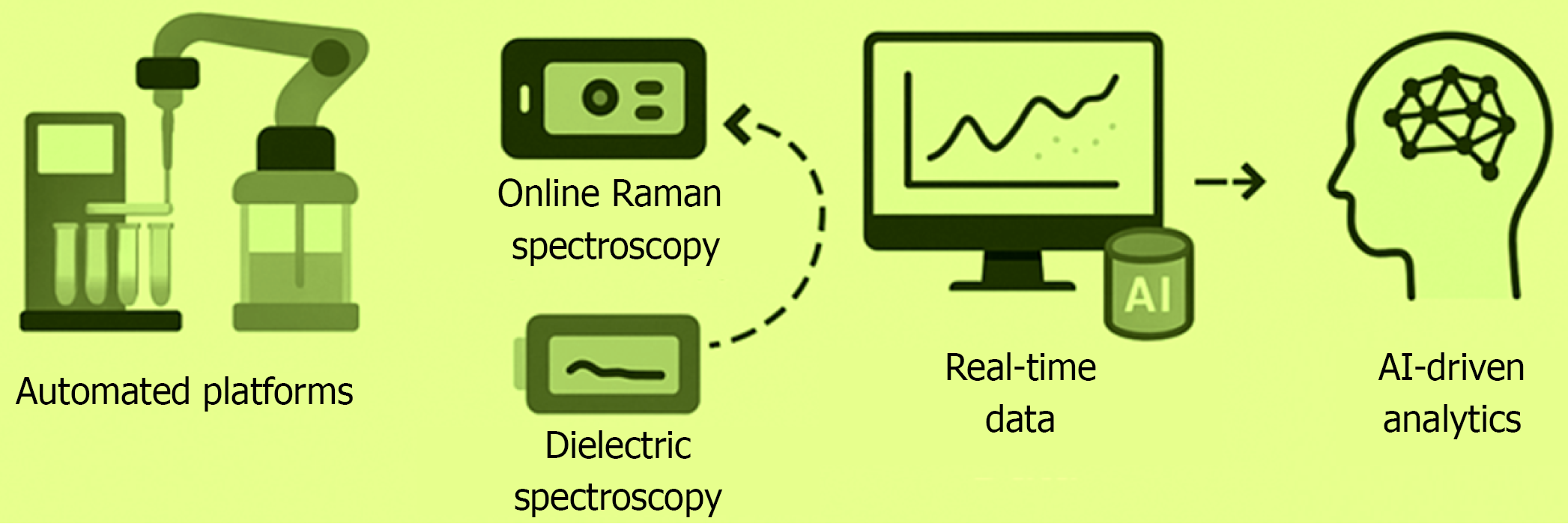
Figure 5 Smart bioprocessing framework integrating automation, inline sensing, and artificial intelligence-enabled interpretation.
This illustration depicts the use of automated production systems coupled with continuous analytical monitoring through online Raman and dielectric spectroscopy. These tools generate real-time process data that feed into artificial intelligence-based analytical models, enabling dynamic insights, improved process control, and greater robustness across biomanufacturing workflows. AI: Artificial intelligence.
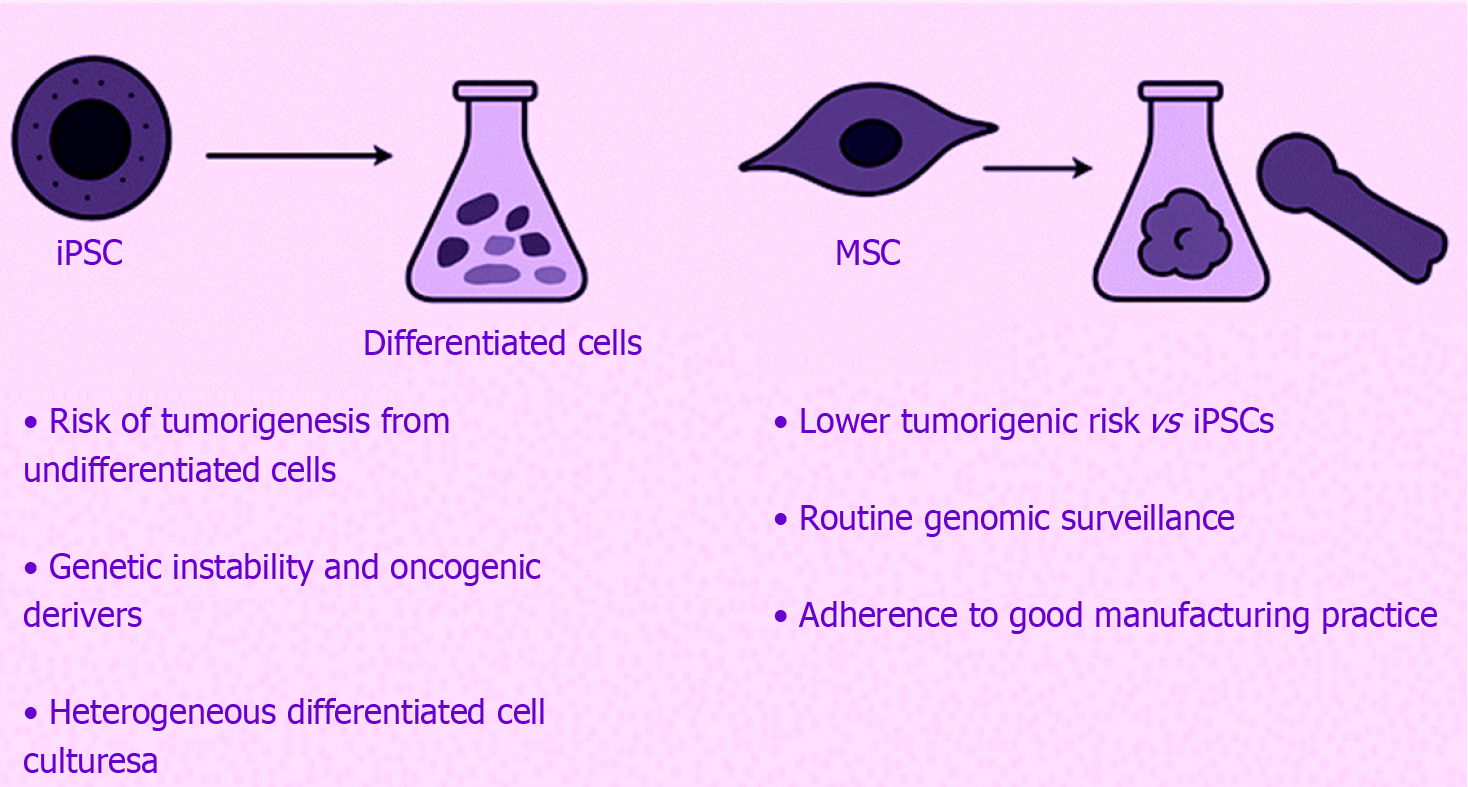
Figure 6 Comparison of safety risks and manufacturing requirements for induced pluripotent stem cell-derived products vs mesen
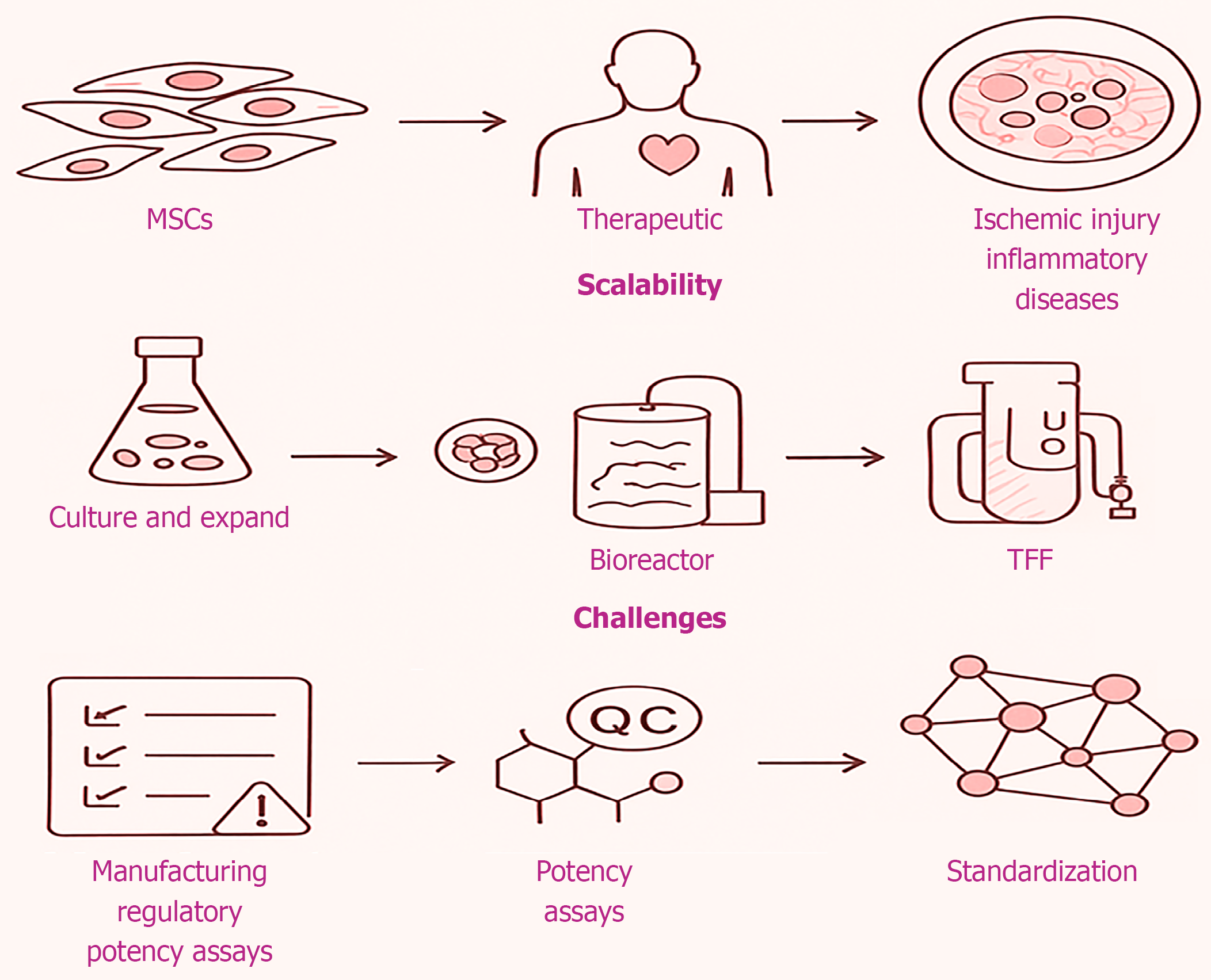
Figure 7 Overview of mesenchymal stem cell-derived extracellular vesicle production, therapeutic applications, and key barriers to translation.
This schematic summarizes the pathway from mesenchymal stem cells (MSCs) to the generation of therapeutic extracellular vesicles. MSC-EVs3*6 mediate immunomodulatory and reparative effects applicable to ischemic and inflammatory disorders. Scalable manufacturing requires upstream MSC expansion, controlled bioreactor cultivation, and downstream concentration via tangential flow filtration. Critical obstacles that remain include the establishment of reproducible manufacturing workflows, adherence to evolving regulatory expectations, development of reliable potency assays, and implementation of standardized criteria to ensure consistent product quality and clinical performance. MSC: Mesenchymal stem cell; TFF: Tangential flow filtration.
- Citation: Ebrahim NAA, Farghaly TA, Masaret GS, Alsaedi AMR, Soliman SMA. From laboratory to clinic: Bridging regulatory and manufacturing gaps in stem cell-based therapies. World J Stem Cells 2026; 18(5): 117591
- URL: https://www.wjgnet.com/1948-0210/full/v18/i5/117591.htm
- DOI: https://dx.doi.org/10.4252/wjsc.v18.i5.117591