
















Copyright: ©Author(s) 2026.
World J Stem Cells. May 26, 2026; 18(5): 117241
Published online May 26, 2026. doi: 10.4252/wjsc.v18.i5.117241
Published online May 26, 2026. doi: 10.4252/wjsc.v18.i5.117241
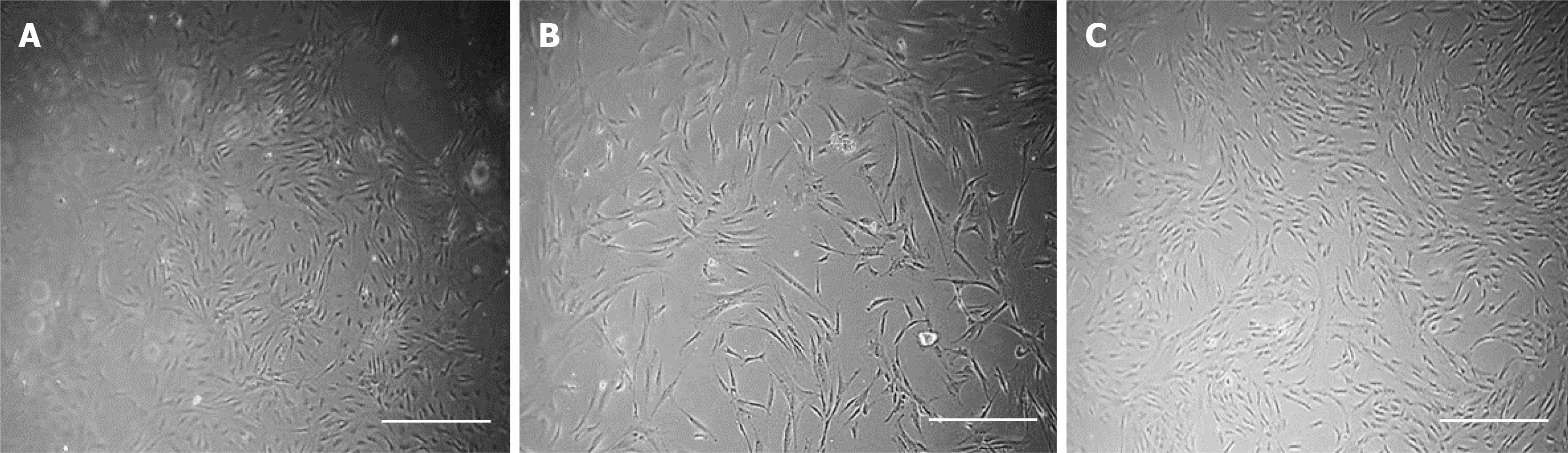
Figure 1 Morphology of adipose tissue derived mesenchymal stem cells from young and aged donors.
The images were captured at 10 × magnification. A: Young adipose tissue derived mesenchymal stem cells (ADMSCs) maintained a spindle-shaped morphology; B: Aged ADMSCs showed senescence-associated changes under normoxia; C: Aged ADMSCs retained a youthful appearance under hypoxia.
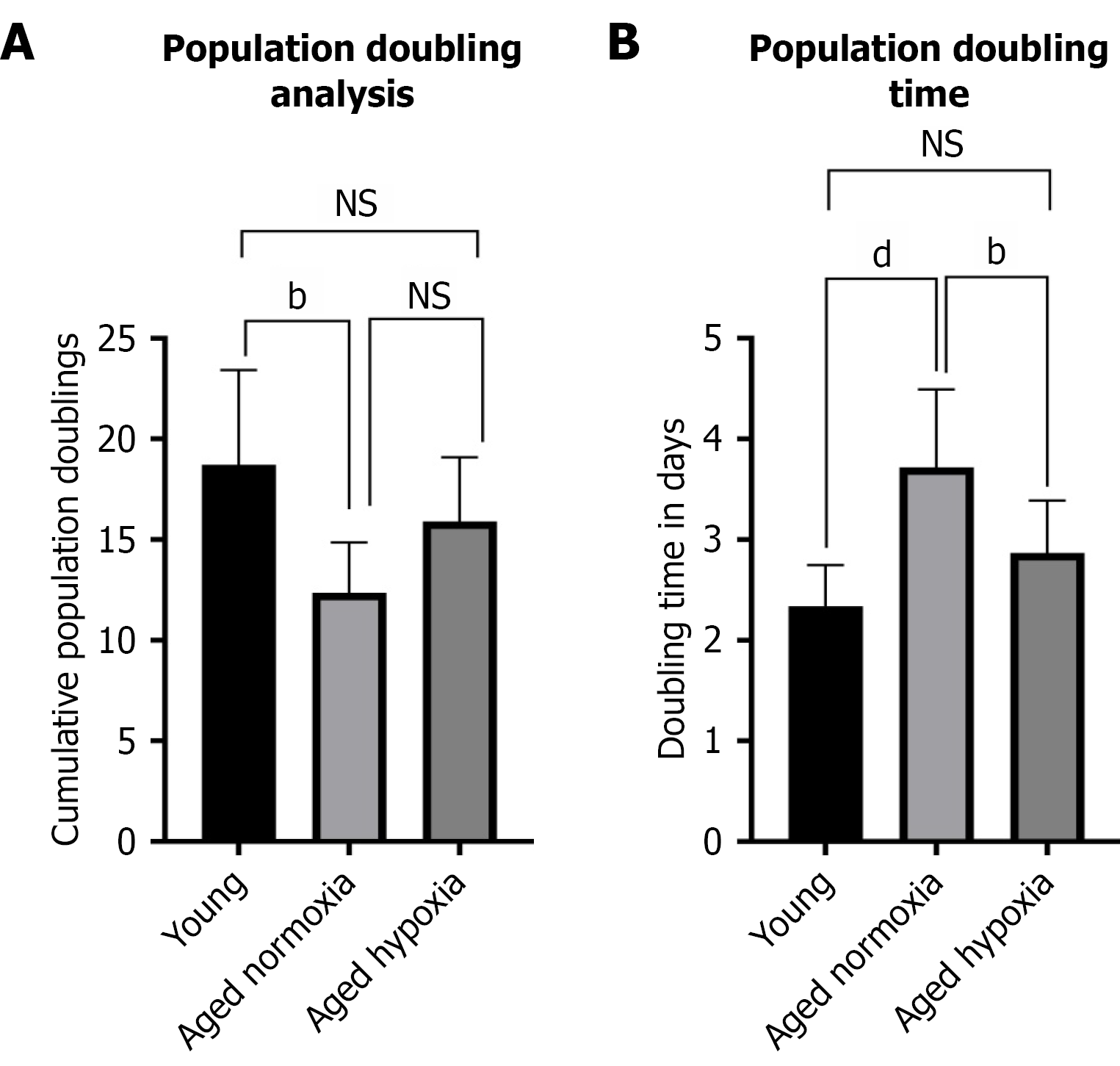
Figure 2 Proliferative potential of adipose tissue derived mesenchymal stem cells under hypoxic condition.
A and B: Cumulative population doublings (cPDs) and population doubling time (DT) was assessed in young adipose tissue derived mesenchymal stem cells (ADMSCs), aged normoxia ADMSCs and aged hypoxia ADMSCs group. Young ADMSCs exhibited significantly higher cPDs compared to aged normoxic ADMSCs, indicating decline in proliferative potential with aging. Aged hypoxia ADMSCs showed an increase in cPDs although the difference was not statistically significant. DT was significantly longer in aged normoxia ADMSCs as compared to young ADMSCs and Aged hypoxia ADMSCs. No significant difference in DT was observed between young and aged hypoxia ADMSCs that showed much youthful improvement in their proliferative potential. Data are presented as mean ± SD. bP < 0.01, dP < 0.0001. NS: Not significant; DT: Doubling time.
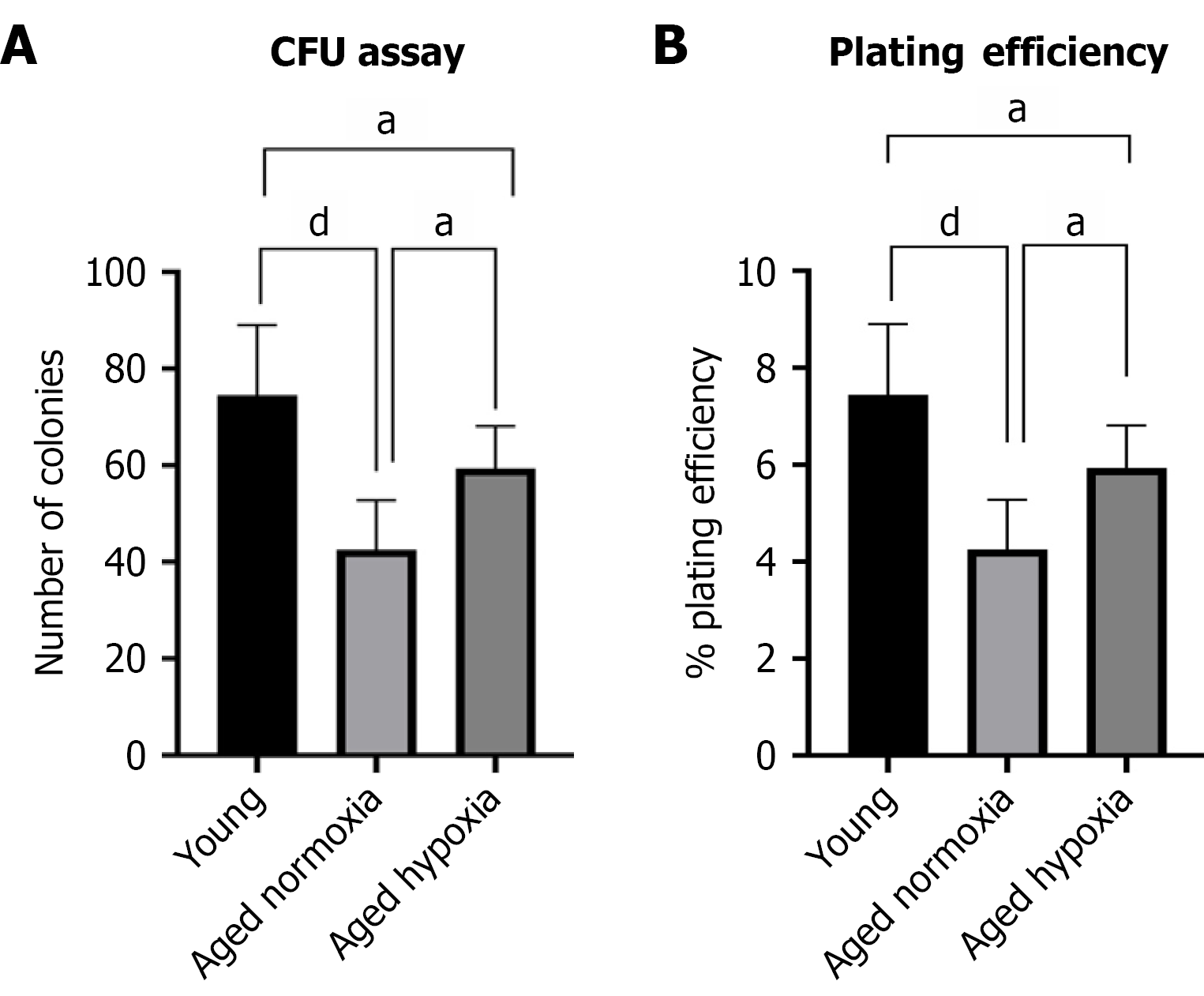
Figure 3 Clonogenic potential of mesenchymal stem cells under hypoxic and normoxic conditions.
A: Total number of colony-forming units (CFUs); B: Plating efficiency (PE). Young adipose tissue derived mesenchymal stem cells (ADMSCs) displayed more CFUs and higher PE as compared to aged normoxic ADMSCs and aged hypoxic ADMSCs. Hypoxic preconditioning significantly improved both CFU number and PE in aged ADMSCs. Data are presented as mean ± SD. aP < 0.05, dP < 0.0001. CFU: Colony-forming unit.
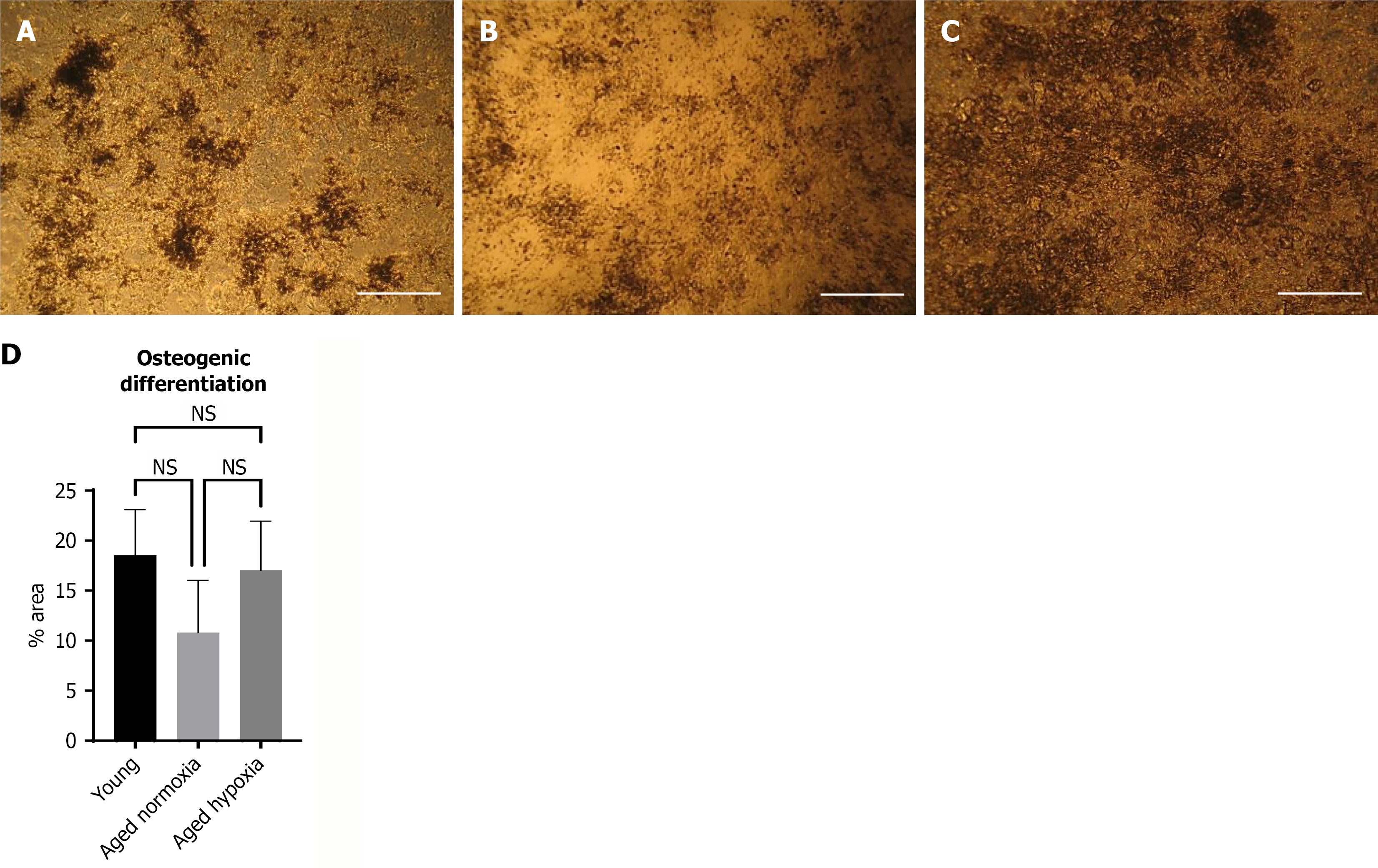
Figure 4 Osteogenic differentiation of adipose tissue derived mesenchymal stem cells assessed by von Kossa staining after 21 days of induction.
A: Young adipose tissue derived mesenchymal stem cells (ADMSCs) exhibited strong osteogenic differentiation with abundant mineralized nodules (20 ×); B: Aged normoxic ADMSCs showed markedly reduced mineralization (20 ×); C: Aged-hypoxic ADMSCs demonstrated mineralized nodules at levels comparable to young ADMSCs (20 ×); D: Quantification of osteogenic differentiation potential of young ADMSC, aged normoxia ADMSCs and aged hypoxia ADMSCs. Data are presented as mean ± SD (n = 3). NS: Not significant.
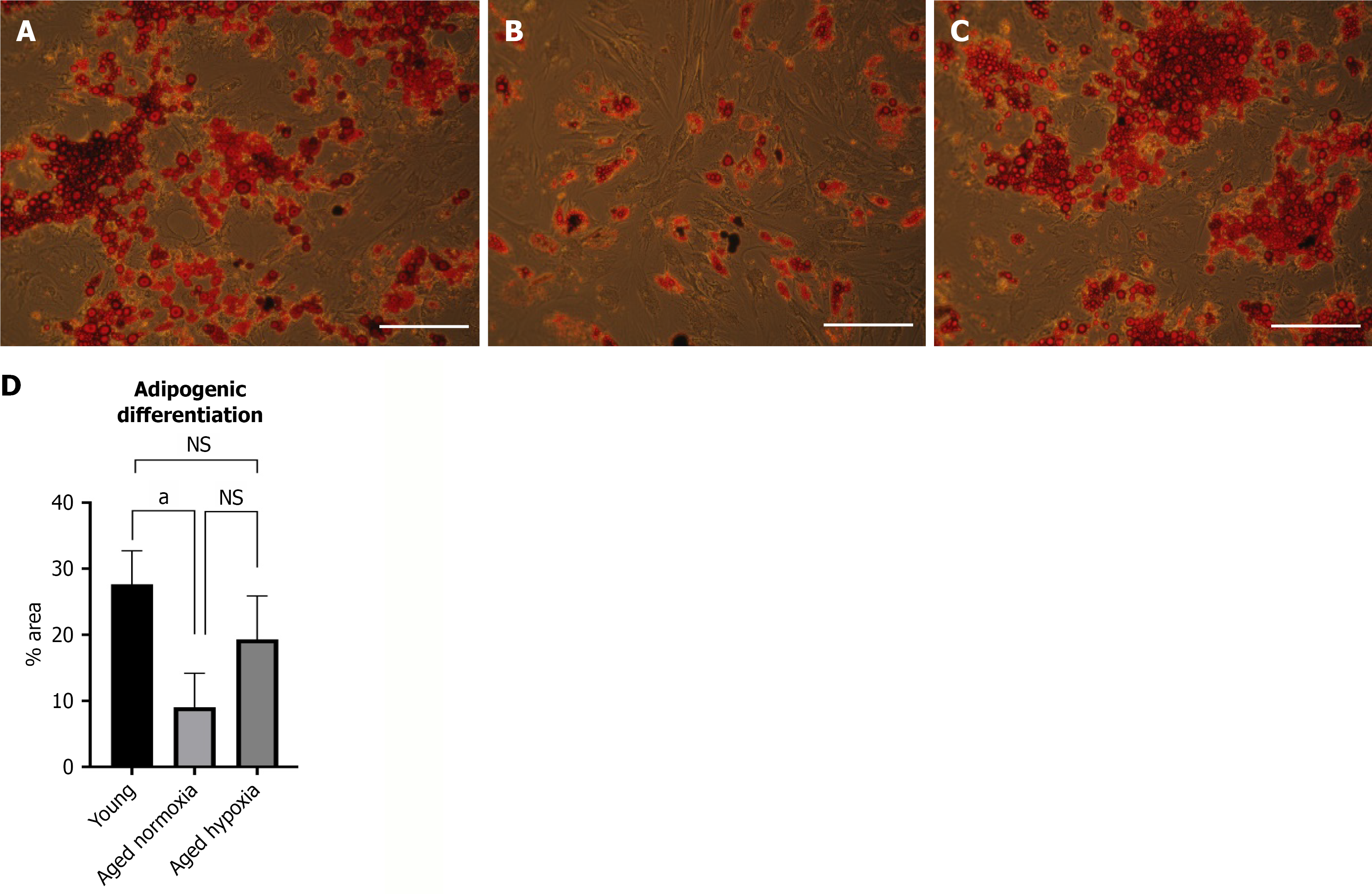
Figure 5 Adipogenic differentiation of adipose tissue derived mesenchymal stem cells assessed at 21 days of induction.
A: Young adipose tissue derived mesenchymal stem cells (ADMSCs) showed abundant intracellular lipid droplets (20 ×); B: Aged normoxic ADMSCs exhibited weak adipogenic differentiation, with sparse lipid droplet formation (20 ×); C: Aged hypoxic ADMSCs displayed significantly enhanced lipid accumulation (20 ×); D: Quantification of adipogenic differentiation. Presentation of data as mean ± SD (n = 3). aP < 0.05. NS: Not significant.
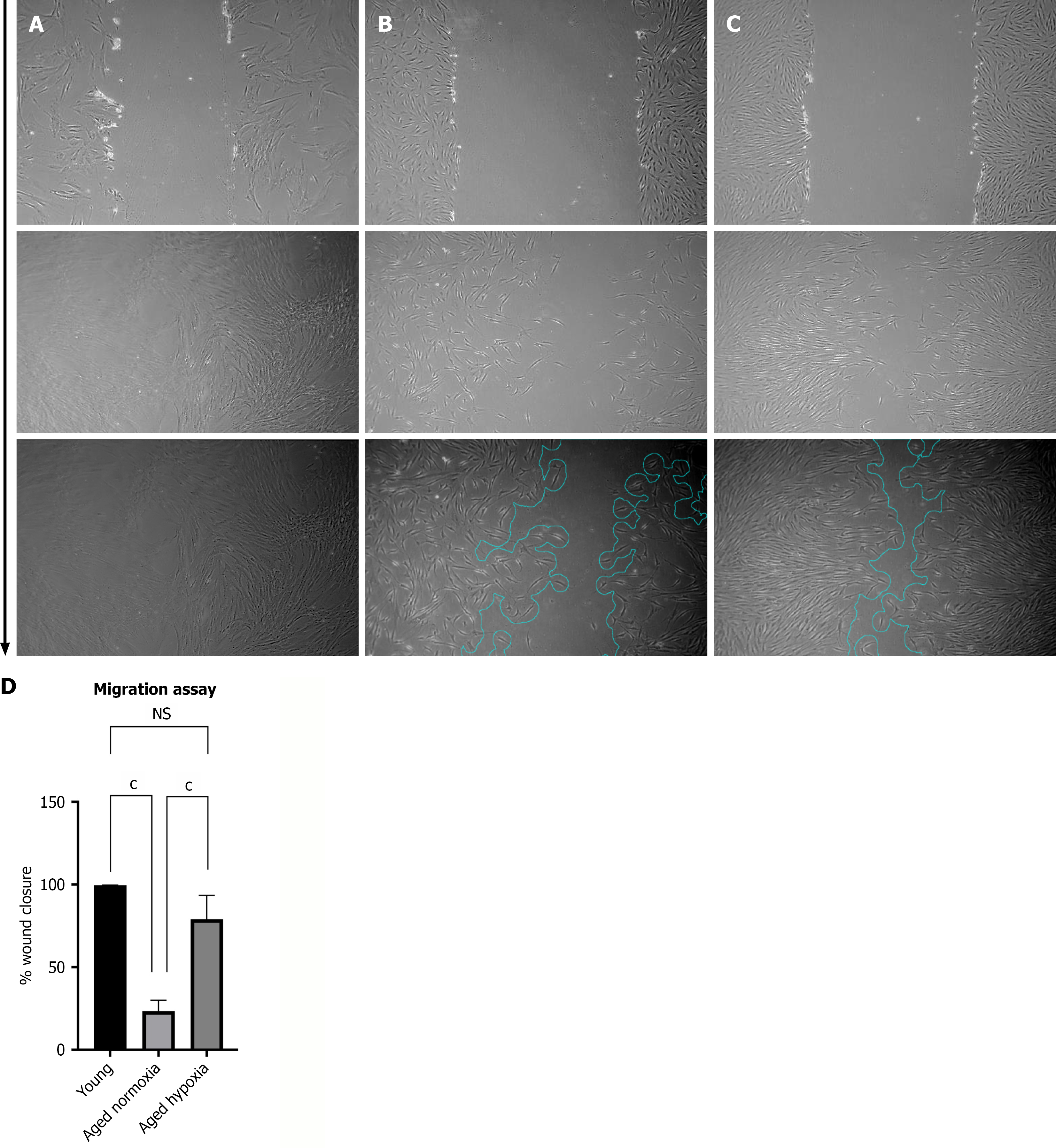
Figure 6 Wound-healing potential of adipose tissue derived mesenchymal stem cells.
A: In young adipose tissue derived mesenchymal stem cells (ADMSCs) near-complete wound closure was observed within 24 hours (20 ×); B: Aged normoxia ADMSCs showed minimal wound closure even after 48 hours (20 ×); C: Aged hypoxia ADMSCs exhibited increased wound closure, although closure remained less than that of young ADMSCs (20 ×); D: Young ADMSC group showed significantly greater wound closure as compared to aged normoxia. Aged hypoxia ADMSCs group showed marked improvement in closure as compared to its counterpart aged normoxia ADMSC (P = 0.0007). Data are presented as mean ± SD. cP < 0.001. NS: Not significant.
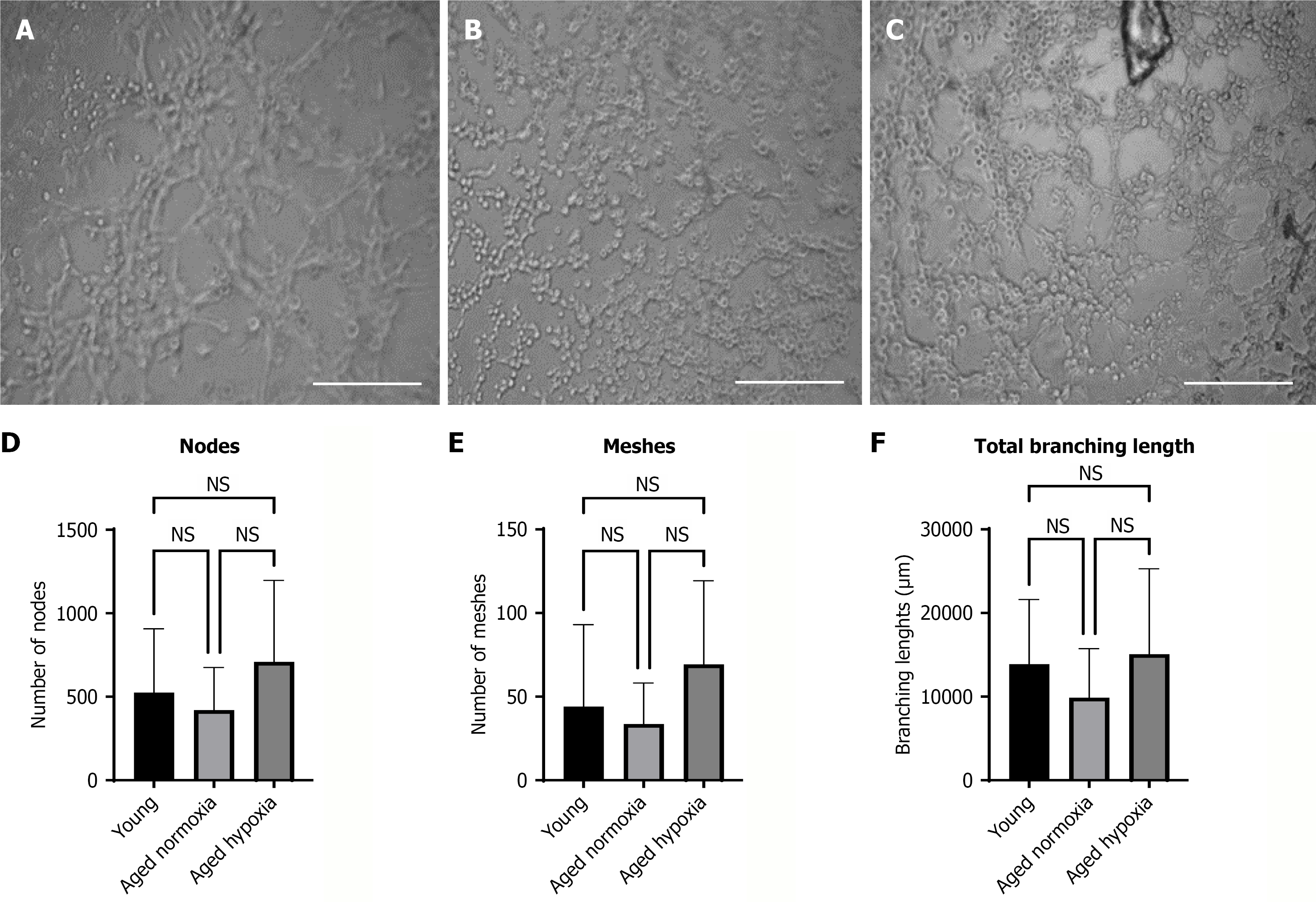
Figure 7 Angiogenic potential of adipose tissue derived mesenchymal stem cells.
A: Young adipose tissue derived mesenchymal stem cells (ADMSCs) displayed extensive tubular networks (20 ×); B: Aged normoxia ADMSCs showed delayed and poor tube formation, with sparse and weakly connected tubular structures (20 ×); C: Aged hypoxia ADMSCs group displayed significantly improved angiogenesis with more interconnected and branched networks compared with aged hypoxia ADMSCs (20 ×); D-F: Number of nodes (D), mesh area (E), total branching length (F) decreased in aged normoxia ADMSCs group. Presentation of data as mean ± SD (n = 3). NS: Not significant.
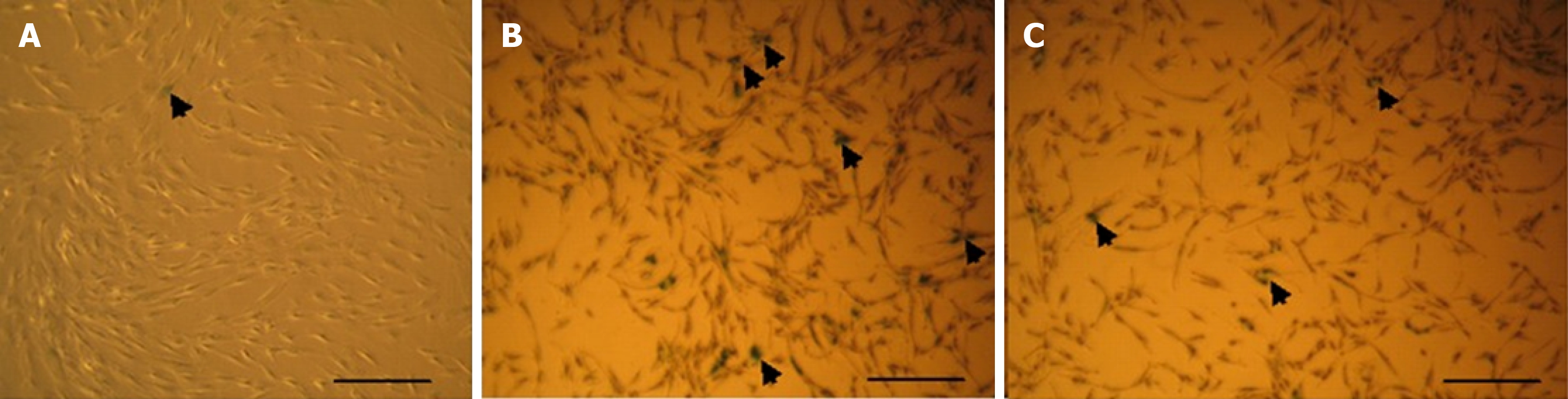
Figure 8 Representative micrographs of senescence-associated β-galactosidase staining.
The images were captured at 10 × magnification. Arrow head represents senescence cells. A: Young adipose tissue derived mesenchymal stem cells (ADMSCs) displayed few senescence-associated β-galactosidase (SA-β-gal)-positive cells, indicating a low baseline level of senescence; B: Aged normoxia ADMSCs exhibited a markedly higher proportion of SA-β-gal-positive cells; C: Aged hypoxia ADMSCs demonstrated a visibly reduced proportion of SA-β-gal-positive cells compared with their normoxic aged counterparts.
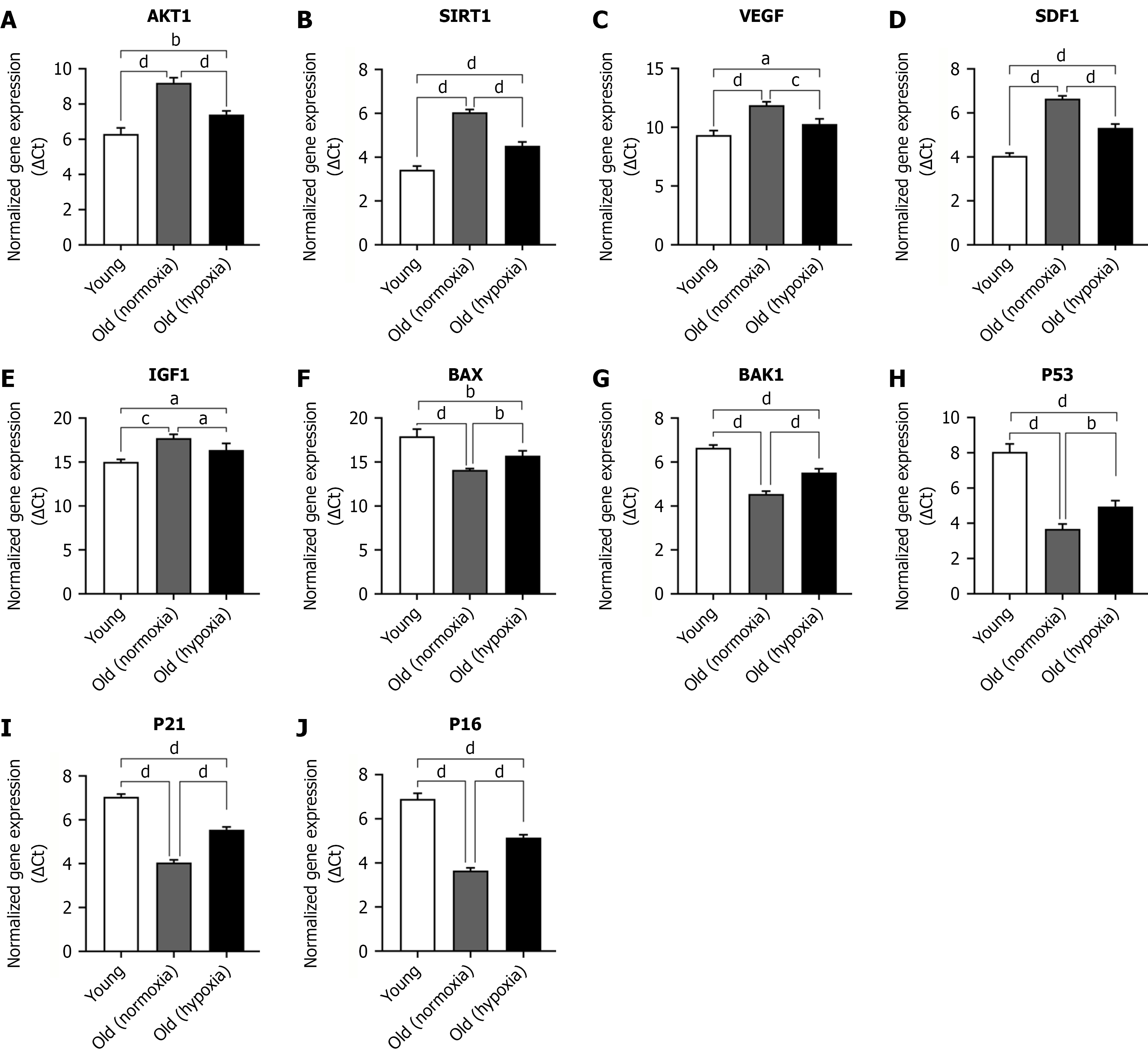
Figure 9 Normalized gene expression in young, aged normoxic, and hypoxia-hypoxic aged adipose tissue derived mesenchymal stem cells.
A-J: Quantitative real-time polymerase chain reaction analysis of protein kinase B (A), sirtuin 1 (B), vascular endothelial growth factor (C), stromal cell-derived factor-1 (D), and insulin-like growth factor 1 (E) revealed significantly higher expression in young adipose tissue derived mesenchymal stem cells (ADMSCs) compared to aged normoxic ADMSCs, whereas hypoxia-preconditioning partially restored their expression. Conversely, senescence- and apoptosis-associated genes, including BAX (F), BAK1 (G), P53 (H), P21 (I), and P16 (J), were markedly upregulated in aged normoxic ADMSCs but were downregulated upon hypoxia preconditioning. Data were normalized to GAPDH expression (ΔCt) and are presented as mean ± SD. aP < 0.05; bP < 0.01; cP < 0.001; dP < 0.0001. AKT1: Protein kinase B; SIRT1: Sirtuin 1; VEGF: Vascular endothelial growth factor; SDF1: Stromal cell-derived factor-1; IGF1: Insulin-like growth factor 1.
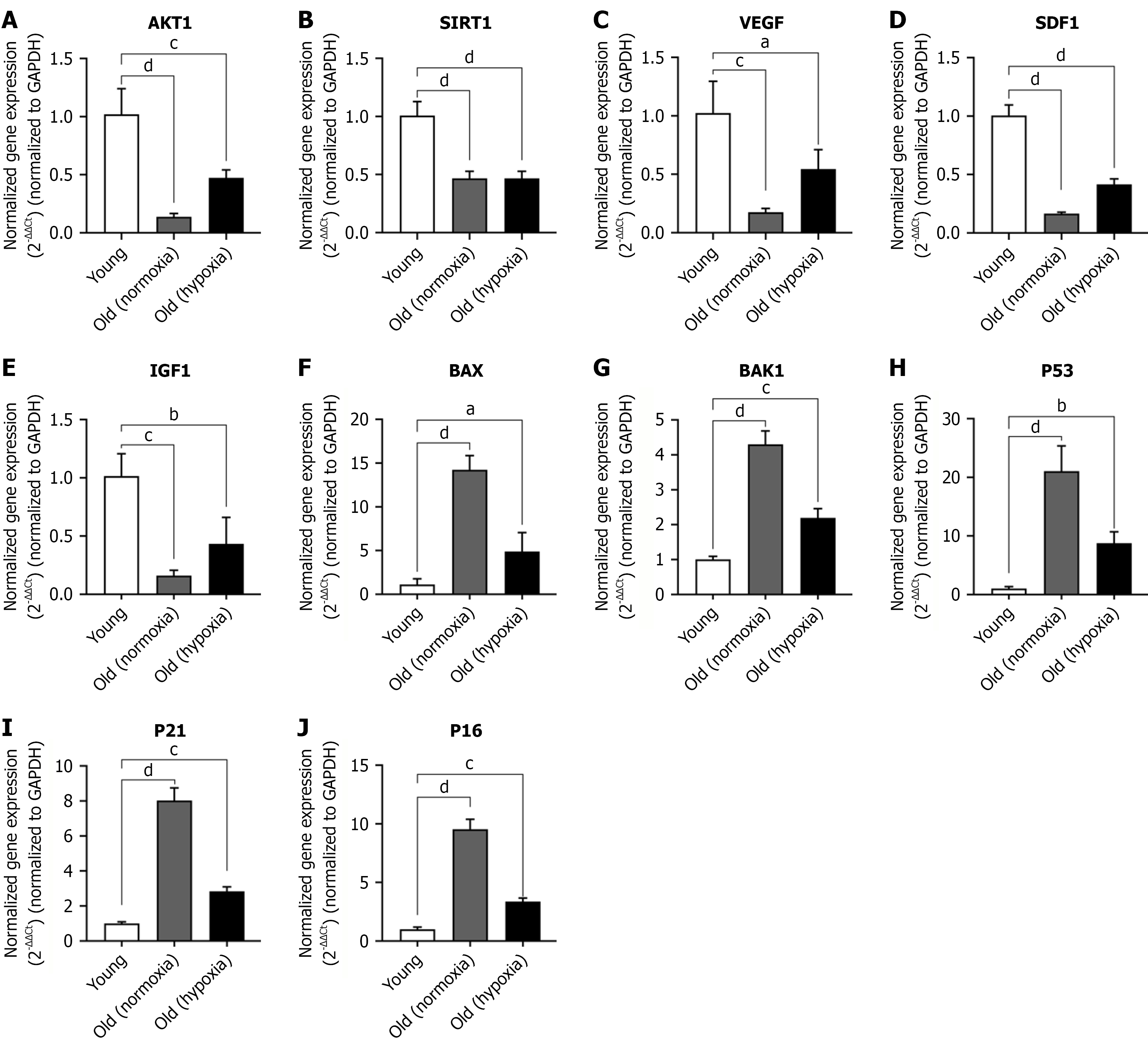
Figure 10 Comparative gene expression analysis of mesenchymal stem cells from young, aged normoxia, and aged hypoxia groups.
A-J: The mRNA expression levels of survival-associated genes protein kinase B (A), sirtuin 1 (B), vascular endothelial growth factor (C), stromal cell-derived factor-1 (D), and insulin-like growth factor 1 (E), and pro-apoptotic and cell cycle regulatory genes BAX (F), BAK1 (G), P53 (H), P21 (I), and P16 (J). Aged normoxic adipose tissue derived mesenchymal stem cells exhibited reduced expression of survival-associated genes and increased expression of pro-apoptotic and senescence-related genes compared with young adipose tissue derived mesenchymal stem cells, whereas hypoxic preconditioning partially restored youthful expression patterns. aP < 0.05; bP < 0.01; cP < 0.001; dP < 0.0001. AKT1: Protein kinase B; SIRT1: Sirtuin 1; VEGF: Vascular endothelial growth factor; SDF1: Stromal cell-derived factor-1; IGF1: Insulin-like growth factor 1.
- Citation: Bashir B, Choudhery MS, Hussain I. Hypoxic preconditioning restores the regenerative potential of aged adipose tissue derived mesenchymal stem cells. World J Stem Cells 2026; 18(5): 117241
- URL: https://www.wjgnet.com/1948-0210/full/v18/i5/117241.htm
- DOI: https://dx.doi.org/10.4252/wjsc.v18.i5.117241