
















Copyright: ©Author(s) 2026.
World J Stem Cells. May 26, 2026; 18(5): 116280
Published online May 26, 2026. doi: 10.4252/wjsc.v18.i5.116280
Published online May 26, 2026. doi: 10.4252/wjsc.v18.i5.116280
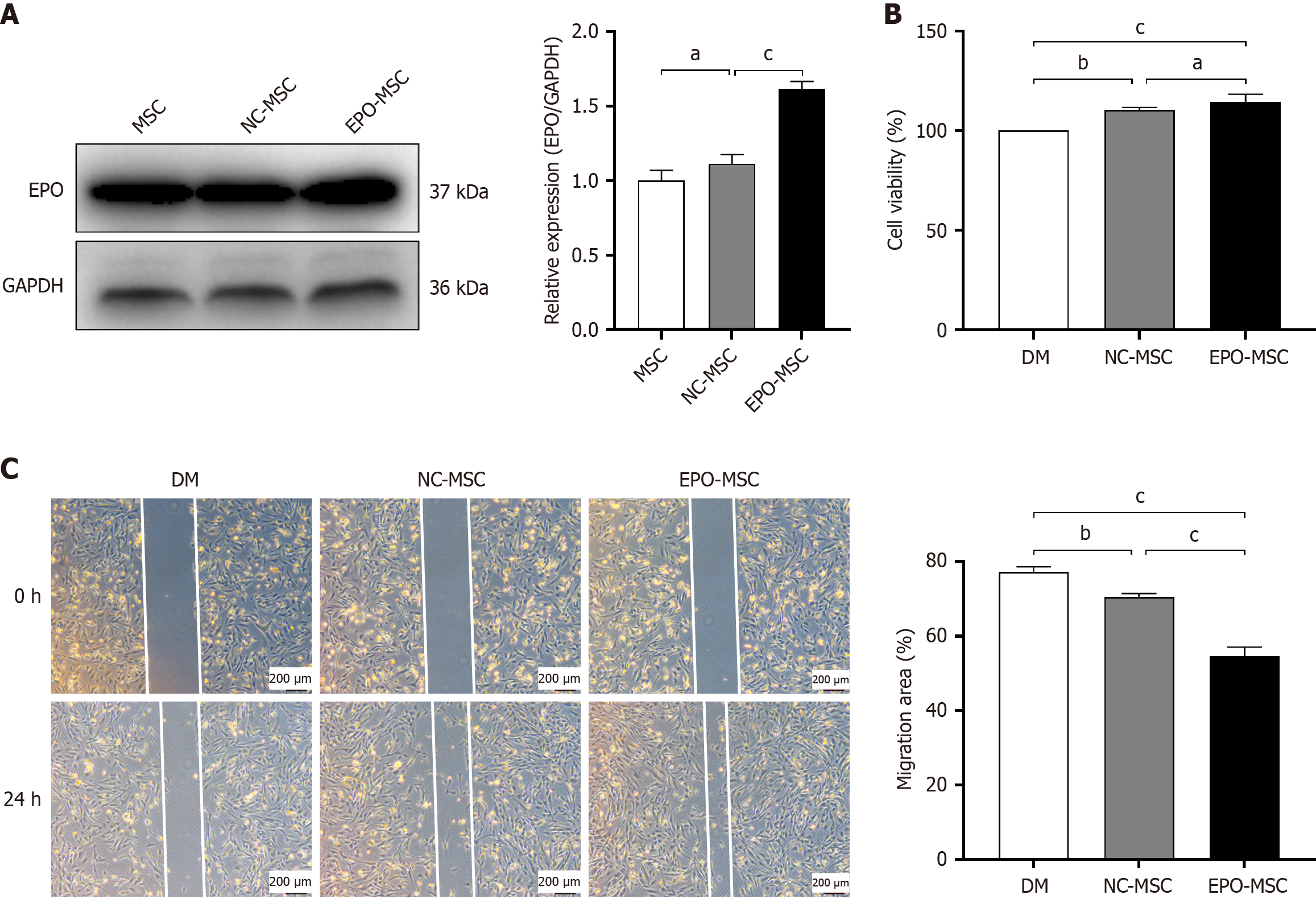
Figure 1 Effects of erythropoietin-overexpressing mesenchymal stem cells on the migration and viability of human foreskin fibroblast cells.
A: Western blot analysis of erythropoietin (EPO) and glyceraldehyde-3-phosphate dehydrogenase expression in unmodified mesenchymal stem cells (MSCs), negative control MSCs transduced with empty lentiviral vector (NC-MSCs), and EPO-overexpressing MSCs (EPO-MSCs), and quantification of relative EPO expression; B: Cell viability of human foreskin fibroblast cells cultured with conditioned medium from the diabetes mellitus medium control (DM), NC-MSC, and EPO-MSC groups, as determined by Cell Counting Kit-8 assay; C: Representative images of scratch wound assays at 0 hour and 24 hours and quantitative analysis of the migration area of human foreskin fibroblast cells treated with conditioned medium from the DM, NC-MSC, and EPO-MSC groups. Data are presented as mean ± SD. Superscript letters denote statistically significant differences between the indicated groups (aP < 0.05, bP < 0.01, cP < 0.001; one-way ANOVA followed by Tukey’s post hoc test). EPO: Erythropoietin; GAPDH: Glyceraldehyde-3-phosphate dehydrogenase; MSC: Mesenchymal stem cell; NC-MSC: Negative control mesenchymal stem cell; EPO-MSC: Erythropoietin-overexpressing mesenchymal stem cell.
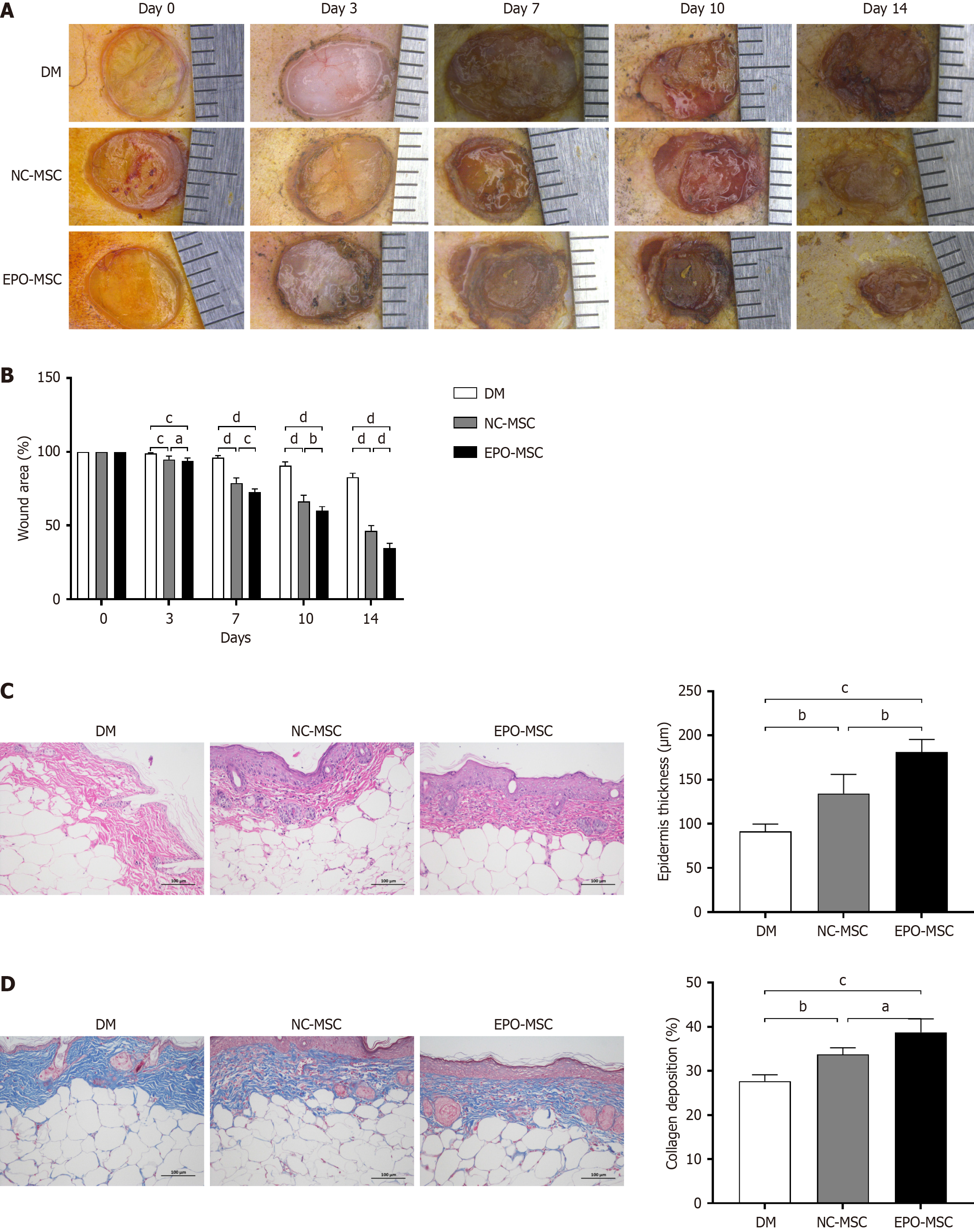
Figure 2 Effects of erythropoietin-overexpressing mesenchymal stem cells on skin wound healing in diabetic mice.
A: Representative macroscopic images of full-thickness dorsal skin wounds in streptozotocin-induced diabetic mice treated with vehicle (diabetes mellitus group), negative control mesenchymal stem cells, or erythropoietin-overexpressing mesenchymal stem cells at days 0, 3, 7, 10, and 14 after wounding; B: Quantification of wound area over time, expressed as a percentage of the initial wound area for the diabetes mellitus, negative control mesenchymal stem cell, and erythropoietin-overexpressing mesenchymal stem cell groups; C: Representative hematoxylin and eosin staining images of skin wound sections at day 14 and quantification of epidermal thickness; D: Representative Masson’s trichrome staining images of skin wound sections at day 14 and quantification of collagen deposition. Data are presented as mean ± SD. Superscript letters denote statistically significant differences between the indicated groups (aP < 0.05, bP < 0.01, cP < 0.001, dP < 0.0001; one-way ANOVA followed by Tukey’s post hoc test). DM: Diabetes mellitus; NC-MSC: Negative control mesenchymal stem cell; EPO-MSC: Erythropoietin-overexpressing mesenchymal stem cell.
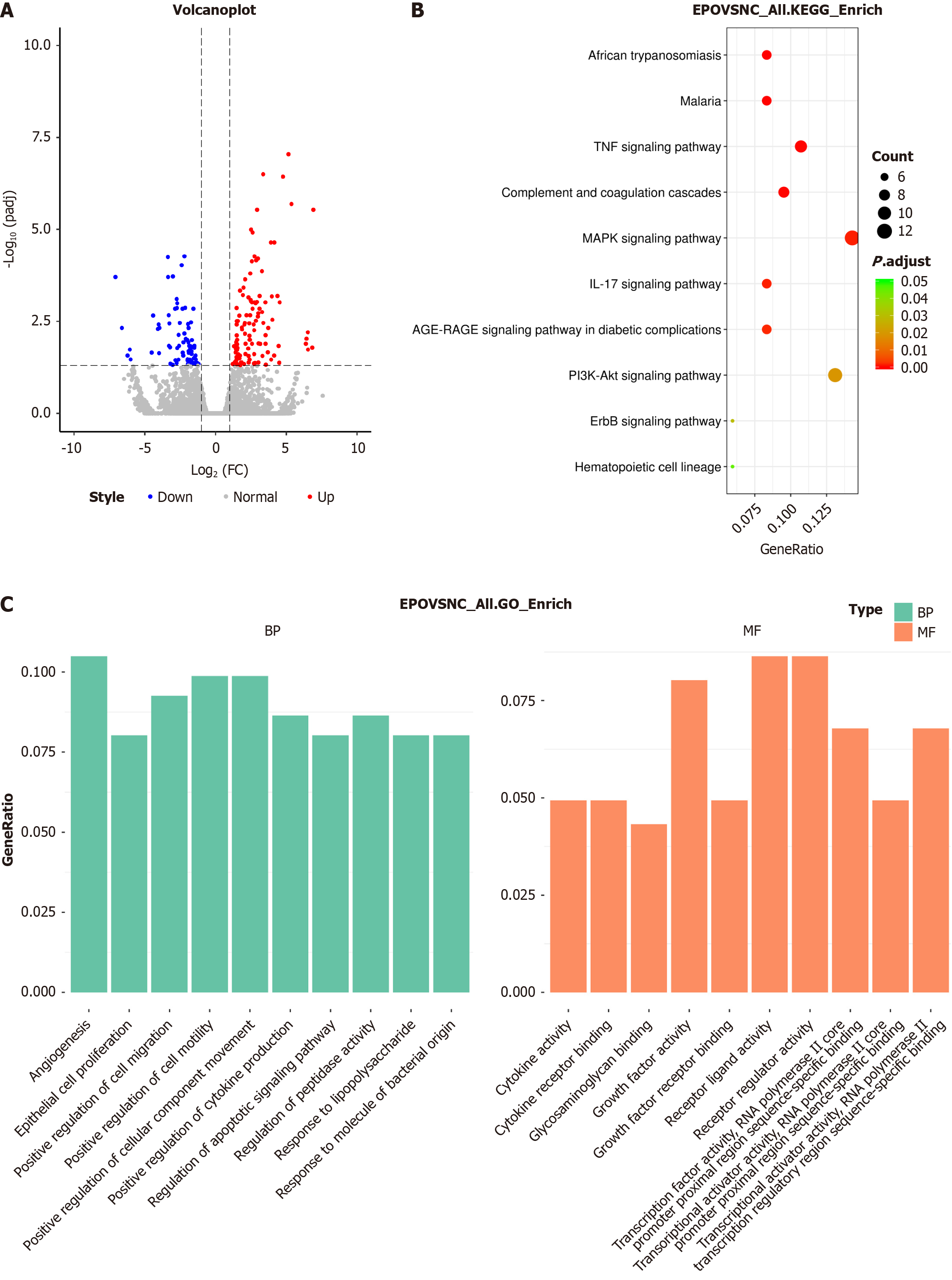
Figure 3 Transcriptomic analysis of skin wound tissue from diabetic mice.
A: Volcano plot showing differentially expressed genes (DEGs) in skin wound tissue among the diabetes mellitus, negative control mesenchymal stem cell, and erythropoietin-overexpressing mesenchymal stem cell groups; B: Kyoto Encyclopedia of Genes and Genomes pathway enrichment analysis of DEGs; C: Gene Ontology functional enrichment analysis of DEGs. KEGG: Kyoto Encyclopedia of Genes and Genomes; GO: Gene Ontology; BP: Biological processes; MF: Molecular functions.
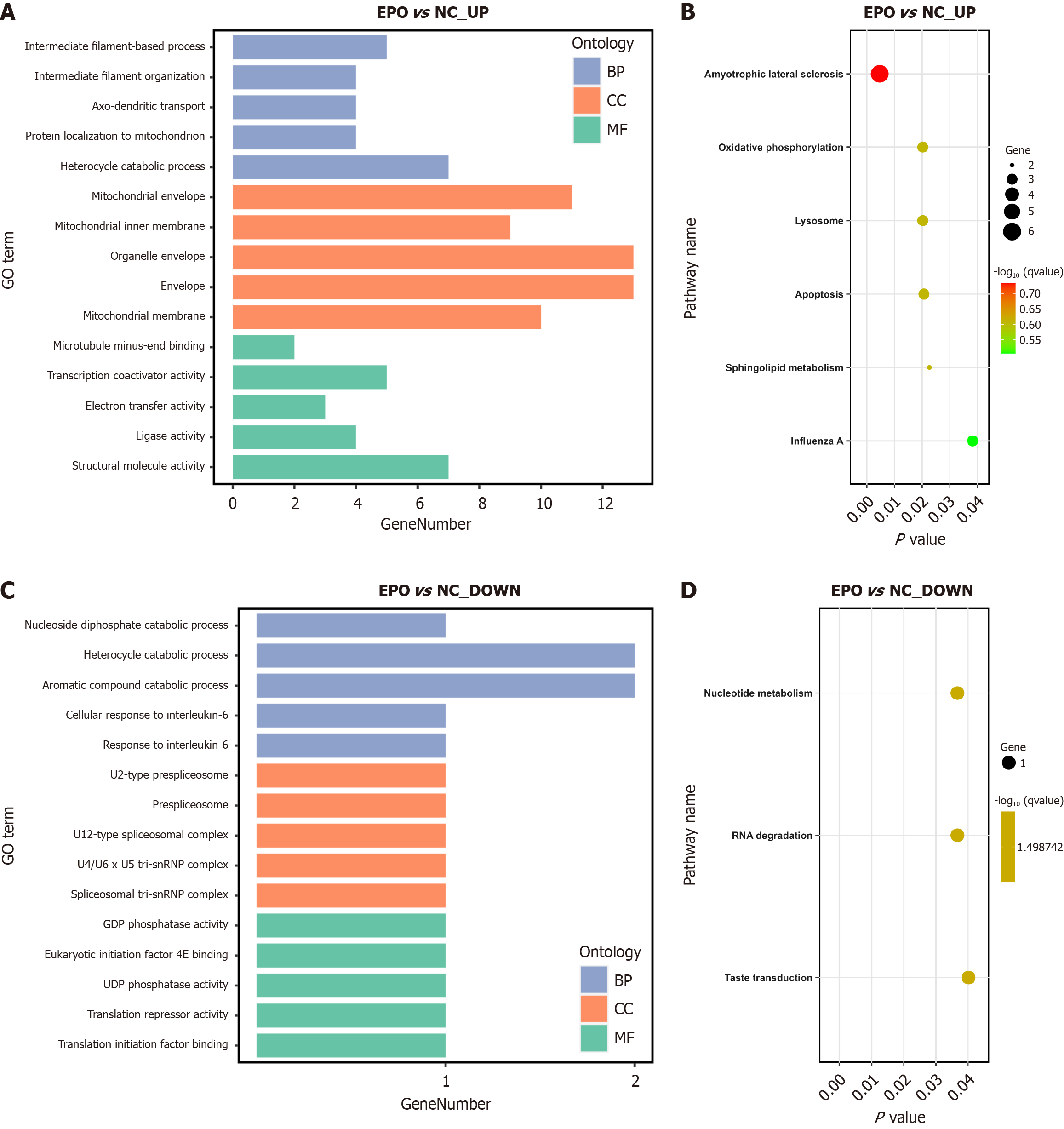
Figure 4 Proteomic analysis of skin wound tissue from diabetic mice.
A: Gene Ontology functional enrichment analysis of upregulated differentially expressed proteins (DEPs) in skin wound tissue; B: Kyoto Encyclopedia of Genes and Genomes pathway enrichment analysis of upregulated DEPs; C: Gene Ontology functional enrichment analysis of downregulated DEPs; D: Kyoto Encyclopedia of Genes and Genomes pathway enrichment analysis of downregulated DEPs. DEP: Differentially expressed protein; GO: Gene Ontology; NC: Negative control; EPO: Erythropoietin; BP: Biological processes; MF: Molecular functions; CC: Cellular components.
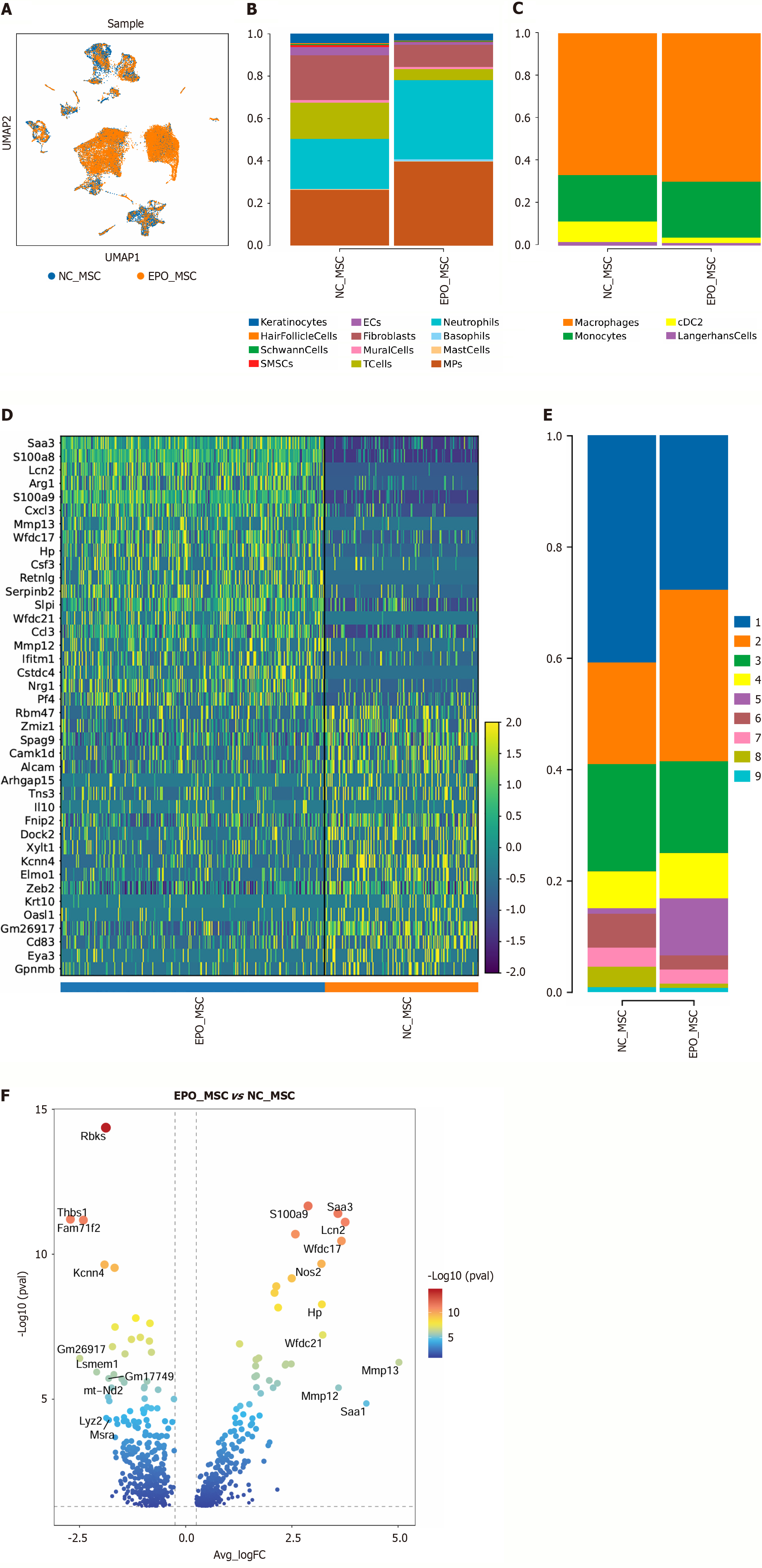
Figure 5 Single-cell RNA sequencing analysis of skin wound tissue from diabetic mice.
A: Uniform manifold approximation and projection clustering plot showing major cell populations identified by single-cell RNA sequencing in skin wound tissue from the diabetes mellitus, negative control mesenchymal stem cell, and erythropoietin-overexpressing mesenchymal stem cell groups; B: Proportional distribution of major cell populations in skin tissue; C: Proportional distribution of mononuclear phagocytes among the three groups; D: Heatmap illustrating differentially expressed genes in macrophage populations; E: Proportional distribution of macrophage subpopulations; F: Volcano plot showing differentially expressed genes in cluster 5 macrophages. NC-MSC: Negative control mesenchymal stem cell; EPO-MSC: Erythropoietin-overexpressing mesenchymal stem cell.
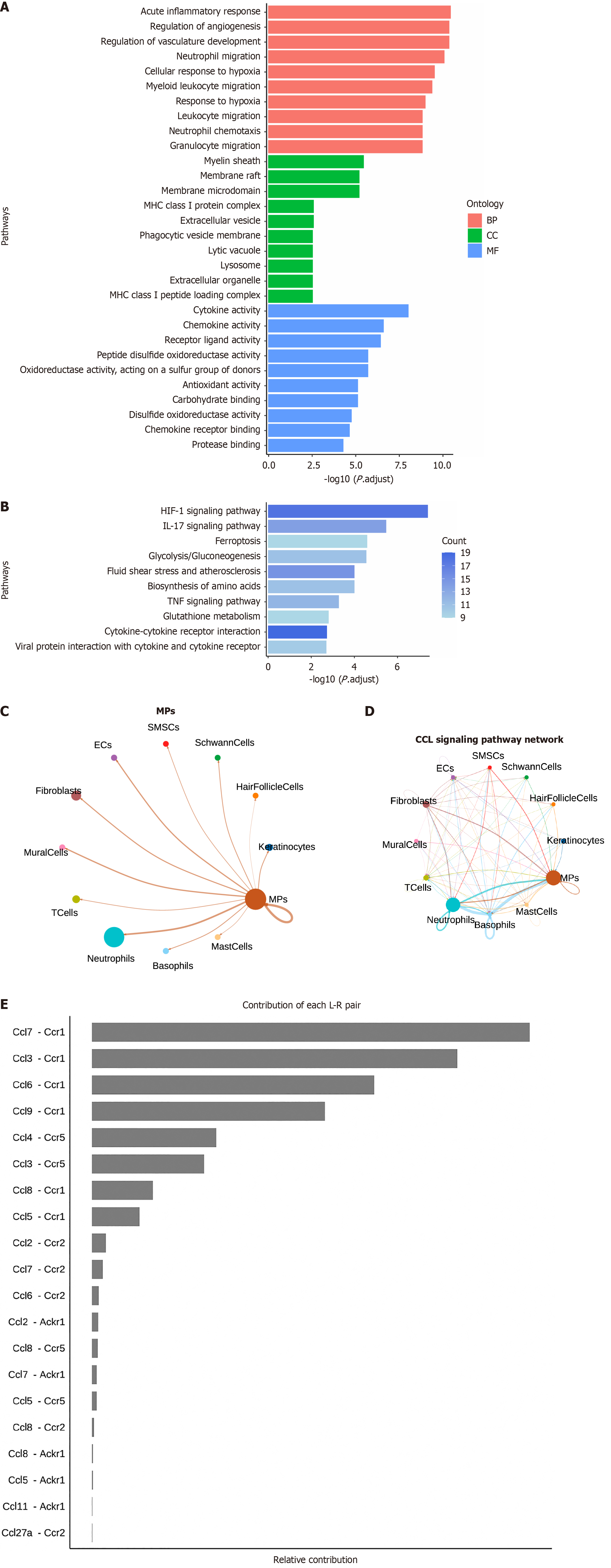
Figure 6 Functional analysis of serum amyloid A3-positive macrophages in erythropoietin-overexpressing mesenchymal stem cell-induced wound healing.
A: Gene Ontology functional enrichment analysis of differentially expressed genes in serum amyloid A3-positive macrophages; B: Kyoto Encyclopedia of Genes and Genomes pathway enrichment analysis of differentially expressed genes in serum amyloid A3-positive macrophages; C: Cell-cell communication analysis between mononuclear phagocytes and other cell populations in skin tissue based on single-cell RNA sequencing data; D: Interaction weight of the C-C motif chemokine ligand signaling pathway in the intercellular communication network; E: Contribution of individual C-C motif chemokine ligand receptor-ligand pairs to cell-cell communication between macrophages and other cell populations. BP: Biological processes; MF: Molecular functions; CC: Cellular components.
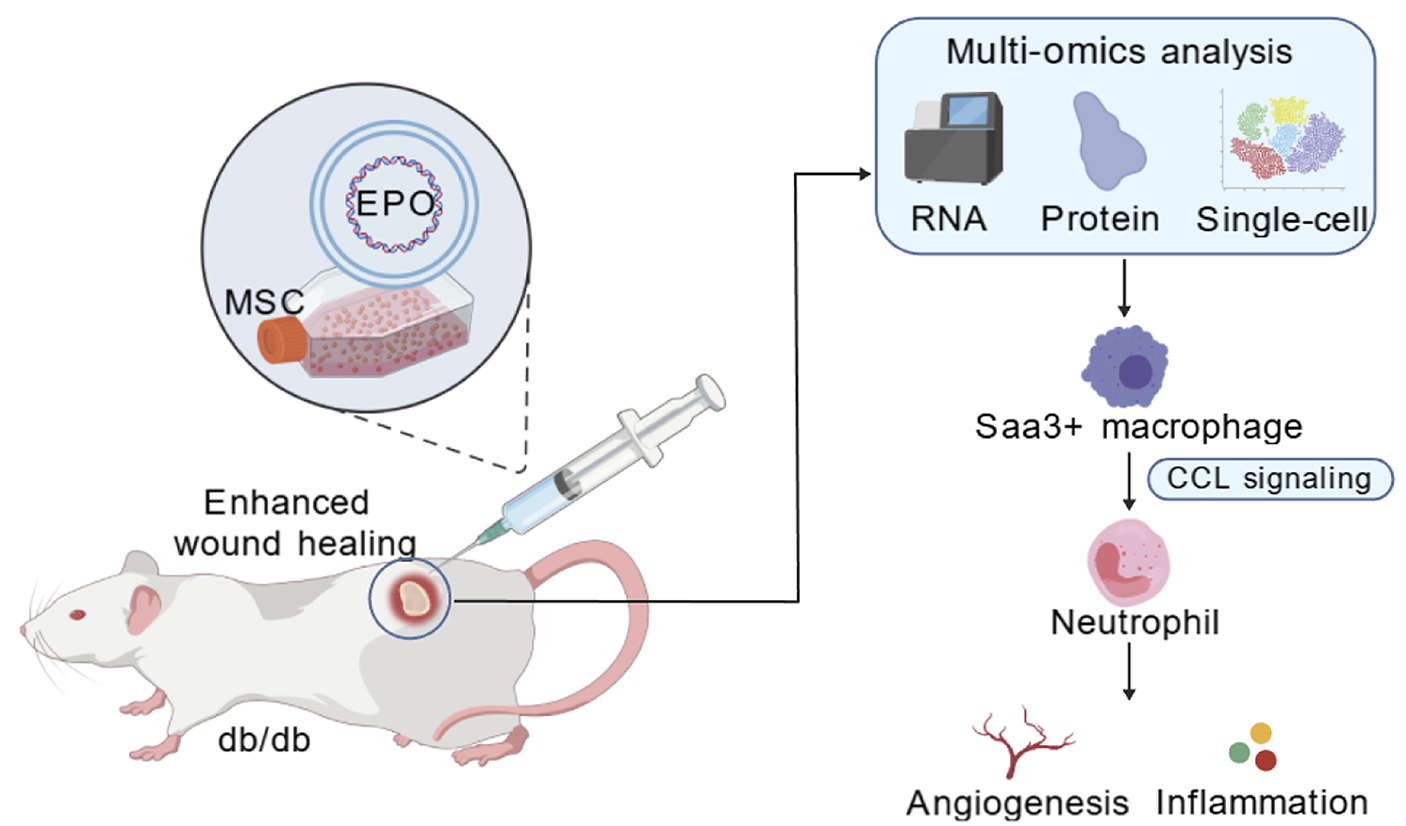
Figure 7 Schematic illustration of the proposed mechanism by which erythropoietin-overexpressing mesenchymal stem cells enhance diabetic wound healing.
Erythropoietin-overexpressing mesenchymal stem cells are locally injected around full-thickness skin wounds in leptin receptor-deficient mice, resulting in enhanced wound closure. Integrated multi-omics analysis (bulk RNA sequencing, proteomics, and single-cell RNA sequencing) identifies a serum amyloid A3-positive macrophage subset as a key effector population. Erythropoietin-overexpressing mesenchymal stem cells strengthen C-C motif chemokine ligand-centered signaling from serum amyloid A3-positive macrophages to neutrophils, which promotes angiogenesis and modulates inflammation to improve tissue repair. EPO: Erythropoietin; MSC: Mesenchymal stem cell; Saa3: Serum amyloid A3; CCL: C-C motif chemokine ligand; db/db: Leptin receptor-deficient diabetic mouse.
- Citation: Ma BD, Zhang SJ, Shao YM, Jin RR, Sun L, Lv PJ, Yue H, Hu SK, Ma XW. Erythropoietin-overexpressing mesenchymal stem cells accelerate diabetic wound healing via steroid signaling pathway modulation. World J Stem Cells 2026; 18(5): 116280
- URL: https://www.wjgnet.com/1948-0210/full/v18/i5/116280.htm
- DOI: https://dx.doi.org/10.4252/wjsc.v18.i5.116280