
















Copyright: ©Author(s) 2026.
World J Stem Cells. Apr 26, 2026; 18(4): 117652
Published online Apr 26, 2026. doi: 10.4252/wjsc.v18.i4.117652
Published online Apr 26, 2026. doi: 10.4252/wjsc.v18.i4.117652
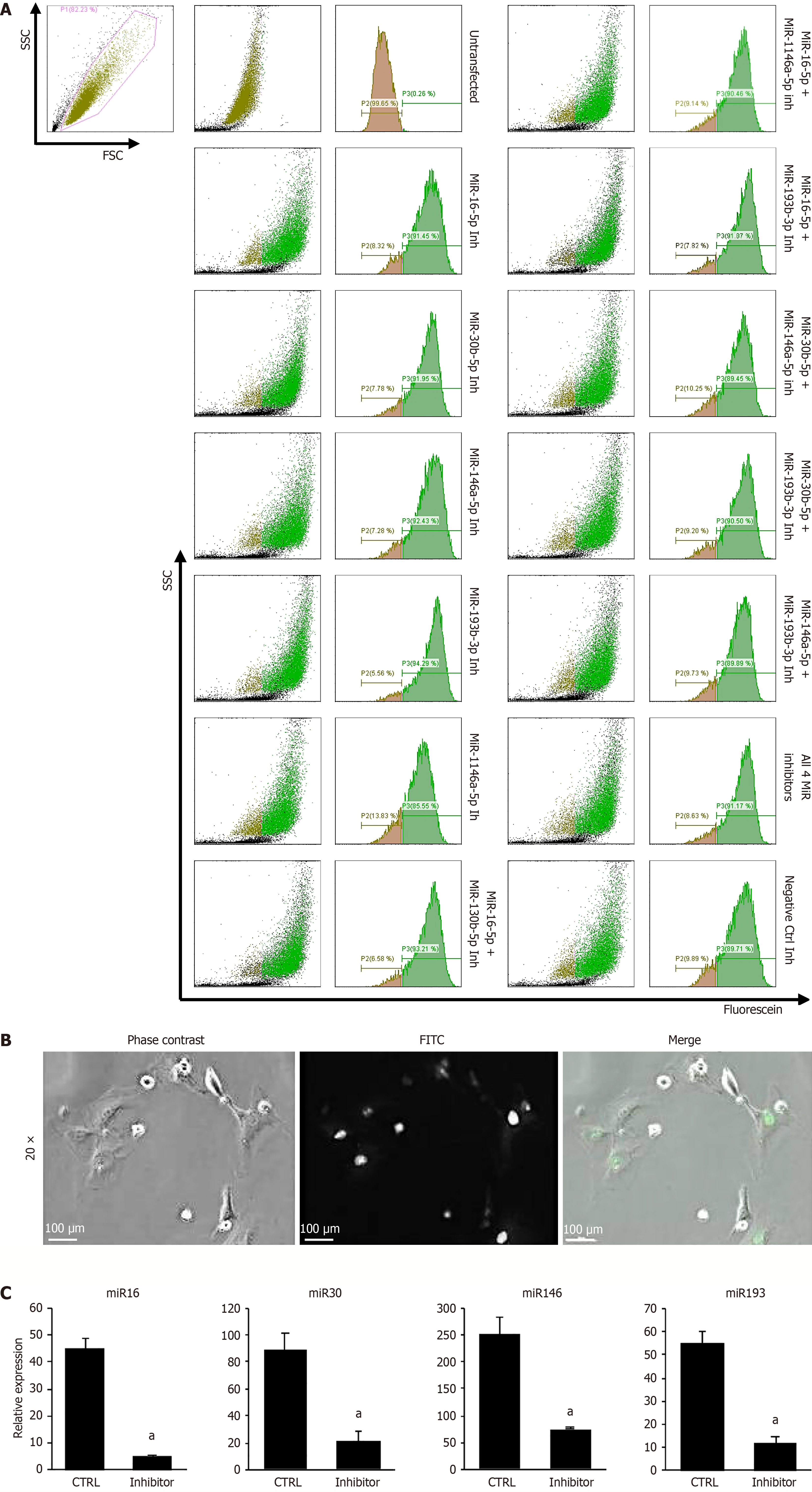
Figure 1 Lipid-assisted delivery of 3’-fluorescein-labelled locked nucleic acid-antisense oligonucleotide microRNA inhibitors into rat bone-marrow mesenchymal stem cells.
A: Representative flow-cytometry profiles of rat bone-marrow mesenchymal stem cells 48 hours after lipofection with locked nucleic acid-antisense oligonucleotide microRNA inhibitors, used either individually or in predefined combinations. Left panels show the FSC/SSC gating and example dot plots; right panels display the corresponding fluorescence histograms for the 3’-fluorescein (FAM) label. The green numbers indicate the percentage of FAM-positive cells for each transfection condition. Controls include non-transfected cells and cells transfected with a non-specific power inhibitor. Data illustrate high intracellular uptake across conditions; B: Phase-contrast and fluorescence micrographs of adherent rat bone-marrow mesenchymal stem cells 48 hours post-transfection (20 ×). Merged images showing predominantly nuclear signal with a minor cytoplasmic component, consistent with efficient intracellular trafficking of the labelled locked nucleic acid-antisense oligonucleotides; C: Relative expression of the indicated microRNAs measured by quantitative real-time polymerase chain reaction 48 hours after transfection. Data are normalised to U6 and expressed as 2-ΔΔCt relative to CTRL (power inhibitor). Bars represent mean (n = 3 independent experiments) and error bars = SEM. Statistical analysis: Two-tailed Student’s t-test vs CTRL; aP < 0.05, bP < 0.01, cP < 0.005.
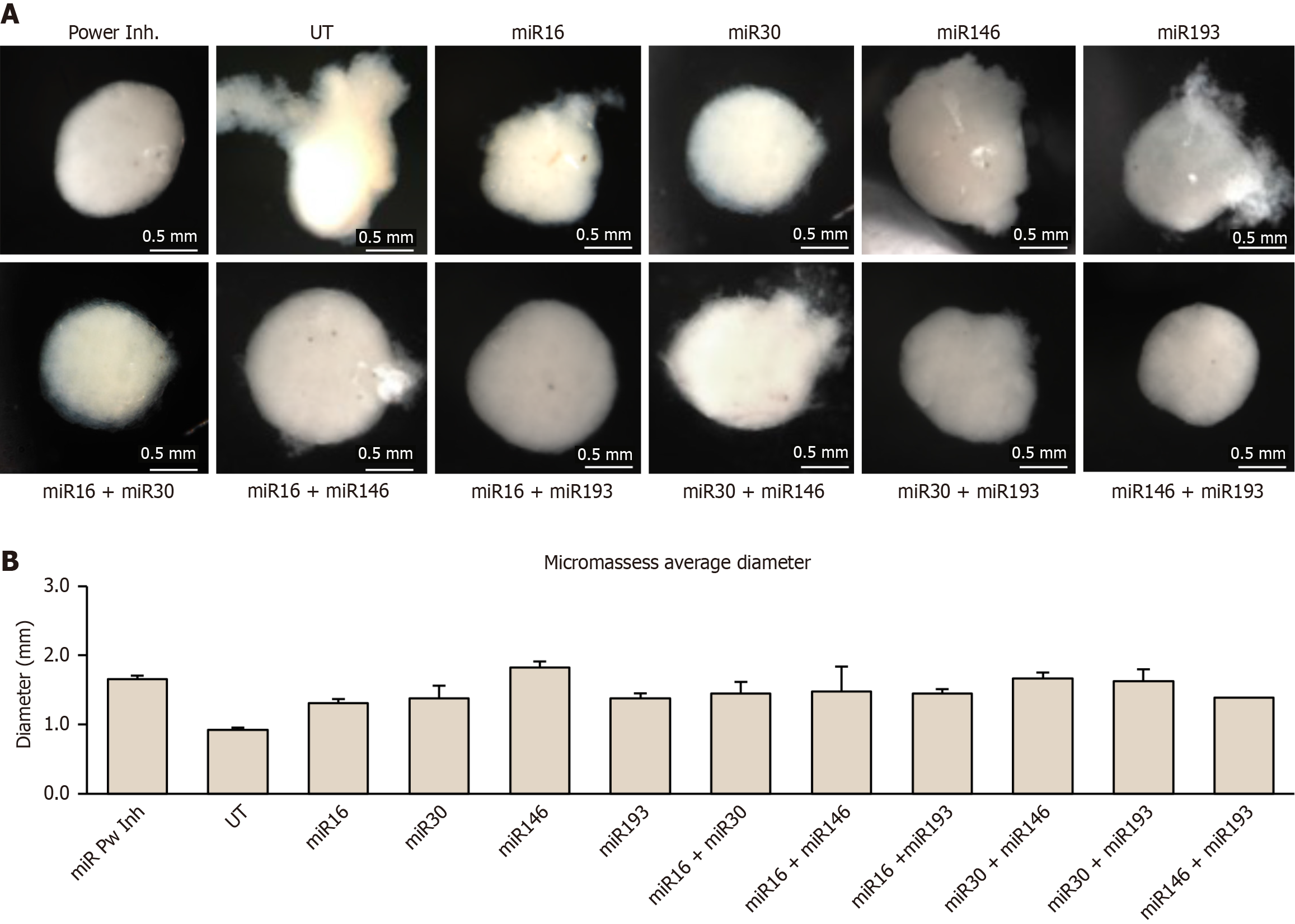
Figure 2 Macroscopic appearance and size of micromasses at day 21 of chondrogenic differentiation.
A: Representative stereomicroscope images (80 ×) of micromasses formed from control and locked nucleic acid-antisense oligonucleotides-transfected rat bone-marrow mesenchymal stem cells after 21 days in chondrogenic medium. Scale bar: 500 μm; B: Average micromass diameter for each condition. Diameters were measured in ImageJ along the longest axis on calibrated images. No obvious differences in diameter were detected across groups.
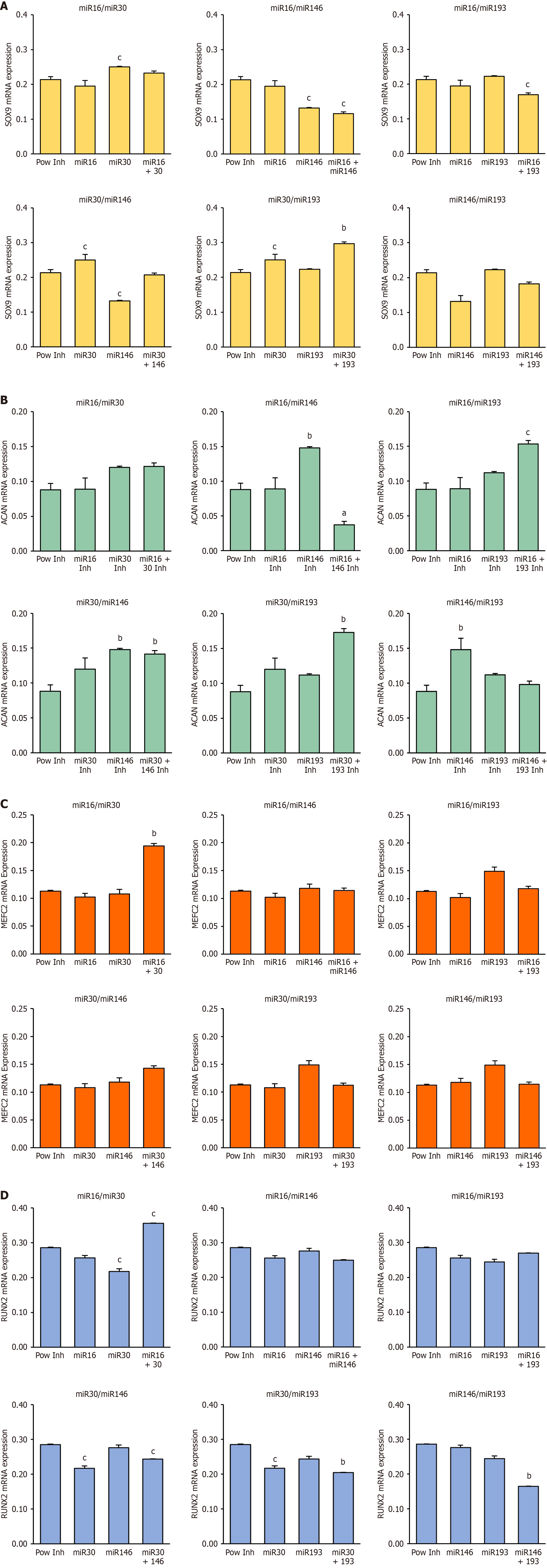
Figure 3 Gene expression in micromasses after transient anti-miR treatment.
A-D: Rat bone-marrow mesenchymal stem cells were transfected with single or combined locked nucleic acid-antisense oligonucleotides microRNA inhibitors, induced to form micromasses, and harvested on day 11 for quantitative real-time polymerase chain reaction. Sox9 (A) and Acan (B) (chondrogenic markers). Runx2 (C) and Mef2C (D) (hypertrophic markers). Expression was normalised to Gapdh and calculated as 2-ΔΔCt relative to the power inhibitor control. Bars show mean ± SEM (n = 3 independent experiments). Statistical comparisons vs power inhibitor by two-tailed Student’s t-test; aP < 0.05, bP < 0.01, cP < 0.005.
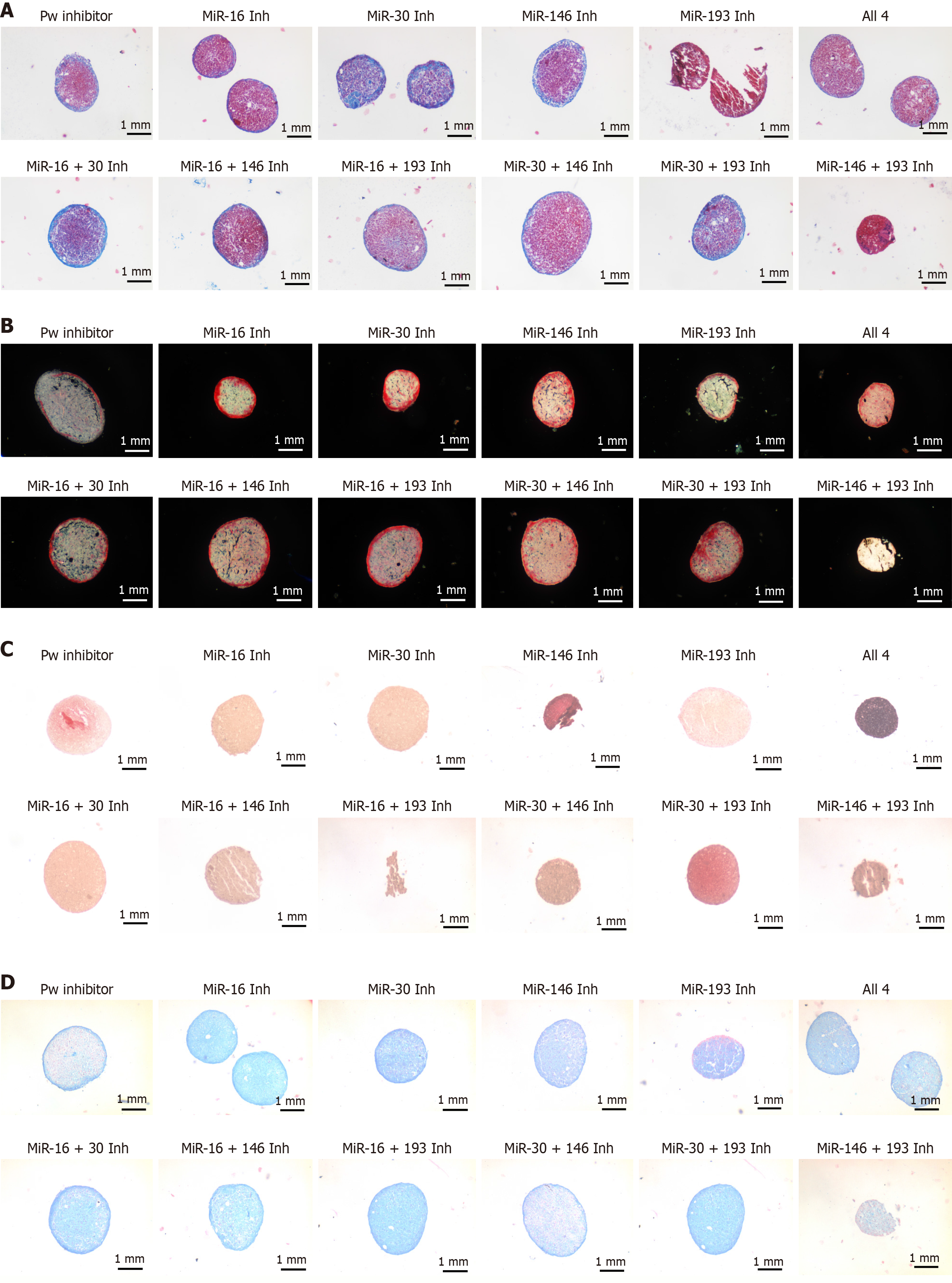
Figure 4 Histological assessment of cartilage-like matrix in micromasses at day 21.
A: Masson’s trichrome. Collagen appears blue, cytoplasm pink, and nuclei dark. Differences in collagen content and peripheral organisation are evident; B: Picrosirius Red under polarised light. Aggregated collagen fibrils show bright birefringence (red-orange), revealing variations in fibril abundance and orientation; C: Alcian Blue/Fast Red. Acidic sulphated mucopolysaccharides (sGAG) stain light blue; relative intensity reflects sGAG distribution across sections; D: Safranin O/Fast Green. sGAG/ proteoglycans stain dark orange-red, indicating cartilage-like matrix deposition. Representative images are shown for all experimental conditions; micrographs acquired at 40 × magnification.
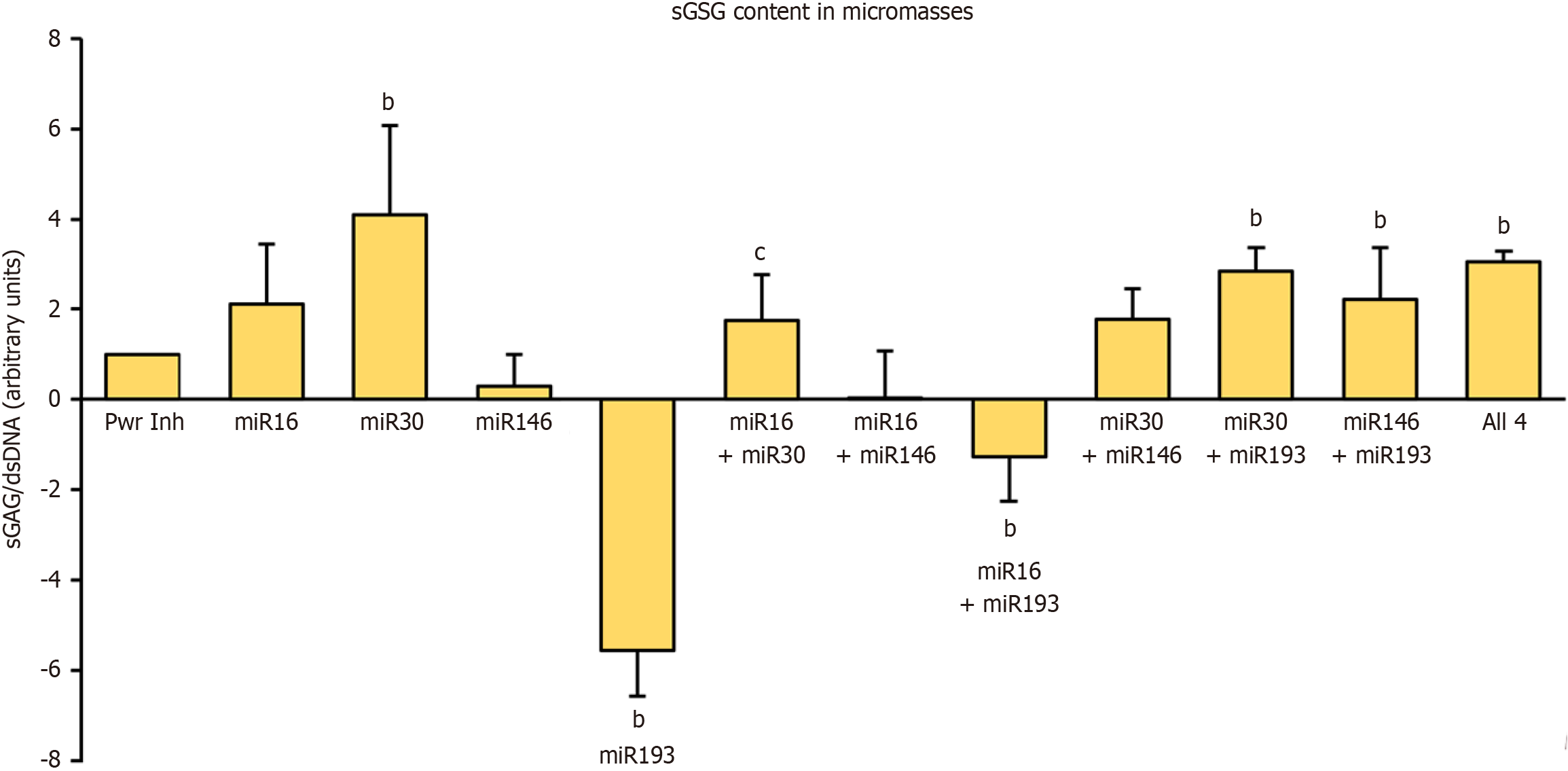
Figure 5 Sulphated glycosaminoglycans content in day-21 micromasses.
Figure shows a DMMB assay with chondroitin sulphate standards. Sulphated glycosaminoglycans values were normalised to dsDNA for each micromass (sulphated glycosaminoglycans/dsDNA). Increases were observed for miR-30b-5p alone and its combinations (miR-30b-5p/miR-16-5p, miR-30b-5p/miR-146a-5p, miR-30b-5p/miR-193b-3p), for miR-146a-5p/miR-193b-3p, and for the all-four mix; decreases were seen for miR-193b-3p alone and miR-16-5p/miR-193b-3p. Bars show mean ± SEM; n = 3; statistics vs power inhibitor control. Statistical comparisons vs power inhibitor by two-tailed Student’s t-test; bP < 0.01, cP < 0.005. sGAG: Sulphated glycosaminoglycan.
- Citation: Fontiveros-Palomino M, Álvarez-Iglesias I, González-González A, Alfonso-Fernández A, Pérez-Campo FM. Modulation of osteoarthritis-related microRNAs using locked nucleic acid-antisense oligonucleotides boosts chondrogenic lineage commitment of mesenchymal progenitors. World J Stem Cells 2026; 18(4): 117652
- URL: https://www.wjgnet.com/1948-0210/full/v18/i4/117652.htm
- DOI: https://dx.doi.org/10.4252/wjsc.v18.i4.117652