















Copyright: ©Author(s) 2026.
World J Stem Cells. Apr 26, 2026; 18(4): 116829
Published online Apr 26, 2026. doi: 10.4252/wjsc.v18.i4.116829
Published online Apr 26, 2026. doi: 10.4252/wjsc.v18.i4.116829
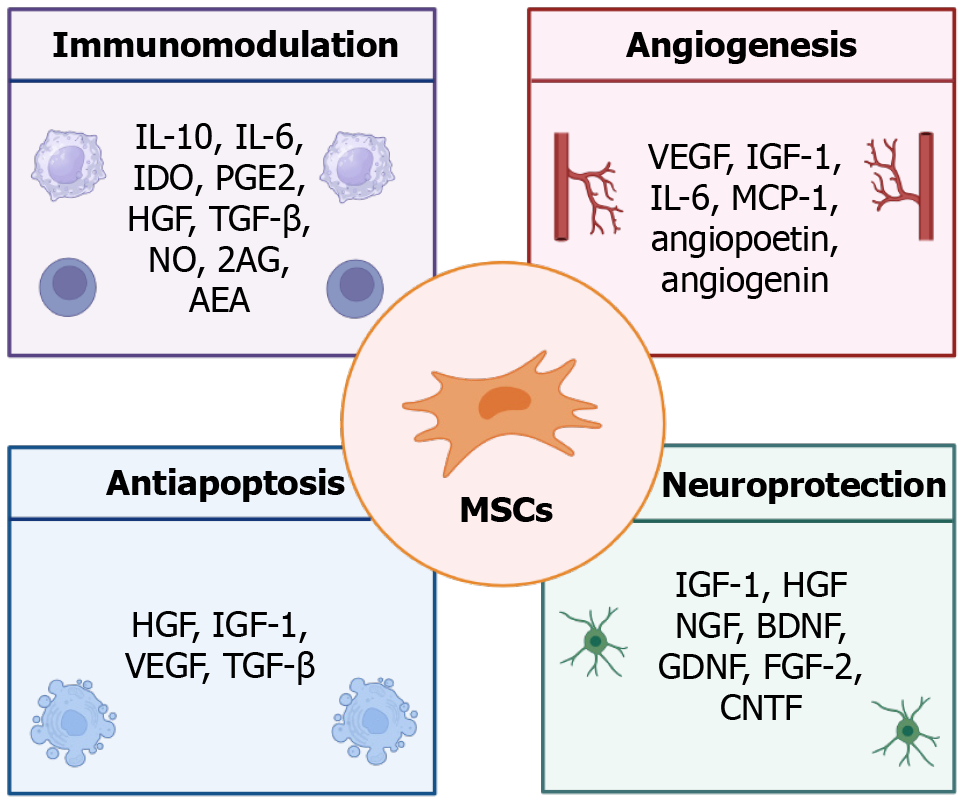
Figure 1 Schematic representation of the paracrine effects of mesenchymal stem cells.
Mesenchymal stem cells exert therapeutic effects primarily through the paracrine release of soluble factors and extracellular vesicles. They modulate immune responses by secreting interleukin-10 (IL-10), IL-6, indoleamine 2,3-dioxygenase, prostaglandin E2, hepatocyte growth factor (HGF), transforming growth factor-β, and nitric oxide; promote angiogenesis via vascular endothelial growth factor, insulin-like growth factor-1 (IGF-1), IL-6, monocyte chemoattractant protein-1, angiopoietin-1, and angiogenin; and prevent apoptosis through HGF, IGF-1, vascular endothelial growth factor, and transforming growth factor-β. In addition, neuroprotective molecules such as IGF-1, HGF, nerve growth factor, brain-derived neurotrophic factor, glial cell line-derived neurotrophic factor, fibroblast growth factor-2, and ciliary neurotrophic factor support neuronal survival and regeneration. Mesenchymal stem cells also release bioactive lipids, including 2-arachidonoylglycerol and anandamide, which contribute to their therapeutic potential[18]. Created in BioRender. Amorim, R. (2026) https://BioRender.com/0lqgoi6. IL: Interleukin; IDO: Indoleamine 2,3-dioxygenase; PGE2: Prostaglandin E2; HGF: Hepatocyte growth factor; TGF-β: Transforming growth factor-β; NO: Nitric oxide; 2AG: 2-arachidonoylglycerol; AEA: Anandamide; VEGF: Vascular endothelial growth factor; IGF-1: Insulin-like growth factor-1; MCP-1: Monocyte chemoattractant protein-1; MSCs: Mesenchymal stem cells; BDNF: Brain-derived neurotrophic factor; GDNF: Glial cell line-derived neurotrophic factor; FGF-2: Fibroblast growth factor-2; CNTF: Ciliary neurotrophic factor.
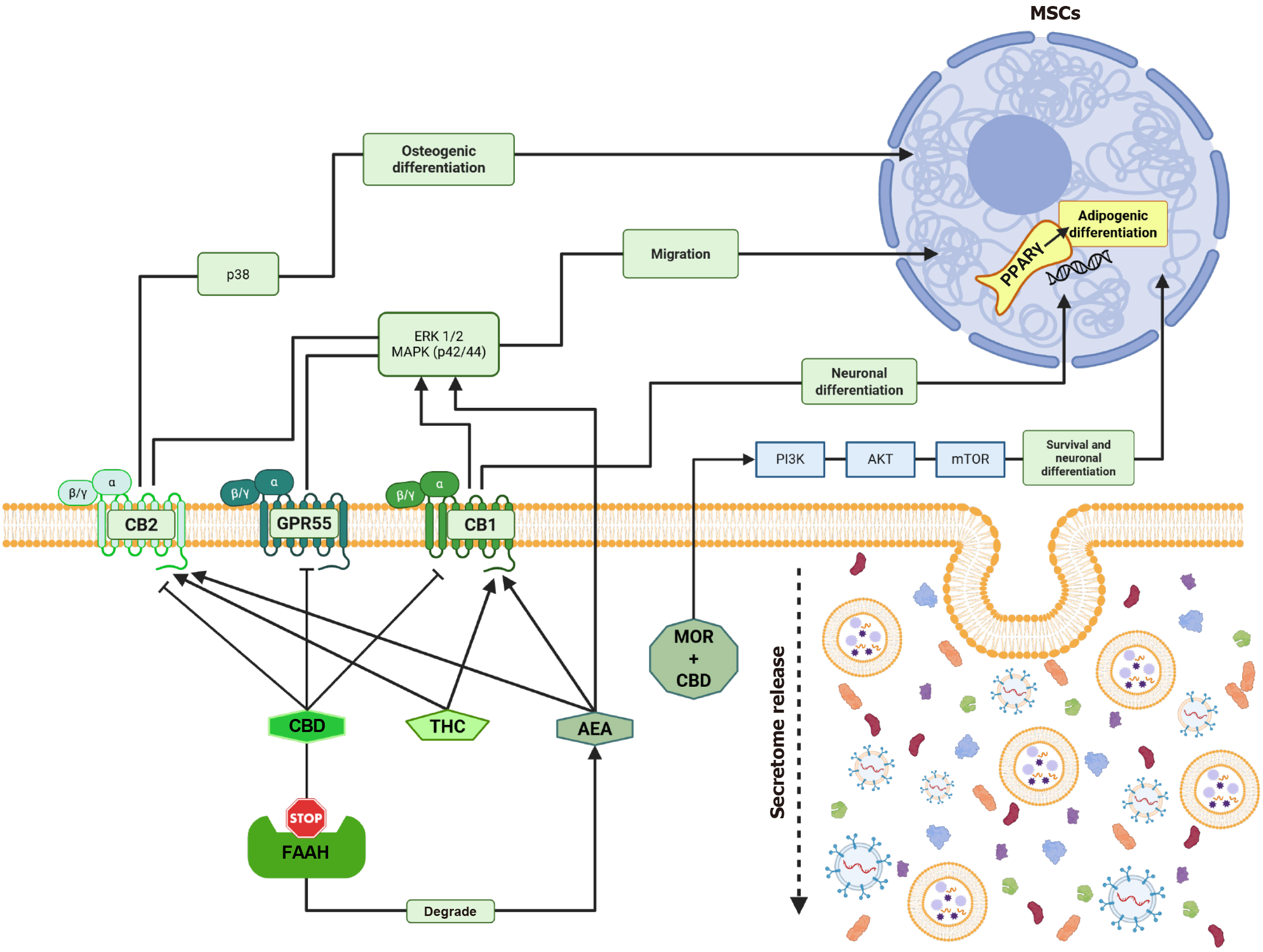
Figure 2 Schematic overview of cannabinoid receptor-mediated signaling and phytocannabinoid-induced modulation and differentiation of mesenchymal stem cells.
Phytocannabinoids such as cannabidiol (CBD) and Δ9-tetrahydrocannabinol interact with multiple molecular targets expressed in mesenchymal stem cells (MSCs), including cannabinoid receptors type 1 (CB1) and type 2 (CB2). Endogenous cannabinoids such as anandamide activate both CB1 and CB2, while CBD inhibits fatty acid amide hydrolase, preventing anandamide degradation and consequently enhancing endocannabinoid receptor signaling. Activation of CB2 predominantly engages the p38 and extracellular signal-regulated kinase 1/2 mitogen-activated protein kinase (p42/44) pathways, promoting osteogenic differentiation and MSC migration, whereas CB1 activation modulates neuronal differentiation. Additionally, combined treatment with moringin and CBD has been shown to enhance MSC survival and promote neuronal differentiation through activation of the phosphatidylinositol 3-kinase/protein kinase B/mammalian target of the rapamycin signaling pathway. In turn, activation of peroxisome proliferator-activated receptor gamma promotes adipogenic differentiation. These receptor-mediated cascades converge to regulate not only lineage commitment but also the paracrine activity of MSCs, leading to the release of extracellular vesicles and bioactive molecules. Created in BioRender. Amorim, R. (2026) https://BioRender.com/0lqgoi6. PPARγ: Peroxisome proliferator activated receptor gamma; ERK: Extracellular signal-regulated kinase; MAPK: Mitogen-activated protein kinase; PI3K: Phosphatidylinositol 3-kinase; Akt: Protein kinase B; mTOR: Mammalian target of the rapamycin; CB2: Cannabinoid receptor type 2; GPR55: G protein-coupled receptor 55; CB1: Cannabinoid receptor type 1; CBD: Cannabidiol; THC: Δ9-tetrahydrocannabinol; AEA: Anandamide; MOR: Moringin; FAAH: Fatty acid amide hydrolase.
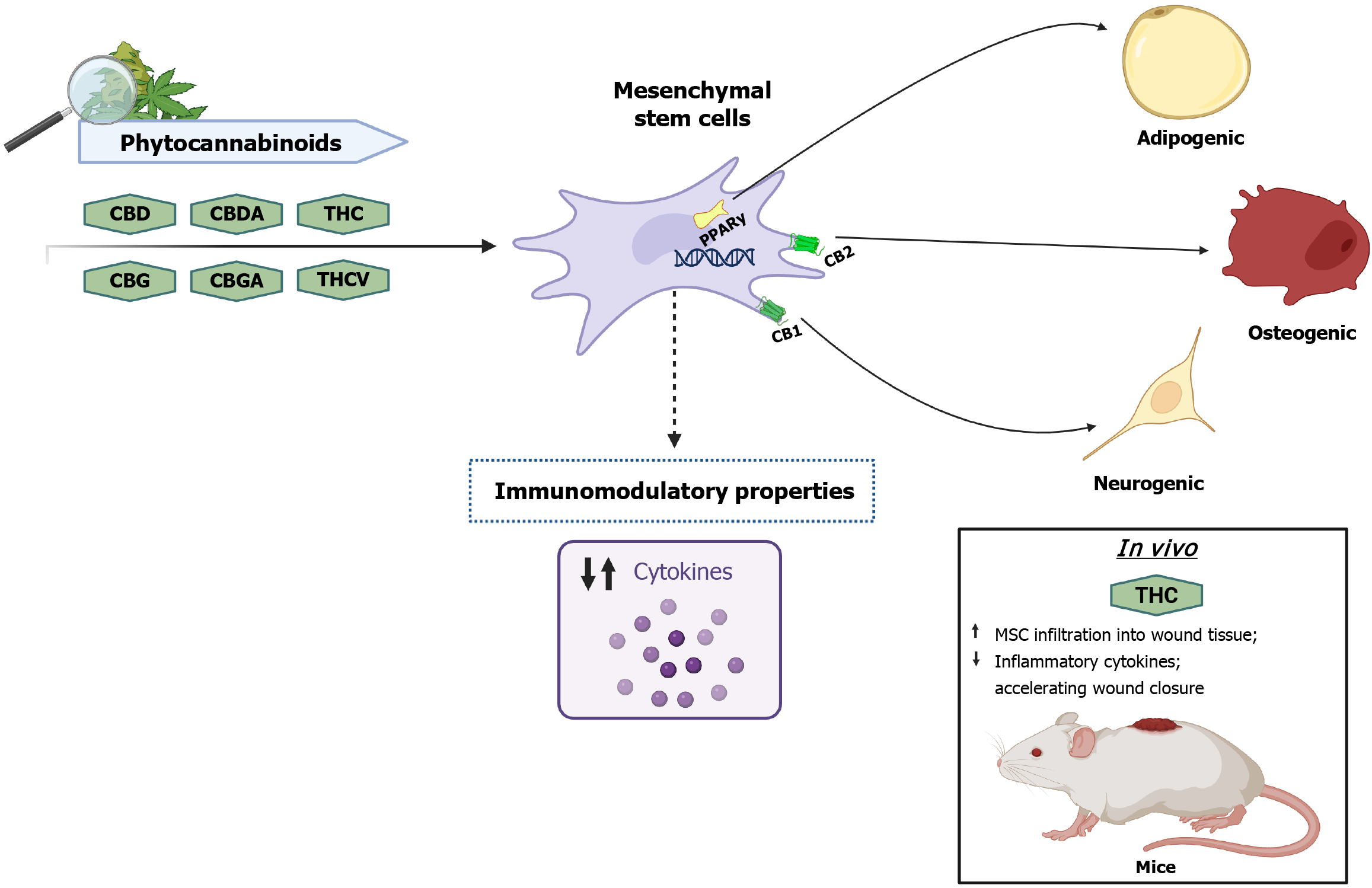
Figure 3 Graphical abstract.
Created in BioRender. Amorim, R. (2026) https://BioRender.com/0lqgoi6. CBD: Cannabidiol; CBDA: Cannabidiolic acid; THC: Δ9-tetrahydrocannabinol; CBG: Cannabigerol; CBGA: Cannabigerolic acid; THCV: Tetrahydrocannabivarin; PPAR: Peroxisome proliferator activated receptor; CB1: Cannabinoid receptor type 1; CB2: Cannabinoid receptor type 2; MSCs: Mesenchymal stem cells.
- Citation: Ferreira LVO, de Oliveira PHD, Amorim RM. Phytocannabinoid-induced priming and differentiation of mesenchymal stem cells: Therapeutic potential. World J Stem Cells 2026; 18(4): 116829
- URL: https://www.wjgnet.com/1948-0210/full/v18/i4/116829.htm
- DOI: https://dx.doi.org/10.4252/wjsc.v18.i4.116829