
















Copyright: ©Author(s) 2026.
World J Stem Cells. Apr 26, 2026; 18(4): 115446
Published online Apr 26, 2026. doi: 10.4252/wjsc.v18.i4.115446
Published online Apr 26, 2026. doi: 10.4252/wjsc.v18.i4.115446
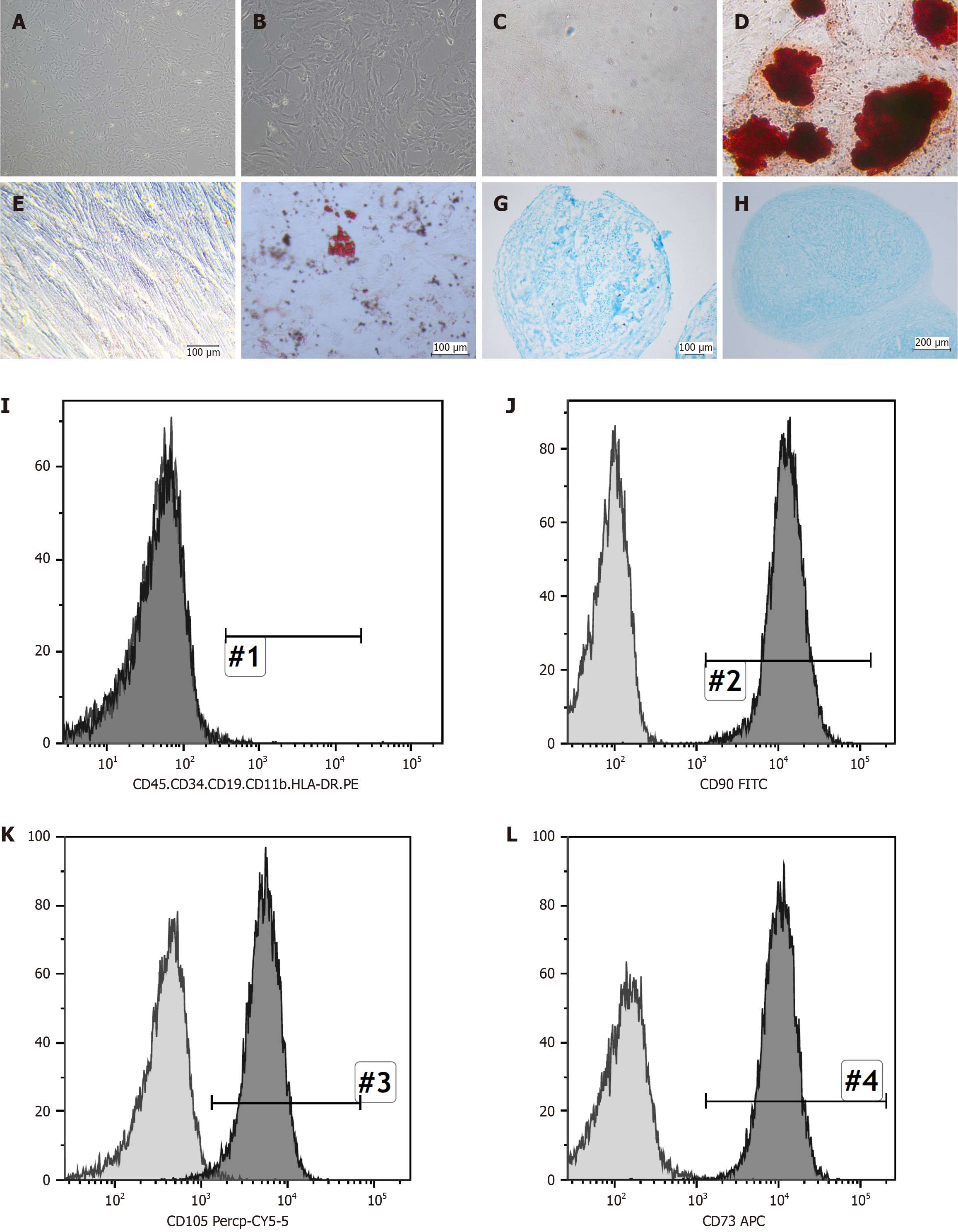
Figure 1 Umbilical cord mesenchymal stem cells morphology and identification.
A: Umbilical cord mesenchymal stem cells (UCMSCs) morphology is displayed at 50 × magnification; B: UCMSCs morphology is displayed at 200 × magnification; C and D: The effective differentiation of UCMSCs into osteoblasts was confirmed by alizarin red staining. At a magnification of 100 × representative pictures of the control group (C) and induction group (D) were captured; E and F: Oil Red O staining was used to successfully differentiate UCMSCs into adipocytes. At a magnification of 100 ×, representative pictures of the control group (E) and induction group (F) were captured; G and H: Alcian blue staining was used to identify the chondrocytes that were successfully differentiated from UCMSCs. At 200 × magnification, representative pictures of the control group (G) and induction group (H) were captured; I-L: Using flow cytometry, the surface markers of UCMSCs, such as CD90, CD105, CD73, CD45, CD34, CD11b, CD19, and HLA-DR, were examined. Of them, more than 99% of the cells were positive for CD90, CD105, and CD73. The other genes’ expression was nearly negligible.
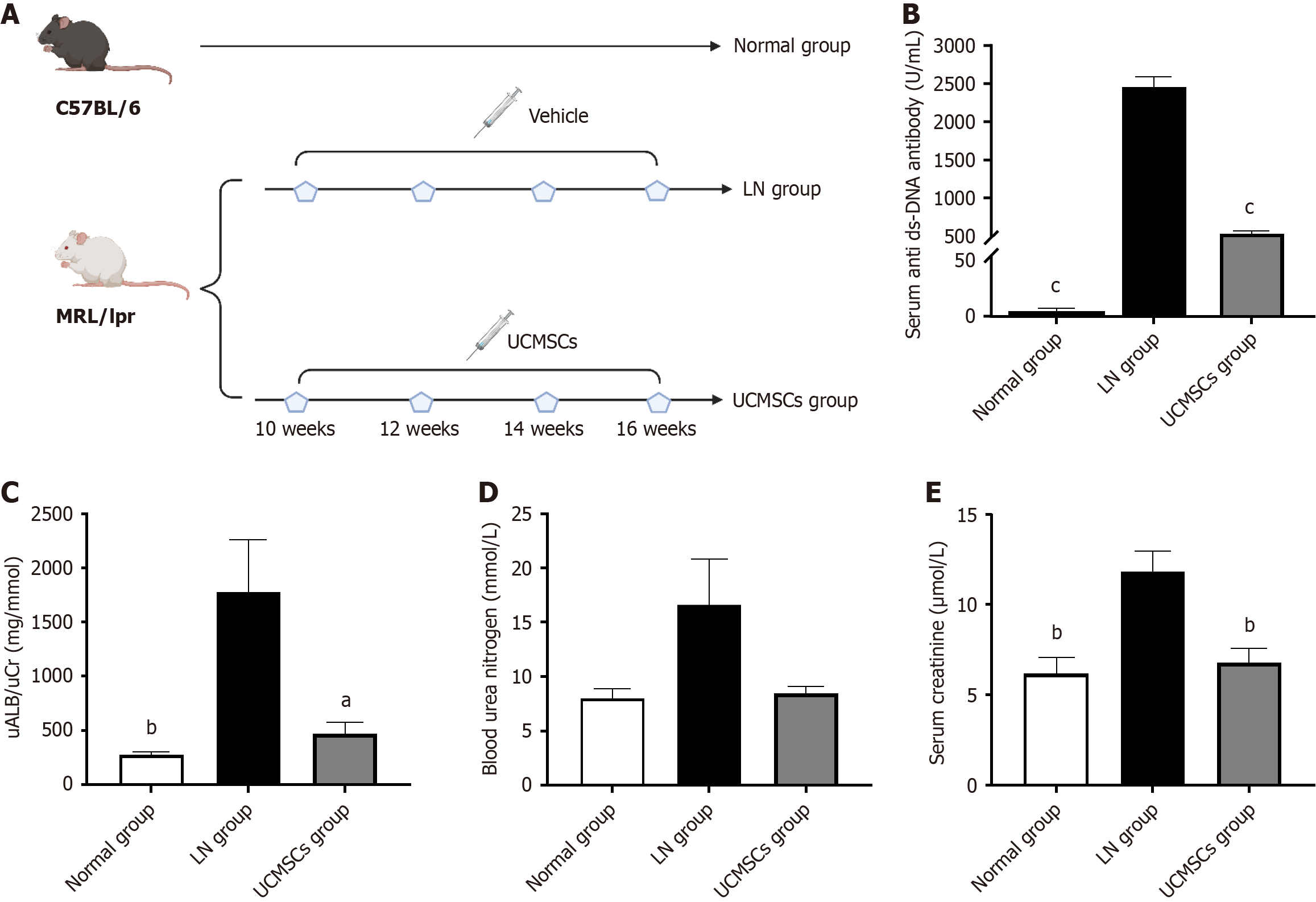
Figure 2 Comparing the results of biochemical measurements changes to renal function, serum dsDNA and proteinuria levels.
A: Schematic illustration of umbilical cord mesenchymal stem cells treatment in MRL/Lpr mice; B: Serum dsDNA level (U/mL); C: Urinary albumin/urinary creatinine ratio level (mg/mmoL); D: Blood urea nitrogen level (mmol/L); E: Serum creatinine level (μmol/L). All data was expressed as mean ± SEM, aP < 0.05 vs lupus nephritis group, bP < 0.01 vs lupus nephritis group, cP < 0.001 vs lupus nephritis group. LN: Lupus nephritis; UCMSCs: Umbilical cord mesenchymal stem cells; uALB: Urinary albumin; uCr: Urinary creatinine.
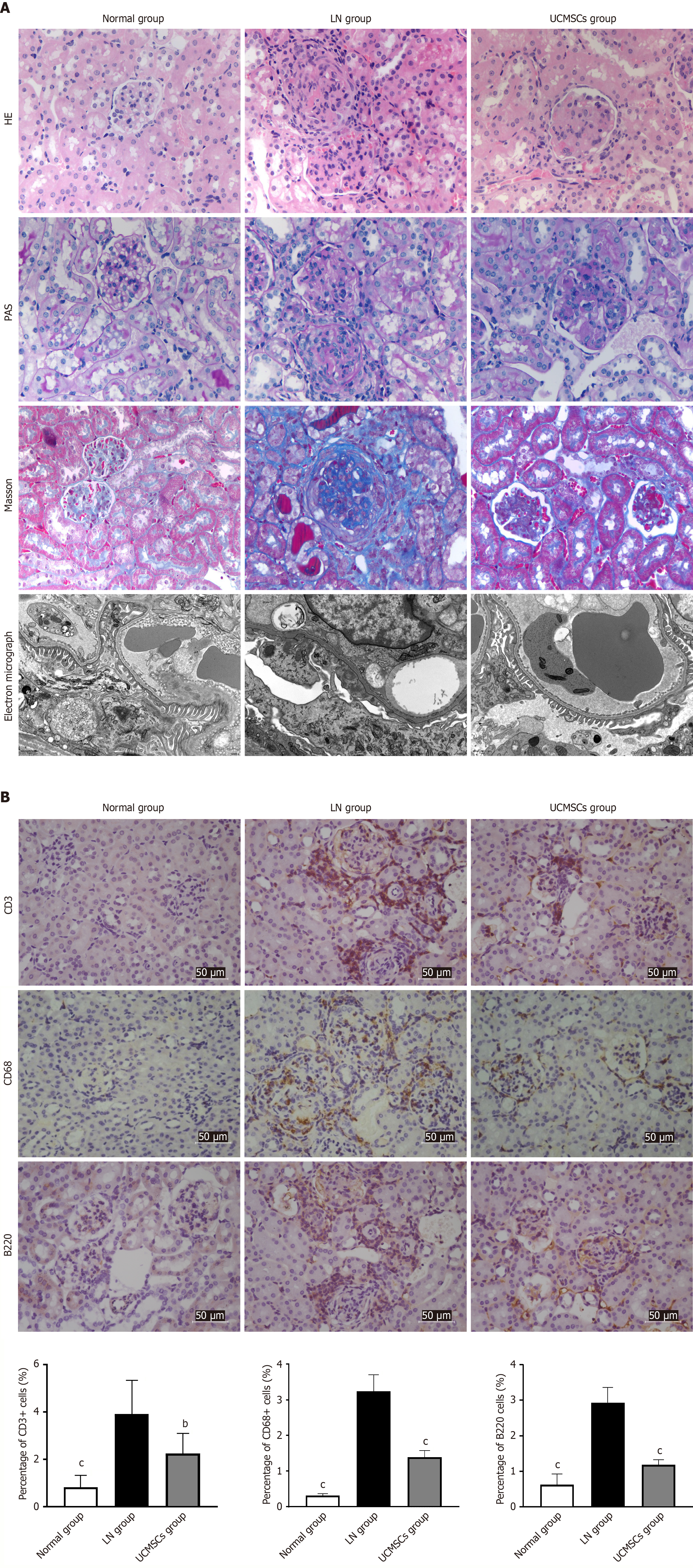
Figure 3 Results of renal tissue pathology and electron microscopy.
A: Pathological and electron microscopy results of renal tissue. Hematoxylin and eosin staining (1st line, 400 ×), periodic acid-Schiff staining (2nd line, 400 ×), Masson’s trichrome staining (3rd line, 400 ×) and electron microscopy (4th line, 12000 ×). Normal group (1st column), lupus nephritis group (2nd column), and umbilical cord mesenchymal stem cells group (3rd column) were used; B: Immunohistochemical staining and statistical results of CD3, CD68 and B220 in mice kidney tissue. All data was expressed as mean ± SEM, bP < 0.01 vs lupus nephritis group, cP < 0.001 vs lupus nephritis group. LN: Lupus nephritis; UCMSCs: Umbilical cord mesenchymal stem cells; HE: Hematoxylin and eosin; PAS: Periodic acid-Schiff.
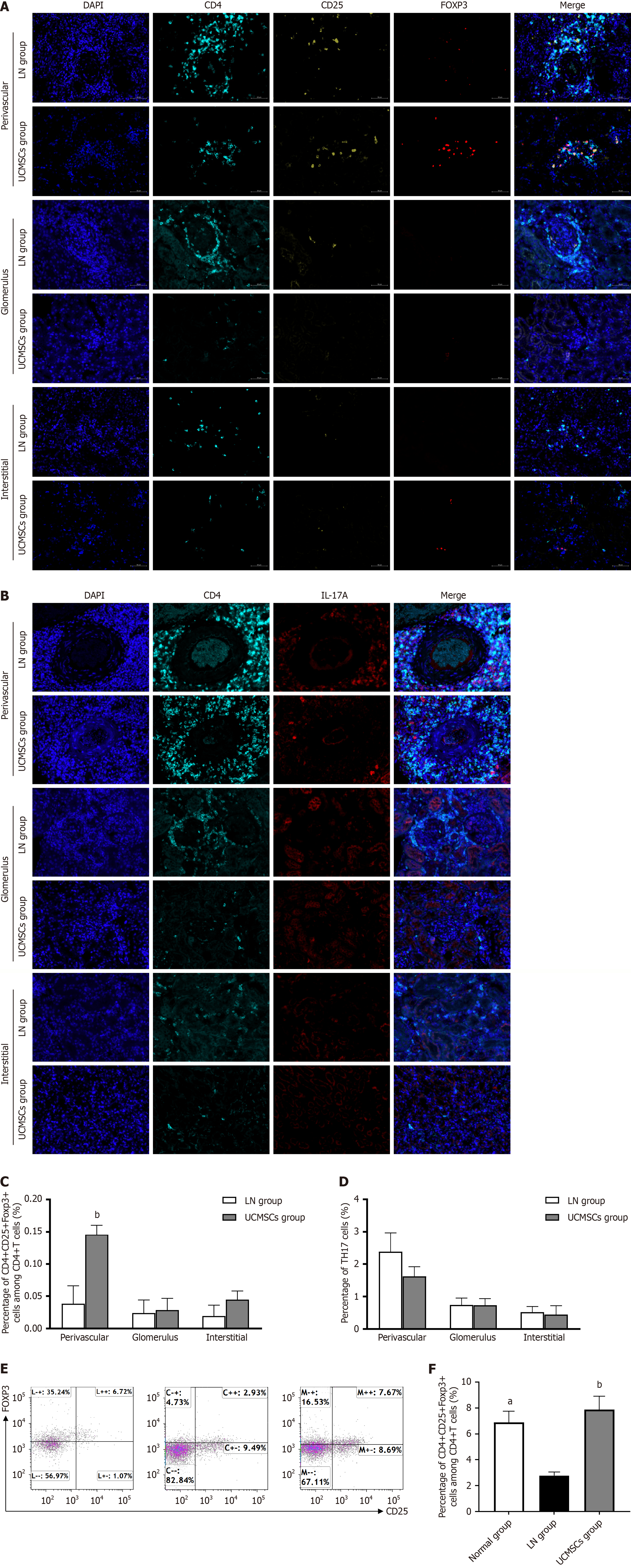
Figure 4 Changes in immune cells in the spleens and kidney tissues of MRL/Ipr mice.
A-D: Multiple immunofluorescence and quantitative analysis of regulatory T (Treg) (CD4+CD25+Foxp3+) (A and C); multiple immunofluorescence and quantitative analysis of T helper 17 (IL-17A+CD4+) (B and D); E: Flow cytometric analysis of the percentages of Treg (CD4+CD25+Foxp3+) in the spleen; F: Quantitative analysis of the percentages of Treg in the spleen. All data were expressed as mean ± SEM, aP < 0.05 vs lupus nephritis group, bP < 0.01 vs lupus nephritis group. LN: Lupus nephritis; UCMSCs: Umbilical cord mesenchymal stem cells; IL: Interleukin.
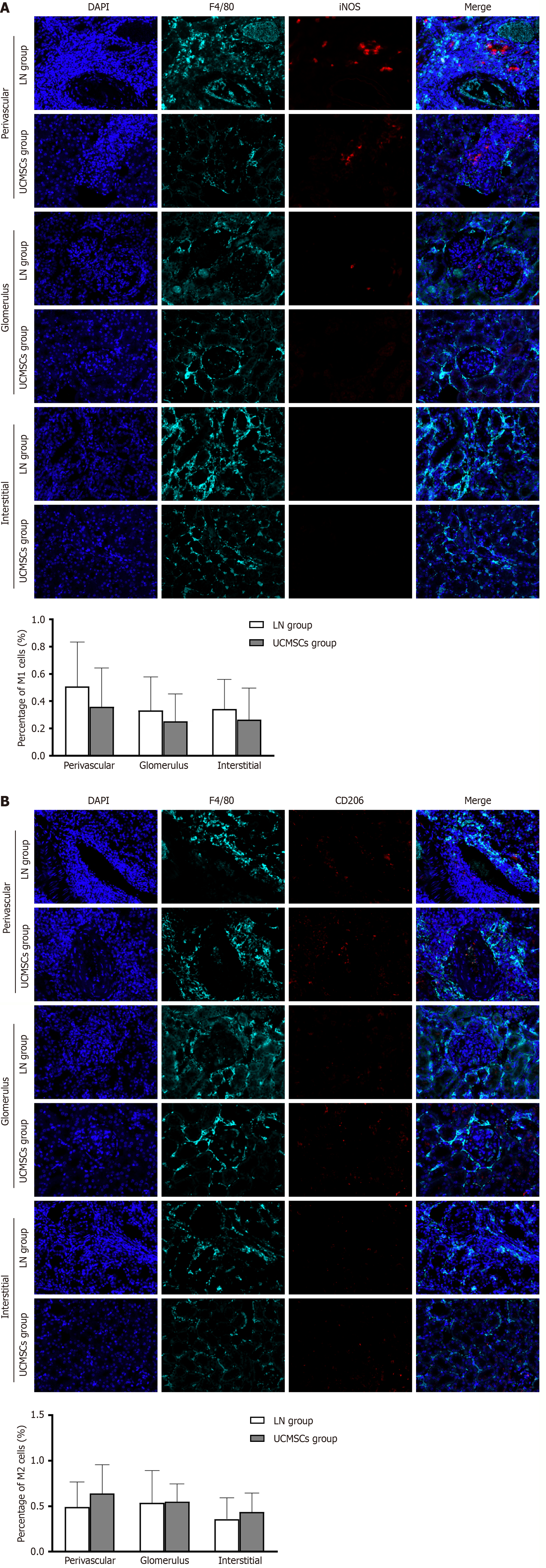
Figure 5 Macrophage infiltration in mice kidney tissue.
A: Multiplex immunofluorescence and quantitative analysis of M1 macrophages (F4/80+ iNOS+); B: Multiplex immunofluorescence and quantitative analysis of M2 macrophages (F4/80+ CD206+). LN: Lupus nephritis; UCMSCs: Umbilical cord mesenchymal stem cells; iNOS: Inducible nitric oxide synthase.
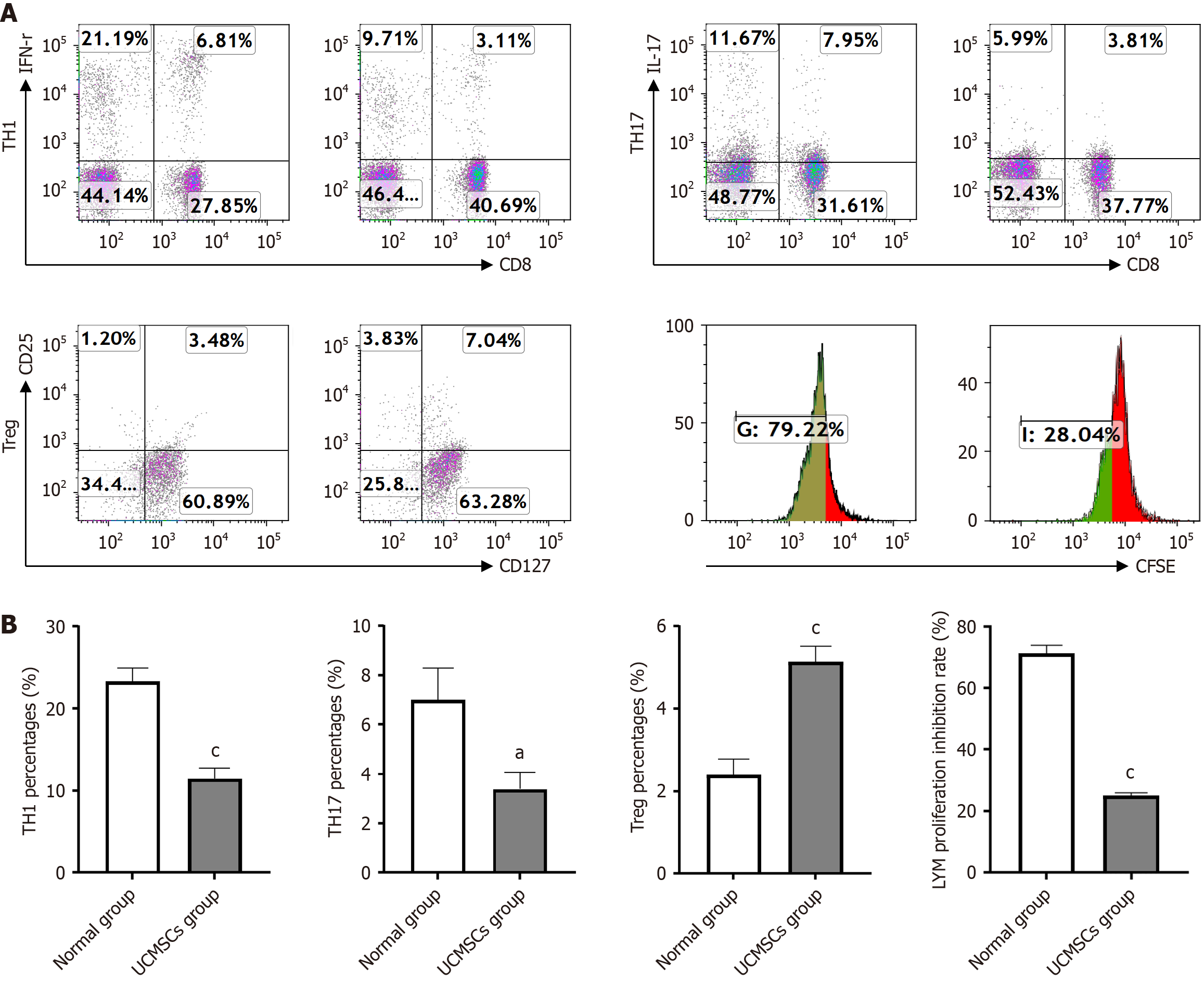
Figure 6 Changes in the percentages of immune cells after coculture of umbilical cord mesenchymal stem cells and peripheral blood mononuclear cells.
A: Flow cytometry was used to analyse the proliferation of Carboxy Fluorescein Succinimidyl Ester-labelled lymphocytes and changes in the percentages of T helper 1 (TH1), TH17, and regulatory T cells after coculture of umbilical cord mesenchymal stem cells and peripheral blood mononuclear cell; B: Quantitative analysis of the percentages of TH1 cells, TH17 cells and regulatory T after co-culture of umbilical cord mesenchymal stem cells and peripheral blood mononuclear cell. All data was expressed as mean ± SEM, aP < 0.05 vs lupus nephritis group, cP < 0.001 vs lupus nephritis group. TH1: T helper 1; Treg: Regulatory T; IFN: Interferon; IL: Interleukin; CFSE: Carboxy Fluorescein Succinimidyl Ester; UCMSCs: Umbilical cord mesenchymal stem cells.
- Citation: He LJ, Meng MY, Huang CK, Liu SY, Wang P, Long W, Gao H, Yang LS, He S, He Y, Guo YF, Zhao YY, Liu Y, Hu LR, Li L, Hou ZL, Wang WJ, Wang XD. Mesenchymal stem cells alleviate renal injury of lupus nephritis mice by reconstructing the immune microenvironment of renal tissue. World J Stem Cells 2026; 18(4): 115446
- URL: https://www.wjgnet.com/1948-0210/full/v18/i4/115446.htm
- DOI: https://dx.doi.org/10.4252/wjsc.v18.i4.115446