















Copyright: ©Author(s) 2026.
World J Stem Cells. Mar 26, 2026; 18(3): 118401
Published online Mar 26, 2026. doi: 10.4252/wjsc.v18.i3.118401
Published online Mar 26, 2026. doi: 10.4252/wjsc.v18.i3.118401
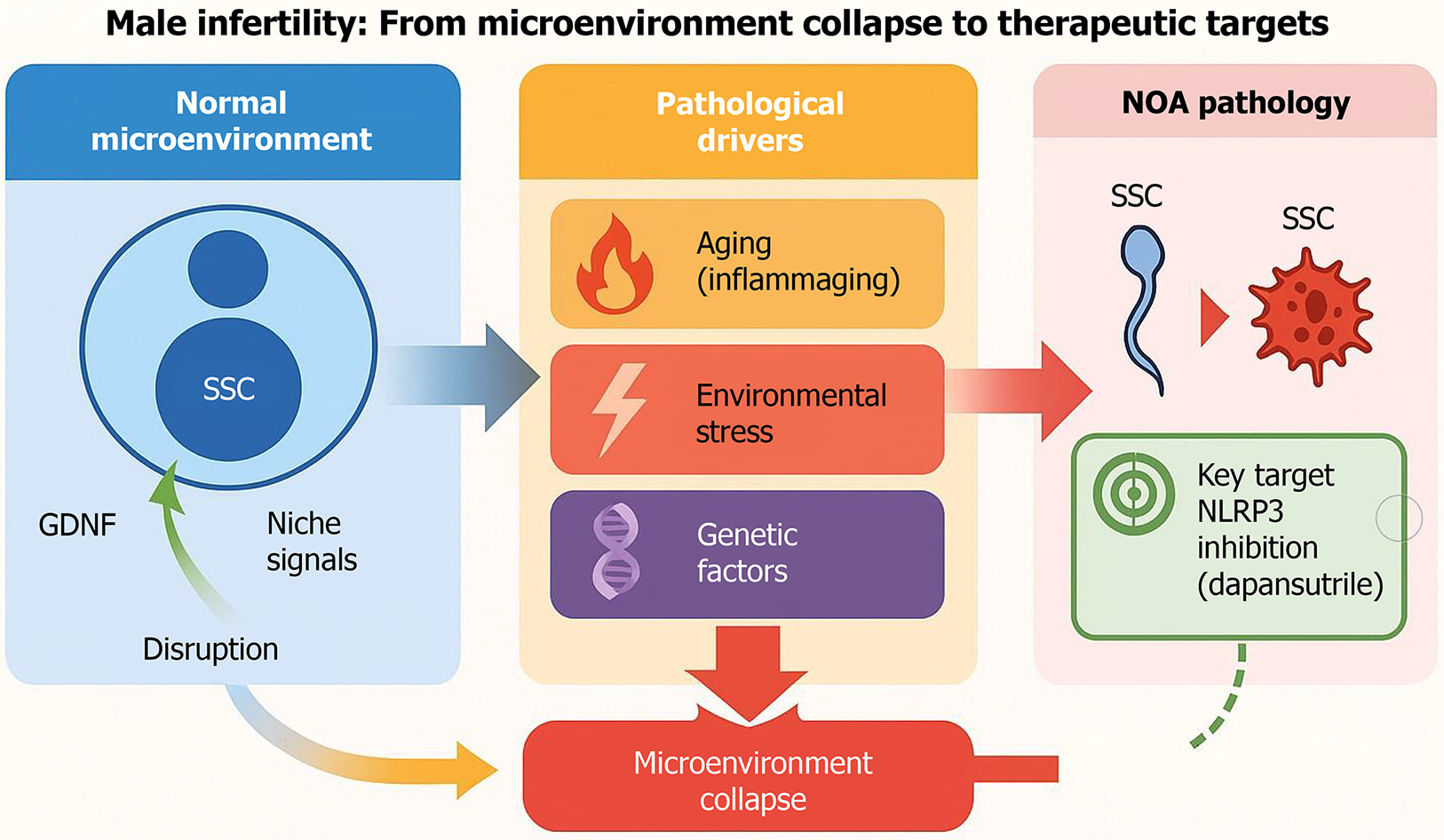
Figure 1 Multi-layered pathological mechanisms of male infertility revealed by single-cell transcriptomics.
The pathological cascade initiates with testicular niche dysfunction (Sertoli cell maturation arrest, M1-like macrophage polarization, Leydig cell decline), amplified by endogenous aging and environmental exposures, converging on NLRP3 inflammasome and mammalian target of rapamycin pathway activation. This leads to spermatogonial stem cell depletion and spermatogenic failure. Genetic variants and transgenerational epigenetic inheritance via sperm small non-coding RNAs further modulate susceptibility. Red denotes pathological states; blue indicates therapeutic intervention points. SSC: Spermatogonial stem cell; NOA: Non-obstructive azoospermia.
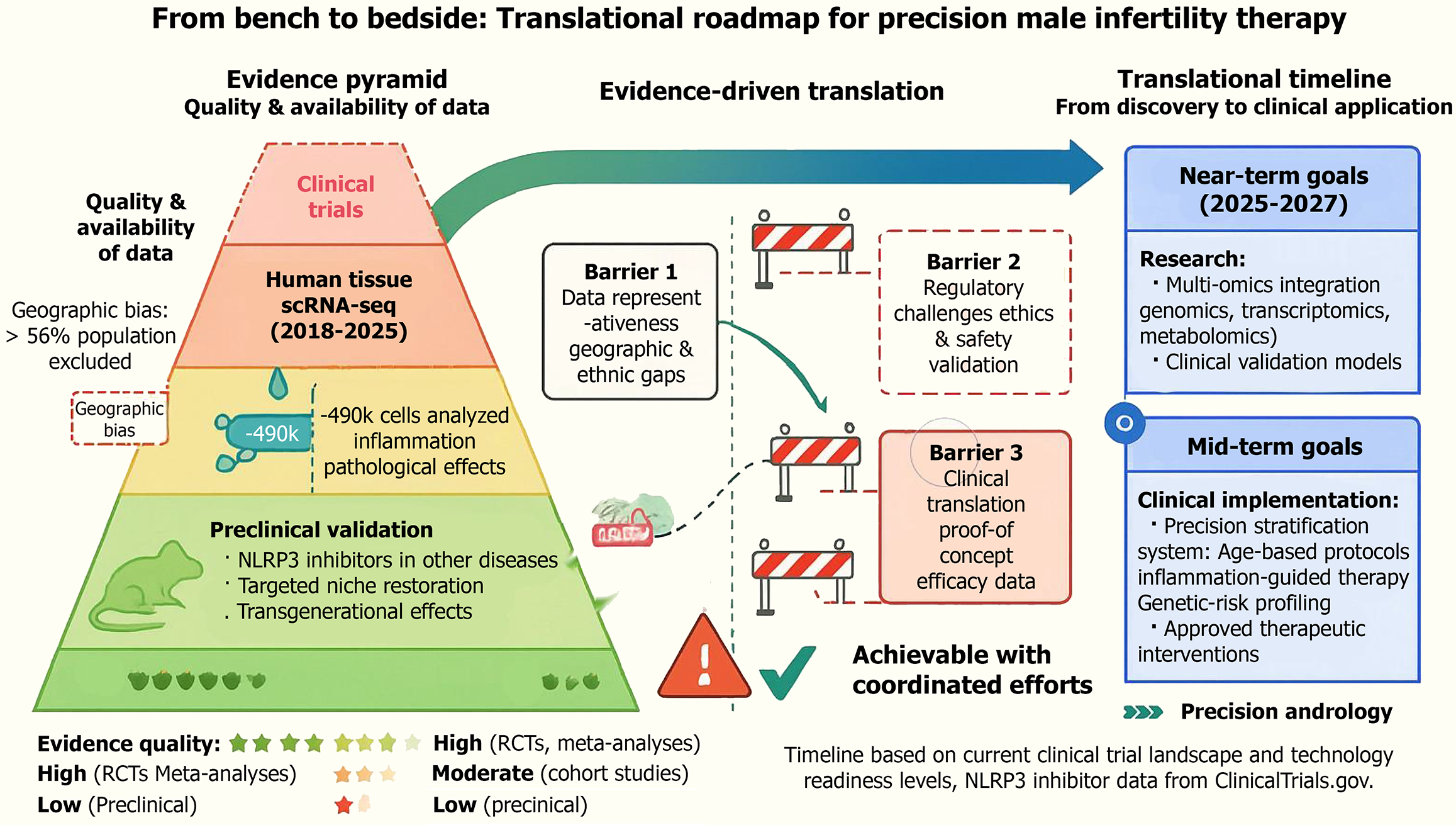
Figure 2 Translational barriers from single-cell discoveries to clinical implementation.
The translational gap comprises three interconnected barriers: Technical limitations (batch effects, spatial information loss), data biases (geographic underrepresentation of non-European populations risking therapy failures in neglected groups), and ethical/socioeconomic challenges (germline editing concerns, healthcare inequity, data privacy). Bridging this gap requires globally diverse cohorts, bias-aware artificial intelligence integration, and equitable governance frameworks. scRNA-seq: Single-cell RNA sequencing; RCT: Randomised controlled trial.
- Citation: Ying ZK, Xu XY, Hu JW, Cui Y, Jiang DW. Single-cell transcriptomics reveals a spermatogonial stem cell-centered spermatogenic microenvironment: Pathophysiological mechanisms and therapeutic targets in male infertility. World J Stem Cells 2026; 18(3): 118401
- URL: https://www.wjgnet.com/1948-0210/full/v18/i3/118401.htm
- DOI: https://dx.doi.org/10.4252/wjsc.v18.i3.118401