
















©The Author(s) 2025.
World J Stem Cells. Dec 26, 2025; 17(12): 114076
Published online Dec 26, 2025. doi: 10.4252/wjsc.v17.i12.114076
Published online Dec 26, 2025. doi: 10.4252/wjsc.v17.i12.114076
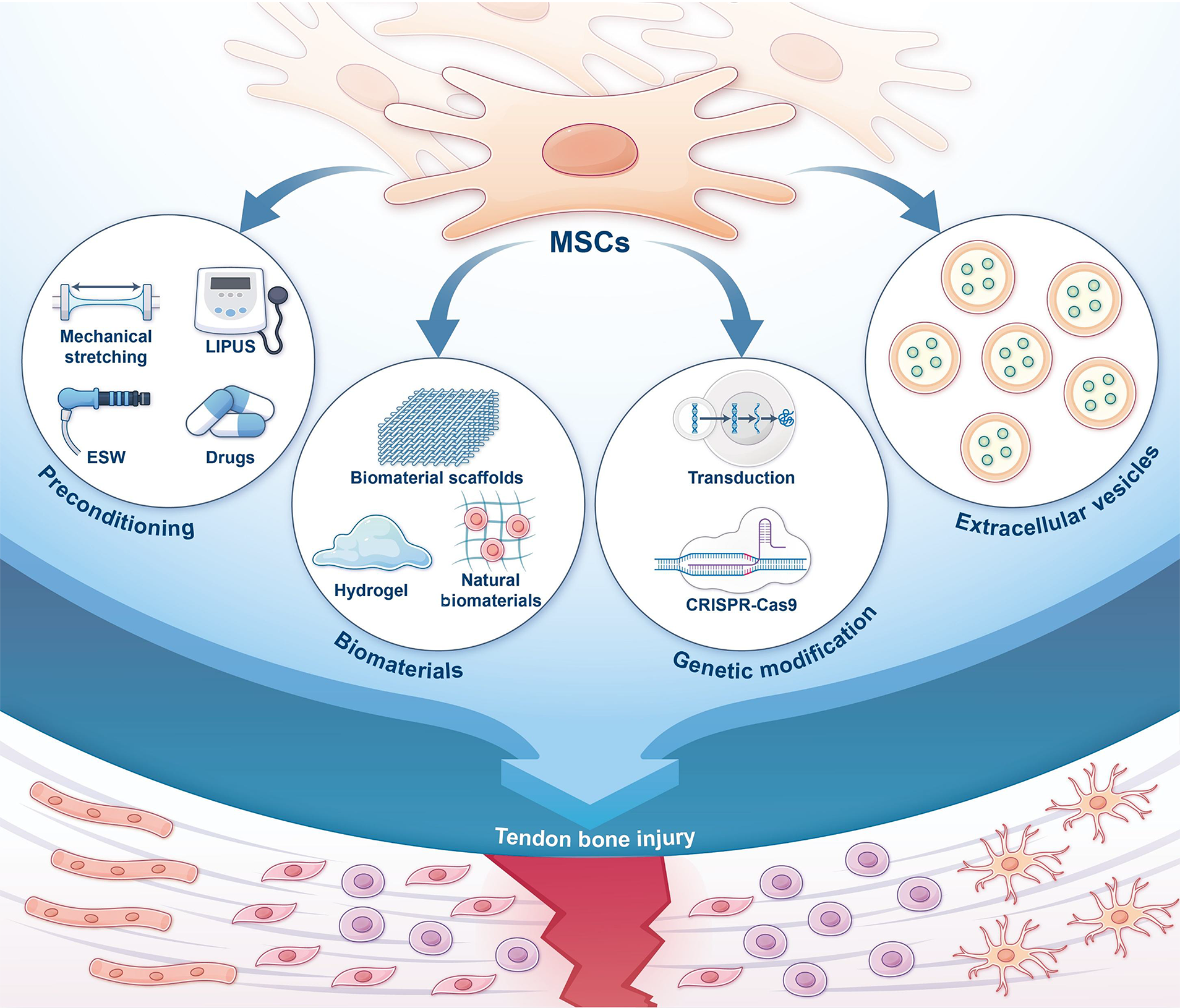
Figure 1 Multiple approaches to improve mesenchymal stem cell-mediated tendon-bone healing.
Current strategies to enhance mesenchymal stem cell (MSC)-based treatment for tendon-bone healing can be broadly categorized into four approaches: Preconditioning of MSCs; combination with biomaterials; genetic modification; and the use of MSC-derived exosomes. MSC: Mesenchymal stem cell; LIPUS: Low-intensity pulsed ultrasound; ESW: Extracorporeal shock wave.
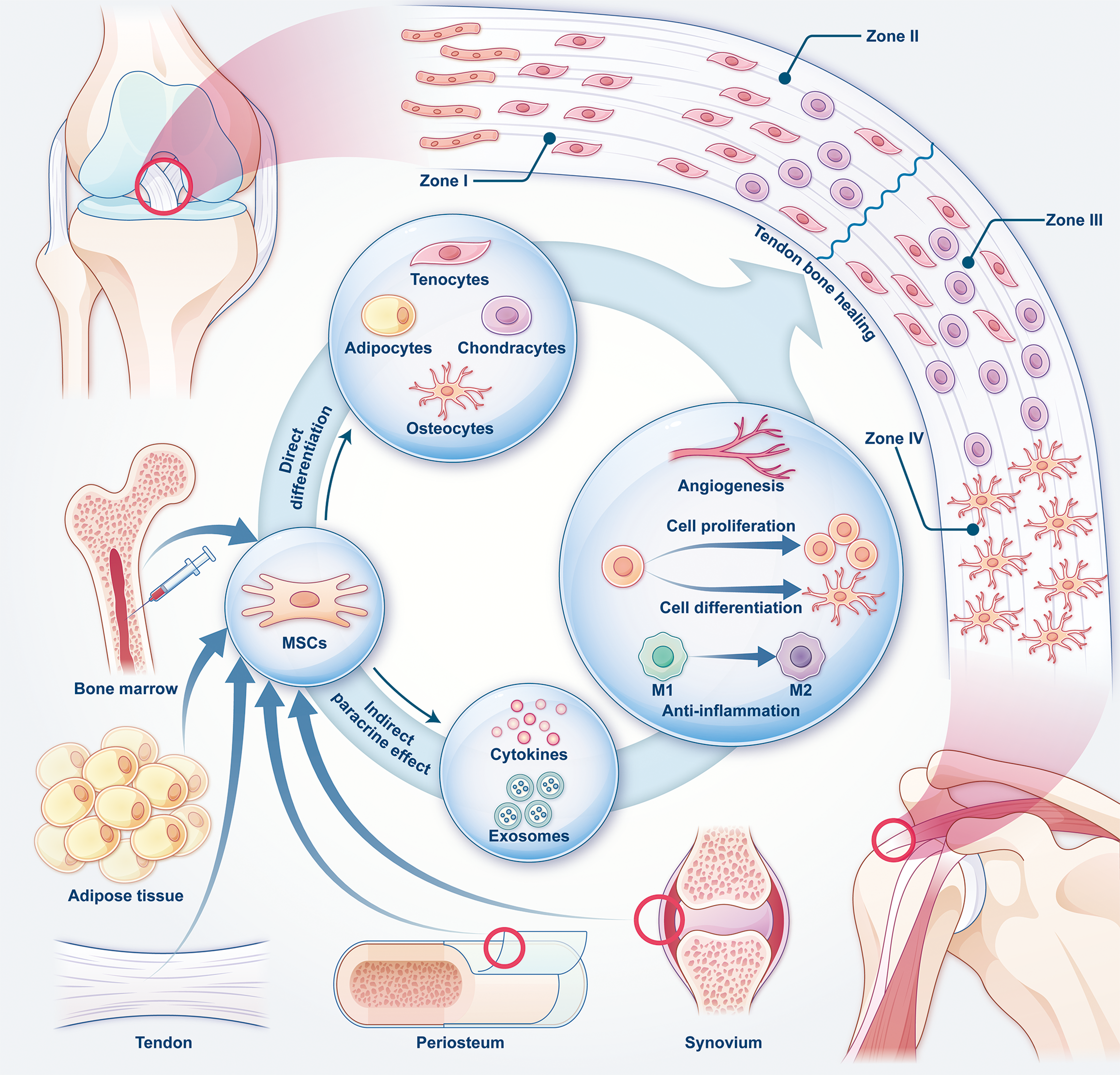
Figure 2 Gradient structure of tendon-bone insertion and the mechanism of mesenchymal stem cells promoting tendon-bone healing.
Mesenchymal stem cells derived from various tissues promote the regeneration of the four-layered structure of the anterior cruciate ligament and rotator cuff through direct differentiation and paracrine signaling mechanisms. MSC: Mesenchymal stem cell.
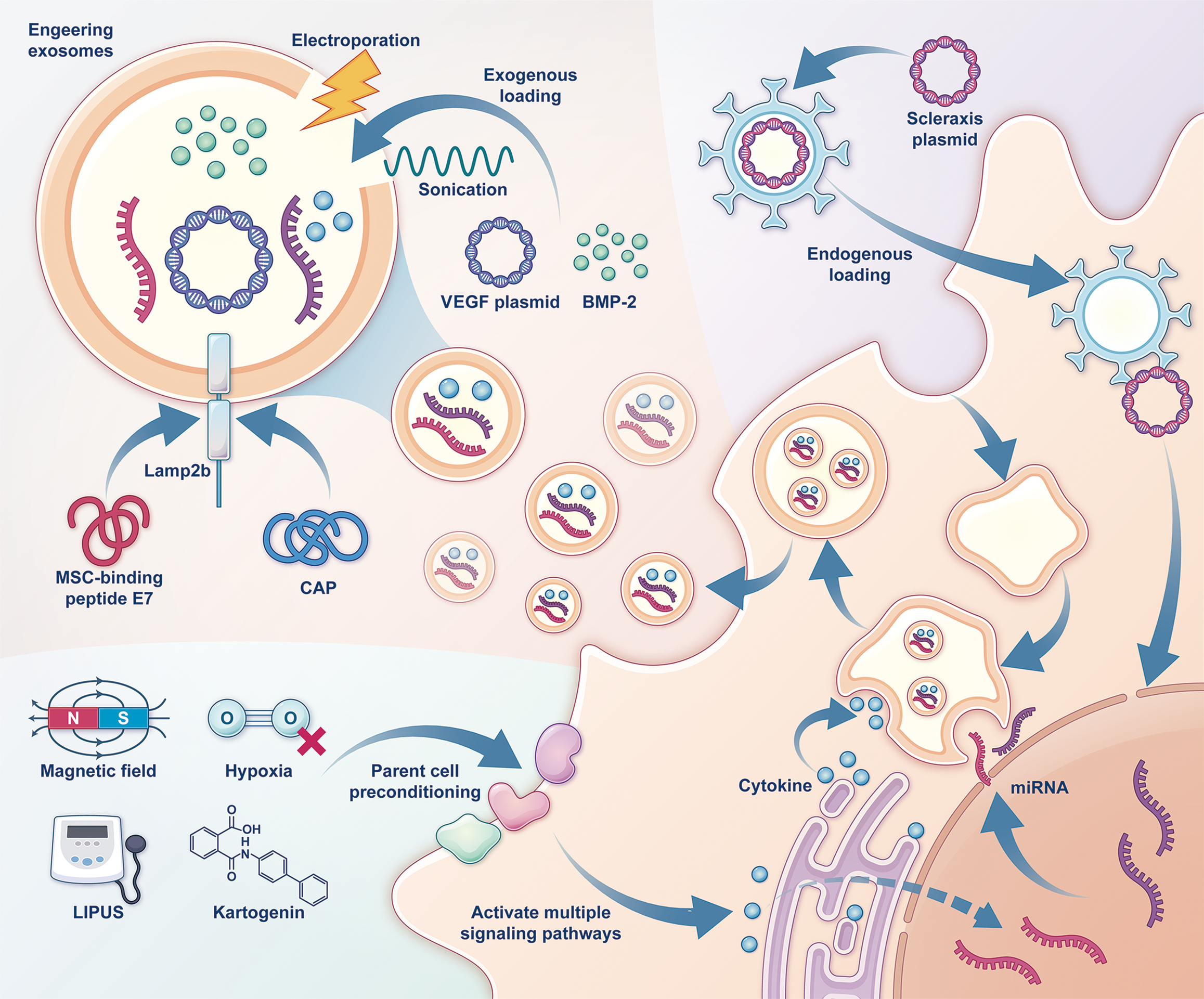
Figure 3 Methods for engineering exosomes preconditioning and endogenous loading guide parent cells to produce exosomes enriched with desired proteins and nucleic acids.
Exogenous loading modifies isolated exosomes to carry target molecules or to recognize specific cells through peptide-linked surface sites. VEGF: Vascular endothelial growth factor; BMP-2: Bone morphogenetic protein 2; MSC: Mesenchymal stem cell; CAP: Cartilage affinity peptide; LIPUS: Low-intensity pulsed ultrasound; miRNA: MicroRNA.
- Citation: Li H, Li ZP, Zhu MT, Lan CH, Wang YX, Liao P, Chen Z, Wang P, Sun JK, Shi Z, Lu PY, Lou C, Xu GH. Optimizing mesenchymal stem cell therapy for tendon-bone healing: Multifaceted approaches and future directions. World J Stem Cells 2025; 17(12): 114076
- URL: https://www.wjgnet.com/1948-0210/full/v17/i12/114076.htm
- DOI: https://dx.doi.org/10.4252/wjsc.v17.i12.114076