
















©Author(s) (or their employer(s)) 2026.
World J Gastroenterol. Mar 7, 2026; 32(9): 115259
Published online Mar 7, 2026. doi: 10.3748/wjg.v32.i9.115259
Published online Mar 7, 2026. doi: 10.3748/wjg.v32.i9.115259
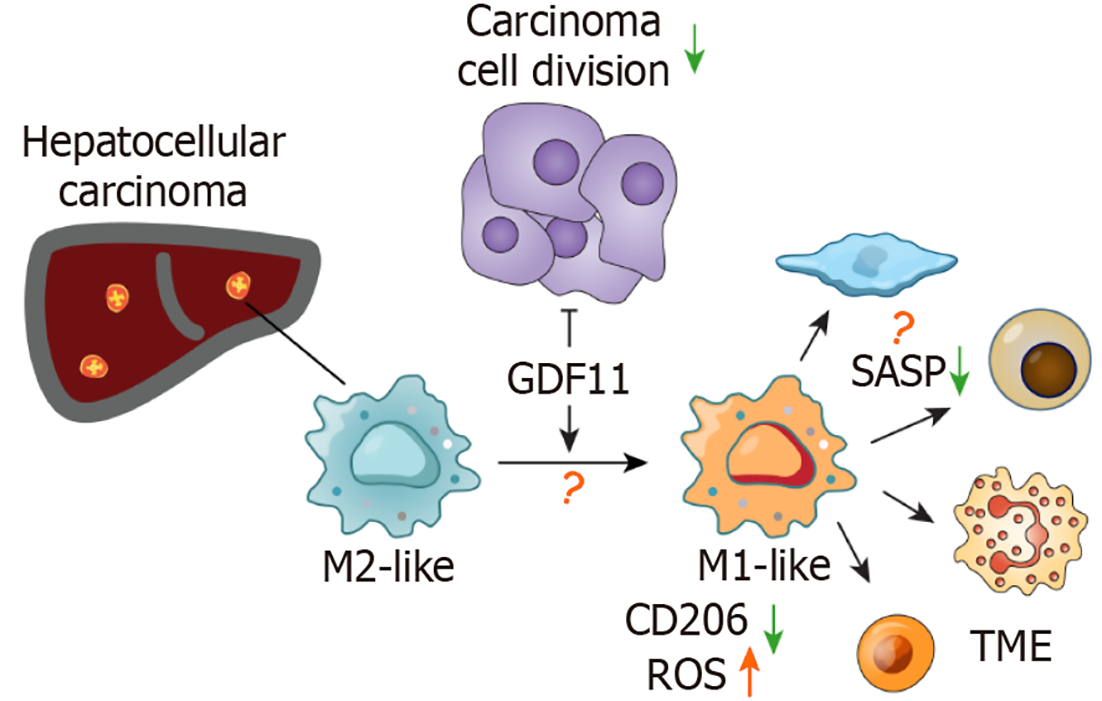
Figure 1 This intriguing concept of “rejuvenation therapy” for the immune microenvironment warrants extensive future investigation.
In the immunosuppressive tumor microenvironment, pro-tumoral M2-like macrophages promote cancer cell proliferation. growth differentiation factor 11 counteracts this by directly suppressing tumor growth and simultaneously reprogramming M2-like macrophages toward an anti-tumoral M1-like state. This reprogramming is characterized by the downregulation of the M2 marker CD206 and an increase in reactive oxygen species. Future investigations will determine the roles of underlying metabolic rewiring, epigenetic reprogramming, and the potential for growth differentiation factor 11 to suppress a pro-tumoral senescence-associated secretory phenotype. GDF11: Growth differentiation factor 11; ROS: Reactive oxygen species; SASP: Senescence-associated secretory phenotype; TME: Tumor mic
- Citation: Huang HY, Tian L. Kill two birds with one stone: Reprogramming tumor microenvironment with growth differentiation factor 11. World J Gastroenterol 2026; 32(9): 115259
- URL: https://www.wjgnet.com/1007-9327/full/v32/i9/115259.htm
- DOI: https://dx.doi.org/10.3748/wjg.v32.i9.115259