
















©The Author(s) 2026.
World J Gastroenterol. Feb 14, 2026; 32(6): 114600
Published online Feb 14, 2026. doi: 10.3748/wjg.v32.i6.114600
Published online Feb 14, 2026. doi: 10.3748/wjg.v32.i6.114600
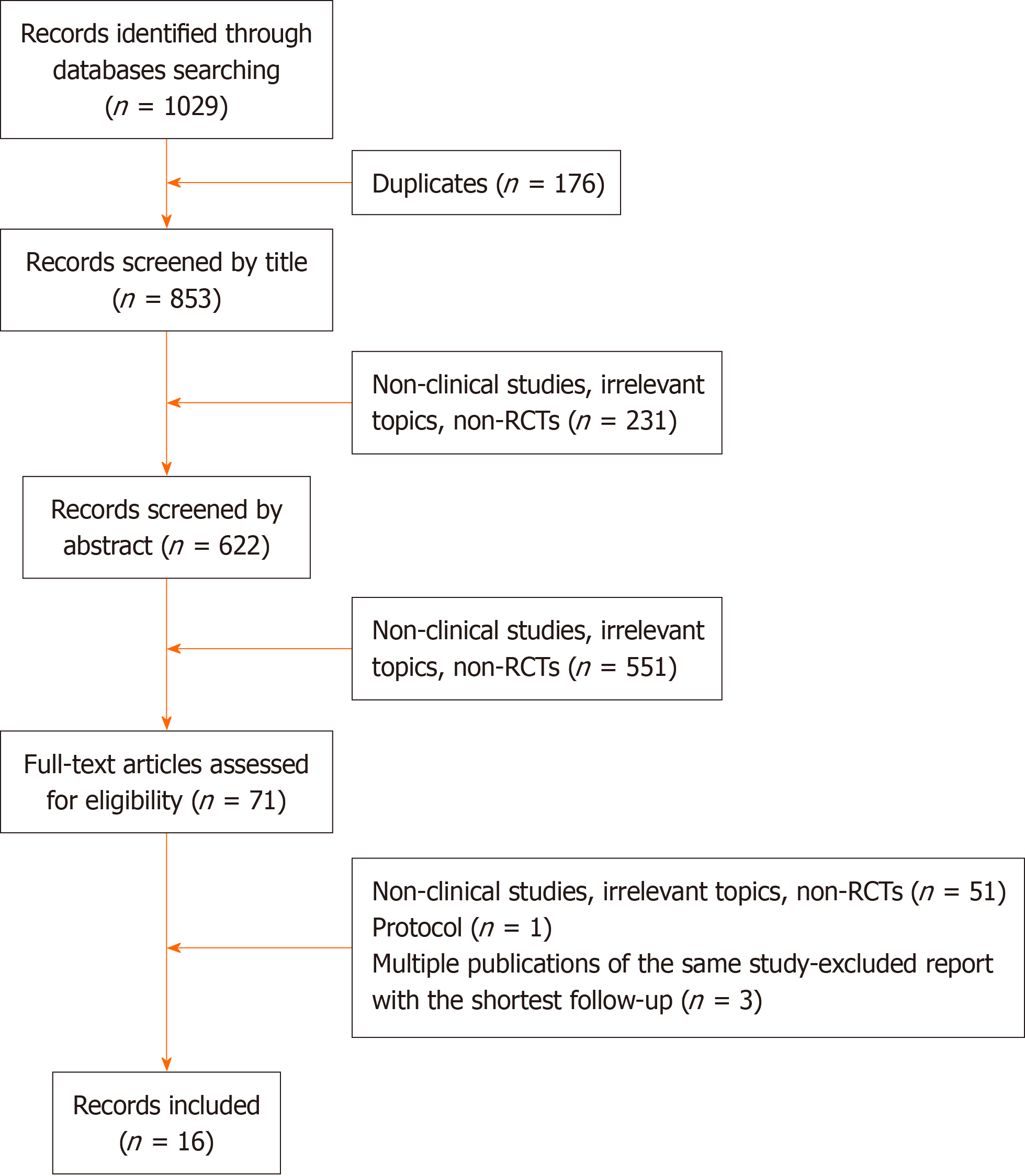
Figure 1
Literature screening process.
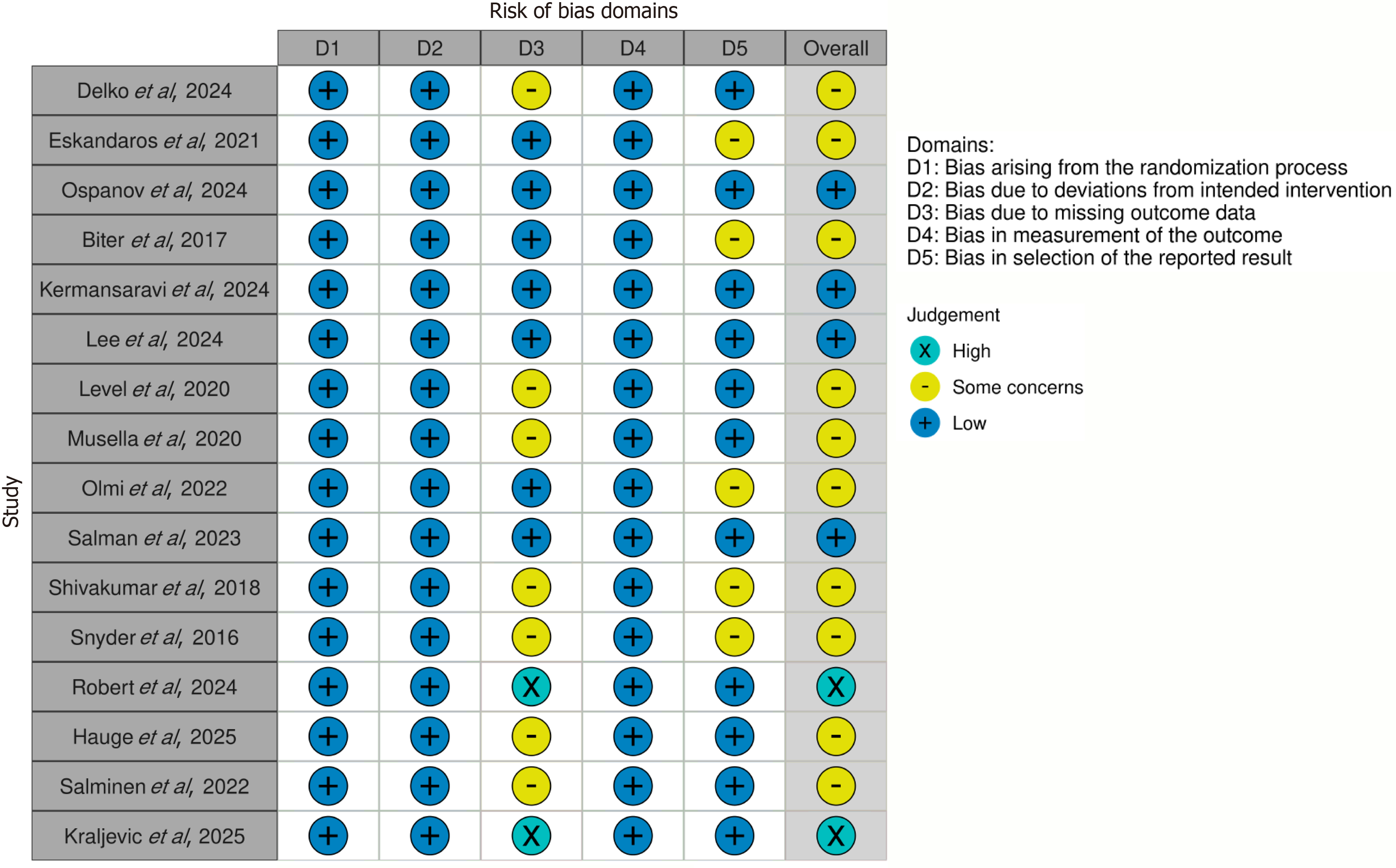
Figure 2
Traffic light plot showing the risk of bias assessment of the included studies.

Figure 3
Risk of bias traffic light plot for the included studies.
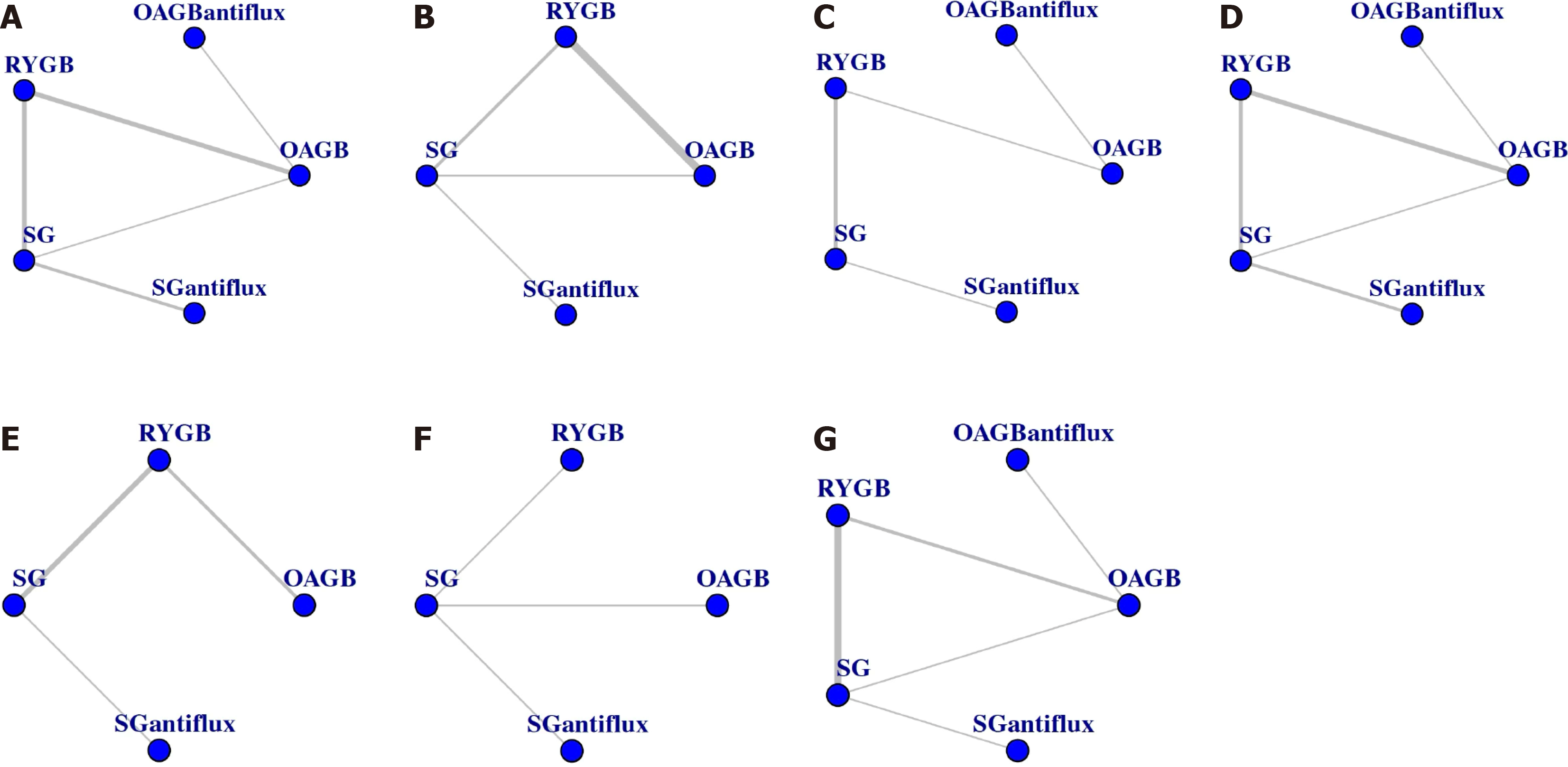
Figure 4 Network plot of the direct comparisons among the included interventions.
A: Body mass index reduction; B: Percent excess weight loss; C: Gastroesophageal reflux disease remission; D: Gastroesophageal reflux disease onset; E: Change in proton pump inhibitor usage; F: Change in esophagitis; G: Complication. The line thickness represents the number of studies comparing the connected interventions. OAGB: One-anastomosis gastric bypass; RYGB: Roux-en-Y gastric bypass; SG: Sleeve gastrectomy.
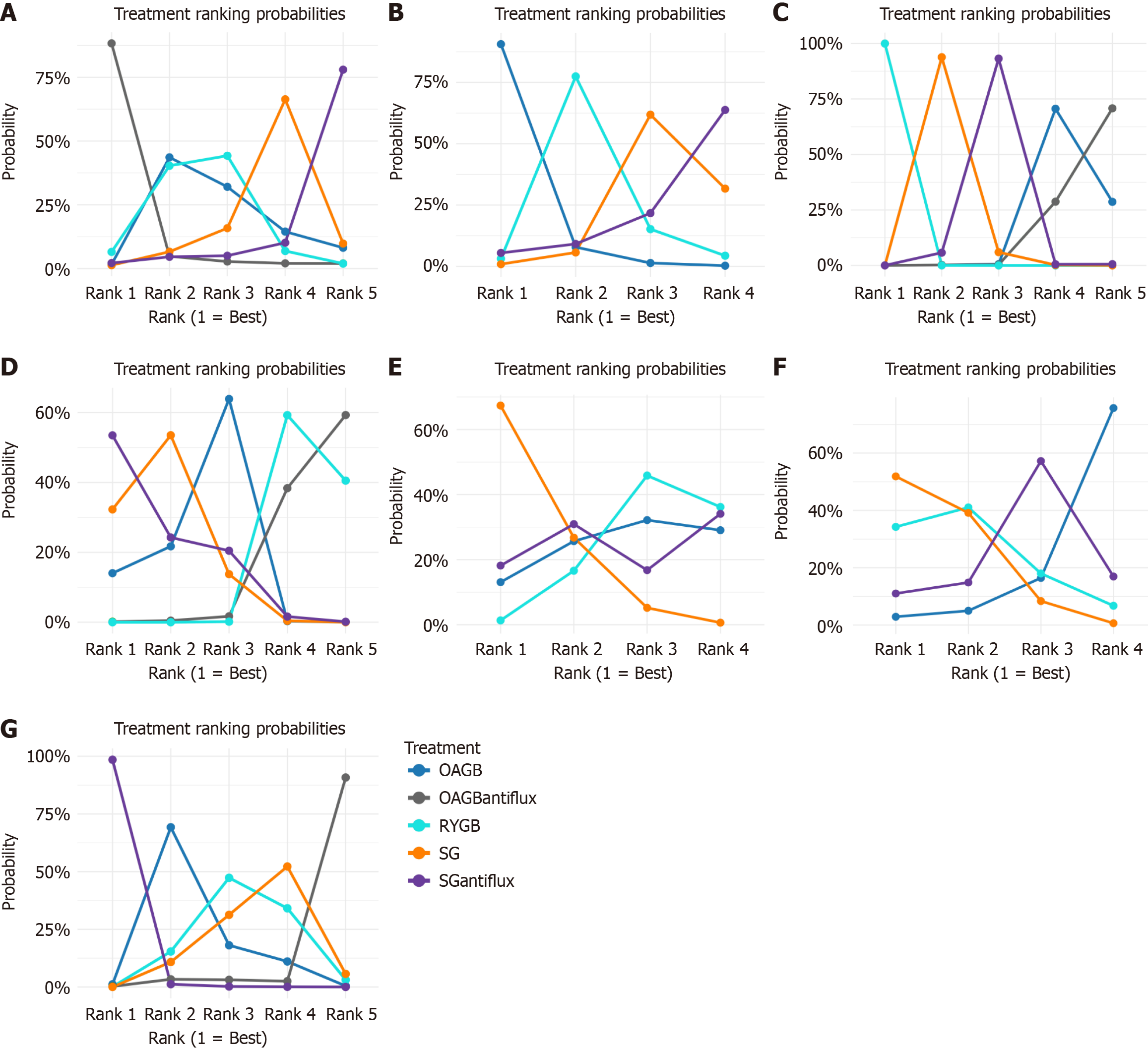
Figure 5 Surface under the cumulative ranking curve plot showing the probability of each intervention as the most effective.
A: Body mass index reduction; B: Percent excess weight loss; C: Gastroesophageal reflux disease remission; D: Gastroesophageal reflux disease onset; E: Change in the proton pump inhibitor usage; F: Change in esophagitis; G: Complication. Higher surface under the cumulative ranking curve values indicates a higher likelihood of being the best treatment. OAGB: One-anastomosis gastric bypass; RYGB: Roux-en-Y gastric bypass; SG: Sleeve gastrectomy.
- Citation: Xing Y, Yan WM, Bai RX. Effects of bariatric surgery on obesity associated gastroesophageal reflux disease: Insights from a systematic review and network meta-analysis. World J Gastroenterol 2026; 32(6): 114600
- URL: https://www.wjgnet.com/1007-9327/full/v32/i6/114600.htm
- DOI: https://dx.doi.org/10.3748/wjg.v32.i6.114600