
















©The Author(s) 2026.
World J Gastroenterol. Jan 21, 2026; 32(3): 111528
Published online Jan 21, 2026. doi: 10.3748/wjg.v32.i3.111528
Published online Jan 21, 2026. doi: 10.3748/wjg.v32.i3.111528
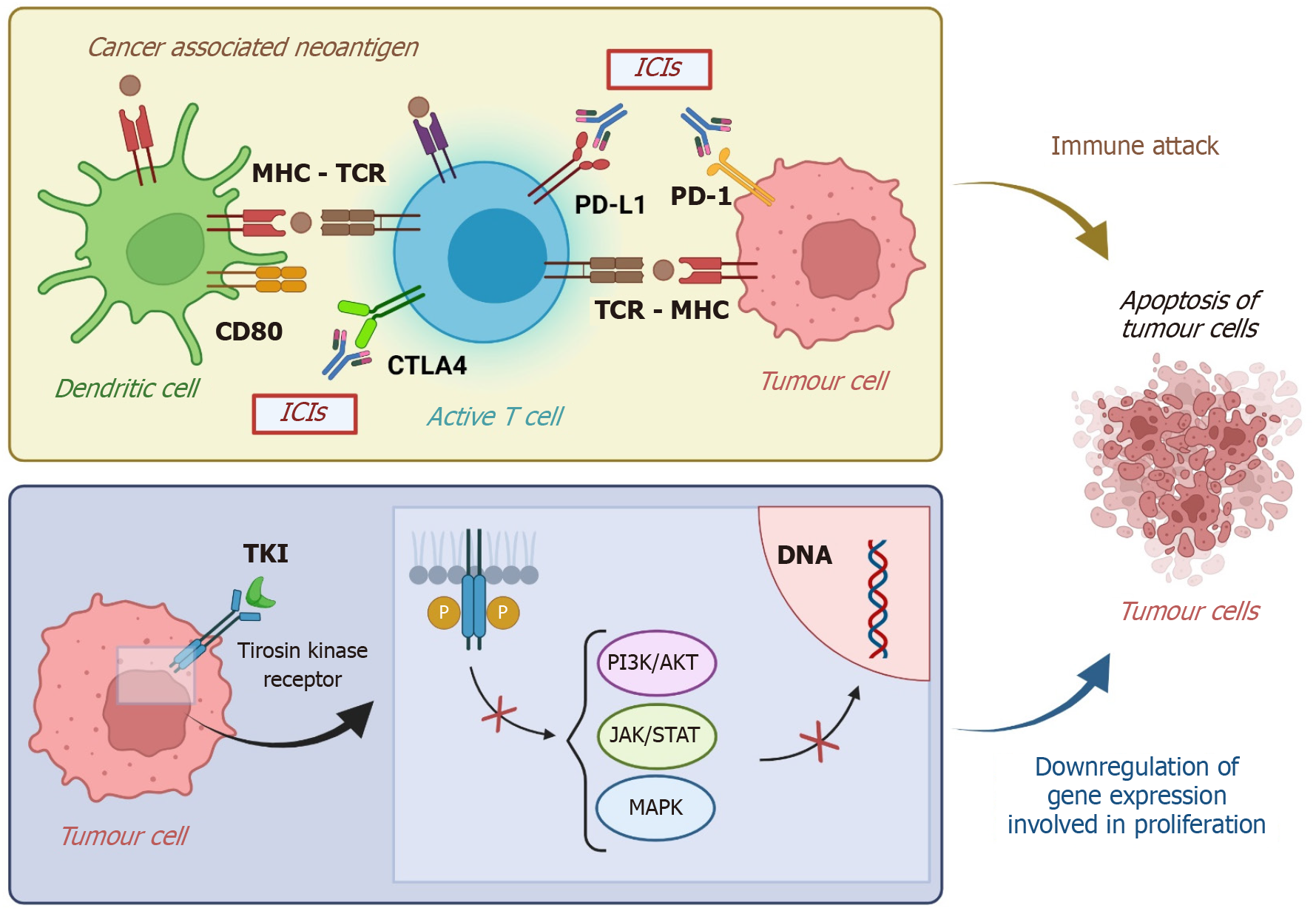
Figure 1 Rationale for combining immune checkpoint inhibitors and tyrosine kinase inhibitors for the treatment of hepatocellular carcinoma.
MHC: Major histocompatibility complex; TCR: T-cell receptor; CD: Cluster of differentiation; ICIs: Immune checkpoint inhibitors; CTLA-4: Cytotoxic T-lymphocyte antigen 4; PD-1: Programmed death-1; PD-L1: Programmed cell death ligand 1; TKI: Tyrosine kinase inhibitor; PI3K: Phosphatidylinositol 3-kinase; AKT: Protein kinase B; JAK: Janus tyrosine kinase; STAT: Signal transducer and activator of transcription; MAPK: Mitogen-activated protein kinase.
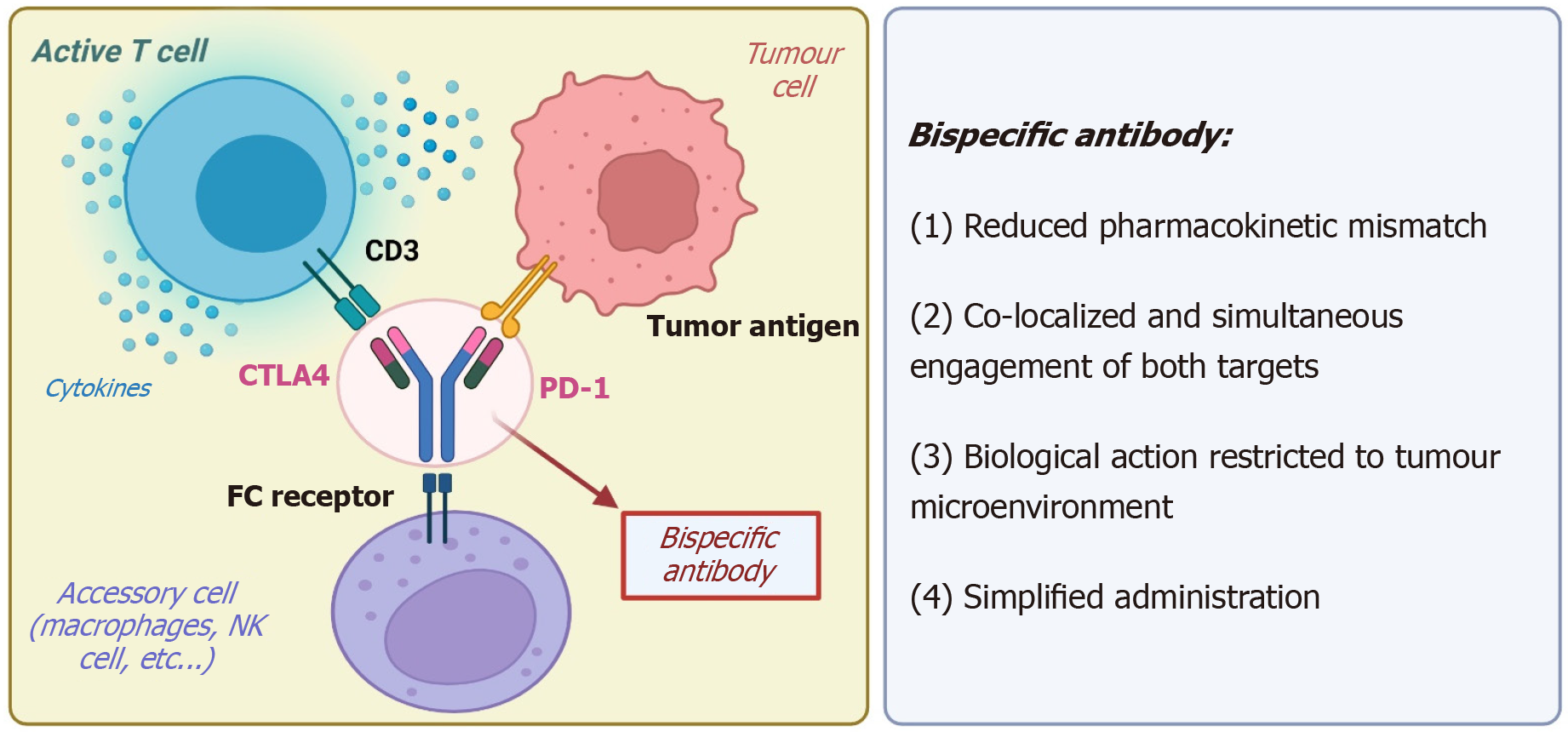
Figure 2 Mechanism of action of bispecific antibodies and their theoretical advantages over the administration of two separate mono
- Citation: Ascari S, Chen R, De Sinno A, Stefanini B, Cescon M, Serenari M, Mosconi C, Tovoli F. Post-immunotherapy second-line strategies for hepatocellular carcinoma: State of the art and ongoing trials. World J Gastroenterol 2026; 32(3): 111528
- URL: https://www.wjgnet.com/1007-9327/full/v32/i3/111528.htm
- DOI: https://dx.doi.org/10.3748/wjg.v32.i3.111528