
















©The Author(s) 2025.
World J Gastroenterol. Dec 28, 2025; 31(48): 113840
Published online Dec 28, 2025. doi: 10.3748/wjg.v31.i48.113840
Published online Dec 28, 2025. doi: 10.3748/wjg.v31.i48.113840
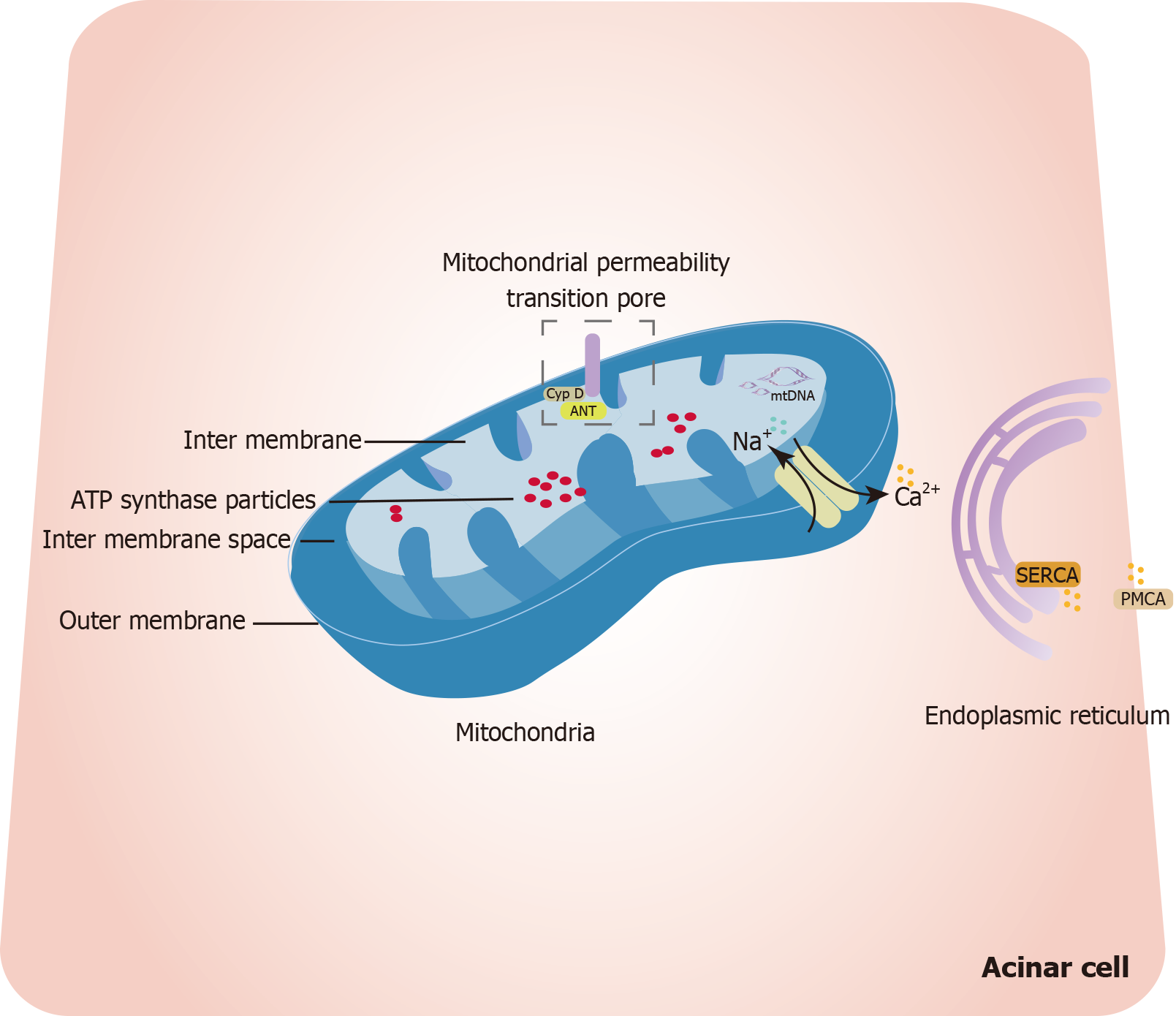
Figure 1 Mitochondrial structure and function in pancreatic acinar cells.
Cyp D: Cyclophilin D; ANT: Adenine nucleotide translocation; mtDNA: Mitochondrial deoxyribonucleic acid; SERCA: Sarco/endoplasmic reticulum Ca2+-ATPases; PMCA: Plasma membrane Ca2+-ATPases.
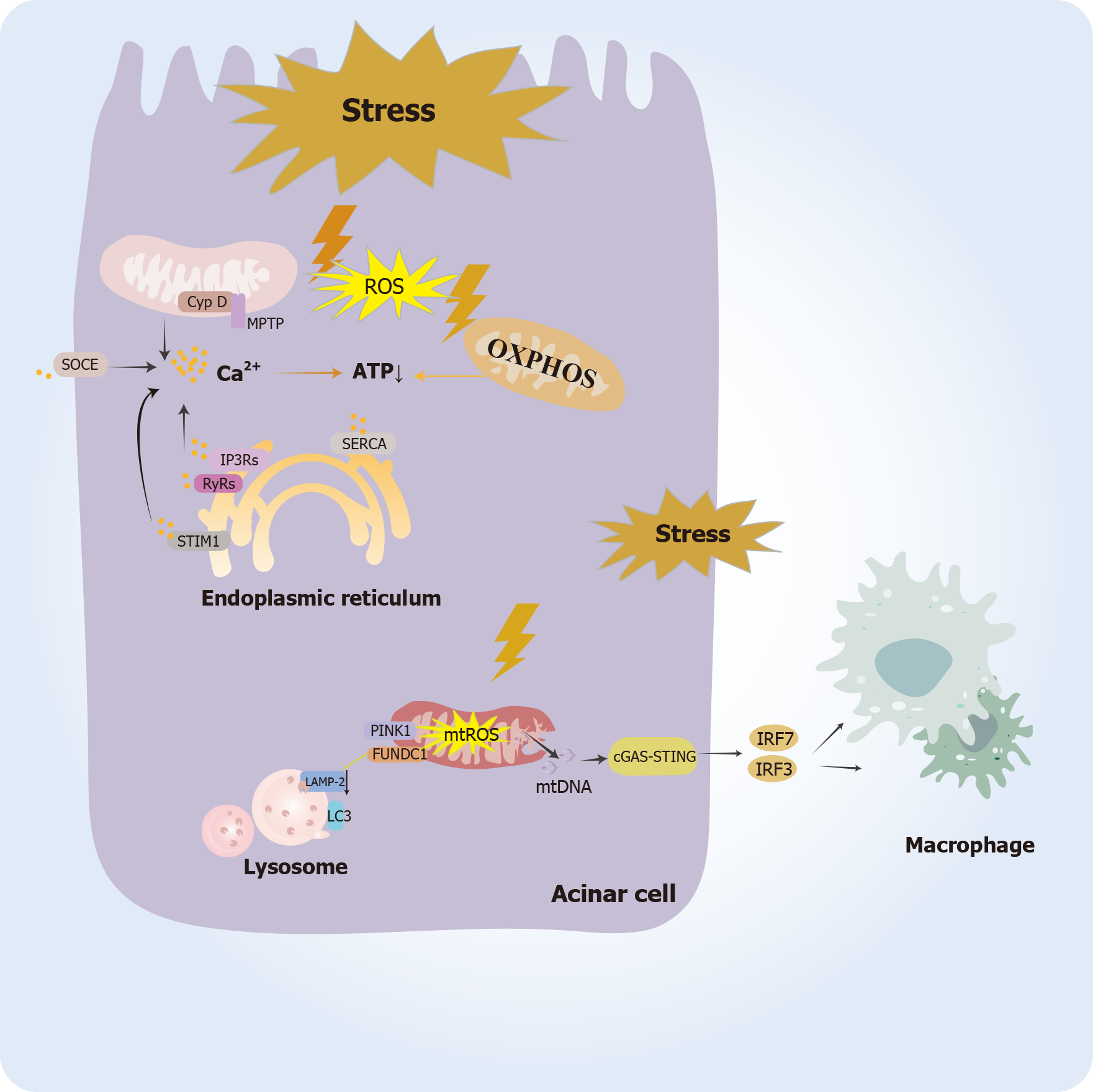
Figure 2 The molecular mechanisms underlying mitochondrial dysfunction in acute pancreatitis.
SOCE: Store-operated calcium entry; Cyp D: Cyclophilin D; ROS: Reactive oxygen species; MPTP: Mitochondrial permeability transition pore; IP3Rs: Inositol triphosphate receptors; RyRs: Ryanodine receptors; STIM1: Stromal interaction molecule 1; SERCA: Sarco/endoplasmic reticulum Ca2+-ATPases; OXPHOS: Oxidative phosphorylation; LC3: Microtubule-associated protein light chain 3; LAMP-2: Lysosome-associated membrane protein-2; PINK1: PTEN-induced putative kinase 1; FUNDC1: FUN14 domain containing 1; mtROS: Mitochondrial reactive oxygen species; mtDNA: Mitochondrial DNA; cGAS: Cyclic GMP-AMP synthase; STING: Stimulator of interferon genes; IRF7: Interferon regulatory factor 7; IRF3: Interferon regulatory factor 3.
- Citation: Xia CC, Xu Y, Wang ZH, Xu GQ. Mitochondrial dysfunction as a bridge to pathology in acute pancreatitis: From molecular insights to novel therapeutic strategies. World J Gastroenterol 2025; 31(48): 113840
- URL: https://www.wjgnet.com/1007-9327/full/v31/i48/113840.htm
- DOI: https://dx.doi.org/10.3748/wjg.v31.i48.113840