
















Copyright: ©Author(s) 2026.
World J Meta-Anal. Mar 18, 2026; 14(1): 113251
Published online Mar 18, 2026. doi: 10.13105/wjma.v14.i1.113251
Published online Mar 18, 2026. doi: 10.13105/wjma.v14.i1.113251
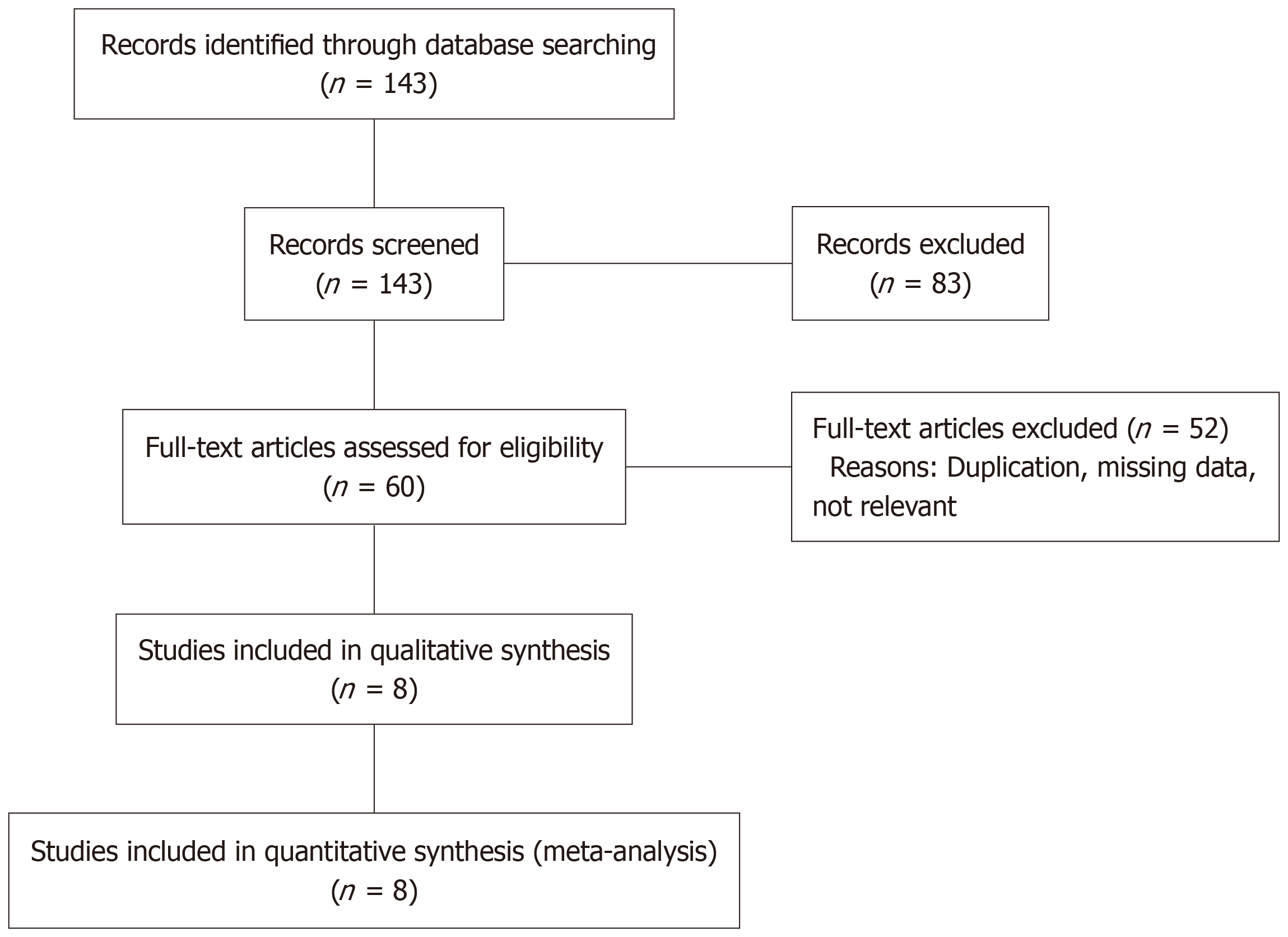
Figure 1 PRISMA Flow Diagram illustrating the selection process for included studies.
A total of 143 records were screened, with 60 full-text articles assessed for eligibility, and 8 studies included in the final qualitative and quantitative synthesis.
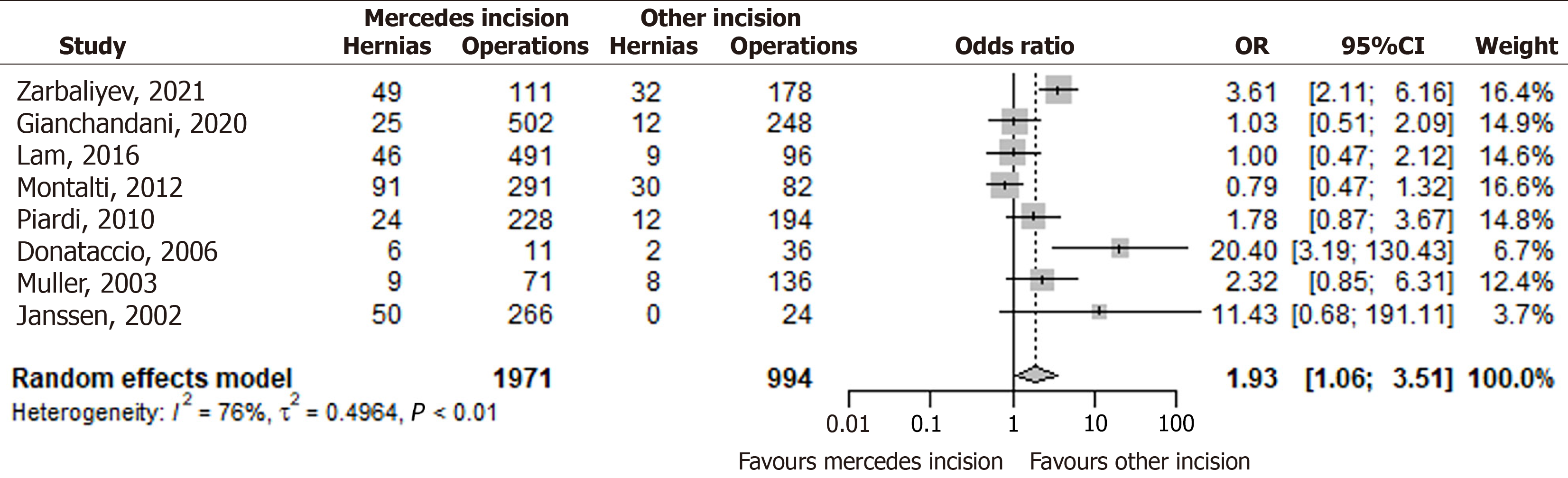
Figure 2 Forest plot comparing the incidence of incisional hernia between Mercedes, Chevron, and J-shaped incisions following liver transplantation.
The pooled odds ratio reflects the relative risk of incisional hernia with Mercedes incisions compared to other incision types. OR: Odds ratio.
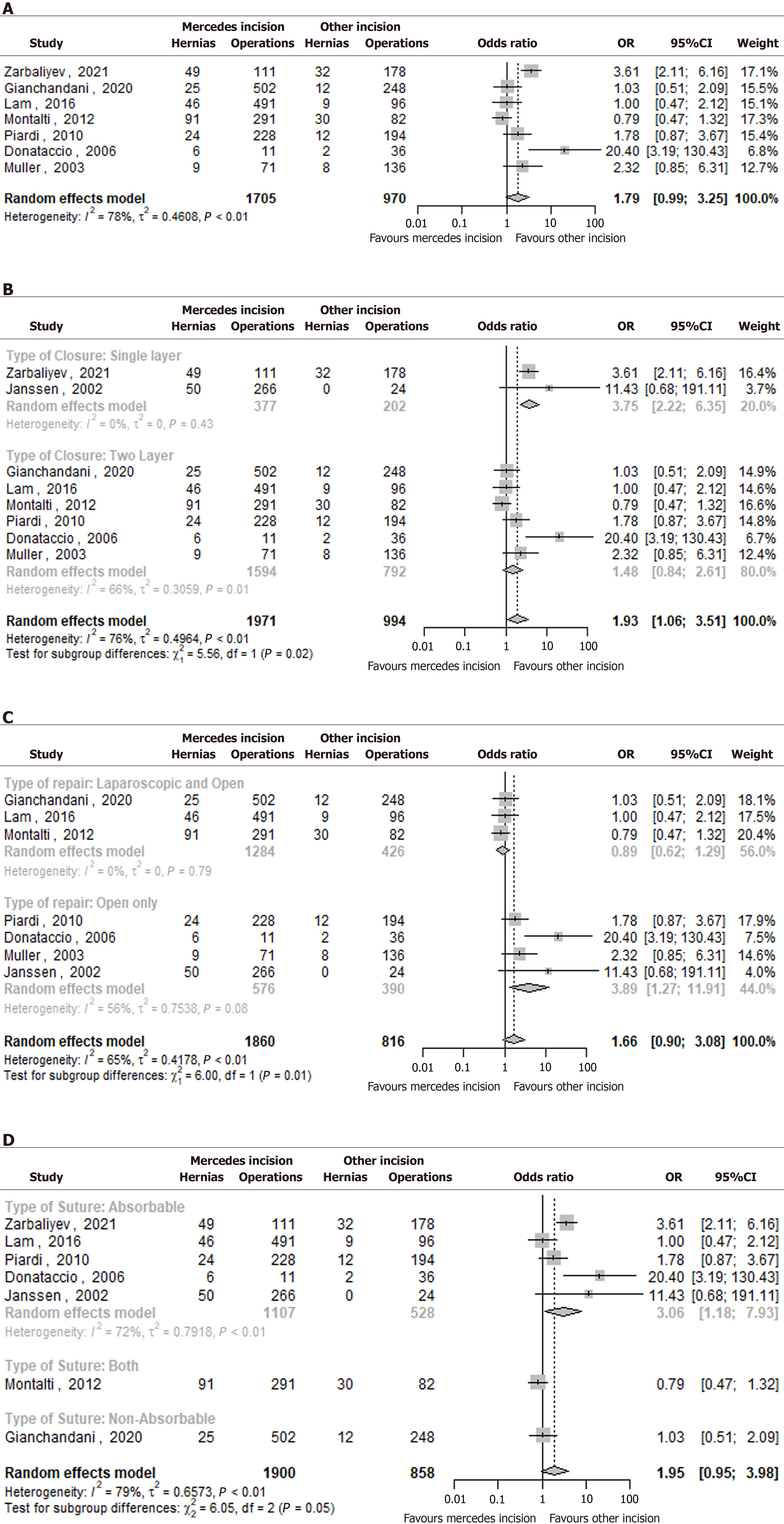
Figure 3 Subgroup analysis.
A: By study design showing the odds of incisional hernia in retrospective vs prospective studies for Mercedes vs alternative incision types. This analysis explores whether study design influences observed effect size; B: By fascial closure technique comparing single-layer vs two-layer closure in patients undergoing liver transplantation with different incision types. The findings suggest that Mercedes incisions may be associated with higher risk when single-layer closure is used; C: By hernia repair approach (open vs mixed techniques) evaluating whether the method of incisional hernia repair modifies the association between incision type and hernia development; D: Suture material (absorbable vs non-absorbable) examining the relationship between suture type and the incidence of incisional hernia with Mercedes vs other incisions. OR: Odds ratio.
- Citation: Kanchustambam SRV, Peters PA, True H, Jones BG. Mercedes incision and risk of incisional hernia following liver transplantation: A systematic review. World J Meta-Anal 2026; 14(1): 113251
- URL: https://www.wjgnet.com/2308-3840/full/v14/i1/113251.htm
- DOI: https://dx.doi.org/10.13105/wjma.v14.i1.113251