
















Copyright: ©Author(s) 2026.
World J Clin Cases. Aug 6, 2026; 14(22): 120669
Published online Aug 6, 2026. doi: 10.12998/wjcc.120669
Published online Aug 6, 2026. doi: 10.12998/wjcc.120669
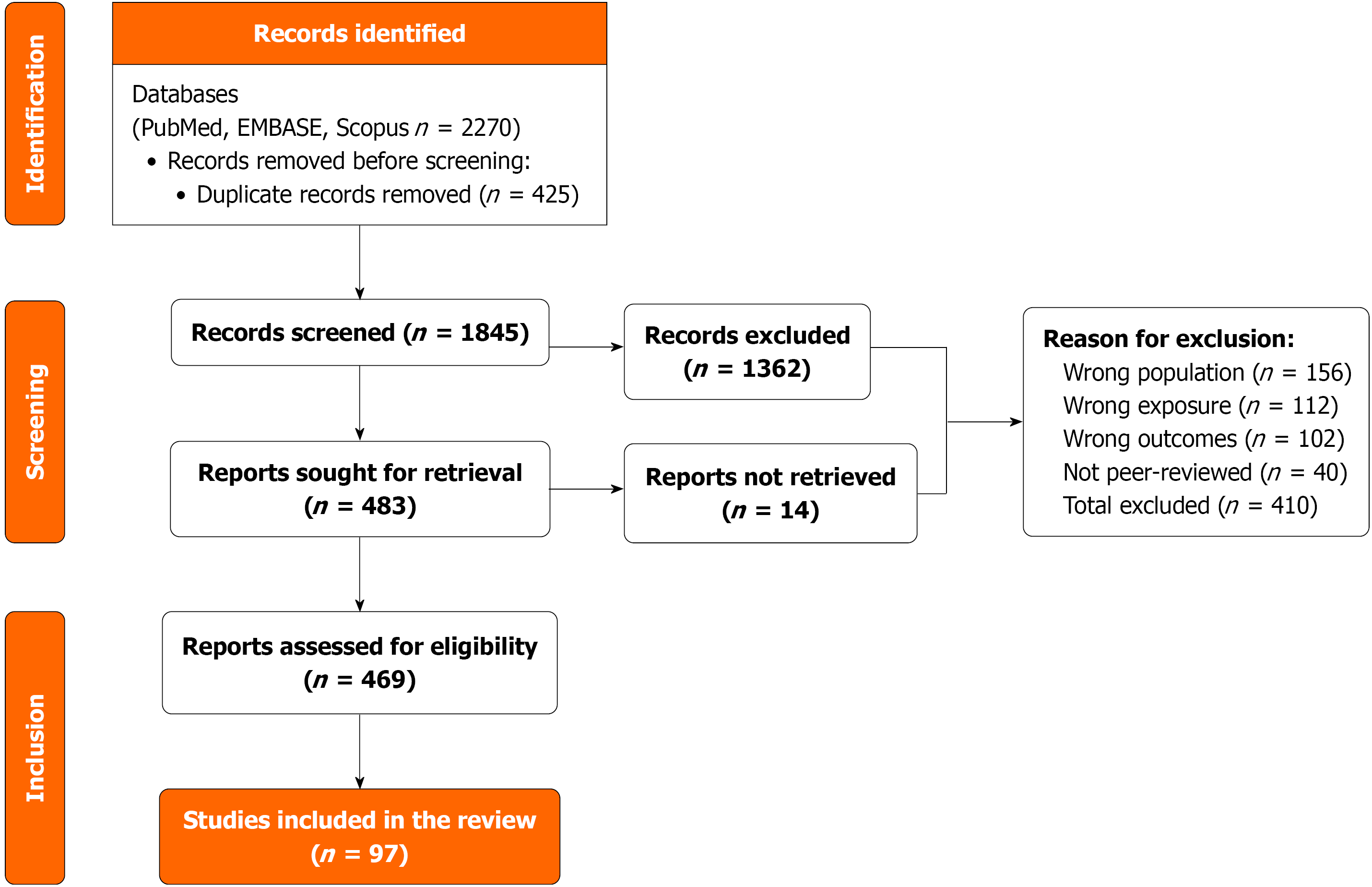
Figure 1
PRISMA 2020 flow diagram for study selection.
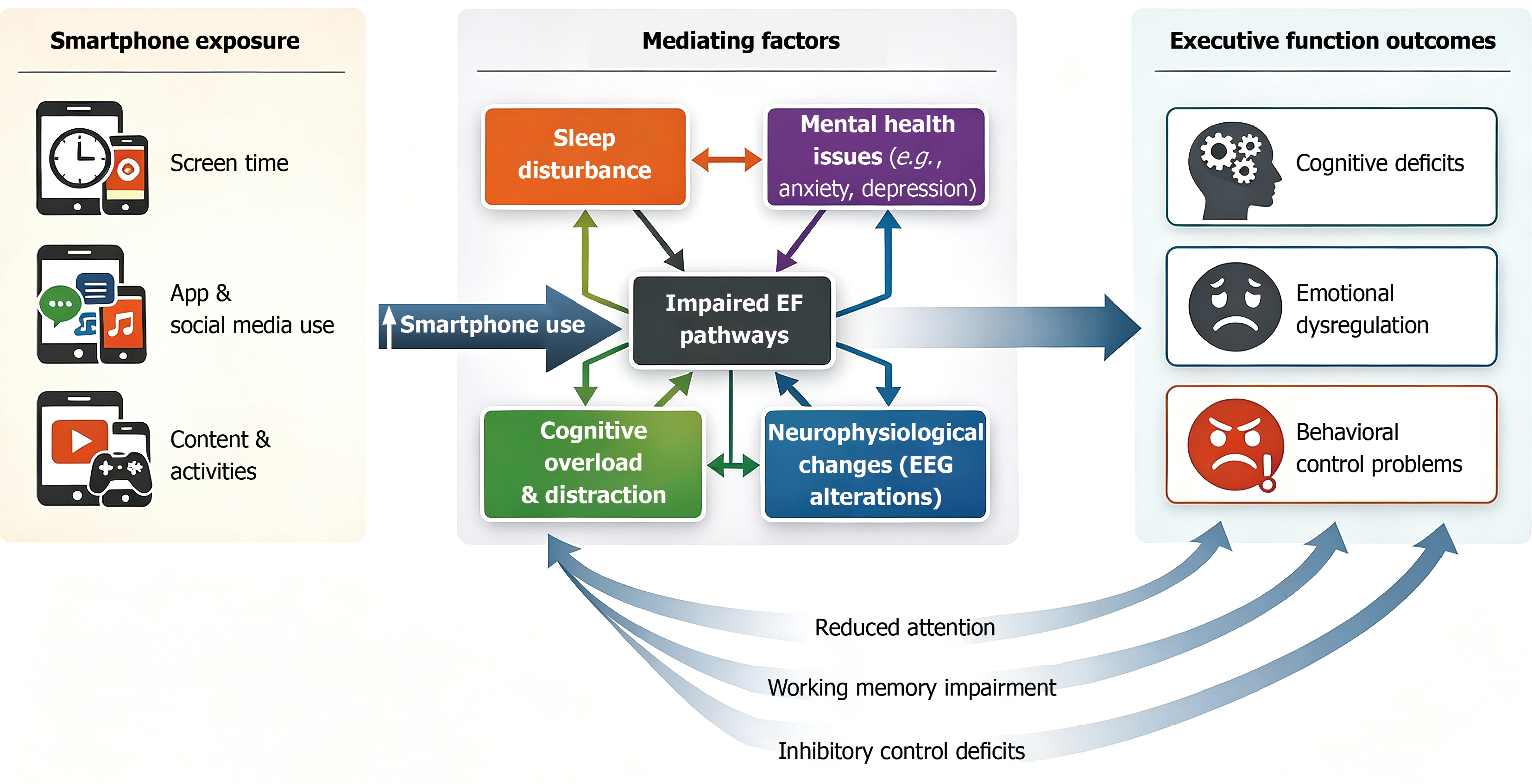
Figure 2 Conceptual framework linking smartphone exposure to executive function outcomes in children and adolescents.
This schematic illustrates the proposed pathways linking smartphone exposure to impairments in executive function (EF) among children and adolescents. Smartphone exposure (left panel), encompassing total screen time, app and social media engagement, and content type, contributes to a set of interacting mediating factors (center panel). These include sleep disturbance, mental health symptoms (e.g., anxiety and depression), cognitive overload and distraction, and neurophysiological changes (e.g., electroencephalography alterations). Arrows indicate bidirectional and reinforcing relationships among mediators, reflecting the dynamic and interdependent nature of these processes. Collectively, these mediators converge on impaired EF pathways, which in turn lead to adverse executive outcomes (right panel), including cognitive deficits, emotional dysregulation, and behavioral control problems. The lower arcs highlight specific EF domains most consistently affected-reduced attention, working memory impairment, and deficits in inhibitory control. The model emphasizes that the impact of smartphone use on executive functioning is indirect and mediated through multiple behavioral and neurobiological mechanisms rather than a single causal pathway. EF: Executive function; EEG: Electroencephalography.
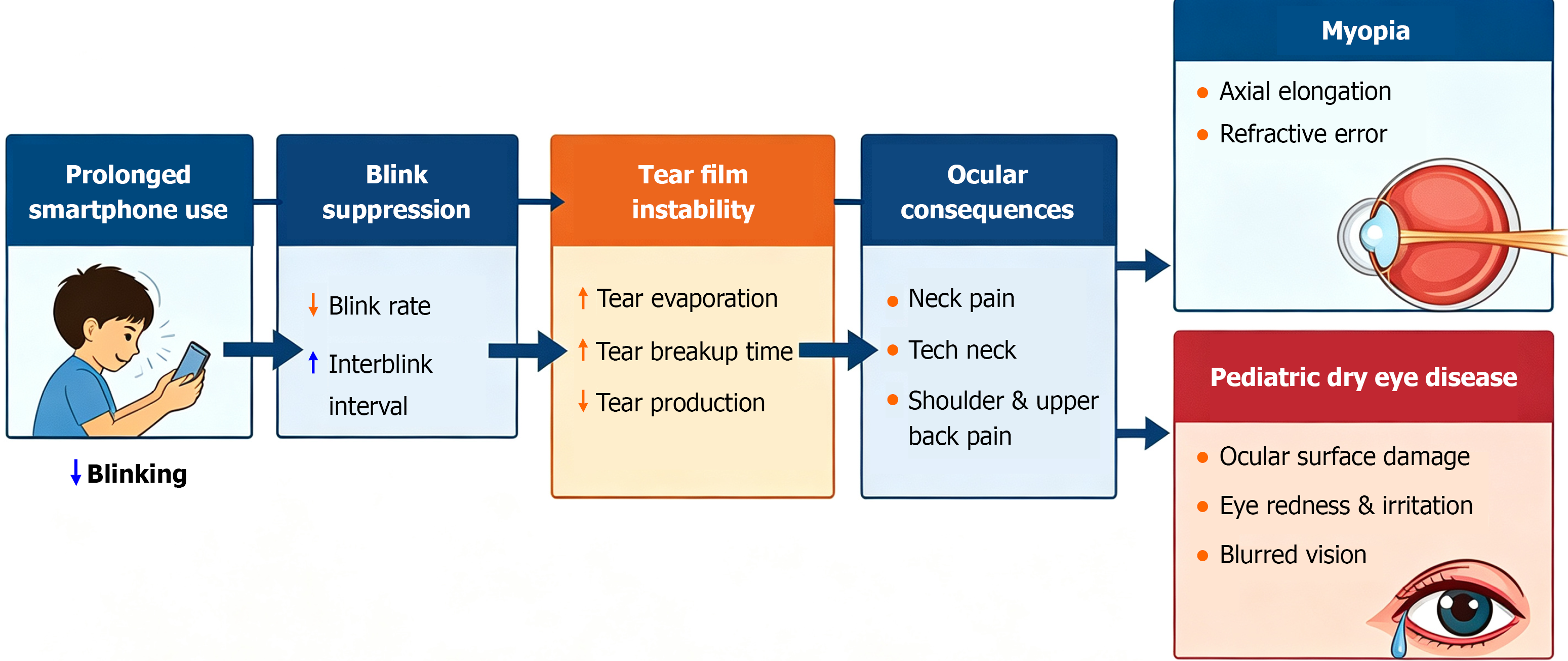
Figure 3 Mechanistic pathways linking prolonged smartphone use to ocular outcomes in children.
This figure illustrates the proposed pathophysiological mechanisms through which prolonged smartphone use contributes to ocular surface disease, myopia progression, and associated musculoskeletal symptoms in children and adolescents. Sustained near work during smartphone use reduces blink rate and increases interblink interval, leading to blink suppression. This, in turn, disrupts tear film homeostasis, causing tear film instability characterized by increased tear evaporation, reduced tear production, and shortened tear break-up time. These ocular surface alterations contribute to pediatric dry eye disease, manifesting as ocular surface damage, irritation, redness, and blurred vision. Concurrently, prolonged near viewing and accommodative demand may promote axial elongation and refractive error, contributing to the development and progression of myopia. In parallel, sustained smartphone use - often in flexed cervical posture (“tech neck”) - is associated with musculoskeletal consequences, including neck pain, shoulder discomfort, and upper back pain. The model highlights the interconnected effects of visual strain and biomechanical stress on posture, emphasizing the multifactorial nature of smartphone-related health outcomes in the pediatric population.
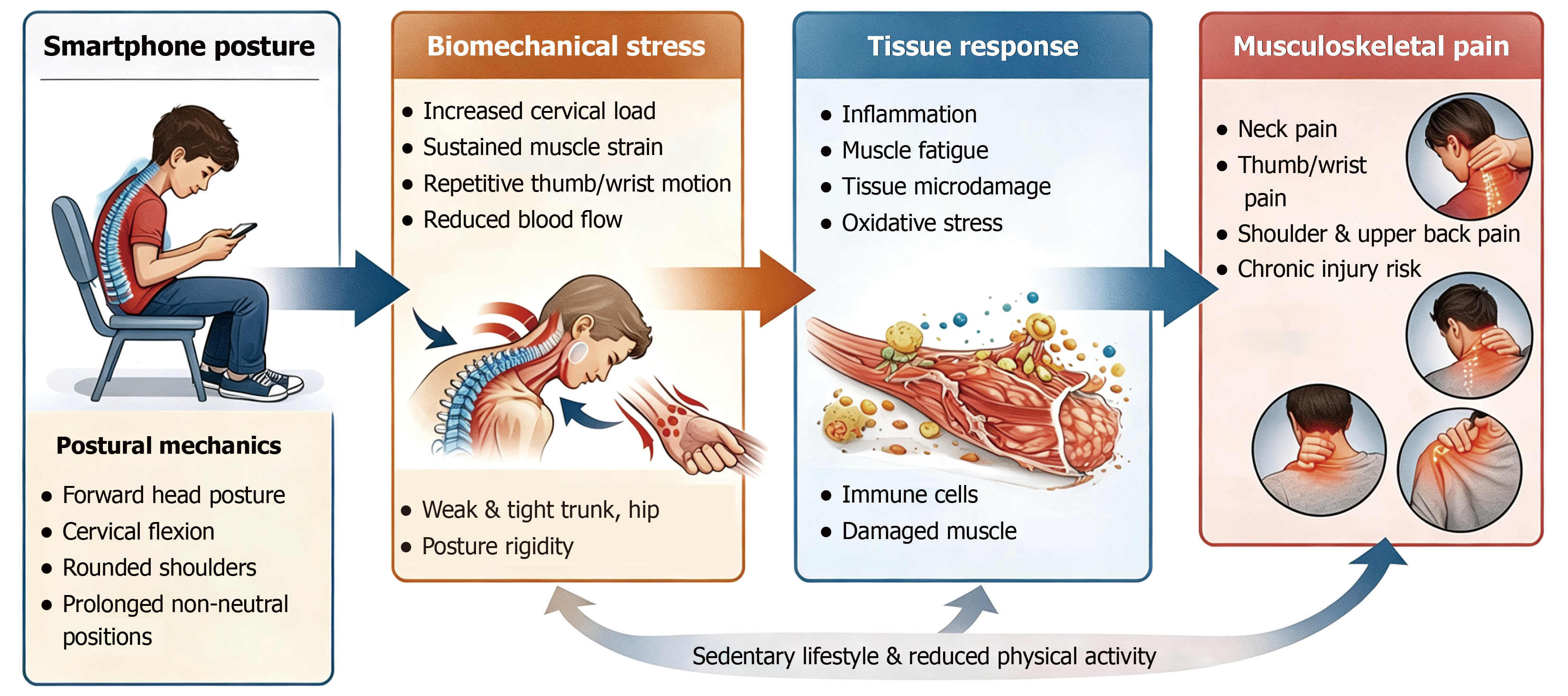
Figure 4 Mechanistic pathway linking smartphone posture to musculoskeletal pain in children and adolescents.
This conceptual diagram illustrates the proposed mechanistic cascade linking prolonged smartphone posture to musculoskeletal pain in pediatric populations. The pathway begins with postural mechanics, including forward head posture, sustained cervical flexion, rounded shoulders, and prolonged non-neutral positioning during smartphone use. These maladaptive postures increase biomechanical stress, characterized by elevated cervical spine loading, sustained paraspinal muscle strain, repetitive thumb and wrist movements, and reduced regional blood flow. Chronic biomechanical loading leads to downstream tissue responses, including muscle fatigue, inflammatory activation, microstructural tissue damage, and oxidative stress. These biological processes may involve altered local perfusion, immune cell activation, and impaired tissue remodeling. The cumulative effect manifests clinically as musculoskeletal pain syndromes, including neck pain (“text neck”), shoulder and upper back pain, thumb/wrist overuse symptoms, and increased risk of chronic musculoskeletal dysfunction. The diagram also highlights the reinforcing role of sedentary behavior and reduced physical activity, which may exacerbate biomechanical strain and delay recovery. This framework integrates ergonomic, epidemiological, and emerging biomarker evidence, providing biological plausibility for the association between smartphone exposure and musculoskeletal complaints in children and adolescents.
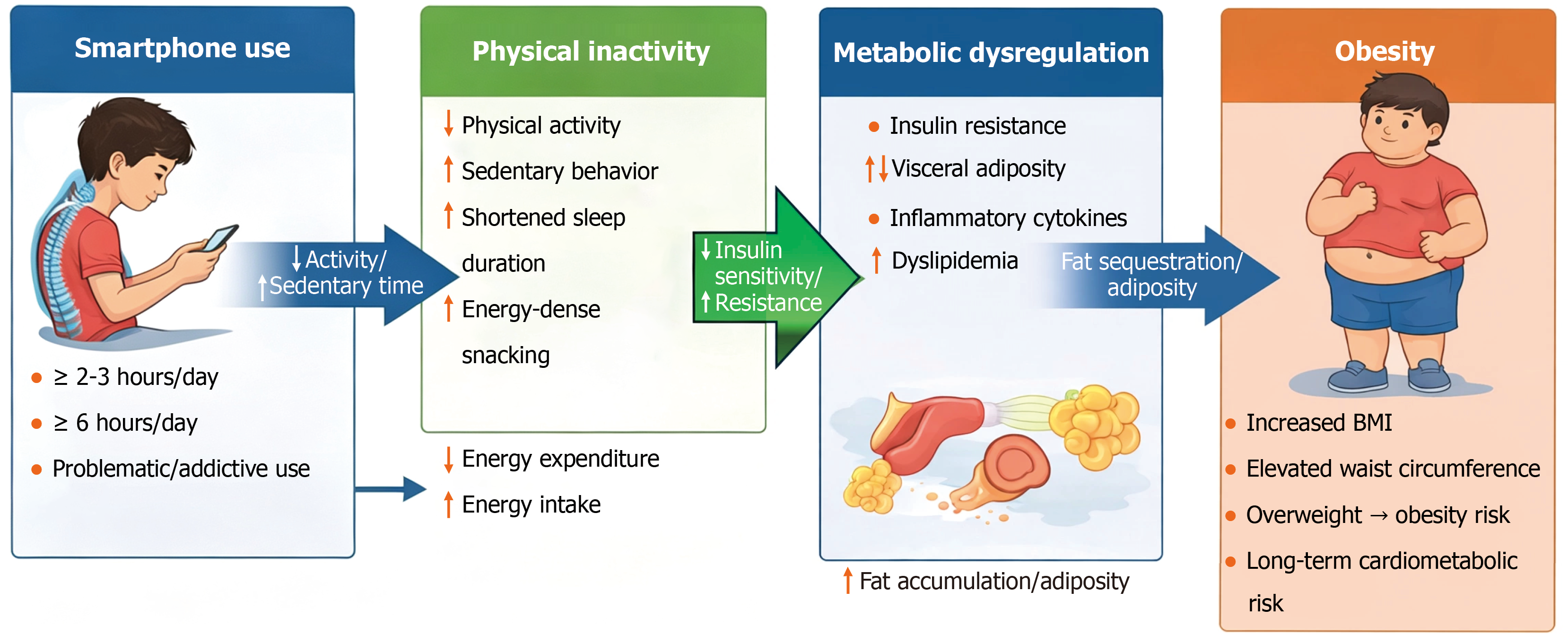
Figure 5 Mechanistic pathway linking excessive smartphone use to childhood obesity.
This conceptual diagram illustrates a sequential pathway whereby excessive smartphone exposure (≥ 2-3 hours/day, ≥ 6 hours/day, or problematic/addictive use) promotes physical inactivity characterized by reduced moderate-to-vigorous physical activity, increased sedentary behavior, shortened sleep duration, and increased energy-dense snacking. These behavioral shifts result in positive energy balance (↑ energy intake, ↓ energy expenditure), contributing to metabolic dysregulation, including insulin resistance, visceral adiposity, systemic low-grade inflammation, and dyslipidemia. Sustained metabolic alterations promote adipose tissue accumulation, increased body mass index and waist circumference, and progression to overweight and obesity, ultimately elevating long-term cardiometabolic risk. BMI: Body mass index.
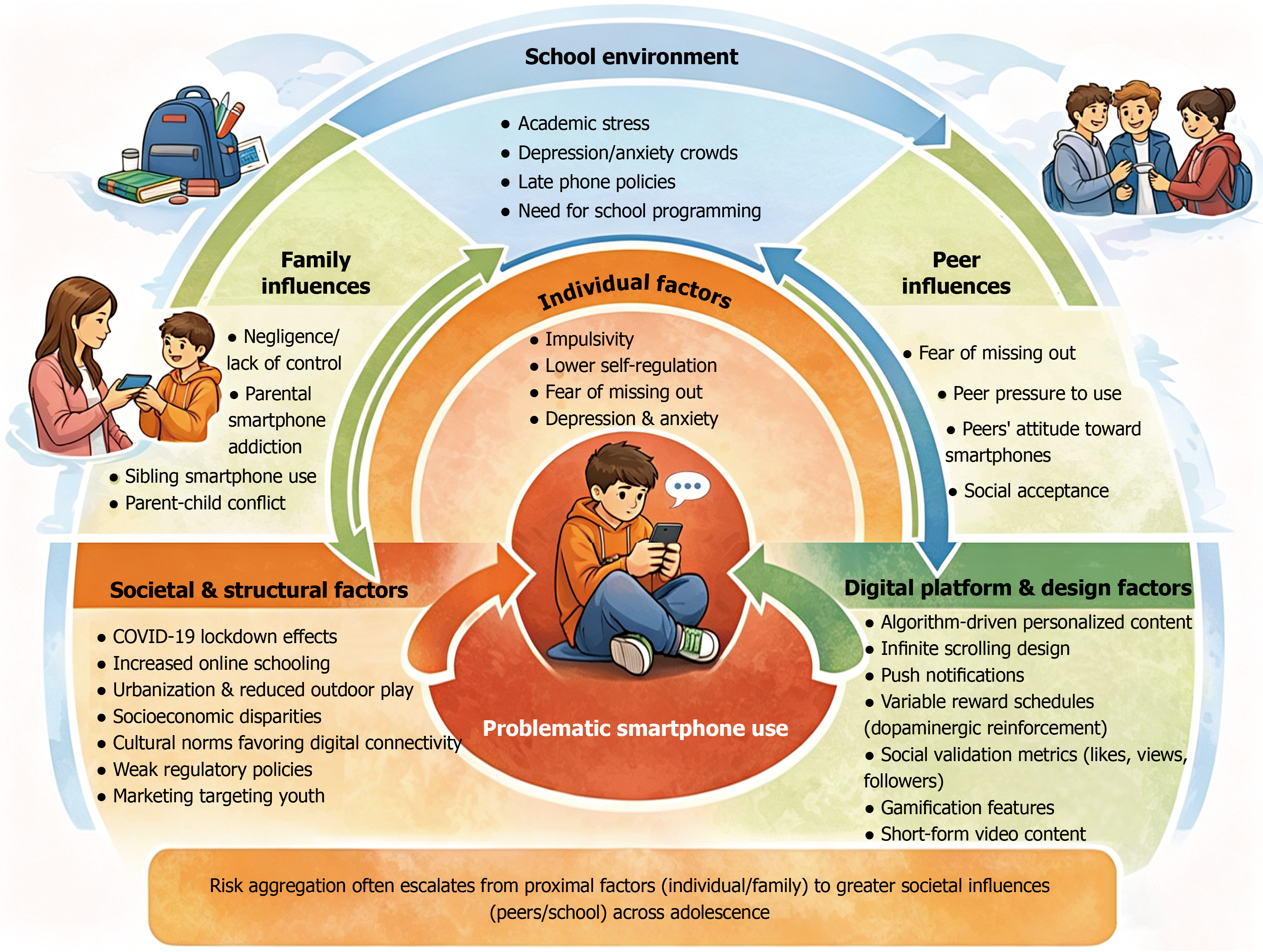
Figure 6 Risk ecology model of problematic smartphone use in children and adolescents.
This concentric ecological framework illustrates six interrelated levels of risk contributing to problematic smartphone use among children and adolescents. At the core are individual factors (biological vulnerabilities, neurodevelopmental traits, emotional dysregulation, and executive function deficits). Surrounding this are behavioral and lifestyle factors, including excessive screen time, nighttime use, gaming, and reduced physical activity. The next layer represents the family and parenting environment, highlighting parental modeling, monitoring practices, and household screen norms. The fourth layer encompasses the peer and school environment, including peer pressure, cyberbullying exposure, academic stress, and fear of missing out. The fifth layer reflects the characteristics of digital platforms, such as algorithmic reinforcement, push notifications, infinite scrolling, and social validation mechanisms. The outermost layer represents societal and structural determinants, including pandemic-related shifts, socioeconomic disparities, urbanization, and regulatory context. Together, these nested systems interact dynamically, increasing vulnerability to problematic smartphone use and mediating downstream health outcomes across mental, sleep, metabolic, musculoskeletal, and neurodevelopmental domains. COVID-19: Coronavirus disease 2019.
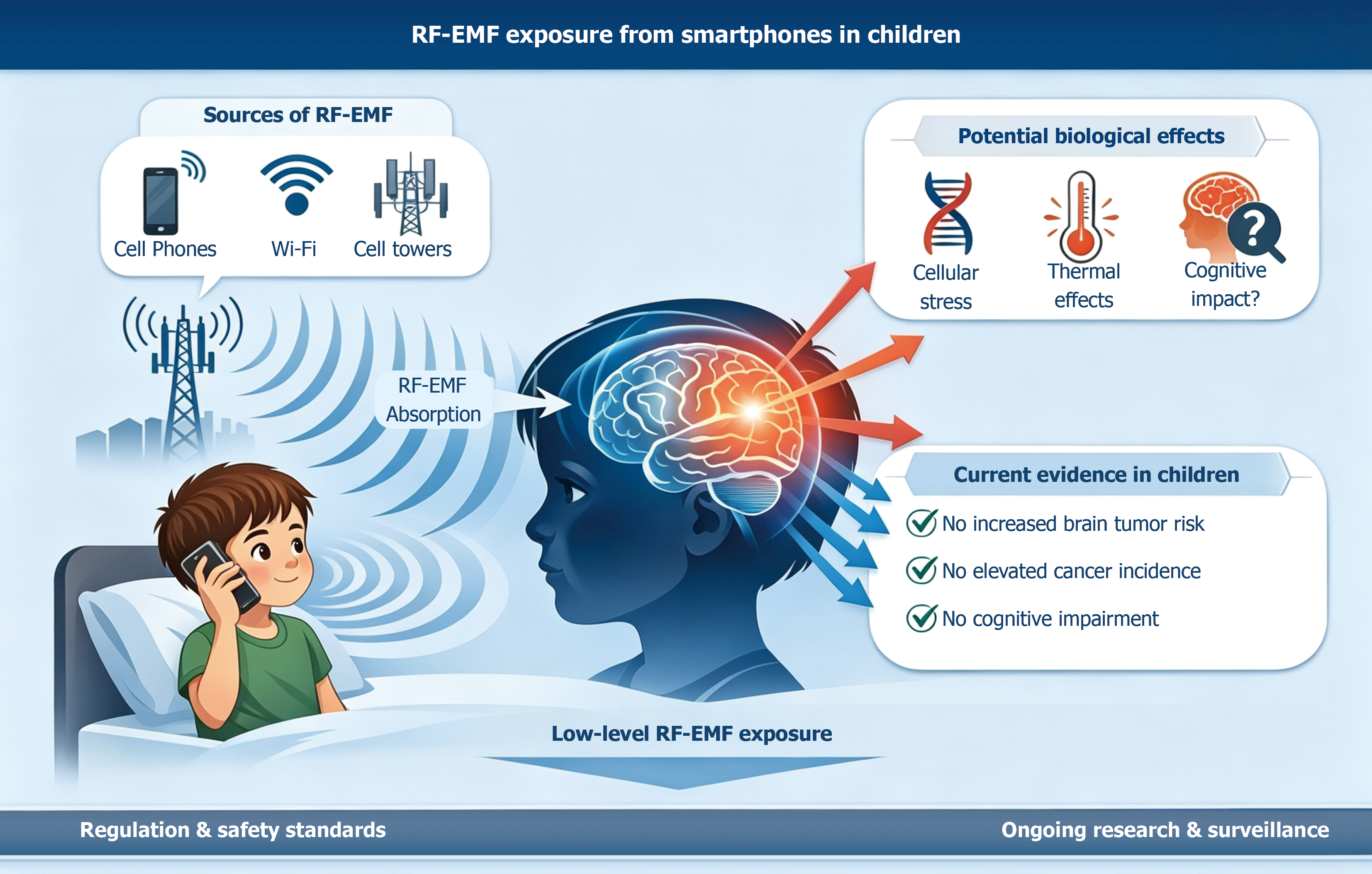
Figure 7 Conceptual overview of radiofrequency electromagnetic field exposure from smartphones in children.
The figure illustrates the primary sources of pediatric radiofrequency electromagnetic field exposure, including mobile phones, Wi-Fi routers, and cellular base stations. During active smartphone use, radiofrequency electromagnetic field emissions are absorbed locally in cranial tissues, particularly when the device is held near the head. Proposed biological mechanisms include thermal effects and putative nonthermal cellular responses; however, current epidemiologic and experimental evidence in children does not demonstrate increased brain tumor risk, elevated overall cancer incidence, or consistent neurocognitive impairment at exposure levels within international safety standards. The diagram distinguishes theoretical biological mechanisms from the largely reassuring evidence base while emphasizing ongoing research and regulatory oversight. RF-EMF: Radiofrequency electromagnetic field.
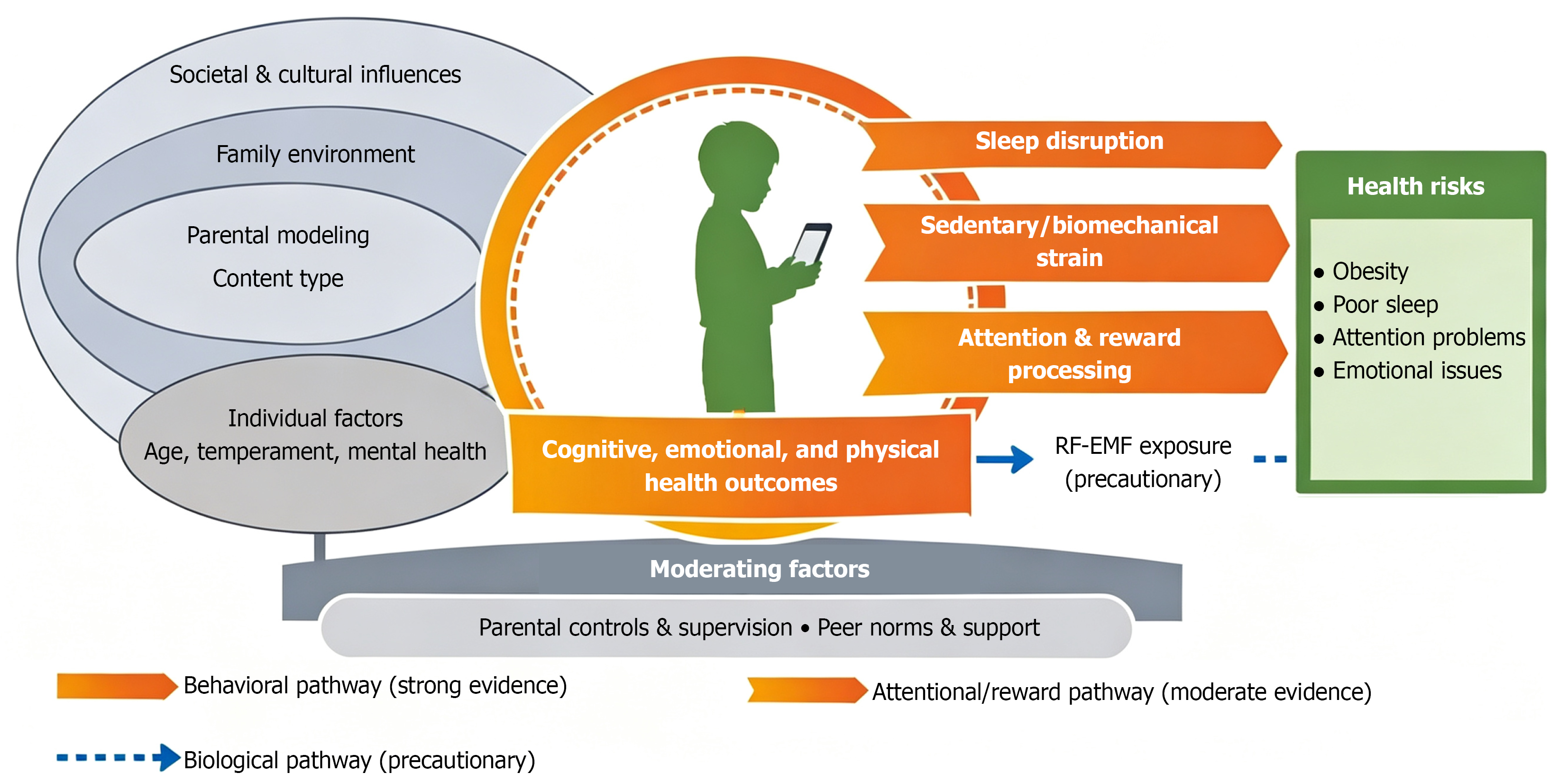
Figure 8 Developmental risk ecology model of smartphone use in children and adolescents.
This conceptual model illustrates the multi-level ecological framework through which smartphone use influences health outcomes in children and adolescents. At the center, the child interacts dynamically with the digital environment, embedded within nested contextual layers including individual characteristics (e.g., age, temperament, mental health), family environment, and broader sociocultural influences. The behavioral pathway (solid arrows) represents the primary mechanism underlying observed health effects. Within this pathway, sleep disruption and sedentary/biomechanical strain (thick arrows) demonstrate the strongest and most consistent empirical support across studies. Attentional and reward-processing mechanisms (medium arrows) reflect a moderate but more heterogeneous evidence base, particularly relevant to cognitive and mental health outcomes. The biological pathway, representing radiofrequency electromagnetic field exposure, is depicted by a dashed arrow to indicate its secondary and precautionary status, given the currently limited and inconclusive longitudinal evidence regarding its health effects. Contextual moderators - including parental modeling, content type, supervision, and peer influences - act as regulatory filters that shape exposure patterns and modify risk trajectories. The model emphasizes that health outcomes emerge from the interaction of behavioral, environmental, and biological processes rather than from exposure alone. RF-EMF: Radiofrequency electromagnetic field.
- Citation: Al-Beltagi M, Saeed NK, Bediwy AS, Elbeltagi YM, Bediwy HA, Elbeltagi R. Smartphone use health outcomes in children and adolescents: A systematic review of behavioral, developmental, and environmental risk pathways. World J Clin Cases 2026; 14(22): 120669
- URL: https://www.wjgnet.com/2307-8960/full/v14/i22/120669.htm
- DOI: https://dx.doi.org/10.12998/wjcc.120669