
















Copyright: ©Author(s) 2026.
World J Clin Cases. Jul 26, 2026; 14(21): 121479
Published online Jul 26, 2026. doi: 10.12998/wjcc.121479
Published online Jul 26, 2026. doi: 10.12998/wjcc.121479
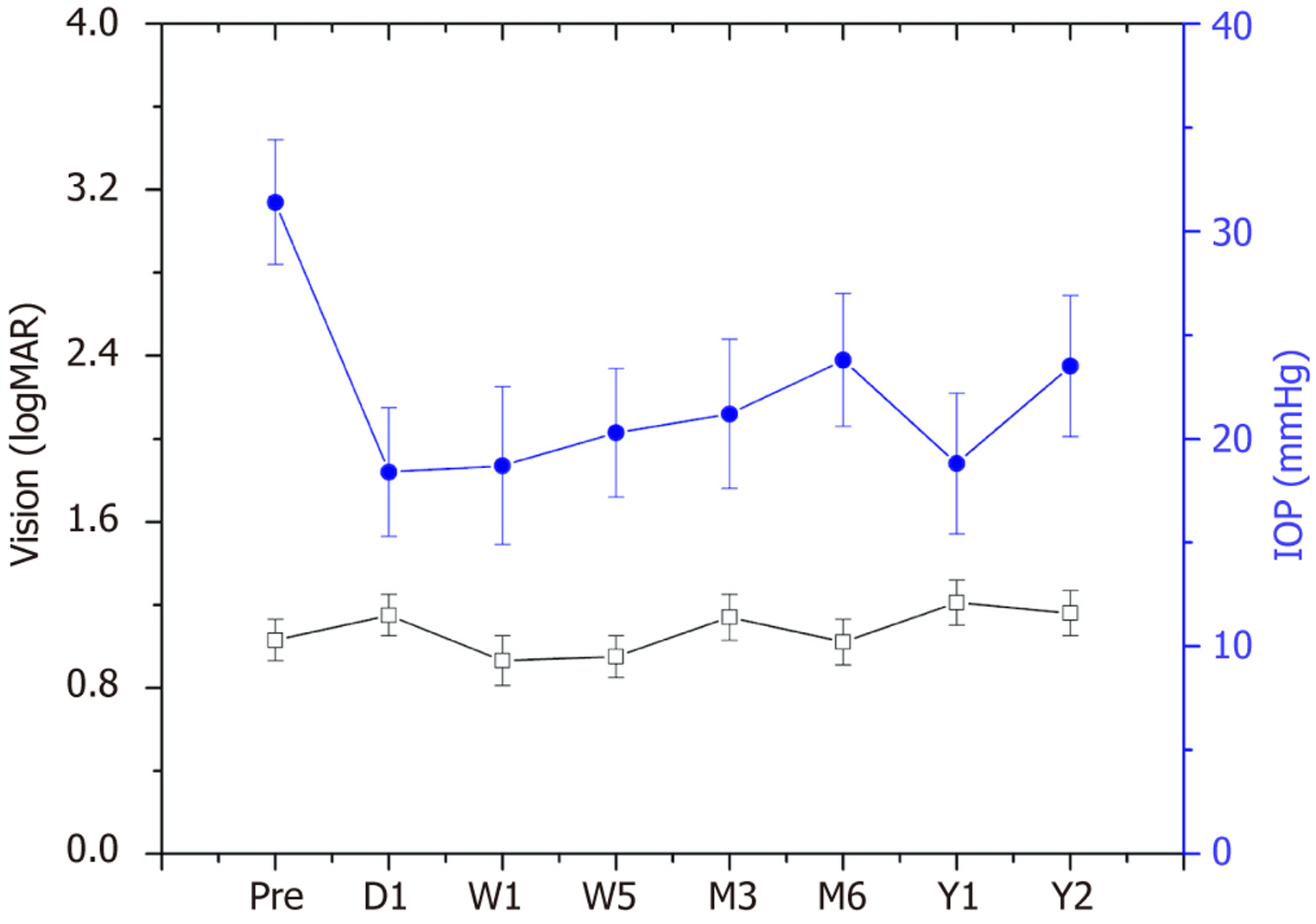
Figure 1 Trend in visual acuity and intraocular pressure following limited transscleral cyclophotocoagulation.
Black line, right Y-axis: Visual acuity; Blue line, left Y-axis: Intraocular pressure. IOP: Intraocular pressure; LogMAR: Logarithm of the minimum angle of resolution.
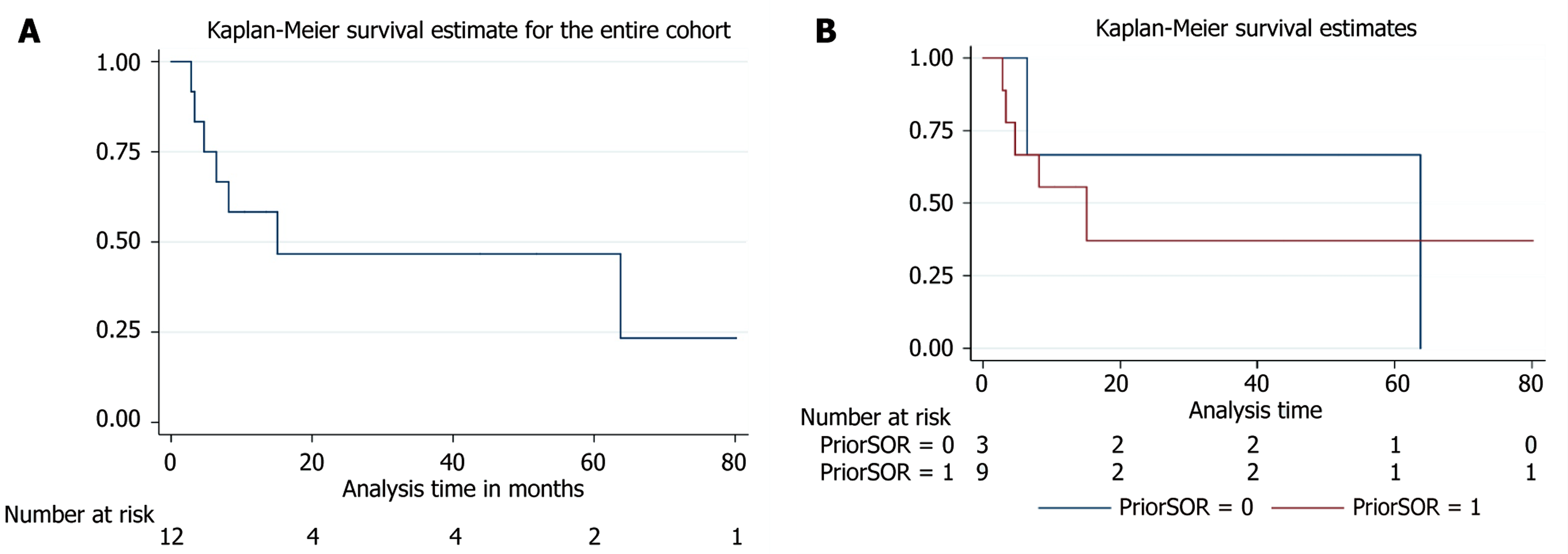
Figure 2 Kaplan-Meier analyses of qualified intraocular pressure success.
A: Probability of qualified intraocular pressure success over time in the entire cohort, with numbers at risk displayed below the curve. Kaplan-Meier analysis demonstrated qualified intraocular pressure success rates of approximately 45%-50% at 1-2 years, declining to approximately 20%-25% at longer follow-up; B: Comparison of qualified intraocular pressure success between eyes with prior silicone oil removal and eyes with retained silicone oil. Subgroup analysis demonstrated a steeper early decline in intraocular pressure success in the non-silicone oil removal group, with an early success rate of approximately 33%, compared with 70%-75% in the silicone oil removal group. PriorSOR: Prior silicon oil removal.
- Citation: Krishnamurthy R, Belenje A, Senthil S, Rani PK. Limited transscleral cyclophotocoagulation for silicone oil-induced glaucoma in eyes with good visual potential. World J Clin Cases 2026; 14(21): 121479
- URL: https://www.wjgnet.com/2307-8960/full/v14/i21/121479.htm
- DOI: https://dx.doi.org/10.12998/wjcc.121479