
















Copyright: ©Author(s) 2026.
World J Clin Cases. Jul 6, 2026; 14(19): 120233
Published online Jul 6, 2026. doi: 10.12998/wjcc.120233
Published online Jul 6, 2026. doi: 10.12998/wjcc.120233
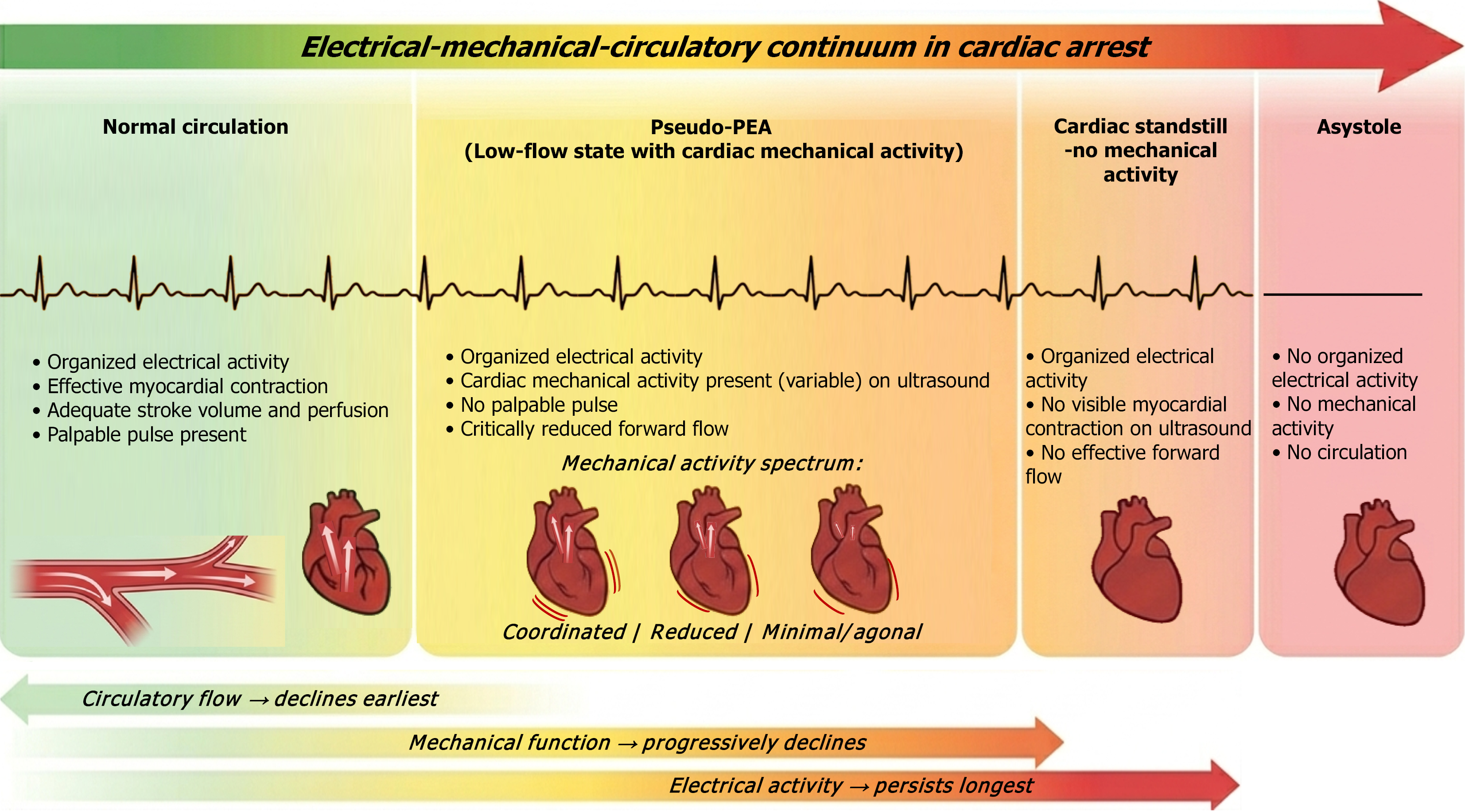
Figure 1 Electrical-mechanical-circulatory continuum in cardiac arrest.
Schematic illustrating the relationship among electrical activity, myocardial contraction, and effective circulatory flow. Circulatory flow declines earliest, followed by mechanical function, while electrical activity persists longest. Pseudo-pulseless electrical activity is represented as a low-flow state with preserved electrical activity and variable mechanical function but inadequate perfusion. Cardiac standstill reflects absence of mechanical activity despite organized electrical activity, while asystole represents absence of both electrical and mechanical activity. PEA: Pulseless electrical activity.
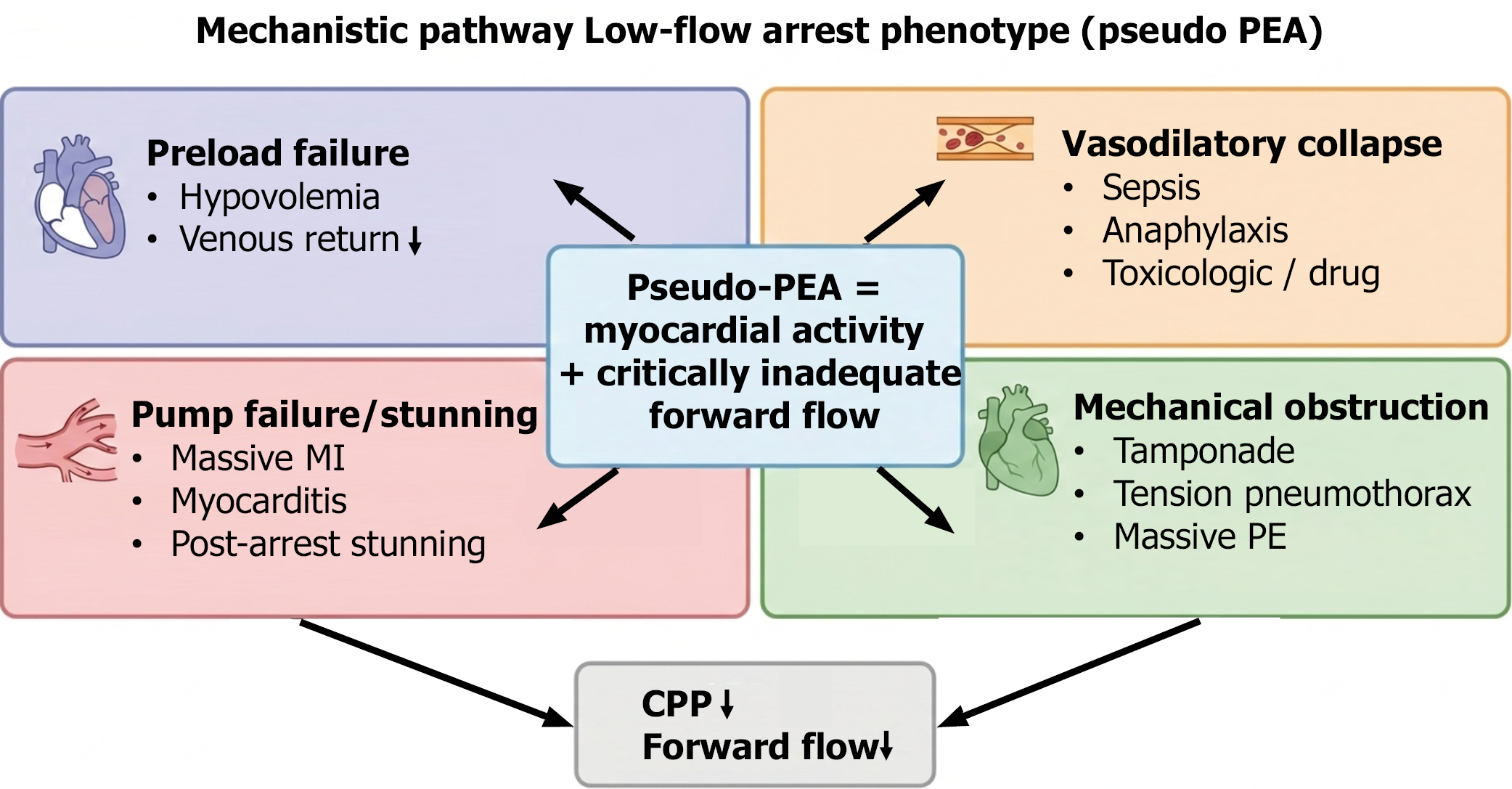
Figure 2 Mechanistic framework of pseudo-pulseless electrical activity as a low-flow state.
Schematic linking ultrasound phenotypes to dominant physiological mechanisms, including preload limitation, vasodilatory collapse, mechanical obstruction, and pump failure, and their impact on coronary perfusion pressure and forward flow. CPP: Coronary perfusion pressure; MI: Myocardial infarction; PE: Pulmonary embolism; PEA: Pulseless electrical activity.
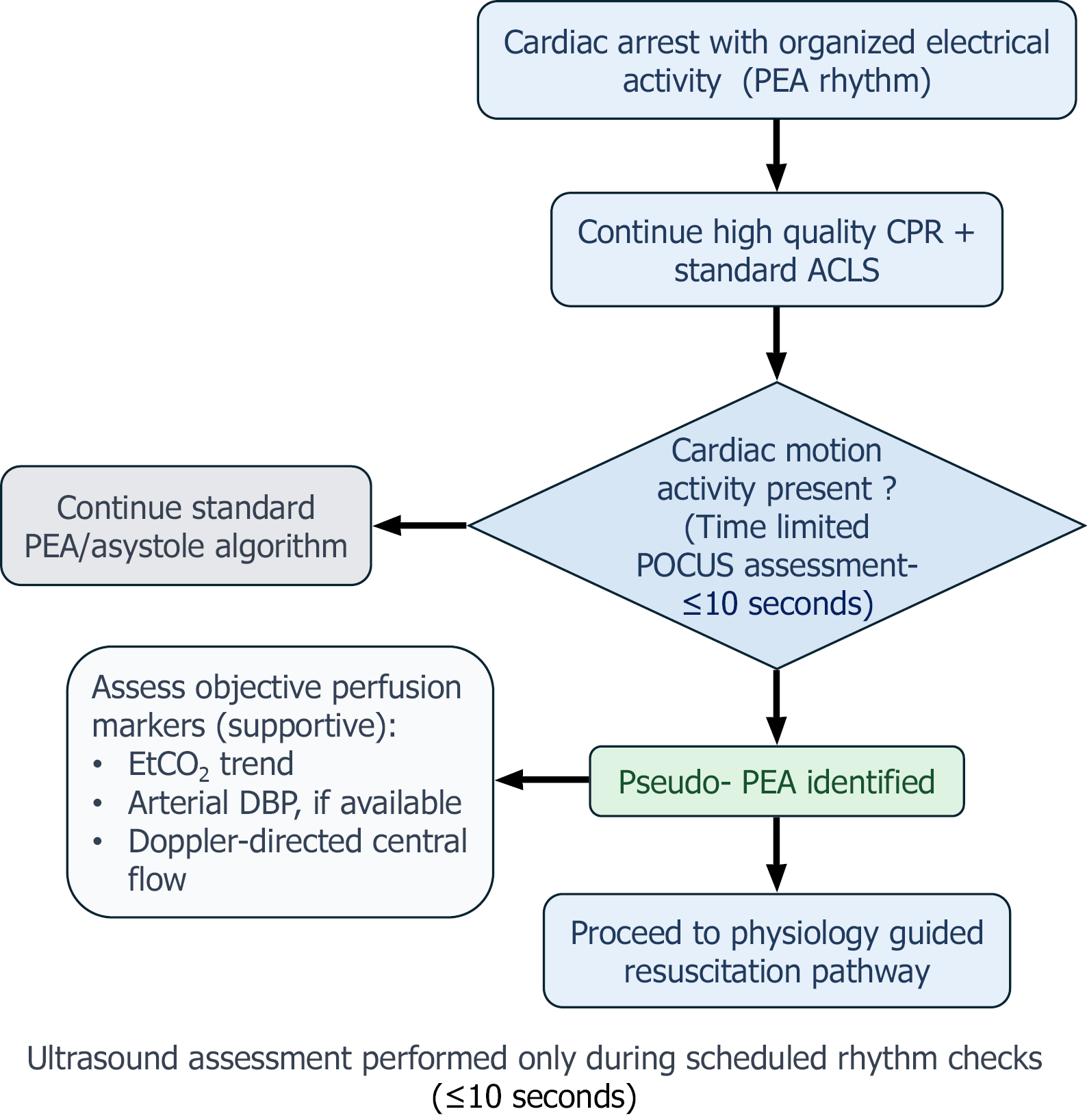
Figure 3 Diagnostic framework for pseudo-pulseless electrical activity during cardiopulmonary resuscitation.
The figure outlines rhythm identification, pulse assessment, time-limited ultrasound evaluation of cardiac mechanical activity, and adjunctive use of perfusion markers without prolonging interruptions in chest compressions. ACLS: Advanced cardiac life support; CPR: Cardiopulmonary resuscitation; DBP: Diastolic blood pressure; EtCO2: End-tidal carbon dioxide; PEA: Pulseless electrical activity; POCUS: Point-of-care ultrasound; Pseudo-PEA: Pulseless electrical activity with cardiac mechanical activity.
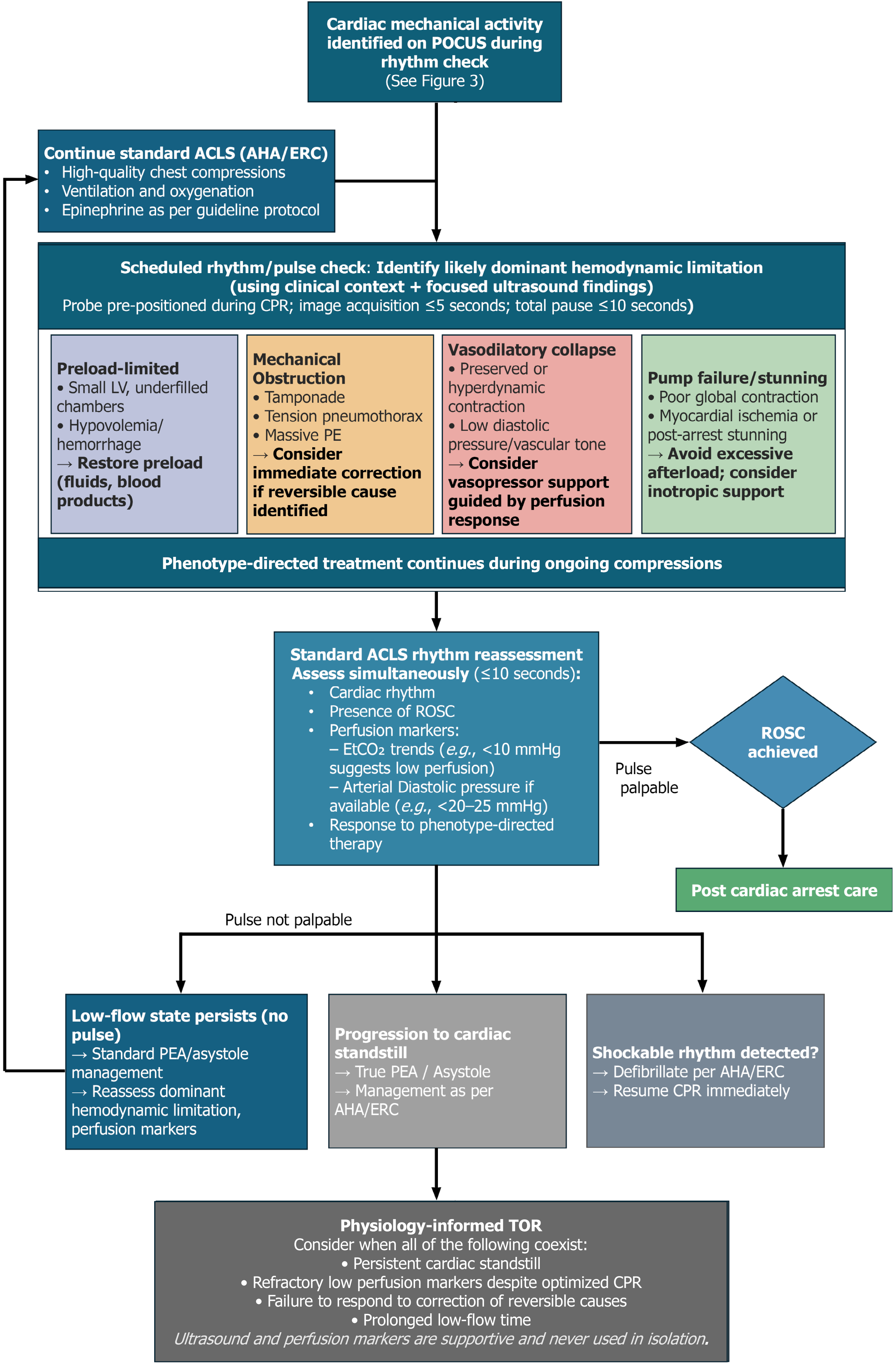
Figure 4 Physiology-guided resuscitation pathway for pseudo-pulseless electrical activity.
The algorithm illustrates targeted optimization of coronary and cerebral perfusion using objective hemodynamic and metabolic markers, integrated within guideline-directed advanced cardiac life support, with iterative reassessment of rhythm and perfusion. ACLS: Advanced cardiac life support; AHA: American Heart Association; CPR: Cardiopulmonary resuscitation; ERC: European Resuscitation Council; POCUS: Point-of-care ultrasound; PEA: Pulseless electrical activity; Pseudo-PEA: Pulseless electrical activity with cardiac mechanical activity; EtCO2: End-tidal carbon dioxide; ROSC: Return of spontaneous circulation; TOR: Termination of resuscitation; LV: Left ventricle; PE: Pulmonary embolism.
- Citation: Kataria S, Goel S, Juneja D. Pseudo-pulseless electrical activity: A distinct hemodynamic state in cardiac arrest and its implications for resuscitation. World J Clin Cases 2026; 14(19): 120233
- URL: https://www.wjgnet.com/2307-8960/full/v14/i19/120233.htm
- DOI: https://dx.doi.org/10.12998/wjcc.120233