
















Copyright: ©Author(s) 2026.
World J Clin Cases. Jun 26, 2026; 14(18): 120279
Published online Jun 26, 2026. doi: 10.12998/wjcc.120279
Published online Jun 26, 2026. doi: 10.12998/wjcc.120279
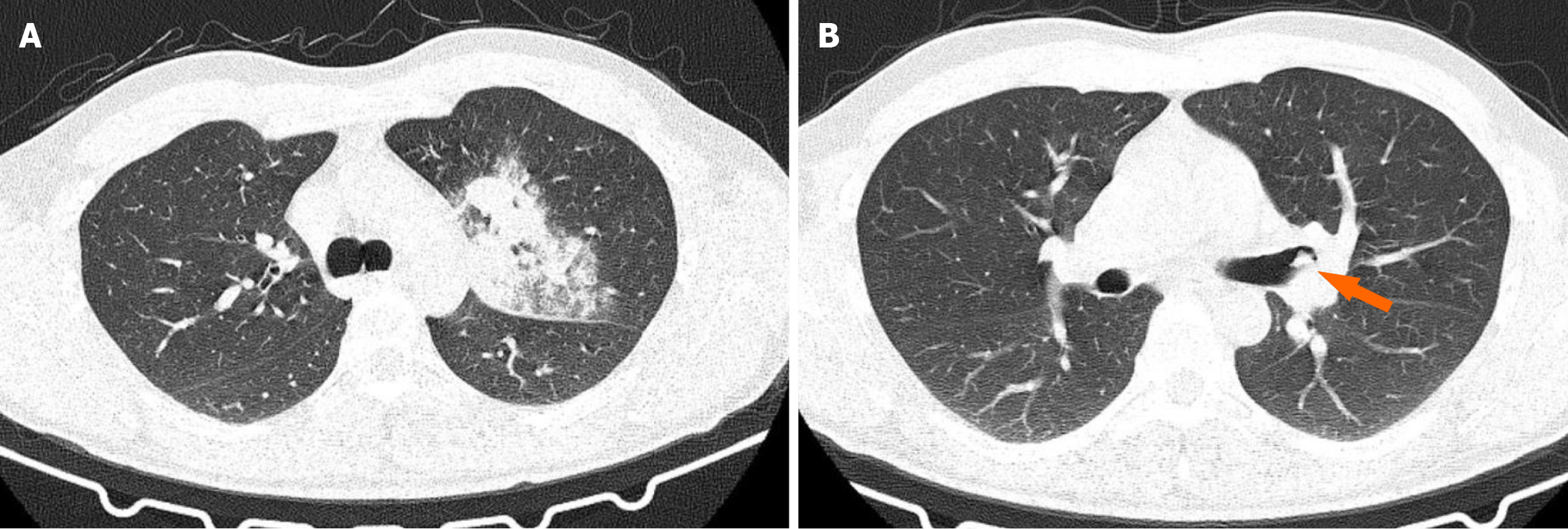
Figure 1 Chest computed tomography result.
A: Left upper lobe consolidation secondary to endobronchial obstruction. Axial chest computed tomography (CT; lung window) showing consolidation with air bronchograms in the left upper lobe, associated with surrounding ground-glass opacities. The imaging findings are consistent with post-obstructive pneumonia related to an underlying endobronchial lesion located between the left main bronchus and the left upper lobar bronchus (not shown in this slice); B: Endobronchial chondroma. Axial chest CT image showing an endobronchial lesion located between the left main bronchus and the left upper lobar bronchus (arrow), corresponding to the obstructing mass identified on bronchoscopy.
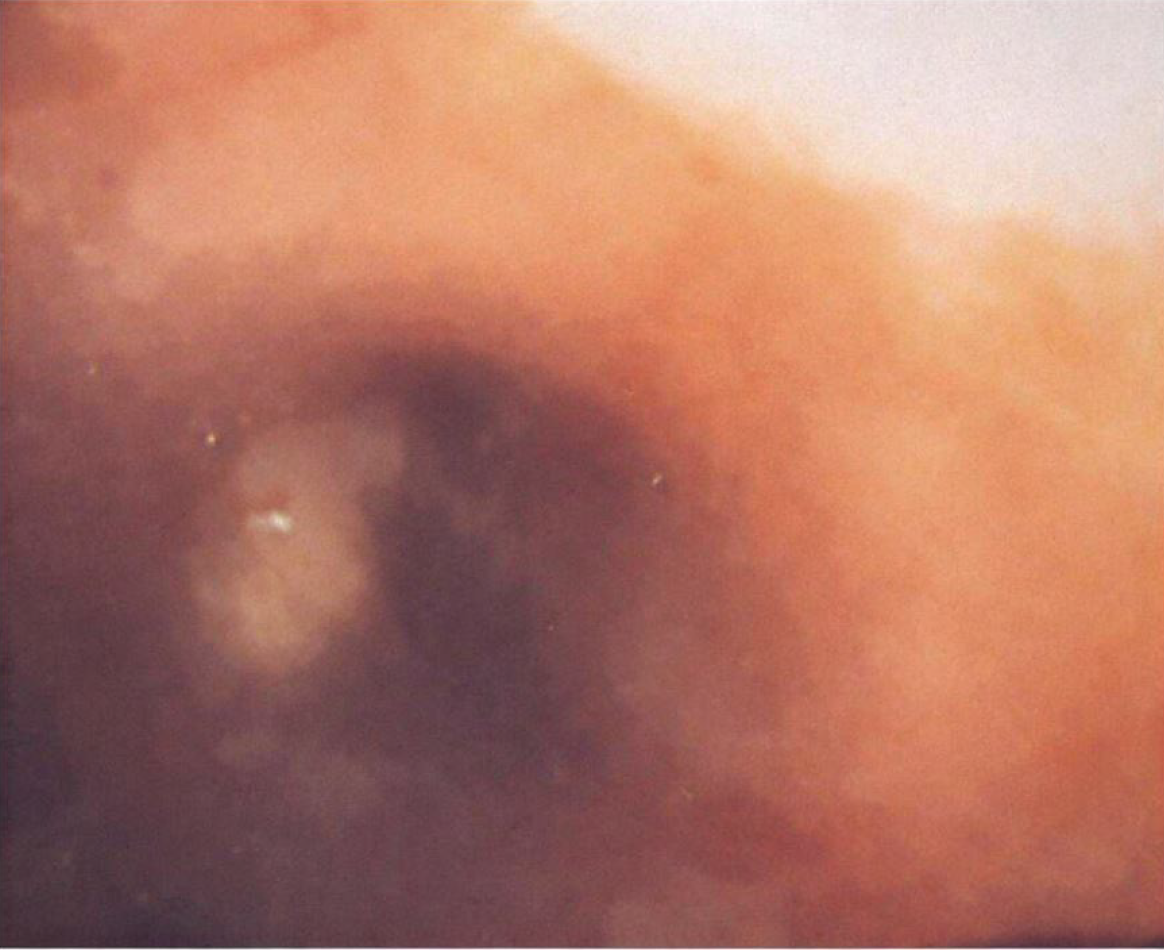
Figure 2 Bronchoscopic appearance of endobronchial chondroma.
Flexible bronchoscopy demonstrating a polypoid, smooth, vascularized endobronchial lesion partially obstructing the lumen of the left upper lobar bronchus. The mass appears broad-based, with intact overlying mucosa and no visible necrosis or ulceration, findings consistent with a benign endobronchial tumor subsequently confirmed as chondroma on histopathological examination.
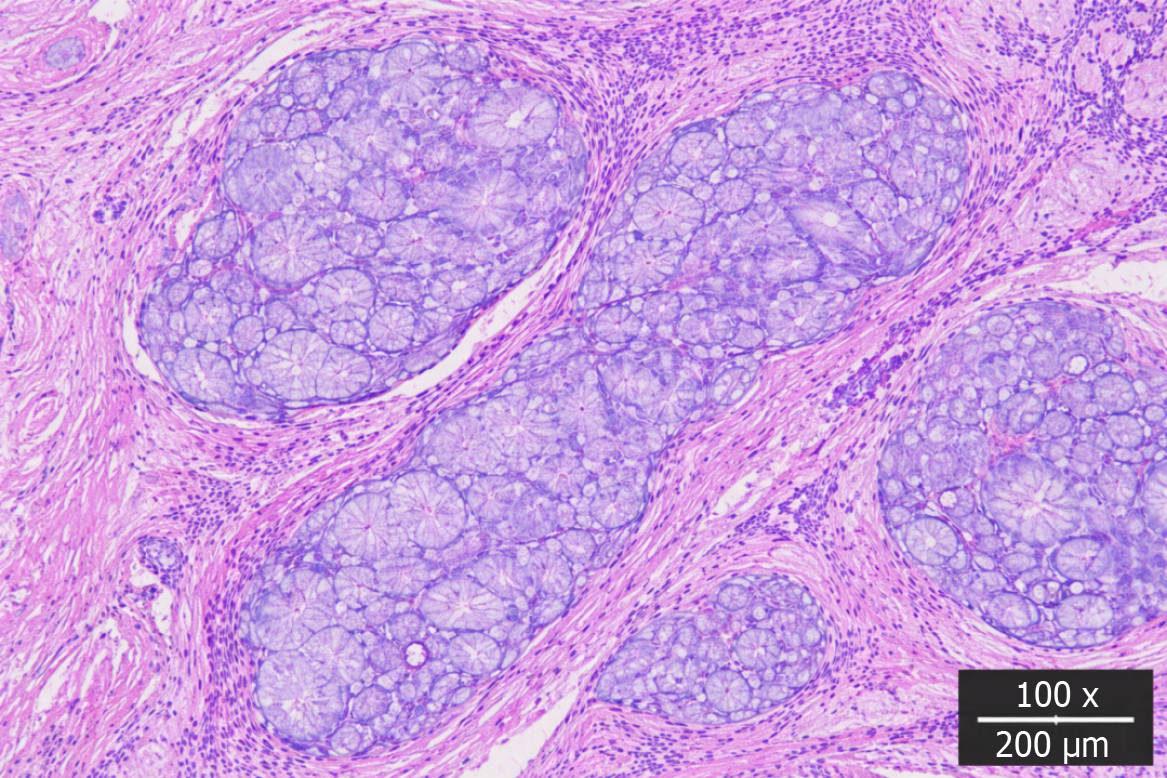
Figure 3 Histopathological features of endobronchial chondroma (hematoxylin and eosin stain).
Microscopic examination demonstrates well-circumscribed nodular aggregates of mature hyaline cartilage embedded within a myxoid stroma. The chondrocytes are uniform, residing in lacunae, and show no cytologic atypia, pleomorphism, increased cellularity, or mitotic activity. No infiltrative growth pattern is observed. These histopathological findings are consistent with a diagnosis of endobronchial chondroma.
- Citation: Dodos K, Kalamara TV, Georgakopoulou VE. Endobronchial chondroma presenting as recurrent pneumonia - diagnostic role of bronchoscopy and surgical management: A case report. World J Clin Cases 2026; 14(18): 120279
- URL: https://www.wjgnet.com/2307-8960/full/v14/i18/120279.htm
- DOI: https://dx.doi.org/10.12998/wjcc.120279