
















Copyright: ©Author(s) 2026.
World J Clin Cases. Jun 26, 2026; 14(18): 120219
Published online Jun 26, 2026. doi: 10.12998/wjcc.120219
Published online Jun 26, 2026. doi: 10.12998/wjcc.120219
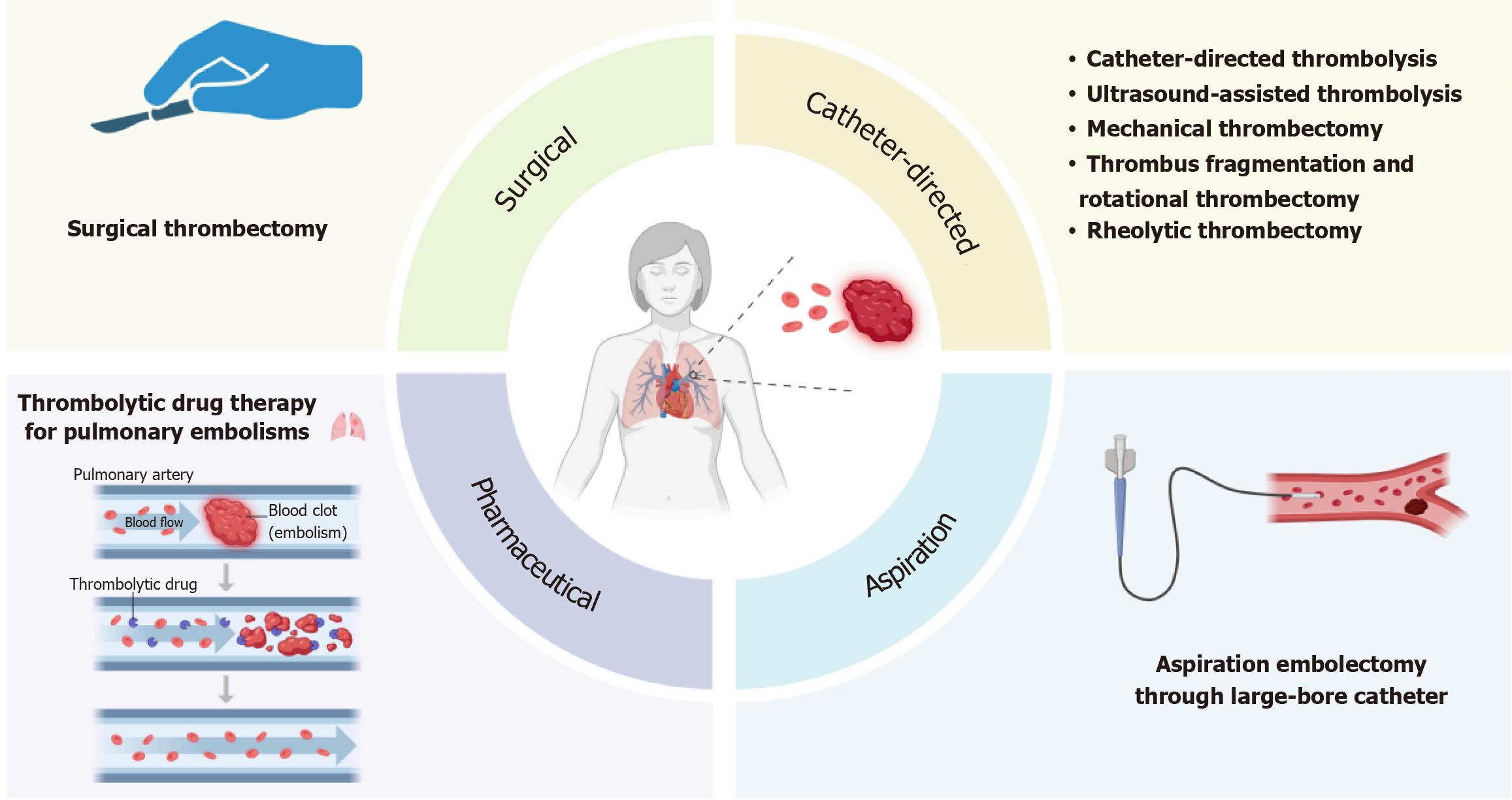
Figure 1 Interventional treatment of pulmonary embolism.
Schematic overview of contemporary therapeutic strategies for acute pulmonary embolism. Management options span four principal domains: (1) Pharmaceutical therapy, including systemic anticoagulation and thrombolytic drug administration; (2) Surgical thrombectomy, involving open embolectomy under cardiopulmonary bypass in selected high-risk patients; (3) Catheter-directed therapies, such as catheter-directed thrombolysis, ultrasound-assisted thrombolysis, mechanical thrombectomy, thrombus fragmentation/rotational thrombectomy and rheolytic thrombectomy; and (4) Aspiration embolectomy, performed using large-bore catheter systems for direct clot extraction. These approaches aim to restore pulmonary perfusion, reduce right ventricular afterload and improve hemodynamic stability, with technique selection guided by patient risk stratification, bleeding risk and institutional expertise. The images were created using BioRender (Supplementary material).
- Citation: Latsios G, Ktenopoulos N, Koliastasis L, Apostolos A, Kachrimanidis I, Vlachakis PK, Tolis E, Mantziaris V, Stroumpouli E, Tsalamandris S, Drakopoulou M, Synetos A, Tsioufis K, Toutouzas K. From anticoagulation to intervention: The expanding role of percutaneous therapies in pulmonary embolism. World J Clin Cases 2026; 14(18): 120219
- URL: https://www.wjgnet.com/2307-8960/full/v14/i18/120219.htm
- DOI: https://dx.doi.org/10.12998/wjcc.120219