
















Copyright: ©Author(s) 2026.
World J Clin Cases. Jun 16, 2026; 14(17): 120192
Published online Jun 16, 2026. doi: 10.12998/wjcc.v14.i17.120192
Published online Jun 16, 2026. doi: 10.12998/wjcc.v14.i17.120192
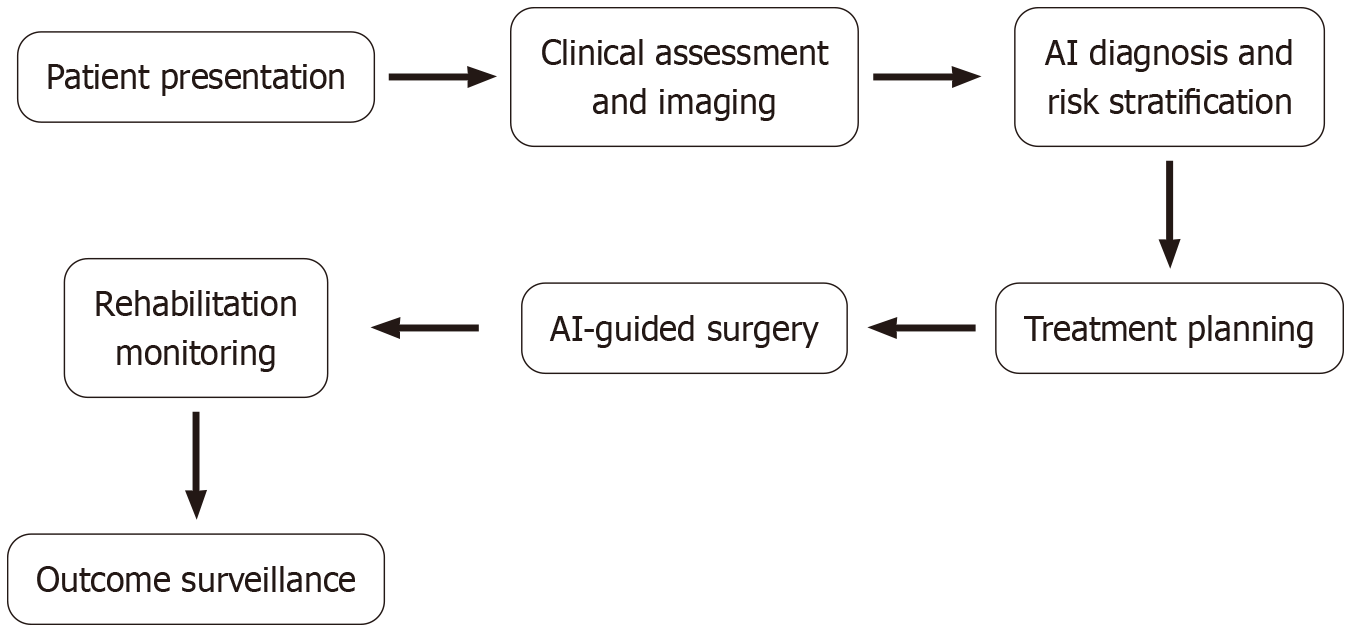
Figure 1 Artificial intelligence-enabled orthopaedic care workflow.
Artificial intelligence supports clinical assessment, diagnosis, treatment planning, artificial intelligence-guided surgery, rehabilitation monitoring, and outcome surveillance, enabling improved decision-making and patient outcome optimisation across the orthopaedic care continuum. AI: Artificial intelligence.
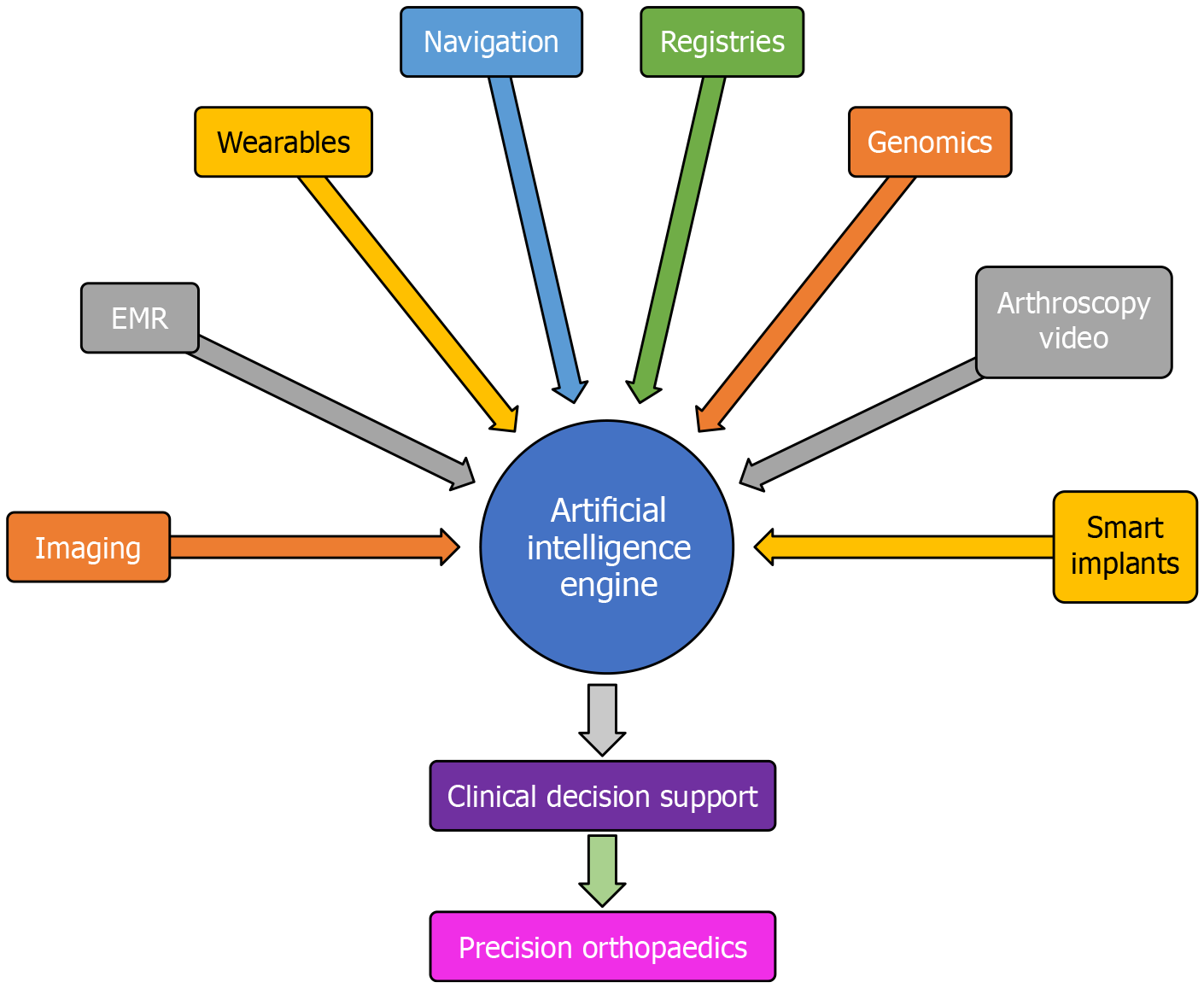
Figure 2 Multimodal data integration framework for artificial intelligence-driven clinical decision support in orthopaedics.
Artificial intelligence integrates diverse data sources including imaging, electronic medical records, wearable sensors, surgical navigation systems, registries, genomics, arthroscopy video, and smart implants to support clinical decision-making and enable precision orthopaedic care. EMR: Electronic medical record.
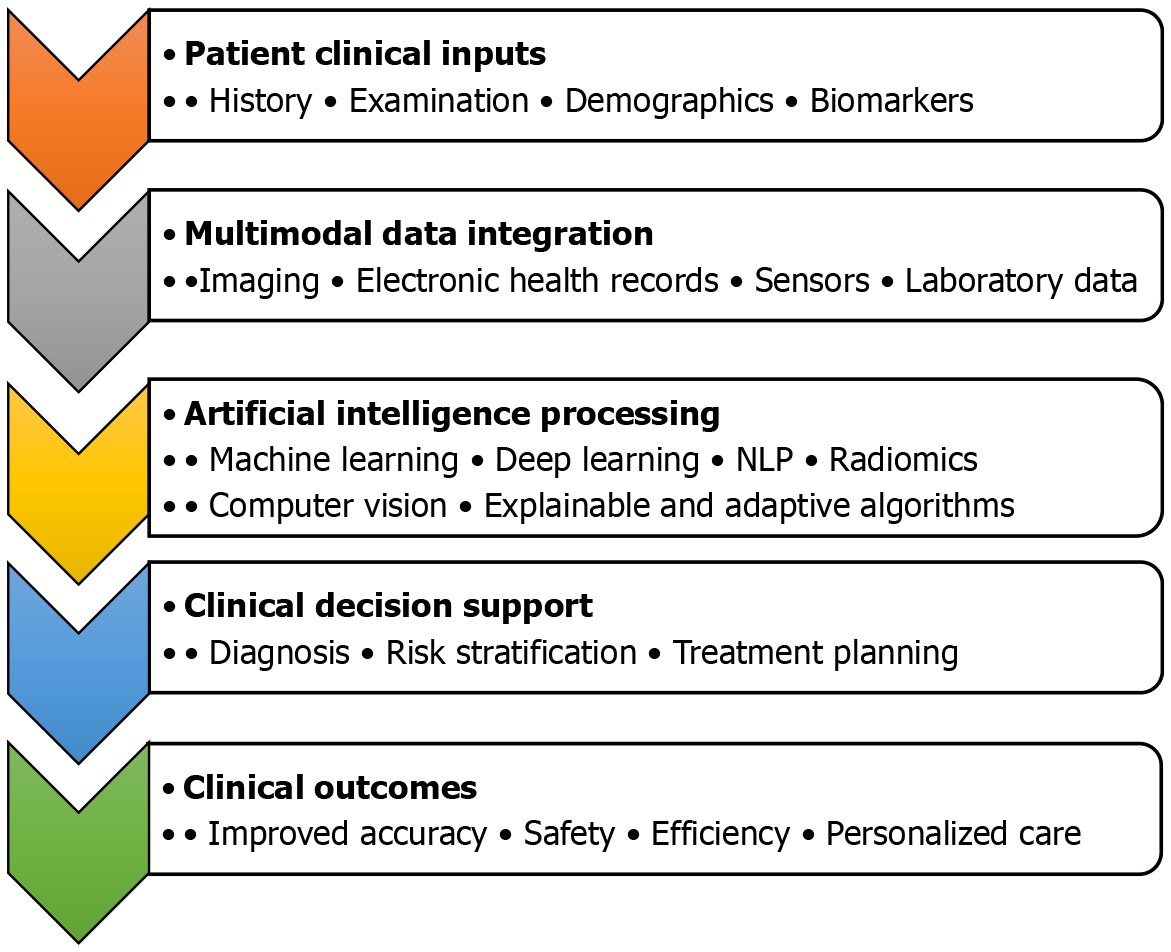
Figure 3 Artificial intelligence-driven clinical decision support framework in orthopaedics.
Patient clinical inputs and multimodal data are integrated and processed using artificial intelligence techniques, including machine learning and deep learning, to support diagnosis, risk stratification, and treatment planning, ultimately improving clinical accuracy, efficiency, safety, and personalised patient care. NLP: Natural language processing.
- Citation: Dwajan A, Patro DR, Agarwal A, Lalhmingmawii M. Artificial intelligence in orthopaedics: Clinical decision support, medical imaging, surgical planning, and outcome prediction. World J Clin Cases 2026; 14(17): 120192
- URL: https://www.wjgnet.com/2307-8960/full/v14/i17/120192.htm
- DOI: https://dx.doi.org/10.12998/wjcc.v14.i17.120192