
















Copyright: ©Author(s) 2026.
World J Methodol. Jun 20, 2026; 16(2): 114072
Published online Jun 20, 2026. doi: 10.5662/wjm.v16.i2.114072
Published online Jun 20, 2026. doi: 10.5662/wjm.v16.i2.114072
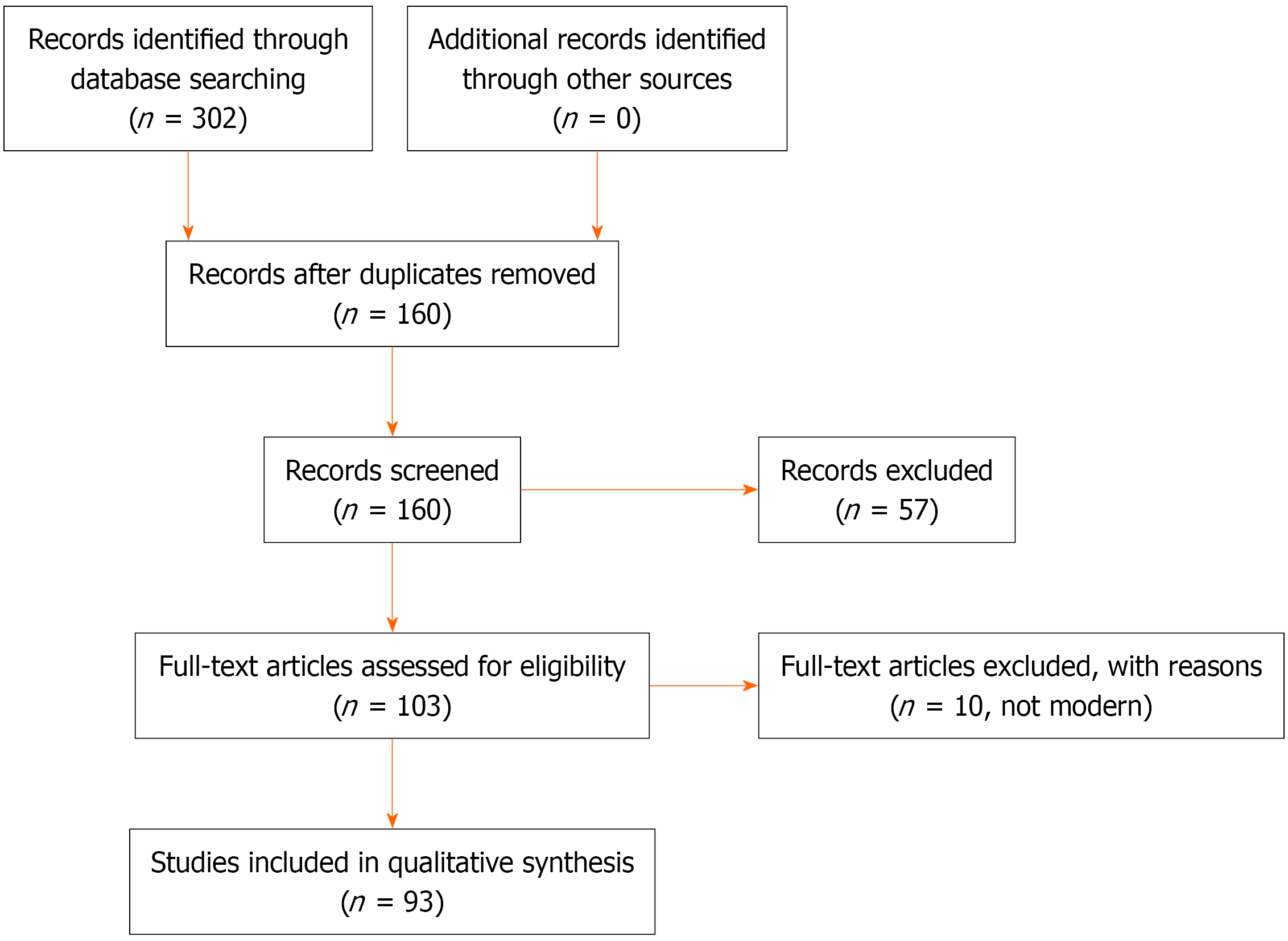
Figure 1 Preferred Reporting Items for Systematic reviews and Meta-Analyses flow diagram.
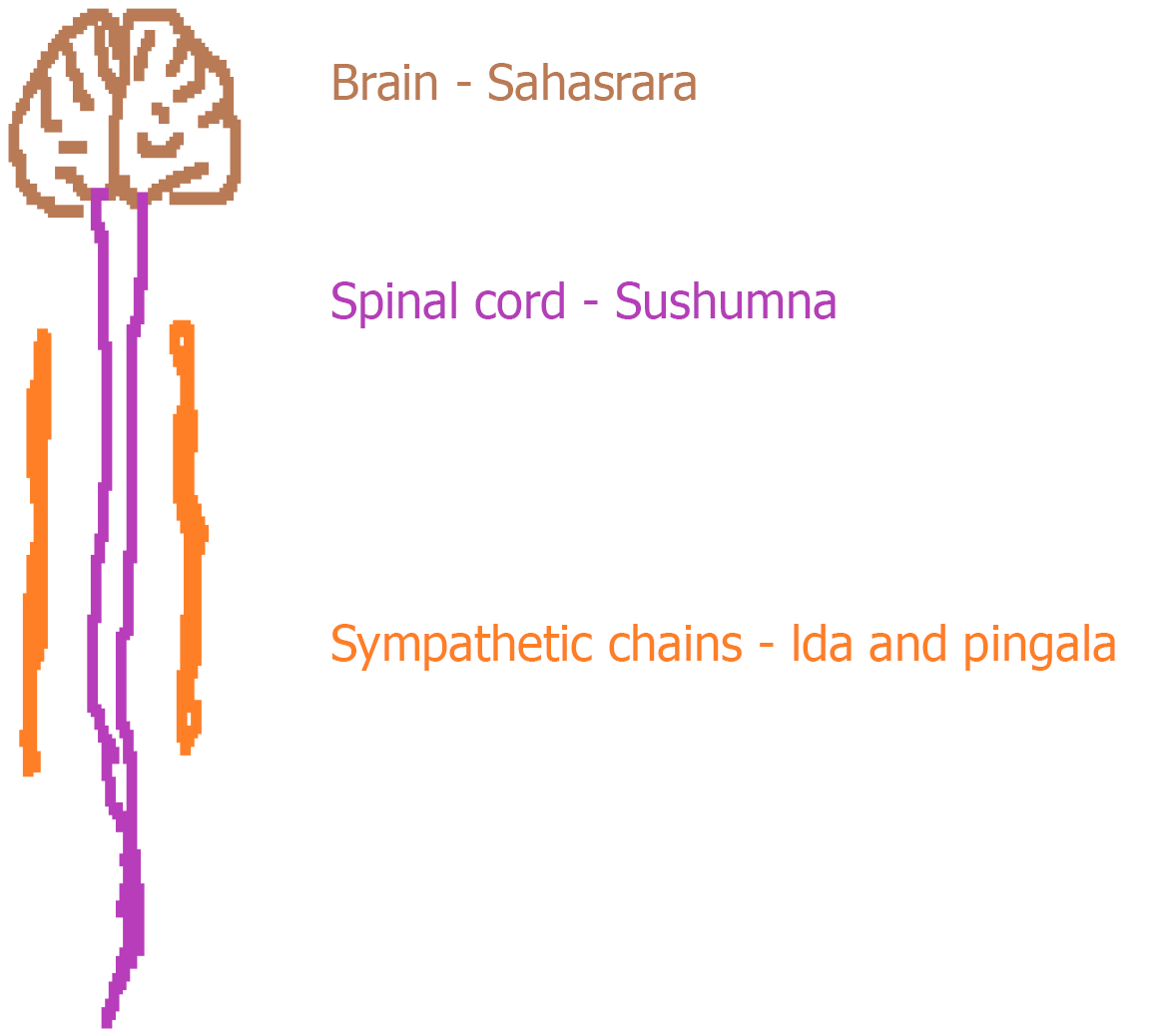
Figure 2 The similarity of yogic knowledge to neuroanatomy; brain with multitude of gyri is described as sahasrara; spinal cord is termed as sushumna; ida and pingala on sides are actually the sympathetic chains.
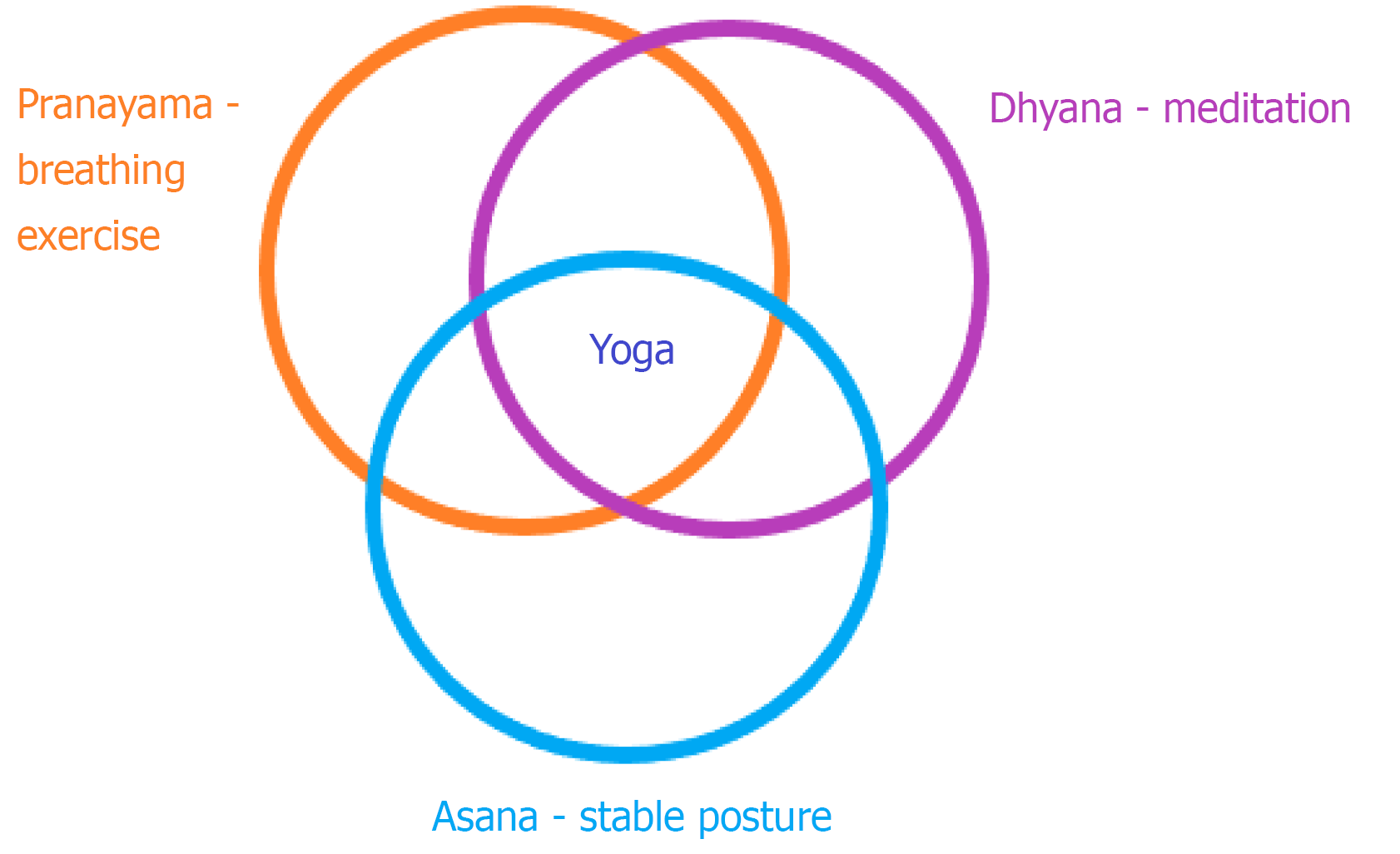
Figure 3 Essential parts of yoga-asana (stable and comfortable posture), pranayama (breathing exercise), and dhyana (meditation).
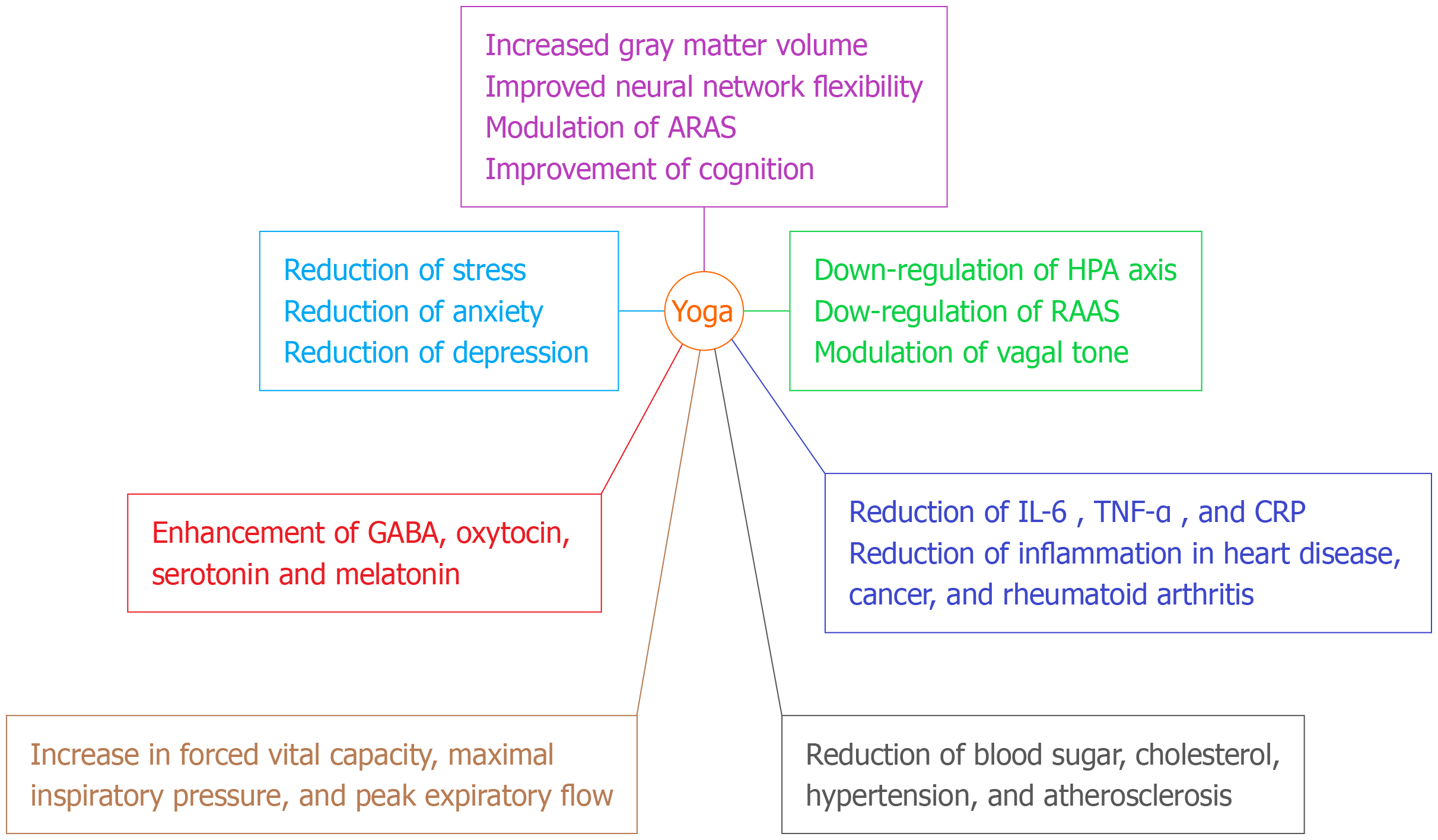
Figure 4 Summary of physiological benefits of yoga in different systems.
ARAS: Ascending reticular activating system; CRP: C reactive protein; GABA: Gamma-aminobutyric acid; HPA: Hypothalamopituitary adrenal; IL-6: Interleukin-6; RAAS: Renin-angiotensin-aldosterone system; TNF-α: Tumor necrosis factor alpha.
- Citation: Unnithan AKA. Comprehensive review on the benefits and physiological basis of yoga. World J Methodol 2026; 16(2): 114072
- URL: https://www.wjgnet.com/2222-0682/full/v16/i2/114072.htm
- DOI: https://dx.doi.org/10.5662/wjm.v16.i2.114072