
















©The Author(s) 2025.
World J Nephrol. Dec 25, 2025; 14(4): 111613
Published online Dec 25, 2025. doi: 10.5527/wjn.v14.i4.111613
Published online Dec 25, 2025. doi: 10.5527/wjn.v14.i4.111613
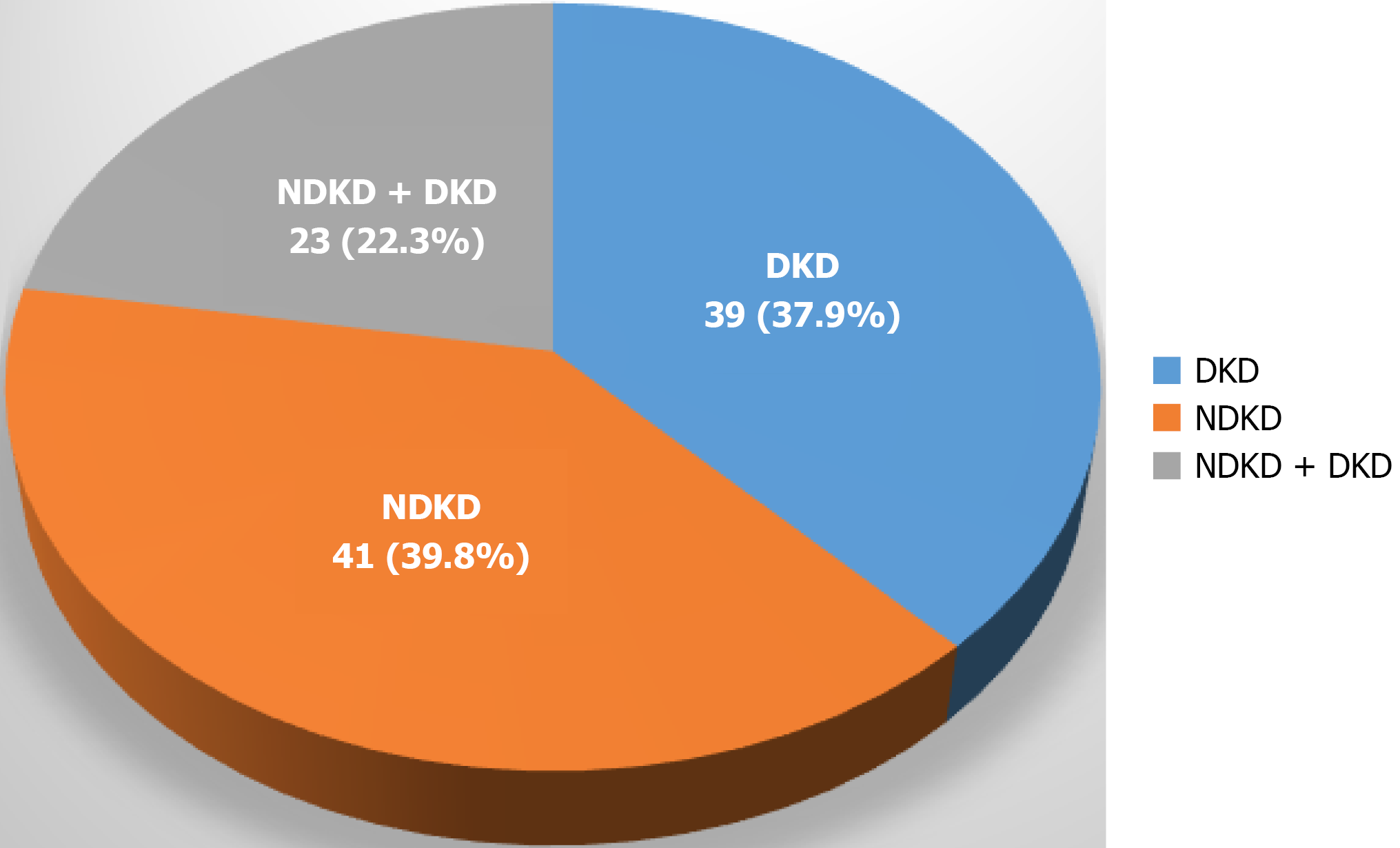
Figure 1 Illustrates the prevalence of pure diabetic nephropathy and non-diabetic kidney diseases, as well as non-diabetic kidney diseases + diabetic nephropathy.
DKD: Diabetic kidney diseases; NDKD: Non-diabetic kidney diseases.
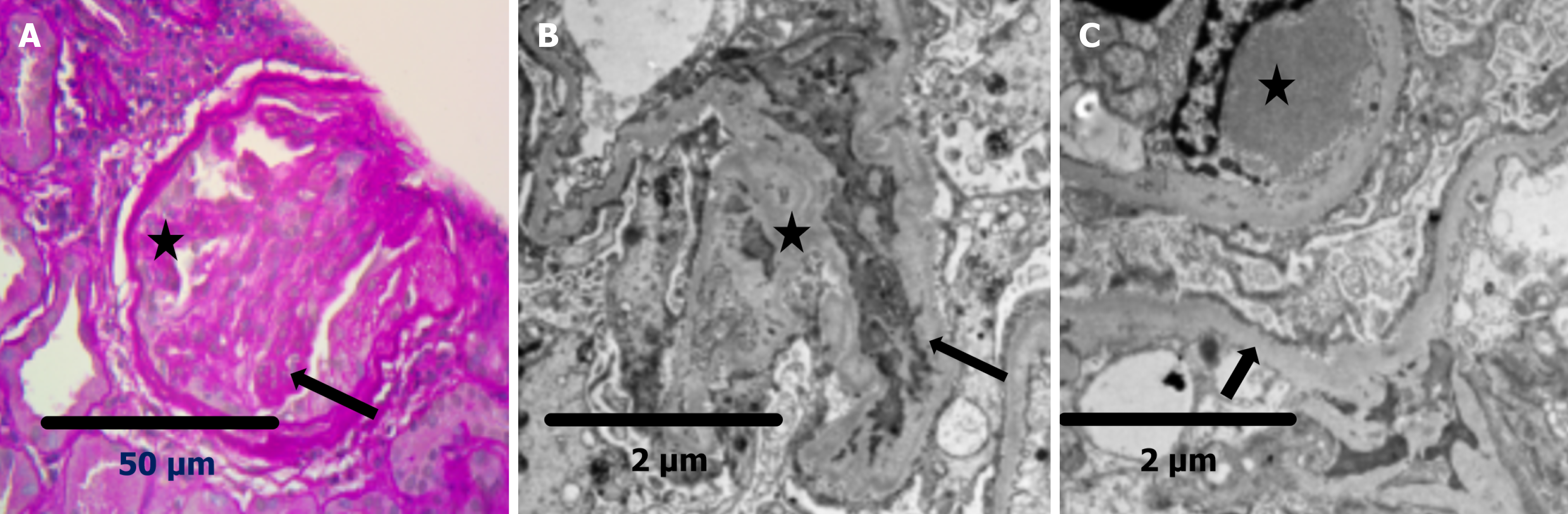
Figure 2 Shows focal segmental sclerosis with early diffuse diabetic nephropathy changes.
A: Segmental glomerular sclerosis showing obliteration of glomerular capillary lumina (arrow) and adhesion of the sclerotic tuft to Bowman’s capsule (star) (Periodic acid–Schiff stain, × 40); B: Ultrastructurally, the mesangium is expanded by increased mesangial matrix (star), and the glomerular basement membrane is thickened (arrow) (Transmission electron microscopy, uranyl acetate and lead citrate stain); C: Electron micrograph demonstrating loss of normal glomerular basement membrane ultrastructural detail (arrow) and subendothelial deposition of dense material consistent with hyalinosis (star) (Transmission electron microscopy, uranyl acetate and lead citrate stain).
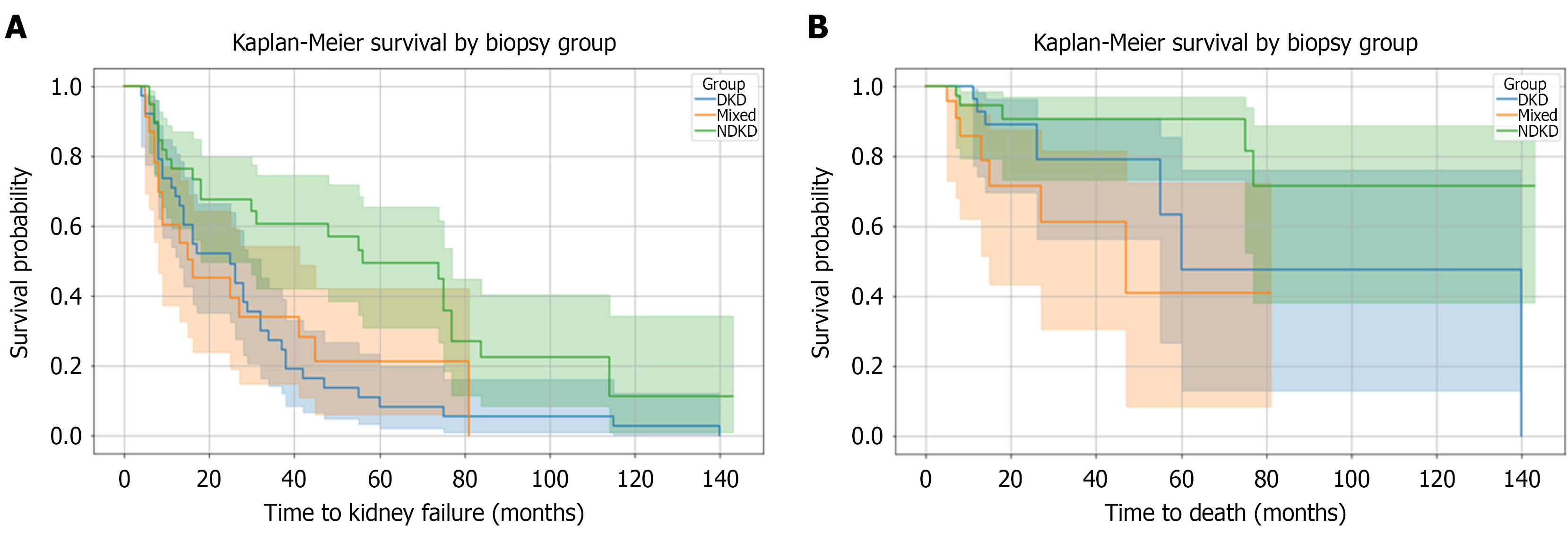
Figure 3 Kaplan-Meier curves.
A: Kaplan-Meier curves compare the time to kidney failure across three biopsy-based groups. The log-rank test P-value = 0.0033, indicating a statistically significant difference in kidney failure risk between the groups; B: Shows Kaplan-Meier survival curves comparing time to death between patients with diabetic kidney diseases, non-diabetic kidney diseases, and mixed lesions. Shaded areas show the 95% confidence intervals, representing uncertainty in survival estimates. The log-rank test P-value = 0.018, indicating a statistically significant difference in mortality across the groups. DKD: Diabetic kidney diseases; NDKD: Non-diabetic kidney diseases.
- Citation: Al-Qurashi SH, Khalil MAM, Mahmood HHK, A Al-Ghamdi R, Alsharif MM, Said Ahmed MA, Alghamdi RMH, Sadagah NM. Predictors of non-diabetic kidney disease in diabetics: A Saudi Arabian perspective. World J Nephrol 2025; 14(4): 111613
- URL: https://www.wjgnet.com/2220-6124/full/v14/i4/111613.htm
- DOI: https://dx.doi.org/10.5527/wjn.v14.i4.111613