
















Copyright: ©Author(s) 2026.
World J Virol. Jun 25, 2026; 15(2): 120027
Published online Jun 25, 2026. doi: 10.5501/wjv.v15.i2.120027
Published online Jun 25, 2026. doi: 10.5501/wjv.v15.i2.120027
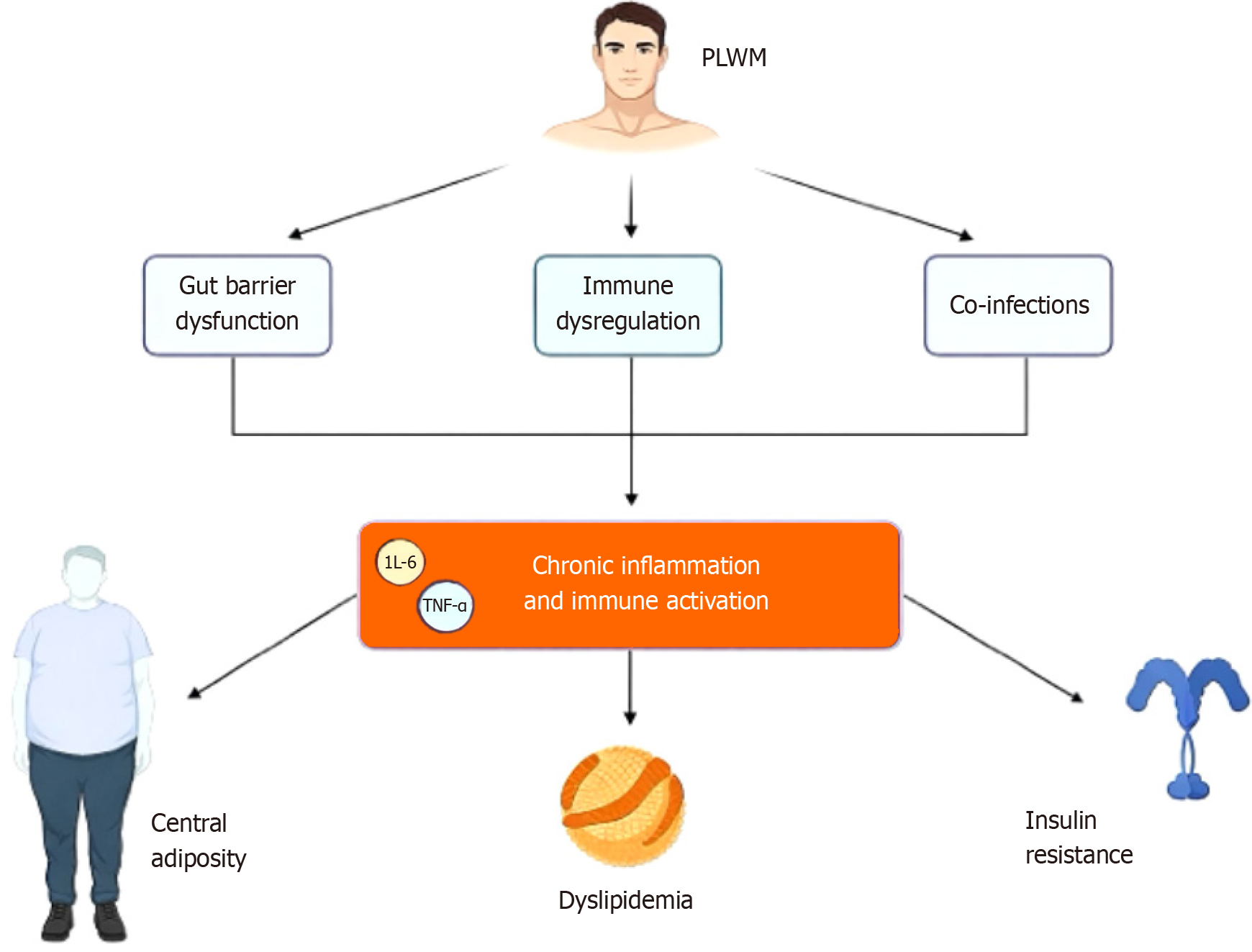
Figure 1 Chronic inflammation and immune activation in people living with human immunodeficiency virus increase risk of metabolic syndrome.
The images were created using BioRender (Supplementary material). PLWH: People living with human immunodeficiency virus; IL: Interleukin; TNF: Tumor necrosis factor.
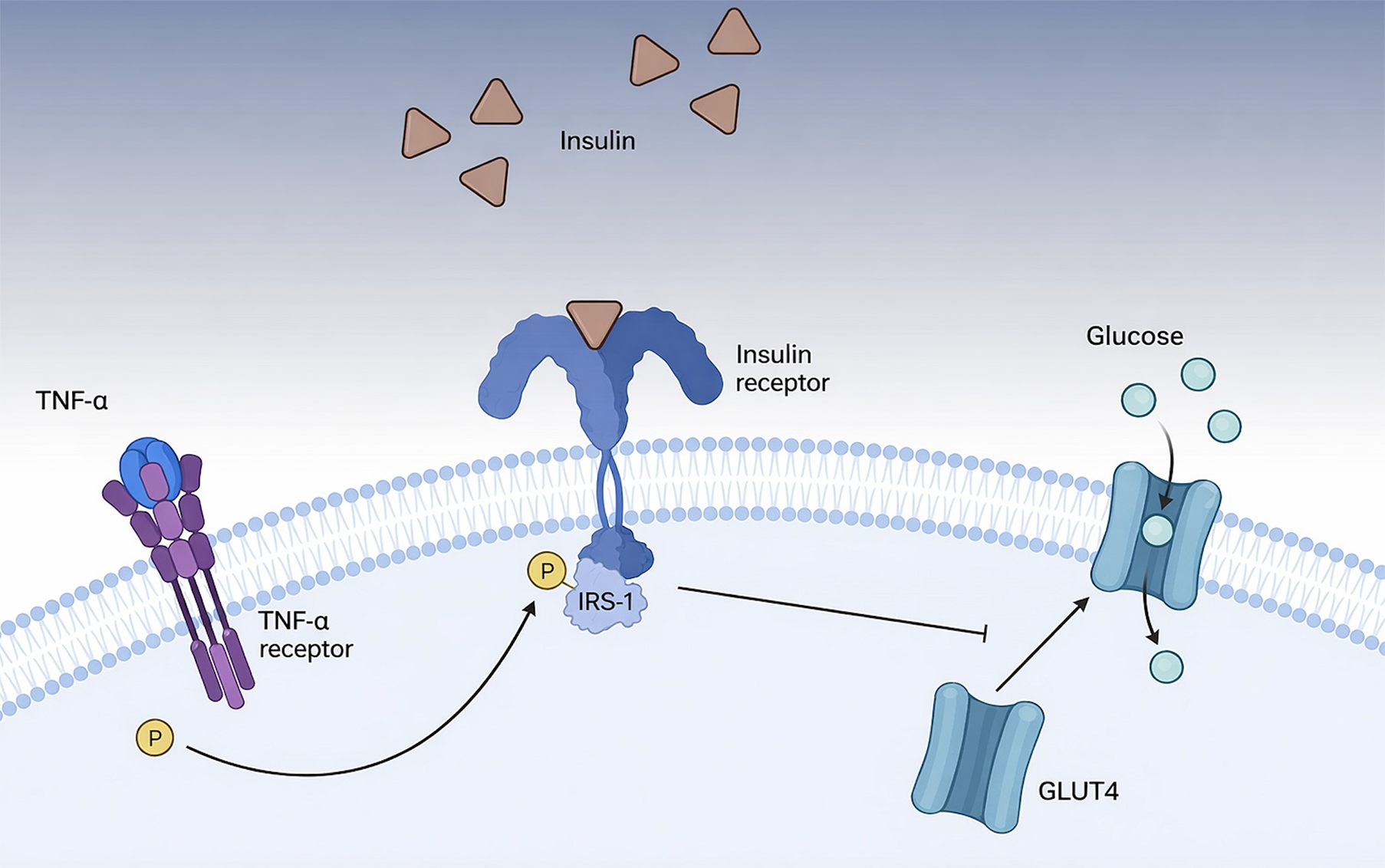
Figure 2 Elevated tumor necrosis factor-α levels in people living with human immunodeficiency virus promotes phosphorylation of insulin receptor substrate-1 and decreases translocation of glucose transporter type 4, thereby worsening insulin resistance and pro
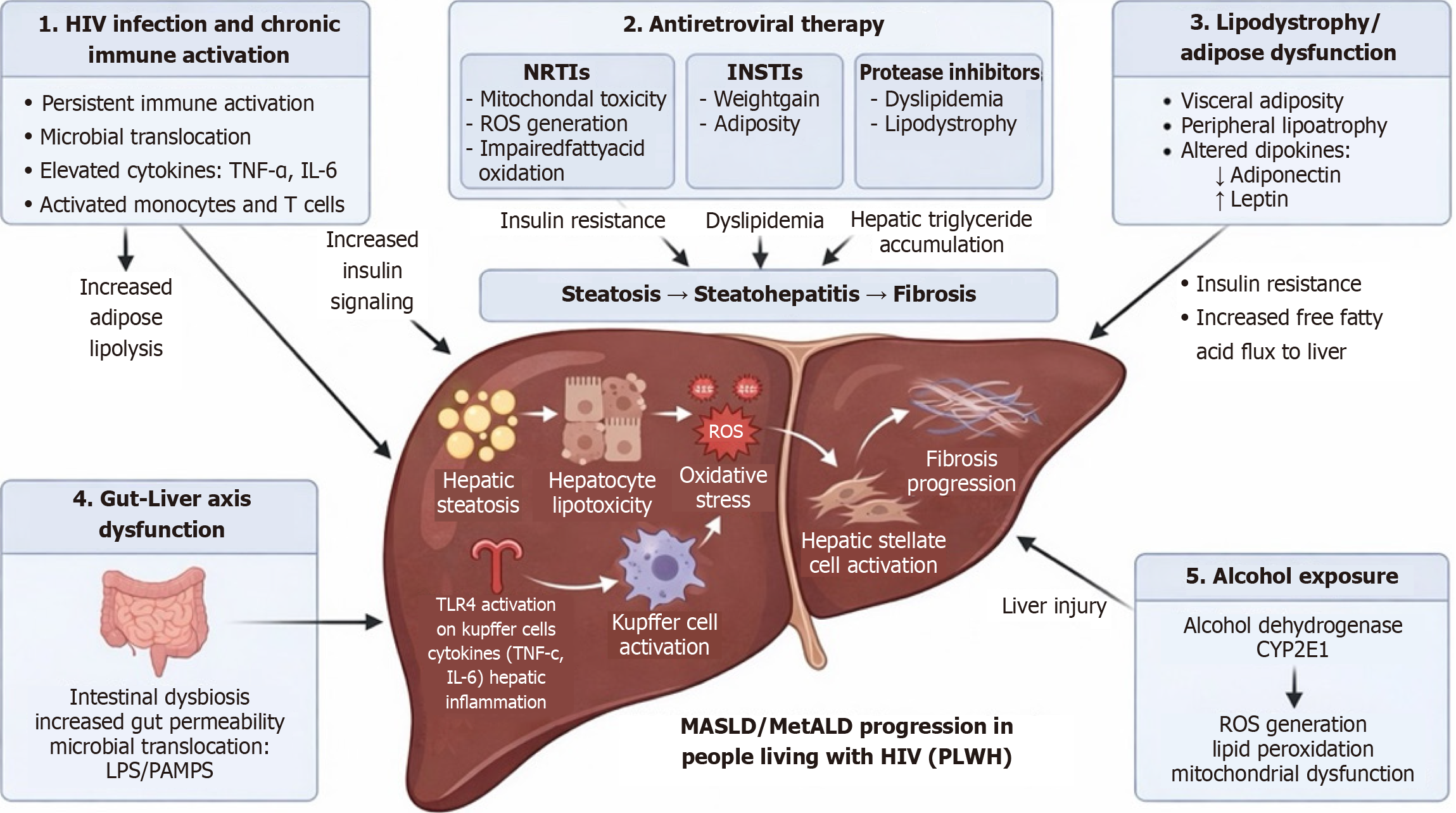
Figure 3 Human immunodeficiency virus-related mechanisms and their roles in metabolic dysfunction-associated steatotic liver dis
- Citation: Bandara D, Joshi K, Singh C, Sohal A, Al-Qaisi M, Najafian N. Metabolic dysfunction-associated steatotic liver disease and metabolic dysfunction-associated alcohol-related liver disease in human immunodeficiency virus. World J Virol 2026; 15(2): 120027
- URL: https://www.wjgnet.com/2220-3249/full/v15/i2/120027.htm
- DOI: https://dx.doi.org/10.5501/wjv.v15.i2.120027