
















Copyright: ©Author(s) 2026.
World J Psychiatry. Sep 19, 2026; 16(9): 120652
Published online Sep 19, 2026. doi: 10.5498/wjp.120652
Published online Sep 19, 2026. doi: 10.5498/wjp.120652
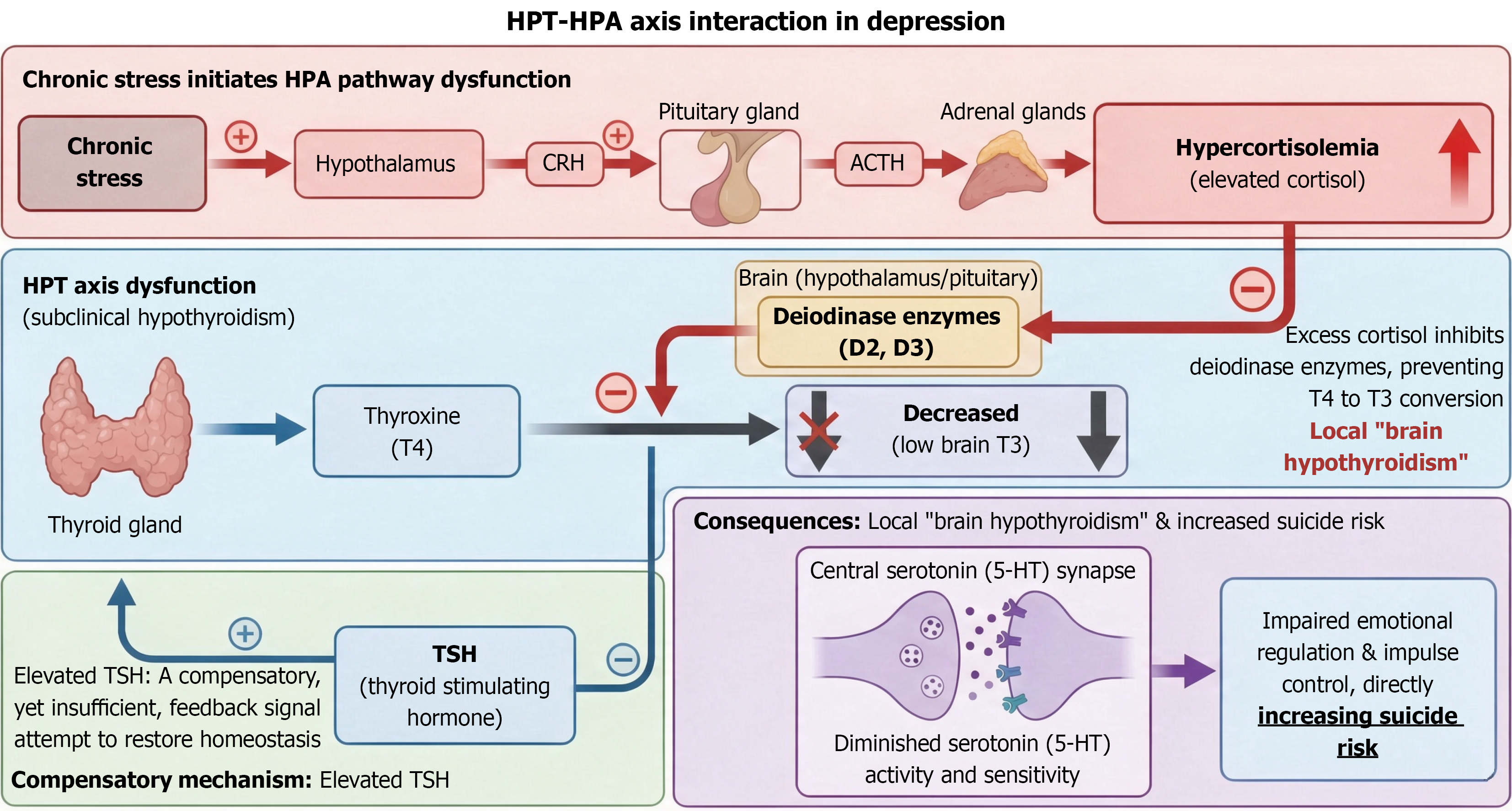
Figure 1 The neurobiological interface of the hypothalamic-pituitary-thyroid and hypothalamic-pituitary-adrenal axes in major depressive disorder-related suicidality.
This conceptual diagram illustrates the complex physiological cross-talk driving suicidal vulnerability. Chronic stress (central) activates the hypothalamic-pituitary-adrenal axis, resulting in hypercortisolemia. Concurrently, it disrupts the hypothalamic-pituitary-thyroid axis by inhibiting deiodinase enzymes. This prevents the essential conversion of thyroxine to triiodothyronine within the brain, leading to localized “brain hypothyroidism.” This deficiency destabilizes the serotonergic system, reducing impulse control. Elevated TSH represents an insufficient compensatory feedback response. HPT-HPA: Hypothalamic-pituitary-thyroid and hypothalamic-pituitary-adrenal; CRH: Corticotropin-releasing hormone; ACTH: Adrenocorticotropic hormone; TSH: Thyroid-stimulating hormone.
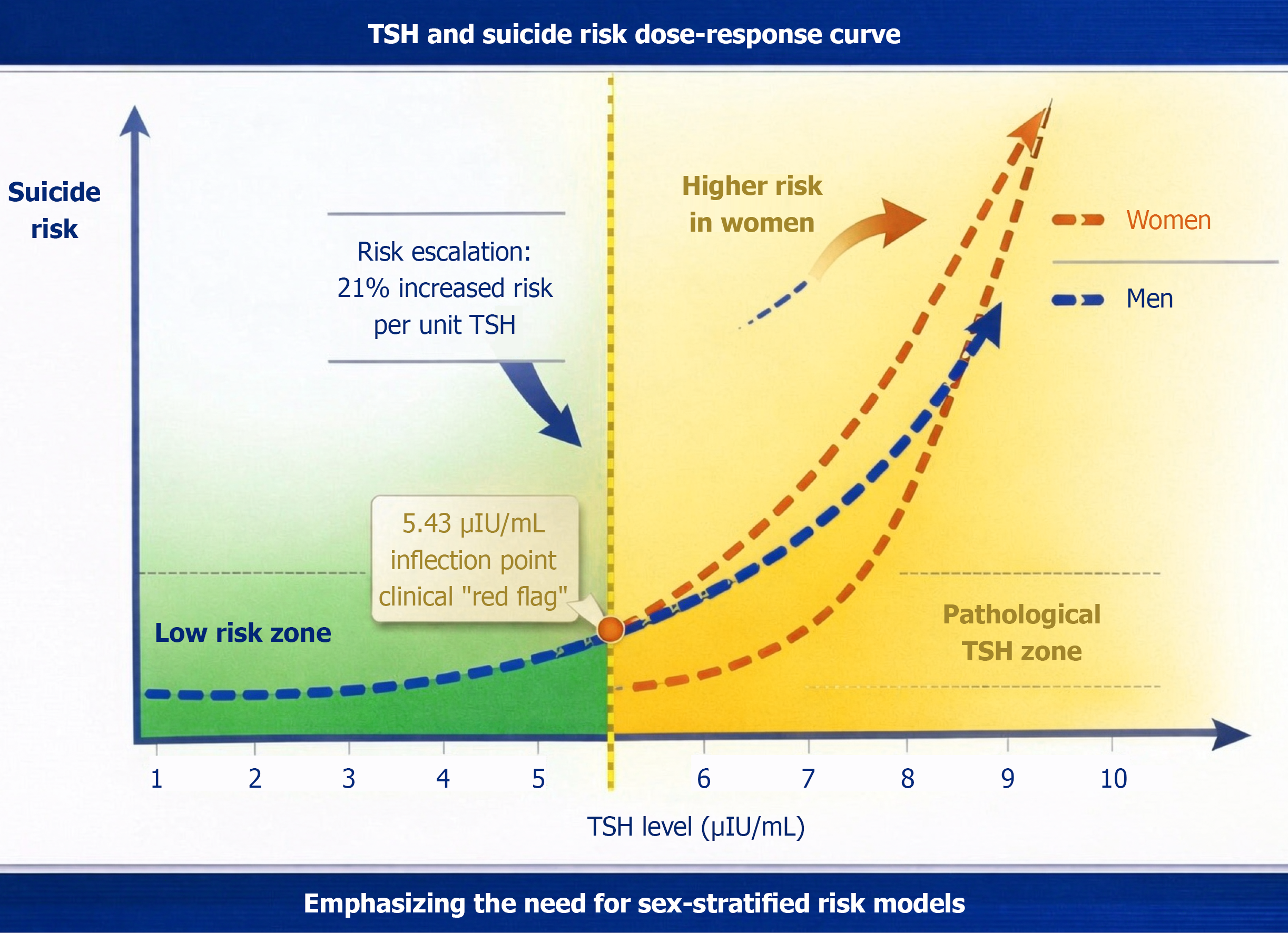
Figure 2 Conceptual dose-response relationship between thyroid-stimulating hormone and suicide.
This graph visualizes the key finding by Deng et al[1], identifying a nonlinear, threshold-based association. Below the critical inflection point of 5.43 µIU/mL, the risk curve remains relatively stable. Once thyroid-stimulating hormone crosses this threshold into the mildly pathologically elevated range, the risk of suicide attempts increases sharply (indicated by the orange upward arrow). This diagram highlights the clinical significance of 5.43 μIU/mL as a primary biological “red flag” and underscores the need for sex-stratified risk models. TSH: Thyroid-stimulating hormone.
- Citation: Nagamine T. Letter to the Editor: Insight into the nonlinear association between thyroid-stimulating hormone and suicide risk in first-episode major depressive disorder. World J Psychiatry 2026; 16(9): 120652
- URL: https://www.wjgnet.com/2220-3206/full/v16/i9/120652.htm
- DOI: https://dx.doi.org/10.5498/wjp.120652