















Copyright: ©Author(s) 2026.
World J Psychiatry. Aug 19, 2026; 16(8): 118995
Published online Aug 19, 2026. doi: 10.5498/wjp.118995
Published online Aug 19, 2026. doi: 10.5498/wjp.118995
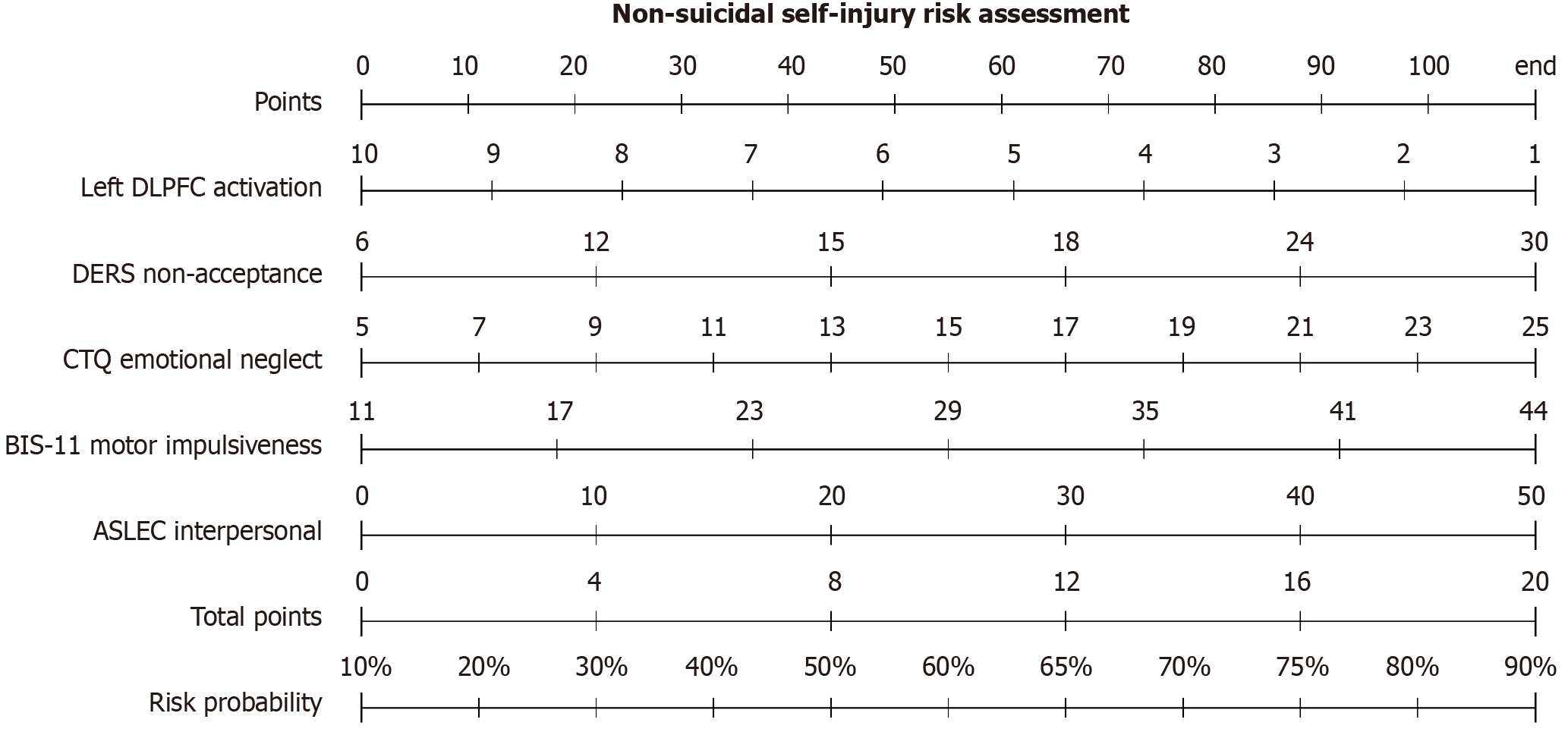
Figure 1 Nomogram for non-suicidal self-injury prediction model.
This nomogram was constructed based on a multivariate logistic regression model to predict the risk of non-suicidal self-injury. The nomogram includes five predictor variables: Left dorsolateral prefrontal cortex activation integral value, Difficulties in Emotion Regulation Scale non-acceptance of emotional responses score, Childhood Trauma Questionnaire emotional neglect score, Barratt Impulsiveness Scale-11 motor impulsiveness score, and Adolescent Self-Rating Life Events Checklist interpersonal relationships score. DLPFC: Dorsolateral prefrontal cortex; DERS: Difficulties in Emotion Regulation Scale; CTQ: Childhood Trauma Questionnaire; BIS-11: Barratt Impulsiveness Scale-11; ASLEC: Adolescent Self-Rating Life Events Checklist.
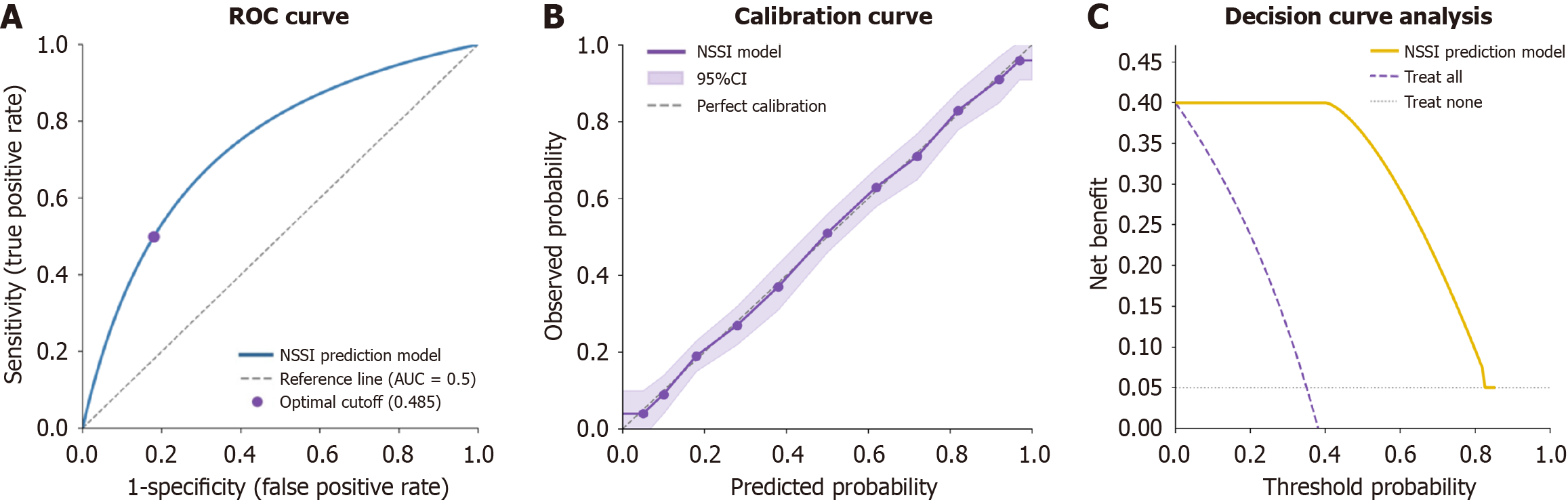
Figure 2 Validation of non-suicidal self-injury prediction model.
A: Receiver operating characteristic curve: Area under the curve (AUC) = 0.891 (95%CI: 0.854-0.928); optimal cutoff = 0.485 with sensitivity 82.7% and specificity 81.4%; B: Calibration curve: Hosmer-Lemeshow test χ2 = 8.256, P = 0.409, indicating good calibration. Bootstrap validation (1000 iterations): Corrected AUC = 0.876 (95%CI: 0.835-0.917); C: Decision curve: The model provides net benefit over treat-all or treat-none strategies within threshold probability range 015-0.85, demonstrating clinical utility. ROC: Receiver operating characteristic; NSSI: Non-suicidal self-injury.
- Citation: Liu WG, Liu HZ, Fu HQ, Lv H, Liu C, Li CX. Development and validation of a prediction model for non-suicidal self-injury in adolescents based on functional near-infrared spectroscopy and neuropsychological assessment. World J Psychiatry 2026; 16(8): 118995
- URL: https://www.wjgnet.com/2220-3206/full/v16/i8/118995.htm
- DOI: https://dx.doi.org/10.5498/wjp.118995