
















Copyright: ©Author(s) 2026.
World J Psychiatry. Jul 19, 2026; 16(7): 117775
Published online Jul 19, 2026. doi: 10.5498/wjp.117775
Published online Jul 19, 2026. doi: 10.5498/wjp.117775
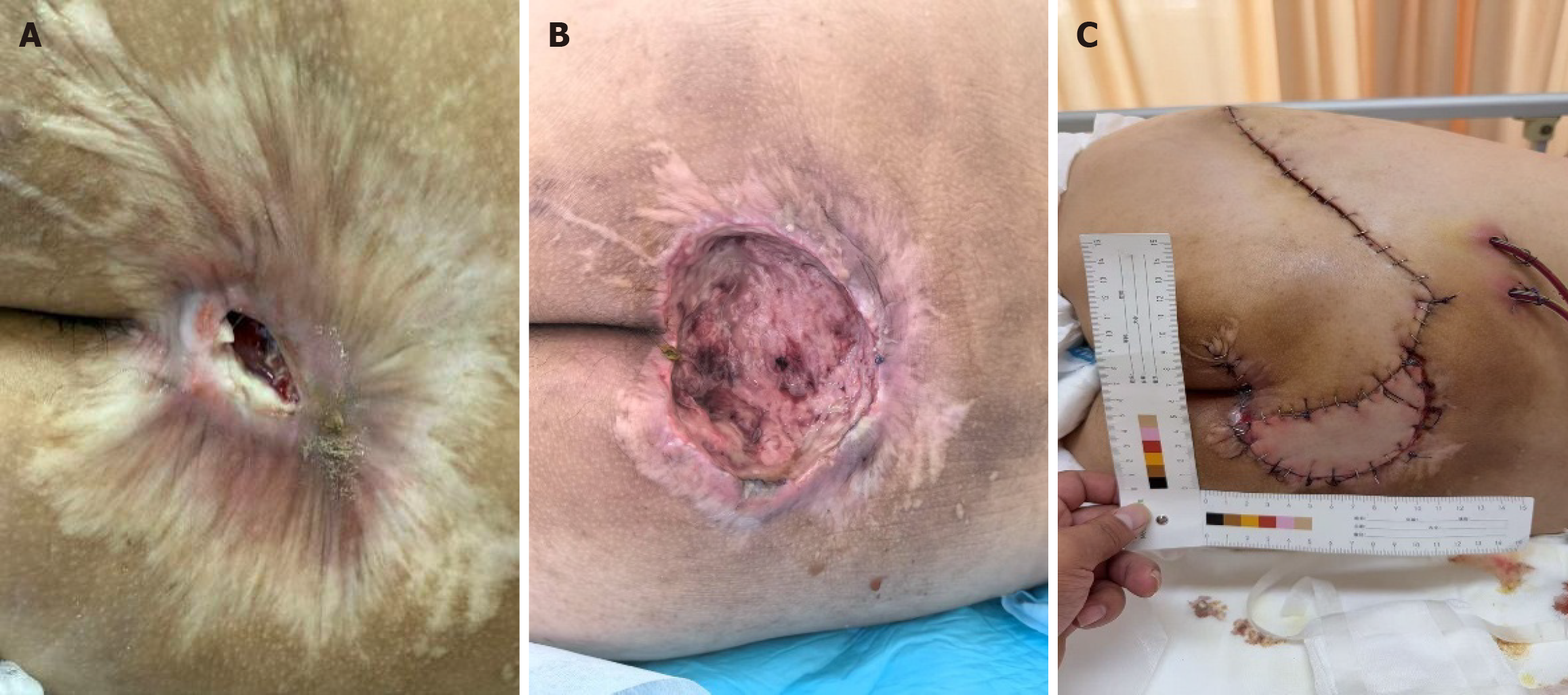
Figure 1 The pressure ulcer repair process in the control group patient.
A: The sacrococcygeal area presented with a 7 cm × 9 cm area of scar contracture. Within this, a central 6 cm × 7 cm region exhibited erythema and swelling, featuring a 3 cm × 3 cm open wound that extended to the depth of the sacrum and coccyx. The surface of the sacrococcygeal bone appeared black and was covered with purulent slough; B: Postoperative view following debridement of the sacrococcygeal osteomyelitic lesion, muscle debridement for ulcer repair, and application of a vacuum sealing drainage system; C: Postoperative view after a gluteus maximus myocutaneous flap transfer and skin grafting.
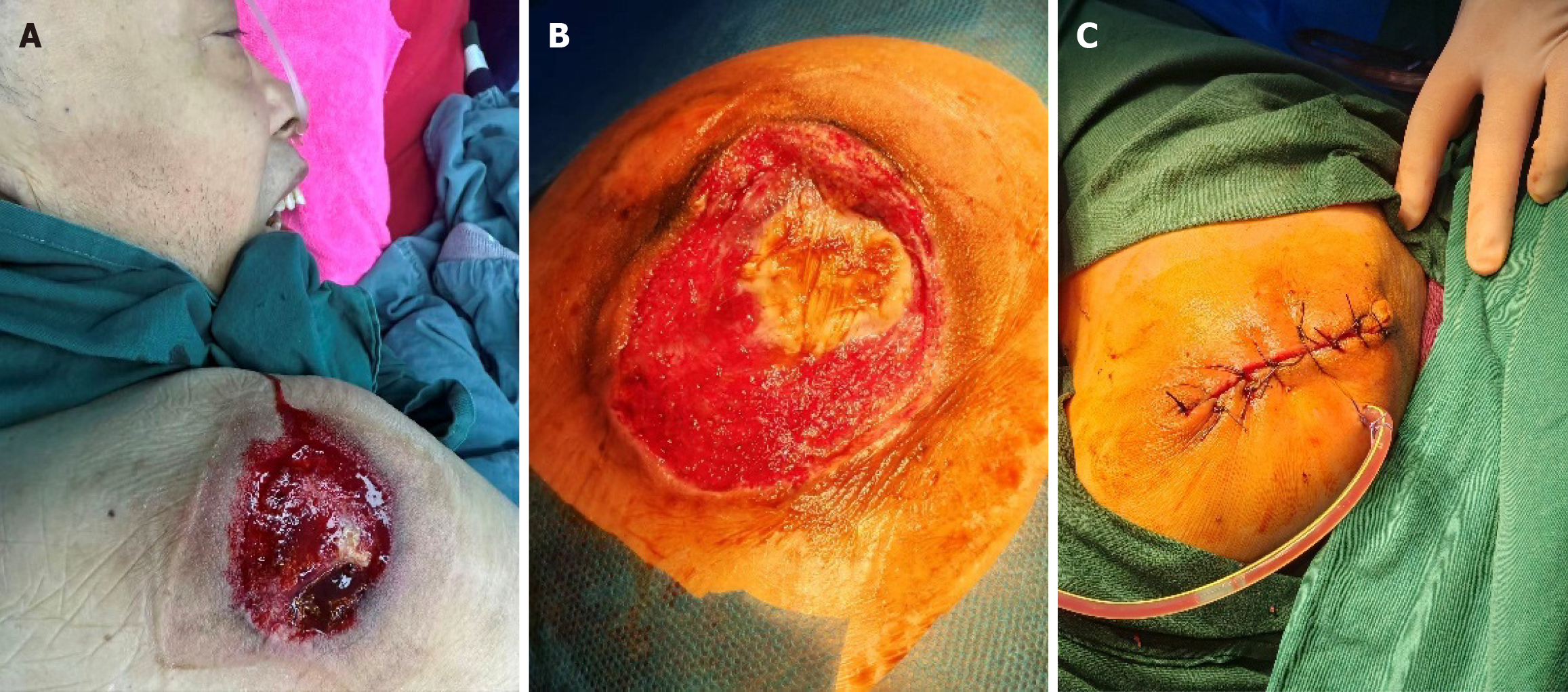
Figure 2 The pressure ulcer repair process in the study group patient.
A: A 5 cm diameter skin defect with purulent exudate was observed in the scapular region, surrounded by erythema and swelling; B: Postoperative view following the encouragement-based intervention (Watson’s theory), sequestrectomy of the scapula, synovectomy of the shoulder joint, and application of vacuum sealing drainage. The wound bed shows the growth of fresh granulation tissue. The ulcer area at this stage measured 7 cm × 7 cm; C: Postoperative view after surgical ulcer repair and capsular modification, showing the wound closed with absorbable sutures and one negative pressure drain in place.
- Citation: Xing J, Jia YJ, Xin JQ, Liu JY, Cui Y, Zhang HW. Watson caring theory-based encouragement interventions for pain and anxiety in stage III-IV pressure ulcer patients. World J Psychiatry 2026; 16(7): 117775
- URL: https://www.wjgnet.com/2220-3206/full/v16/i7/117775.htm
- DOI: https://dx.doi.org/10.5498/wjp.117775